


Treasure in Circulation: Cherry Picking Gems Like the 1895 British Trade Dollar
December 13, 2025Inside the Dansco Factory: How Collector Demand Shapes Vintage Album Values
December 13, 2025
As collectors, we’ve all held that moment of truth: weighing a coin’s precious metal content against its story. Let’s dive into the fascinating tug-of-war between melt value and numismatic value – where bullion meets history. Recent forum discussions featuring British Trade Dollars, Sovereigns, Guineas, and Lincoln Cents reveal how savvy collectors leverage this duality. Buckle up; we’re about to explore what makes certain coins sing while others simply clink.
The Metal Matrix: Weight, Purity & Market Pulse
For bullion-minded collectors, three pillars form the foundation:
- Weight: The cold, hard reality of troy ounces
- Purity: That crucial .900 or .9167 stamp of authenticity
- Spot Dance: How tightly a coin’s value follows metal markets
Case Study 1: The 1895-B British Trade Dollar – Silver with Soul
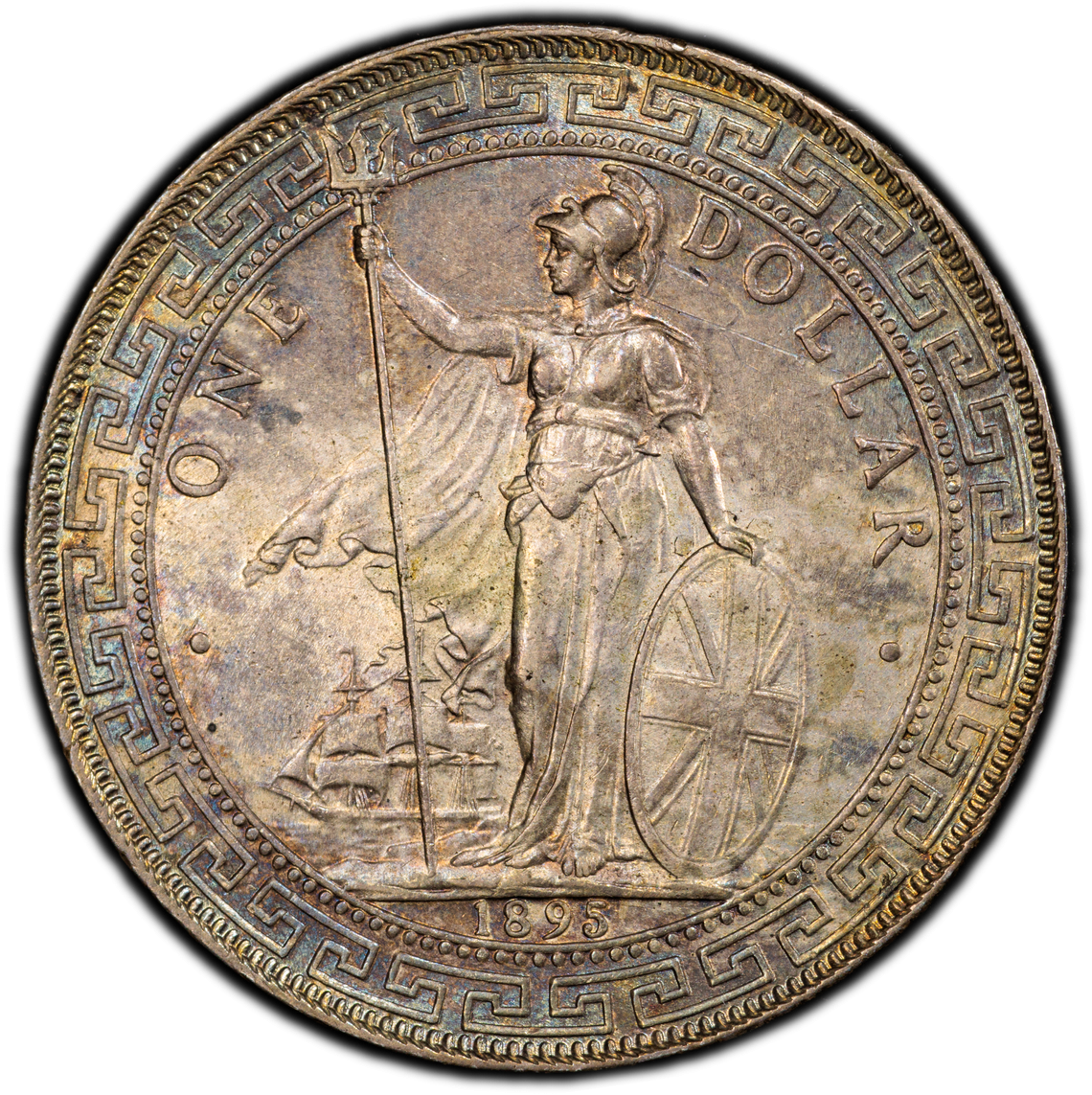
This crown-sized beauty (.900 silver, 0.7806 troy oz) whispers colonial history through its design. While $19.12 in melt value might tempt a smelter, true collectors see beyond – that glorious AU58 patina and razor-sharp strike command $300-400. The secret? First-year-of-issue status creates a numismatic premium stackers dream about. That’s 15-20x melt for those counting!
Case Study 2: The 1827 Sovereign – Gold with Gravitas
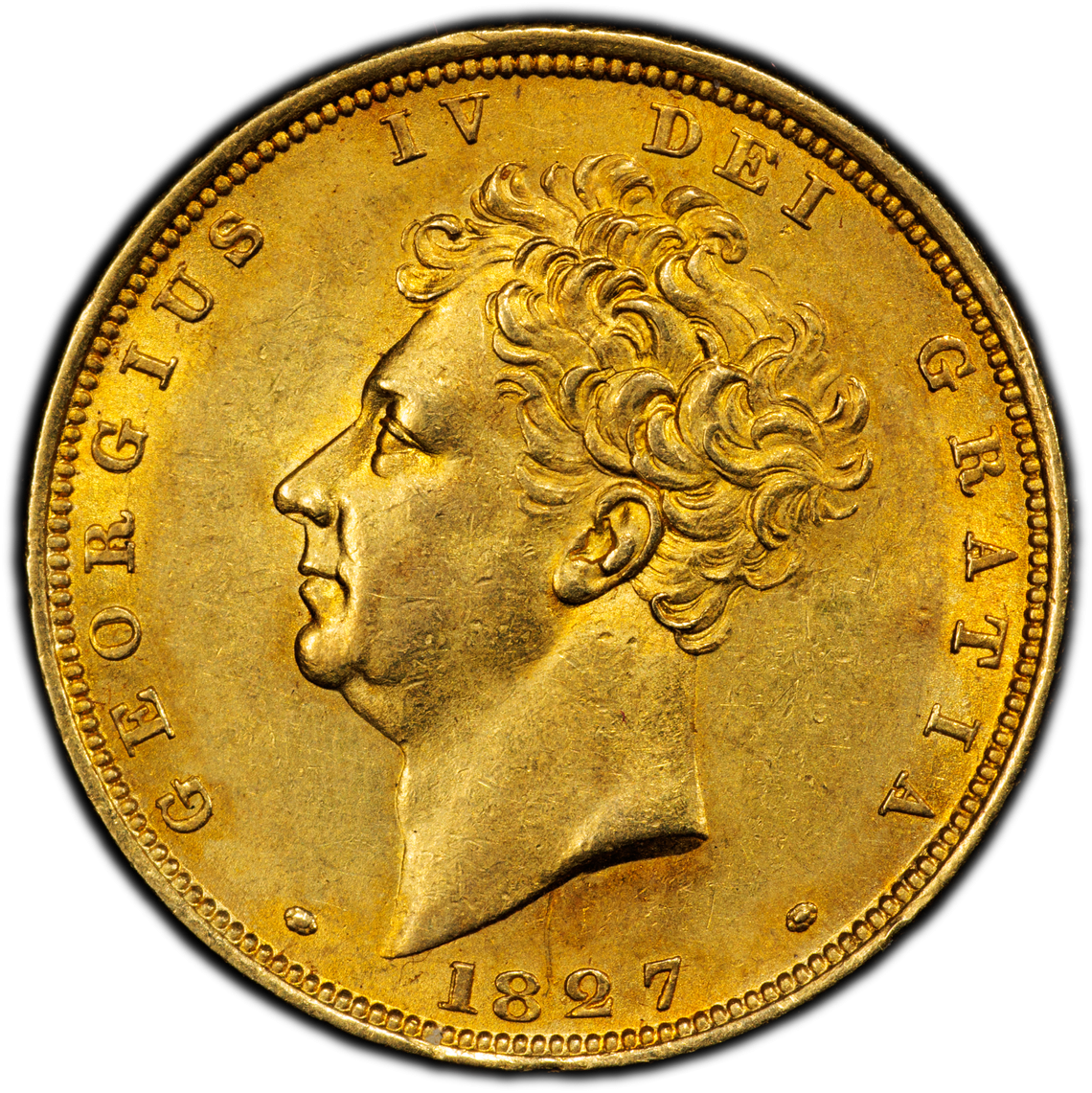
Holding 0.2354 oz of .9167 gold, this regal piece currently melts around $553. But here’s where it gets interesting: circulated Sovereigns typically trade just 5-10% above melt. For hybrid collectors, this creates the perfect storm – gold’s safety net with room for numismatic growth when provenance or eye appeal shine through.
When Metal Rules: The Spot Price Sweet Spot
Some coins live and die by the markets:
- Modern Bullion: Eagles and Maples marching to spot’s drum
- Battle-Worn Silver: Cull Morgans telling tales through their scars
- Sovereign Standards: As our forum friends confirmed
Then there’s the 1969-D Lincoln Cent (MS67RD) – copper’s Cinderella story. With just $0.03 in melt value, its $400+ price tag comes purely from mint condition rarity. Red luster blazing like freshly struck? That’s pure numismatic magic no bullion investor can quantify.
The Collector’s Edge: Hybrid Hunting Grounds
Smart money targets coins straddling both worlds:
1. Key Date Bullion with Stories to Tell
The 1795 Guinea (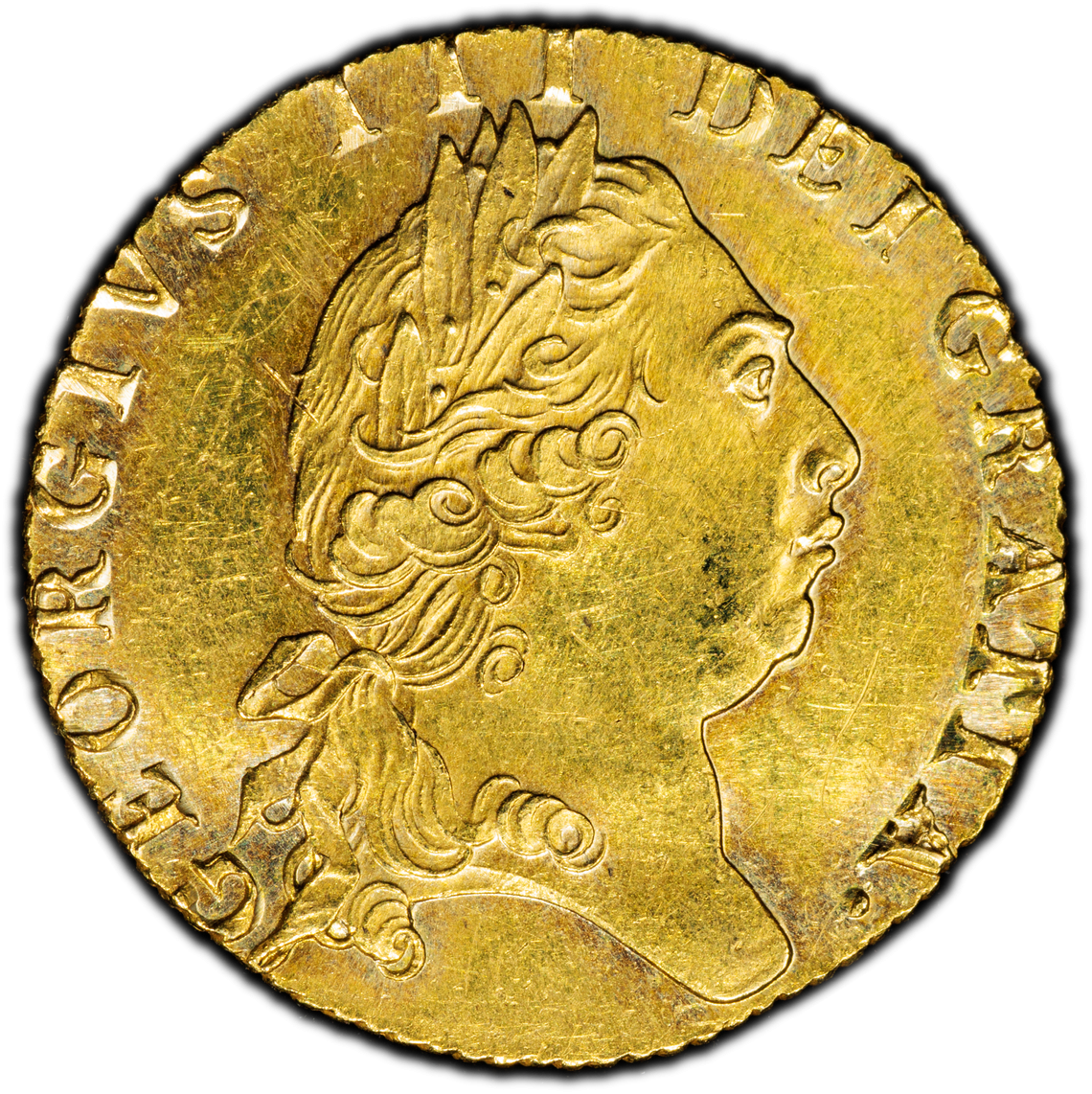 ) holds $581 in gold, but its real treasure lies in provenance. Forum members raved about its original toning – that delicate champagne patina adding 20%+ premium. Melt value becomes your safety net while history builds your upside.
2. Condition Rarity Sleepers
Our forum’s 1720/18 George I Crown (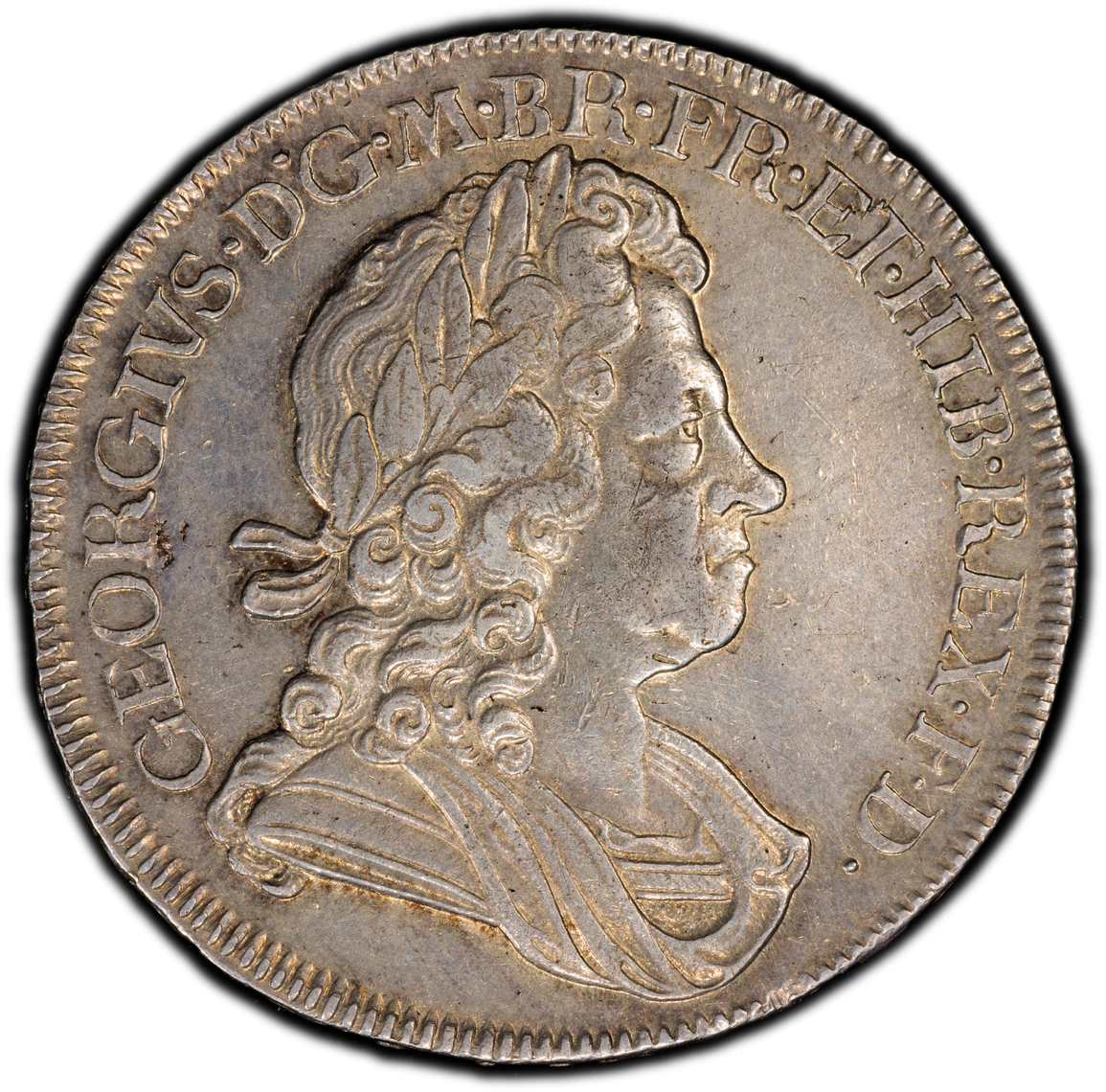 ) shows how extreme grade rarity transforms .925 silver. With only four in PCGS Top Pop, this $35 melt wonder becomes a four-figure showstopper. Not for pure stackers, but hybrid hunters? Jackpot.
3. Beauty in the Broken
That 1872-H XF45 Seated Dollar with cleaning marks? Forum wisdom says buy when spot dips. These “ugly ducklings” often trade near melt despite their historical weight – perfect for patient collectors who see past surface flaws to the story beneath.
The Camera’s Crucial Role
Forum debates reveal a hidden factor: photography can make or break value. That AU58 Trade Dollar dismissed as ‘flat’ in TrueView? Might actually boast hidden luster. As one member astutely noted:
‘Coins needing photographic finesse become bargain hunting grounds’
Savvy collectors pounce when poor imaging masks a coin’s true eye appeal.
The Hybrid Collector’s Field Guide
When evaluating coins through dual lenses:
- Cross-reference weight/purity with trusted sources
- Grade carefully – mint condition preserves maximum metal
- Study spot correlation patterns (Kitco is your friend)
- Spot rare varieties hiding in bullion clothing
- Use imaging flaws as negotiating leverage
Conclusion: Two Worlds, One Passion
These forum gems reveal our hobby’s beautiful paradox: precious metal forms the foundation, but history builds the cathedral. That 1795 Guinea’s gold content ensures eternal value, while its colonial-era story commands premium. For collectors, this duality creates the ultimate hedge – metal against economic storms, numismatic value against inflation’s tide. As grading evolves (a hot forum topic), those mastering both metallurgy and history will keep finding treasures where others see mere currency. Remember: every coin has two stories – one written in molecules, the other in human hands. Our joy lies in reading both.
Related Resources
You might also find these related articles helpful:
- Treasure in Circulation: Cherry Picking Gems Like the 1895 British Trade Dollar – You Don’t Need a Dealer to Strike Numismatic Gold You don’t always need a dealer to find exceptional coins. …
- Smart Collector’s Guide: Acquiring Coveted British Trade Dollars and Sovereigns Without Overpaying – The Savvy Collector’s Guide to Acquiring Historic Coins Building a world-class collection of colonial-era treasure…
- Mastering the Market: Expert Strategies for Acquiring 1972 Double Rim Error Coins Safely – Building Your Collection? Master the Hunt for the 1972 Double Rim Cent! For Lincoln cent enthusiasts, the 1972 double ri…
