


How I Created a $75,000 Error Coin Identification Course to Combat Amazon’s Flood of Fake Guides
December 10, 2025How I Wrote a Definitive Error Coin Guide While Fighting Amazon’s Flood of AI-Generated Books
December 10, 2025
Condition Reigns Supreme: A Professional Grader’s Perspective
For serious collectors, condition isn’t just important – it’s everything that separates ordinary coins from extraordinary treasures. Let me show you how to examine high points and fields like a seasoned numismatist. Consider a recent CAC submission of 32 coins where only 20 earned that coveted green sticker. This exercise reveals how understanding PCGS/NGC standards through wear patterns, luster quality, strike characteristics, and eye appeal can transform a $100 coin into a $1,000 showpiece. Join me as we uncover why certain coins made the cut while others fell short.
The CAC Seal of Approval: What It Really Means
CAC doesn’t merely rubber-stamp existing grades – they authenticate coins that represent the absolute pinnacle of their assigned grade. That mere 62.5% approval rate (including raw finds and crackouts) tells us everything about their exacting standards. Their experts examine:
- Wear Patterns: Uniform friction matching the grade designation
- Luster: Vibrant cartwheel or delicate original surfaces
- Strike Quality: Precision appropriate for the issue
- Surface Preservation: Flaws that stay within grade parameters
Green Sticker Success Stories
1. 1806 Knob 6 Sm Stars 50c (VF30)
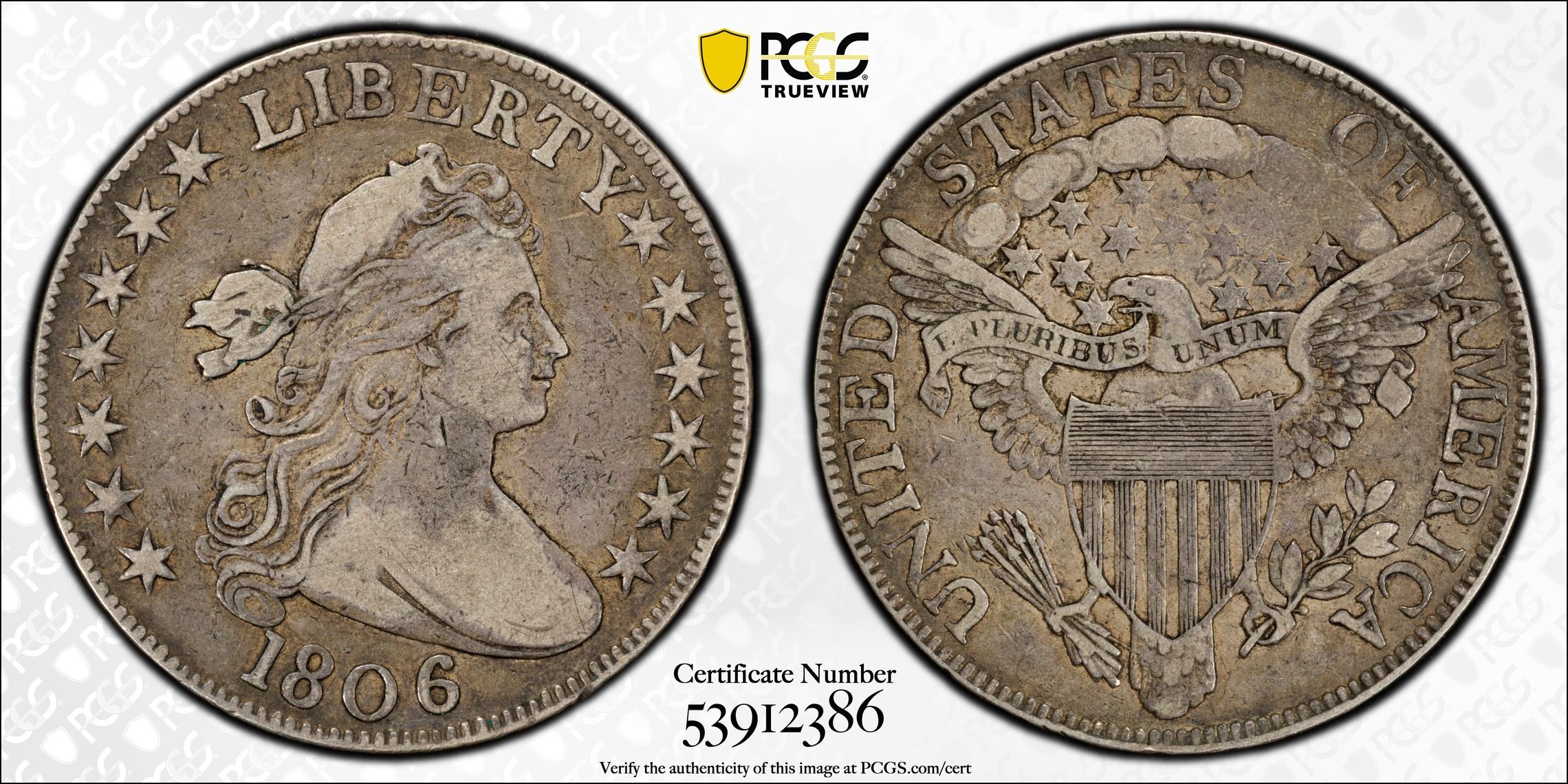
This raw local coin shop find demonstrates why original surfaces command premium numismatic value:
- Wear Patterns: Perfectly balanced friction on Liberty’s hair and breast
- Luster: Whisper-thin sheen preserved in protected recesses
- Strike: Remarkably sharp centers for its era
- Eye Appeal: Unmolested chocolate patina singing with history
“JA clearly treasures early American silver with honest character” – Forum Collector
3. 1853 Arrows 10c (AU58+)
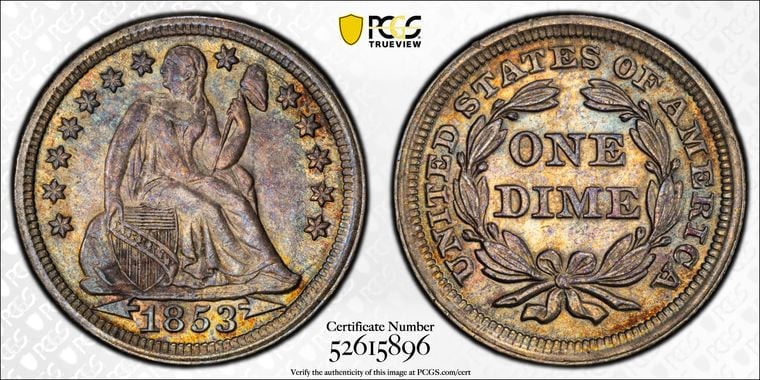
This NGC-to-CAC crossover reveals why technical grading separates the good from the great:
- Wear: Barely perceptible friction on Liberty’s knee
- Luster: Radiant cartwheel dancing beneath even toning
- Strike: Razor-sharp arrows and date – crucial for collectibility
- Surfaces: Pristine fields free from distractions
The “+” designation screams premium quality within the grade.
10. 1913 Type 1 Buffalo Nickel (MS66+)
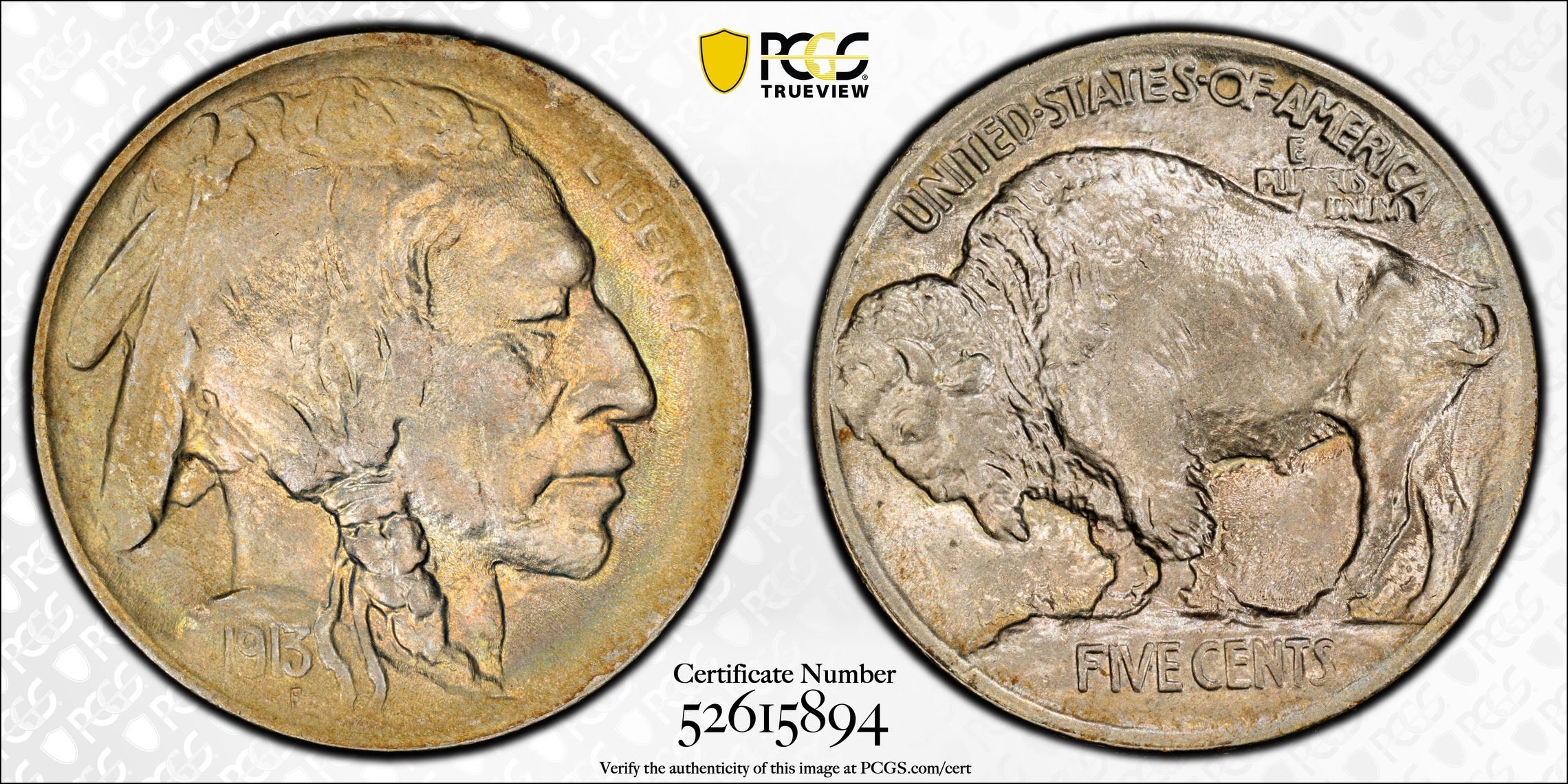
This stunning NGC crackout proves toning can enhance rather than obscure:
- Toning: Natural sunset hues melting across fields
- Luster: Vibrant beneath the iridescent palette
- Strike: Horn detail visible to the naked eye – essential for top-dollar value
- Surface: No environmental damage compromising quality
“The colors dance in hand – photos don’t do it justice!” – Submitter
Learning From the Bean Bin: Denials That Teach
4. 1917-S Standing Liberty Quarter (AU58+FH)
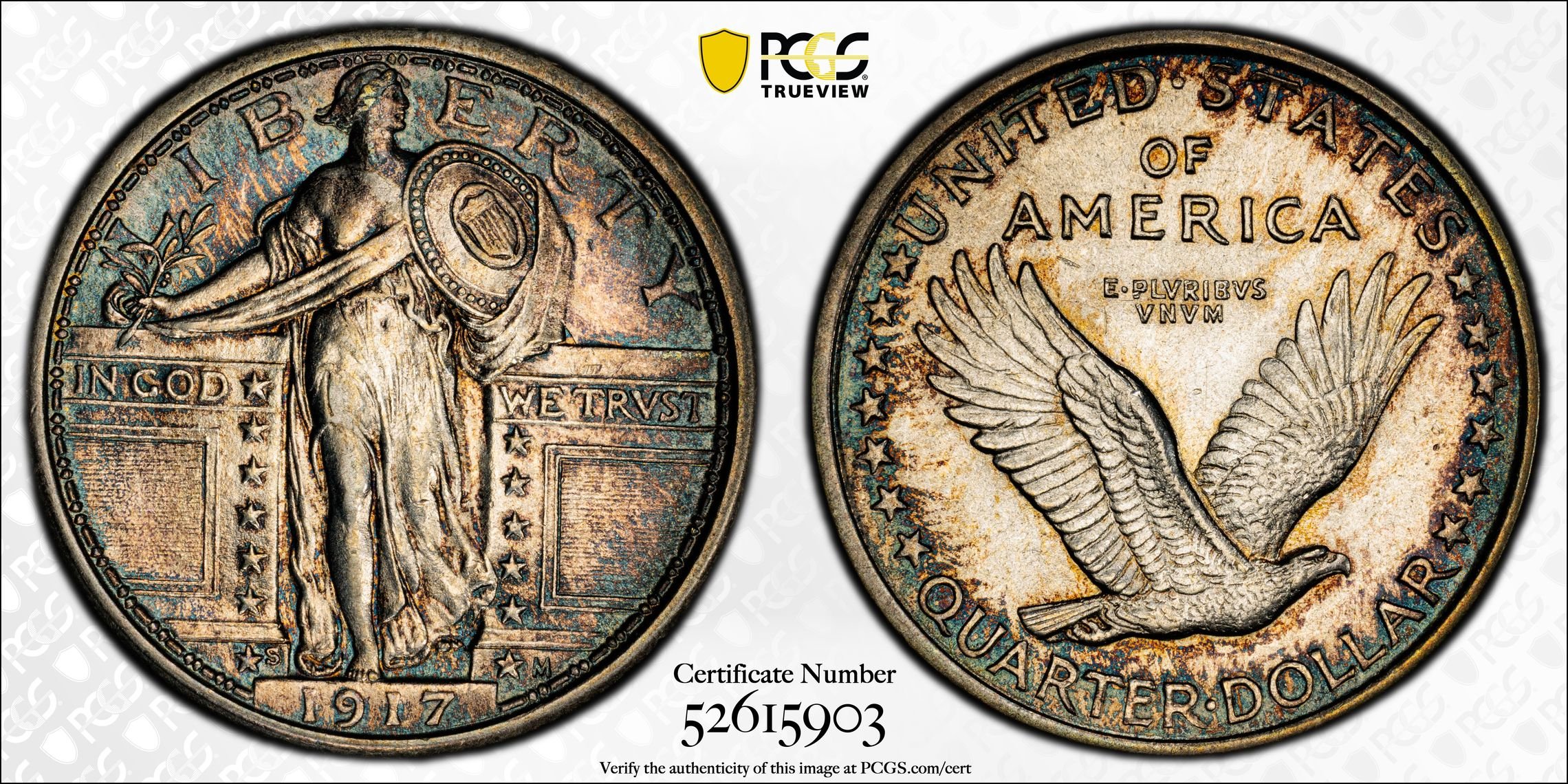
Our most surprising rejection reveals hidden grading traps:
- Strike Weakness: Telltale softness on Liberty’s head
- Toning: Artificially enhanced “candy shop” appearance
- Luster: Suspiciously dull beneath colorful disguise
- Eye Appeal: Polarizing “love it or hate it” presentation
“The coloring looked… manufactured” – Forum Comment
7. 1936 Walking Liberty Half (MS66)
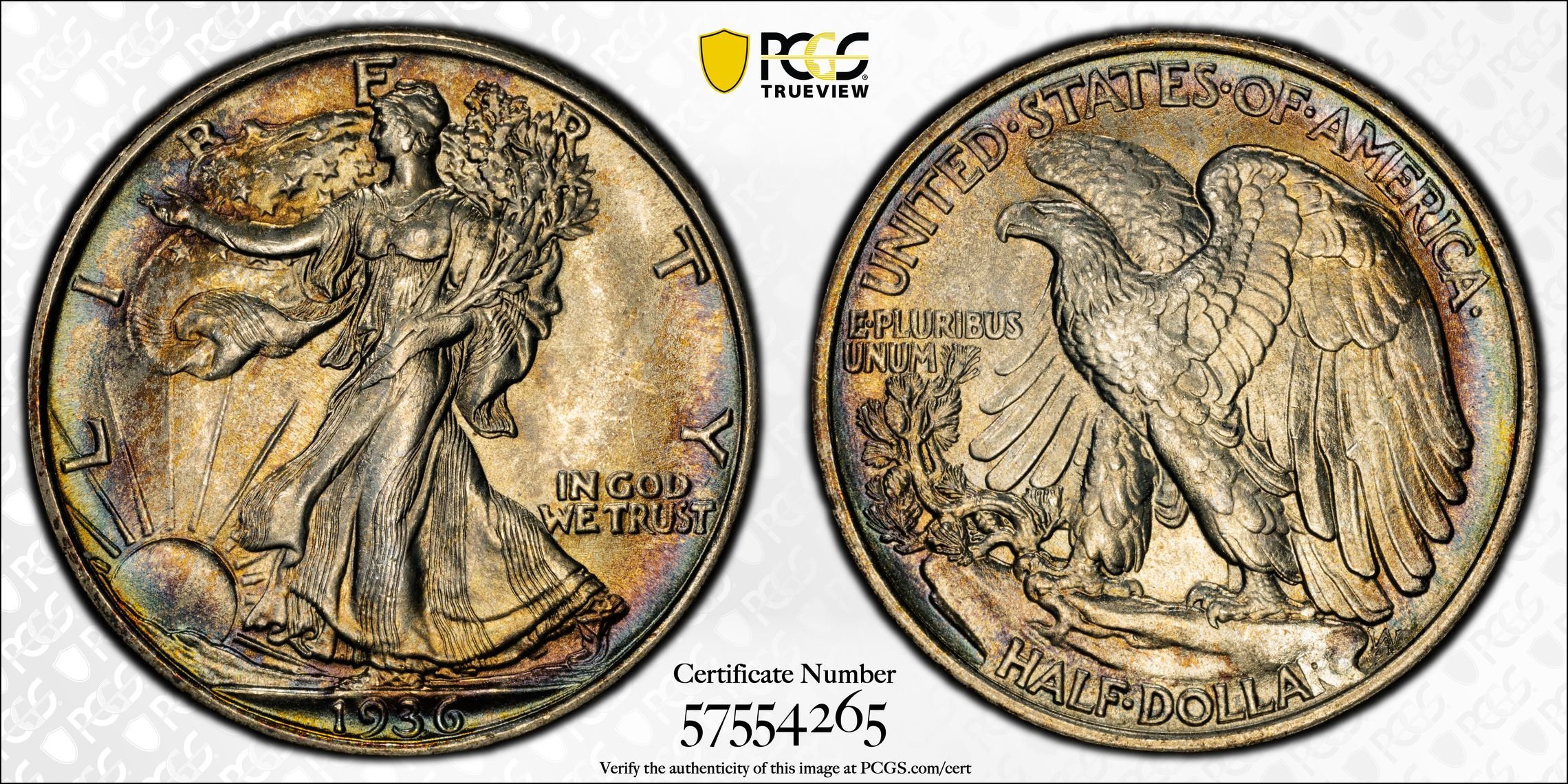
This denial exemplifies CAC’s uncompromising standards:
- Strike Flaw: Weak “R” in DOLLAR betraying technical merit
- Toning: Unnatural electric blue hues
- Luster: Suspected cleaning beneath flashy exterior
- Grade Reality Check: True 65 surfaces in a 66 holder
“Walkers break hearts – still searching for my CAC-approved example!” – Collector Experience
1923 Peace Dollar (MS65)
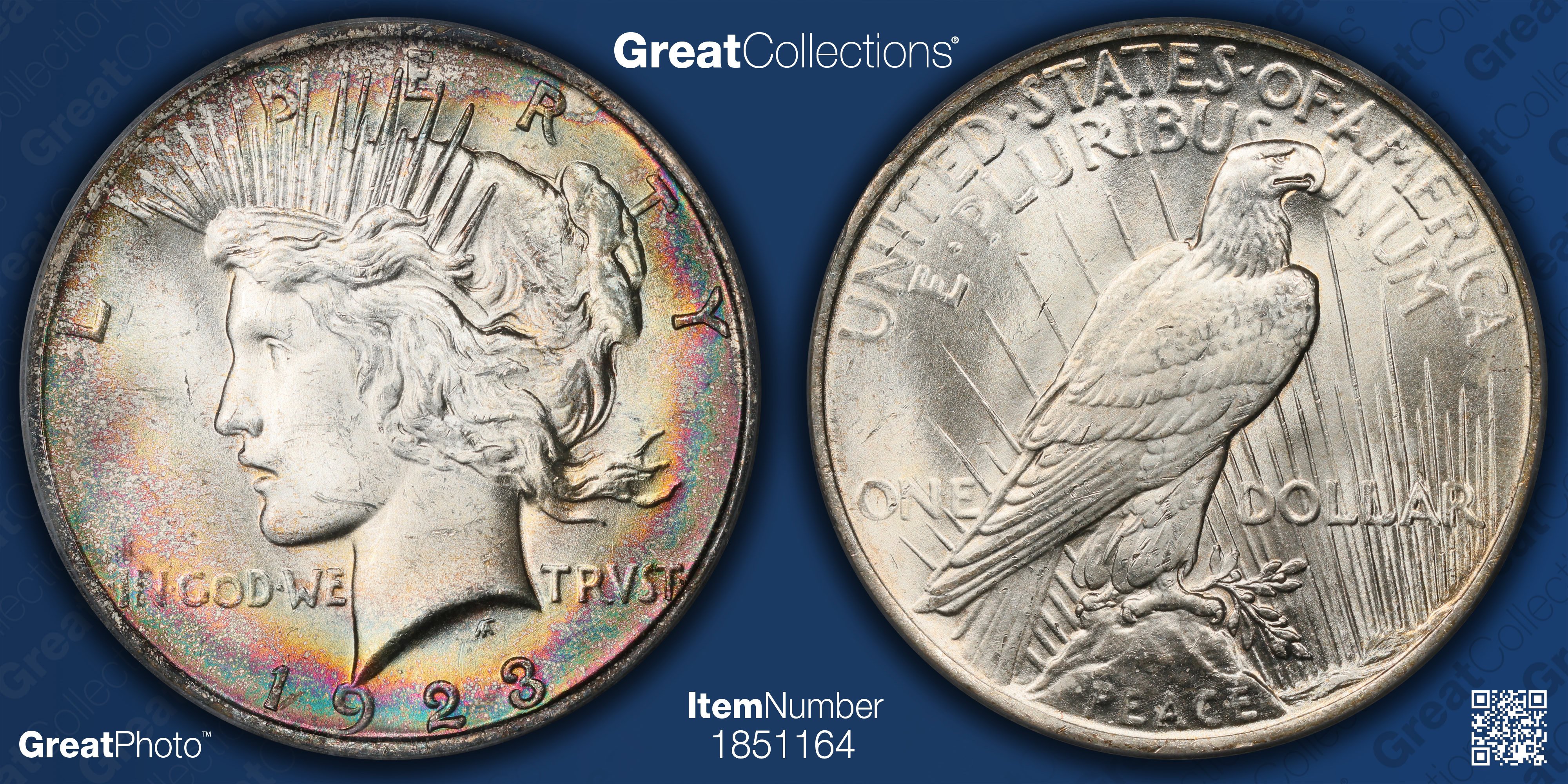
A cautionary tale of beauty versus flaws:
- Fatal Flaw: Cheek scratch screaming “details grade”
- Toning: World-class colors couldn’t redeem damage
- Grade Accuracy: Admitted 64-quality surfaces
- Collector Bias: “I was hypnotized by the rainbows”
“That cheek scar was the CAC deal-breaker” – Submitter
The Art and Science of Toning
This submission confirms toned coins walk a tightrope:
- Natural vs. Enhanced: CAC rejects coins with “auction-ready” artificial hues
- Luster Integrity: Toning must complement rather than mask surfaces
- Fatal Flaws: Spots, residues, or uneven patterns spell rejection
- Market Wisdom: “Original blast white often trumps questionable color”
Five Grading Truths Revealed
- Originality Is King: Approved coins wore their history with pride
- Technical Merit Rules: Eye appeal enhances – never excuses – fundamentals
- Strike Defines Value: Weak details destroyed SLQ/Walker prospects
- Honesty Pays: Cracked coins frequently find their true level
- Emotion Clouds Judgment: “We all fall for pretty coins sometimes”
Building a Legacy Collection
Our 20/32 CAC success rate reveals what truly moves the market:
- Untouched surfaces whispering authentic history
- Strikes meeting (or exceeding) minting expectations
- Toning serving as elegant accent, not distracting costume
- No hidden enemies haunting the fields
As one seasoned collector wisely noted, “CAC approval requires seeing coins through their lens, not ours.” Whether evaluating an 1806 half dollar or modern commemorative, the principles remain timeless: technical excellence creates numismatic value, eye appeal enhances collectibility, and only the rarest combinations earn that green sticker of distinction.
Related Resources
You might also find these related articles helpful:
- How I Created a $75,000 Error Coin Identification Course to Combat Amazon’s Flood of Fake Guides – How I Turned My Coin Expertise Into a $75k Course (And How You Can Too) Here’s what most experts get wrong about s…
- CAC Sticker Approval Rates Revealed: What Your Coins Are Really Worth in Today’s Market – Market Realities Beyond the Price Guide What truly determines a coin’s numismatic value? Forget price guides ̵…
- Authenticating the Omega One Cent & 24k Gold Lincoln Cents: Expert Guide to Spotting Fakes – Counterfeits Are Circulating—Here’s How to Protect Your Omega Cents As Stack’s Bowers gears up to auction the historic O…
