


Beyond the Guidebook: What Your Collection’s Most Common Year Reveals About Market Value
December 19, 2025Treasure in Plain Sight: Expert Guide to Spotting Valuable Coin Errors in Common Dates
December 19, 2025
The Historical Echoes in Your Collection’s Most Common Date
Each coin in your collection whispers a story — sometimes loud, sometimes faint — but always rooted in the era it came from. When collectors point to certain dates as the most represented in their holdings — 1837, 1787, and 1827, for example — they’re not just highlighting coincidence. These are the years that shaped American numismatics, fraught with political tension, economic upheaval, and groundbreaking advancements in minting technology. What makes these dates so persistent in collections isn’t just their availability — it’s their *meaning*. Their *presence*. Their *collectibility*.
The Panic of 1837: When Tokens Became Protest
When longtime collector @lkenefic shared that 1837 was his most common year, he wasn’t just listing a number — he was invoking the Hard Times tokens, those humble copper relics that emerged during one of America’s most brutal financial downturns. The Panic of 1837 wasn’t just an economic hiccup. It was a collapse. President Andrew Jackson’s war on the Second Bank of the United States and his Specie Circular — demanding gold and silver for land purchases — sent banks into freefall. As paper money lost its worth, enterprising merchants and citizens turned to an ingenious workaround:
- Over 1,600 unique varieties of privately minted tokens
- Politically charged slogans like “IMPERIAL SOVEREIGNTY” etched in copper
- Satirical strikes mocking failed institutions, including pieces boldly marked “I TAKE NOTHING”
“These weren’t just change — they were commentary,” notes veteran numismatist Q. David Bowers. “Each token told a story of distrust, defiance, and desperation.”
The U.S. Mint’s Mechanical Evolution
Ironically, 1837 was also a turning point for the U.S. Mint. The Philadelphia facility completed its shift to steam-powered coinage, a move that revolutionized how coins were made. This wasn’t just about speed — it was about *precision*. With steam power came:
- The debut of the Seated Liberty dime series, prized by collectors today
- Improved consistency in weight and diameter under Director Robert M. Patterson
- Experimental innovations like reeded edges on half dollars — a detail that adds to their *eye appeal* and *numismatic value*
1787: Coins of a Nation Still Being Forged
For many collectors, 1787 isn’t just a year — it’s an origin story. Before the United States truly *was*, it *was minting*. This was the year of the Constitutional Convention, and numismatically, it was a hotbed of creativity and necessity. Among the standout issues:
- The Fugio Cent, designed by Benjamin Franklin — “Mind Your Business” and all
- Dozens of state-issued coppers, including over 70 Connecticut varieties alone
- Massachusetts cents and New Jersey coppers — each with unique regional character
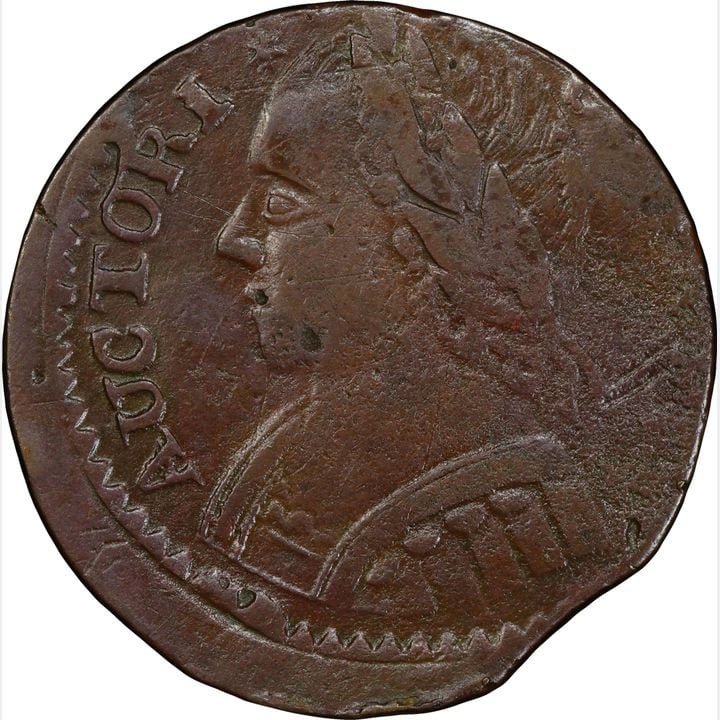
A 1787 Connecticut copper showing classic colonial-era planchet imperfections
Coins as Political Statements
Each strike was a message — a subtle (or not-so-subtle) nudge to the public. The symbolism was intentional:
- The Fugio Cent’s sundial motif urging timely ratification of the Constitution
- Rustic ploughmen on New Jersey coppers representing agrarian values
- Counterfeit-style Machin’s Mills coins defying British trade laws
1827: The Collector’s Playground
To variety hunters and specialists, 1827 is a gift that keeps on giving. The year saw an explosion of die marriages, especially in the Capped Bust Half Dollar series. For collectors like @CBH, 1827 is more than a date — it’s a rabbit hole:
- 49 known die marriages for the half dollar alone
- A subtle redesign by John Reich — a wider face, a smaller cap
- The quiet shift from 50% to 89% silver content, boosting intrinsic value
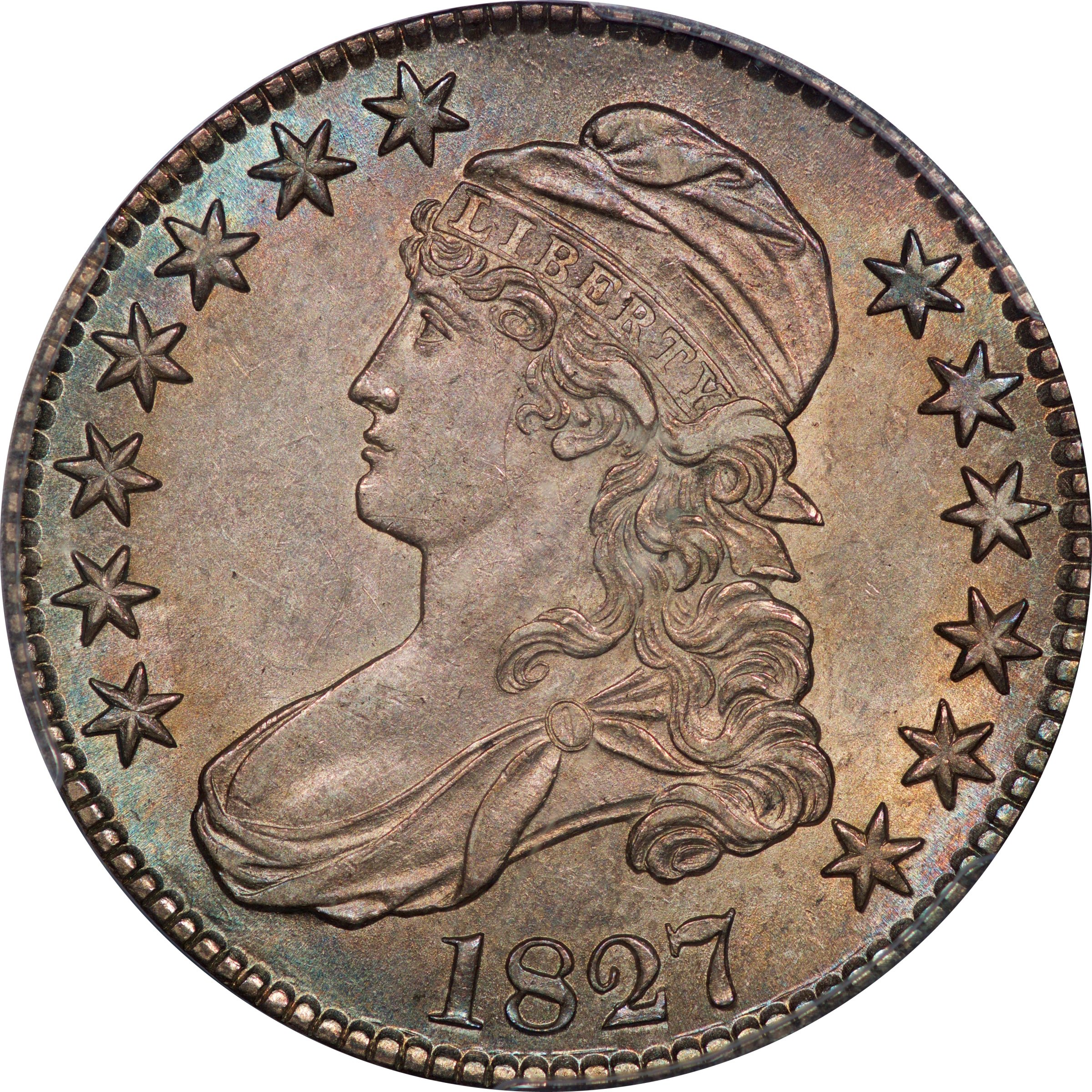
An 1827 O-104a half dollar showing Reich’s iconic design
Why Certain Years Dominate Production
| Year | Key Event | Numismatic Impact |
|---|---|---|
| 1837 | Specie Circular enacted | Over 42 million Hard Times tokens produced |
| 1858 | California Gold Rush peak | Surge in double eagles and Flying Eagle cents |
| 1909 | Lincoln cent introduced | VDB controversy sparked mass hoarding |
Collectibility Assessment: Why These Dates Stick Around
Whether you’re a type collector or a date specialist, certain years keep popping up — and for good reason. Based on what collectors are actually *holding*, the most common dates tend to share a few traits:
- Historical Gravity: Dates like 1787 and 1837 mark societal shifts, making them inherently meaningful
- Minting Innovations: Years like 1837 and 1838, when steam presses were introduced, offer *die varieties* and transitional strikes
- Variety Richness: Coins like the 1827 Capped Bust Half Dollar offer decades of study potential
As @kiddrock once observed while admiring his 1838 Seated Liberty dime: “I don’t collect dates — I collect *eras*.” And that might be the most important lesson of all. Whether it’s a Hard Times token bearing the scars of financial collapse or a colonial-era copper echoing pre-Constitutional ideals, your most common date is never random. It’s a relic. A memory. A *moment* — pressed in metal and preserved for the ages.
Related Resources
You might also find these related articles helpful:
- Beyond the Guidebook: What Your Collection’s Most Common Year Reveals About Market Value – Unlocking the true numismatic value of your collection’s most prominent year means looking beyond the book price a…
- Tiny Die Rings: Bullion Value vs. Collector Premium in Numismatic Rarities – When Precious Metal Meets Collector Obsession What happens when a coin’s silver content whispers “investment…
- Unearthing Die Rings: The Ultimate Guide to Cherry-Picking Hidden Treasures in Circulation Finds – Think you need deep pockets to uncover numismatic treasures? Think again. Some of the most thrilling discoveries come fr…
