


Cherry Picking 1922-D Lincoln Cent Varieties: A Roll Hunter’s Field Guide to Die Varieties & Circulation Finds
December 12, 2025Future Numismatic Legends: Appraising Tomorrow’s Rare Coins Today
December 12, 2025
When Metal Meets History: The Collector’s Goldmine in a Copper Cent
As a bullion enthusiast, you might expect silver dollars or gold eagles to command attention – but what happens when a humble copper coin becomes worth its weight in numismatic gold? The 1922-D Lincoln Cent presents this fascinating paradox: a bronze composition carrying mere pennies in intrinsic value, yet fetching astronomical sums in collector circles. Let’s explore how striking anomalies, die deterioration mysteries, and historical scarcity transformed this common-looking cent into a heavyweight champion of American numismatics.
The Bronze Puzzle: Melt Value vs. Collector Passion
Let’s address the obvious first: you won’t find precious metals here. The 1922-D Lincoln Cent contains the standard 95% copper composition with 5% tin and zinc, tipping the scales at 3.11 grams. At today’s copper prices, the melt value barely crests 2.5 cents – hardly exciting for metal stackers. But here’s where the magic happens: a pristine MS65 Red specimen sold for $18,000 in 2023!
This jaw-dropping premium stems from three pillars of collectibility:
- The Mintage Miracle: Just 7.16 million struck – the lowest regular-issue production in the entire Wheat Cent series
- Die Deterioration Drama: Elusive “No D” and “Weak D” varieties born from overworked dies
- Condition Rarity: Fewer than 150 gems exist across all grading services, making mint condition examples true trophies
The Metal Market Mirage: Why Collector Value Defies Commodity Prices
Breaking the Copper Correlation
While base metal coins typically follow spot prices, the 1922-D cent laughs at market trends. As copper fluctuated between $2.50-$4.80/lb over the past decade, top-grade 1922-D cents consistently appreciated 7-10% annually. The secret? Numismatic value dances to its own rhythm.
“In 1931, collectors paid equal premiums for BU 1922-D and 1909-S VDB cents!” – Forum archives reveal surprising historical parallels
True collector value thrives on:
- Population scarcity (PCGS reports just 103 MS65 Reds)
- Historical significance (Denver’s solitary cent production in 1922)
- Diagnostic details (surface luster, strike quality, and die markers that confirm authenticity)
The Perfect Storm: Why 1922 Belonged to Denver
Recent forum discoveries shed new light on this numismatic anomaly:
- Philadelphia and San Francisco diverted resources to striking Peace Dollars
- Denver received special dispensation despite having unused 1917-dated cents
- A mere 20 obverse dies (vs. 184 in 1920) endured brutal overuse
Imagine each die suffering 360,000 strikes – 32% beyond normal limits! This abuse created three distinct varieties that make collectors’ hearts race:
| Variety | Tell-Tale Sign | Scarcity Level |
|---|---|---|
| Strong D | Crisp mint mark | 1:5 coins |
| Weak D | Ghostly “lobes” beneath lapel | 1:3 coins |
| No D | Complete mint mark erosion (the rare variety superstar) | 1:20 coins |
The Collector’s Edge: Turning Die Knowledge into Value
For bullion enthusiasts crossing into numismatics, mastering die varieties separates casual collectors from serious students. Our forum’s latest analysis reveals:
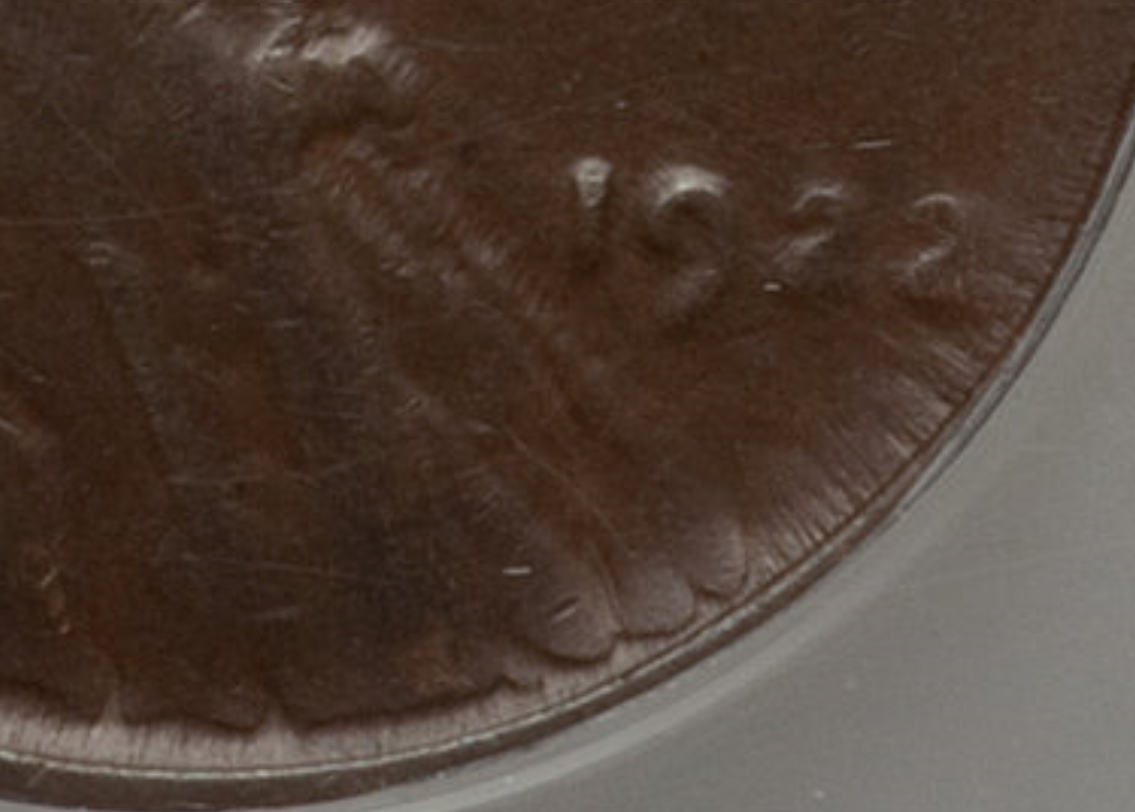
Secrets of Die Pair 4
- Distinctive elongated “lobes” of wear beneath Lincoln’s lapel
- Never fully erases to “No D” status – a midlife crisis die state
- Progressive lobe development tells the story of a die’s painful journey
The Clash Myth Debunked
Old theories blamed die clashes for the vanishing mint mark, but our community examined 60+ specimens with surprising results:
- “Not a single definitive clash mark across 30 No D examples” – Veteran member Charmy’s revelation
- New consensus: Faulty die hardening led to accelerated erosion
From Pocket Change to Portfolio Star: The Grade-Driven Value Explosion
Eye appeal and surface preservation dramatically impact worth:
| Grade | Strong D Value | Weak D Value | No D Value |
|---|---|---|---|
| G-4 (Heavy wear) | $12 | $35 | $650 |
| VF-20 (Clear details) | $75 | $150 | $2,800 |
| MS-63 (Attractive luster) | $1,200 | $2,500 | $18,000 |
| MS-65 (Gem mint condition) | $7,500 | $12,000 | $45,000+ |
Conclusion: Where Numismatic Alchemy Transforms Copper into Gold
The 1922-D Lincoln Cent teaches us that true value often lies beyond metal content. When historical circumstance, diagnostic features, and condition rarity converge, even base metal becomes a canvas for numismatic magic. With PCGS confirming only 24 MS65+ examples across all varieties, this humble cent proves that collector passion can elevate the ordinary to extraordinary. So next time you sort through Wheat Cents, remember – that missing mint mark might just be hiding a five-figure treasure. After all, in our world, it’s often what’s absent that carries the greatest provenance and potential.
Related Resources
You might also find these related articles helpful:
- Cherry Picking 1922-D Lincoln Cent Varieties: A Roll Hunter’s Field Guide to Die Varieties & Circulation Finds – You Don’t Always Need a Dealer: Hunting 1922-D Varieties in the Wild That heart-pounding moment when you spot a ra…
- The Collector’s Edge: Acquiring 1922-D Lincoln Cents Without Overpaying in Today’s Market – Mastering the Hunt for the 1922-D Lincoln Cent The 1922-D Lincoln Cent isn’t just another copper coin – it&#…
- Crafting History: The Suitability of 1922-D Lincoln Cents for Coin Jewelry – Not Every Coin Deserves the Ring Treatment As a coin ring artisan with twenty years of transforming history into wearabl…
