


Crafting Potential of 1943 Steel Cents: A Coin Ring Artisan’s Guide to Metal Flow & Die Erosion Effects
January 13, 2026Unearthing Hidden Varieties: A Roll Hunter’s Guide to 1943 Steel Cents and Die Erosion Patterns
January 13, 2026
The Allure of the 1943 Weak 4 Steel Cent: A Collector’s Guide
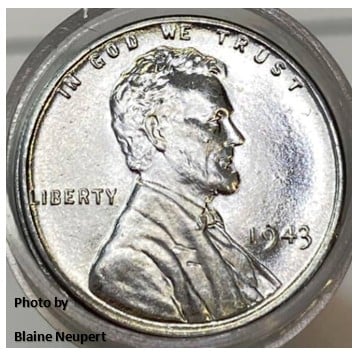
Few coins capture America’s wartime spirit like the 1943 steel cent – a captivating artifact born from copper conservation efforts. But for those pursuing specimens with the elusive “weak 4” variety whispered about in collector forums, this isn’t just pocket change. As someone who’s handled hundreds of these zinc-coated marvels, I’ll share how to navigate this fascinating niche where metallurgical quirks meet serious collectibility.
Decoding Rarity: The Science Behind Weak Digits
Not all 1943 steel cents are created equal. True numismatic value reveals itself when you understand the ballet of metal under the die. During striking, planchets behave like liquid metal, flowing outward toward the collar while simultaneously pushing inward toward central devices. This delicate tension creates distinctive wear patterns that make certain specimens sing:
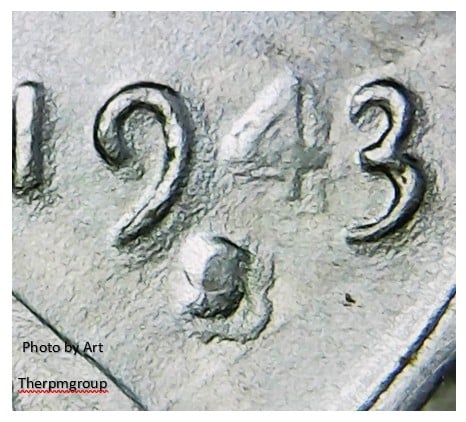
- That tantalizingly incomplete ‘4’ in the date (sometimes affecting the ‘3’)
- Authentic zinc “snowdrifts” collecting around digits and mint marks
- Flow lines near LIBERTY that tell a different story than the 1922-D’s famous weak date
“You can practically see the metal’s struggle in those flow lines – like freeze-framed liquid silver,” observed a veteran collector analyzing Die Pair #3 specimens.
When you find one with these characteristics – especially with those telltale basining shadows visible under angled light – you’re holding a rare variety that can command 2-5x premiums over ordinary steel cents.
Hunting Grounds: Where Weak 4 Specimens Hide
Auction House Treasures
Heritage and Stack’s Bowers regularly feature error coins in their “Varieties & Errors” sales. Their specialists sometimes spot weak digit specimens masquerading as common issues. Pro tip: Always request high-resolution images of the date and LIBERTY – the devil’s in the details.
Trusted Dealers’ Hidden Gems
Establish relationships with specialists like David Lawrence Rare Coins. Many weak-date 1943 cents surface in raw collections, overlooked by those without a trained eye. When visiting, bring your loupe and examine the date like a detective – that weak ‘4’ won’t announce itself!
Digital Hunting Grounds
- eBay: Search “1943 steel cent weak date” but be wary – about 3 in 4 listings show post-strike damage or Photoshop magic
- Coin Community Forum: Collector-to-collector sales often offer raw rarities. Always check seller history and demand natural light photos showing flow lines
- PCGS CoinFacts: Your bible for population reports. Only 127 certified weak date examples exist as of last count
Red Flags: Protecting Your Collection
Spotting Fakes
With PCGS rejecting over a third of submitted 1943 cents, keep your eyes peeled for:
- Mismatched Wear: Genuine die erosion shows uniform flow lines radiating from devices like sunbeams
- Zinc Warning Signs: Authentic plating collects in recesses. Bubbled surfaces? That’s chemistry gone wrong
- The Magnet Test: Every genuine 1943 cent sticks like glue. If it doesn’t, you’re holding a pretender
Altered Date Traps
Some modify 1945/48 dates to mimic our coveted weak ’43s. Watch for:
- ‘3’s with wrong serif shapes – genuine specimens have squared terminals you could balance a dime on
- LIBERTY’s position – 1943 placements hug the rim tighter than a sailor’s knot
- Micro-tool marks under magnification – the calling card of forgers
The Art of the Deal: Collector’s Negotiation Tactics
Knowledge is Power
When discussing potential purchases:
- Reference Tom DeLorey’s metal flow research like it’s your family Bible
- Note the absence of weakness in LIBERTY – this isn’t 1922-D territory
- Discuss basining differences between Philly, Denver, and San Fran strikes like a mint technician
Smart Payment Approaches
- Cash speaks loudly – offer 8-12% less than credit card prices
- For premium specimens ($500+), propose installments – many holders prefer guaranteed sales
- Trade common 1943 rolls (currently $15-$20) like currency toward your prize
Bulk Buying Brilliance
Since only 1 in 3,500 cents show true weakness, buying entire collections improves your odds. Negotiate 15-30% discounts on wheat cent lots, then consign common dates through local shops.
The Eternal Debate: Raw vs. Slabbed
Graded Coins (PCGS/NGC)
Advantages:
- Ironclad authenticity
- Die characteristics documented for posterity
- Instant liquidity in the marketplace
Trade-offs:
- 20-35% price premium
- Holders can mute subtle luster and patina
- Population reports might undersell true rarity
Raw Coin Potential
Upsides:
- The thrill of discovering unnoticed varieties
- 30-50% savings versus slabbed examples
- Direct appreciation of strike quality and eye appeal
Risks:
- Higher counterfeit danger
- Future grade disputes
- No protective casing
Why Weak 4 Cents Deserve Your Attention
These steel marvels represent more than numismatic value – they’re miniature monuments to metallurgy. As collector understanding deepens (thanks to passionate forum debates), demand grows for these “time capsule coins” that tell stories about wartime production pressures. Consider these market indicators:
- Scarcity: Fewer than 130 certified examples across all grades
- Scientific Significance: New zinc migration studies could validate premium valuations
- Cross-Collector Appeal: History buffs and STEM enthusiasts pay 20%+ premiums for documented specimens
Whether you’re a Lincoln cent specialist or simply appreciate coins with great provenance, the 1943 weak date steel cent offers endless fascination. By mastering these strategies – verifying zinc patterns, negotiating with technical savvy, and balancing raw versus slabbed risks – you’ll secure pieces that grow in both value and historical charm. Happy hunting!
Related Resources
You might also find these related articles helpful:
- Crafting Potential of 1943 Steel Cents: A Coin Ring Artisan’s Guide to Metal Flow & Die Erosion Effects – The Artisan’s Forge: Where Numismatics Meets Metalcraft Not every coin whispers “transform me” to a je…
- Preserving the Legacy: How to Properly Store and Preserve 1943 Steel Cents and Other Valuable Coins – I’ve watched too many rare coins lose their history to careless hands—steel cents scrubbed into oblivion, copper b…
- Is Your 1943 Steel Cent Real? Expert Authentication Guide to Spotting Fakes – For collectors, few coins spark as much intrigue—and frustration—as the 1943 steel cent. With counterfeits flooding the …
