


Identify 1909-S Lincoln Cent Dies in 5 Minutes (Proven Method)
November 7, 2025Mastering the 1909-S Lincoln Cent: Advanced Die Analysis Techniques for Serious Collectors
November 7, 2025
I’ve watched collectors make these exact errors for 40 years. Here’s how to dodge the bullet.
After handling thousands of 1909-S Lincoln Cents and mentoring collectors, I’ve seen the same heart-breaking mistakes burn holes in wallets and shatter dreams. These six elusive dies play tricks even on seasoned pros. Today, I’m sharing the seven costly blunders I wish someone had warned me about when I started collecting – complete with battlefield-tested solutions.
Mistake #1: Playing Guesswork With Die IDs
Nothing makes me cringe harder than watching collectors eyeball die varieties. That tiny “S” mintmark holds secrets worth thousands – if you know how to read it:
You’re Probably Guessing If You:
- Skip measuring the “S”‘s exact position relative to the date
- Ignore the mintmark tilt (Die 1 leans like the Tower of Pisa)
- Mix up Dies 2 and 3 (their spacing differences are subtle but critical)
Fix It: The Sandwich Method
Stop guessing and start measuring:
- Vertical position: High (Dies 1-4), Medium (Die 4), Low (Dies 5-6)
- Horizontal placement: Far right (Dies 3,5,6) vs cozy with the date
- Tilt check: If it leans right significantly, you’ve found Die 1

Mistake #2: Mixing Up VDB and Non-VDB Dies
Here’s a shocker: Dies 3 and 6 never made VDB coins. Yet I constantly see collectors paying premiums for “ultra-rare” VDBs from these dies that literally don’t exist.
Don’t Be That Collector
- Assuming a die only made one coin type? Bad move
- Chasing Dies 3/6 VDBs? You’re buying fantasy coins
- Trusting seller claims without proof? Recipe for disaster
Fix It: The VDB/Non-VDB Crosswalk
Before buying any 1909-S cent:
- Spot the VDB (or lack thereof) first
- For VDB coins: Only consider Dies 1,2,4,5
- Non-VDB? Now include Dies 3 and 6
- Verify using CopperCoins reference images
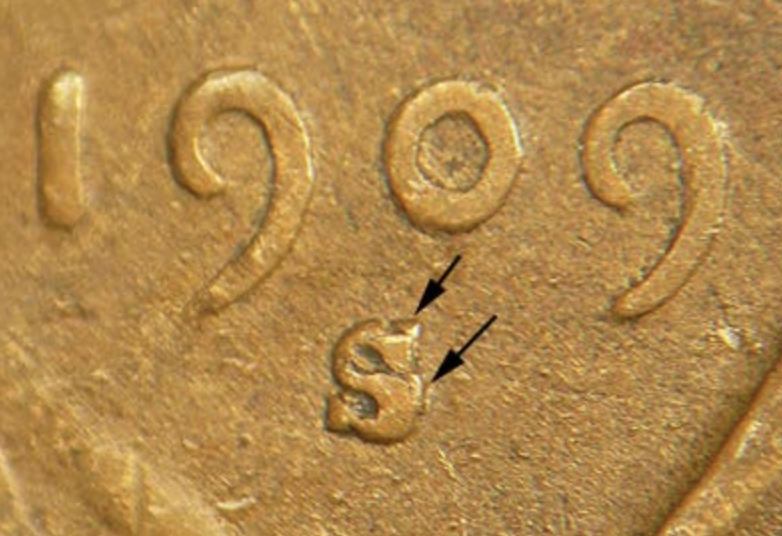
Mistake #3: RPM Fever Dreams
Repeat after me: There are only two legitimate RPM varieties. I’ve lost count of collectors showing me “new discoveries” that turn out to be die deterioration or worse – machine doubling.
RPM Red Flags
- Any “VDB RPM” claim (these don’t exist!)
- Doubling that looks different from documented examples
- Forum “discoveries” without third-party verification
Fix It: The RPM Reality Check
When you spot potential doubling:
- Confirm it’s a non-VDB coin first
- Check for Die 3 or 6 characteristics
- Compare to verified RPM images
- Slab it with NGC/PCGS for attribution
Mistake #4: Getting Duped by Fakes
My most expensive lesson? A PCGS-certified fake 1909-S VDB that cost me $8,500. Today’s forgers target Dies 2 and 5 – they know we get complacent with “common” varieties.
Counterfeit Spotting 101
- Denticles that don’t match genuine examples
- Tool marks near the mintmark (get that 10x loupe out)
- Weight discrepancies (real coins = 3.11g ±0.05g)
- Soft details on Lincoln’s coat
Fix It: The Harsche Method
Adopt Bert Harsche’s authentication approach:
- Study his “Detecting Altered Coins” reference images
- Create alignment overlays for key features
- Check metal flow patterns around the mintmark
- Scrutinize reverse berry details (forgers often botch these)
Mistake #5: Believing Die Fairy Tales
Let’s bust myths: Dies never traveled back to Philly for repunching. This misunderstanding leads collectors to invent non-existent RPMs and misdiagnose die states.
Historical Truth Bombs
- Mintmarks were punched in Philadelphia ONLY
- Dies stayed put once shipped to San Francisco
- All RPMs happened during initial punching
- Die 2’s quirks weren’t “fixed” mid-production
Fix It: Mint Process Boot Camp
Educate yourself properly:
- Devour Don Taxay’s The U.S. Mint and Coinage
- Dig into National Archives mint records
- Take ANA’s minting process course
- Pick specialist dealers’ brains at major shows
Mistake #6: Skipping the Paper Trail
My $15,000 near-miss taught me: No pedigree = no deal. In today’s market, counterfeiters target “raw” coins hoping you’ll skip documentation checks.
Provenance Red Flags
- Sellers claiming “fresh to market” for key dies
- No auction records before the digital age
- Toning that looks artificially even
- Slabbed coins with gaps in certification history
Fix It: The 5-Step Paper Chase
- Demand full pedigree docs (no excuses!)
- Cross-reference PCGS/NGC population reports
- Scour Heritage Archives for past sales
- Verify certification number consistency
- Check Cherrypickers’ Guide listings
Mistake #7: Chasing Ghost Varieties
I watched a collector waste 7 years seeking “farout S” varieties that don’t exist. Don’t let confirmation bias empty your bank account.
Variety Validation Rules
- Must be listed in major variety guides
- Requires NGC/PCGS attribution
- Needs published documentation (not forum posts)
- Beware “discoveries” from sellers with inventory to move
Fix It: The CONECA Reality Check
- Submit potential finds to CONECA first
- Get written attribution from experts
- Wait for third-party service recognition
- Document EVERY characteristic before buying
Your Action Plan for Smarter Collecting
Master these seven lessons and you’ll avoid 90% of 1909-S pitfalls. Remember:
- Measure twice, buy once
- Respect the minting process
- Paperwork protects your investment
- When in doubt, get it slabbed out
In this game, millimeters mean thousands of dollars and seconds of verification prevent years of regret. Keep your loupe clean, your references handy, and happy hunting!
Related Resources
You might also find these related articles helpful:
- Identify 1909-S Lincoln Cent Dies in 5 Minutes (Proven Method) – Stuck on a 1909-S Lincoln Cent? Let’s Crack It in 5 Minutes Identifying all six obverse dies doesn’t require…
- The Untold Secrets of the 1909-S Lincoln Cent Dies: Insider Tips for Serious Collectors – Most collectors overlook these details – here’s what I wish I knew earlier If you’ve spent time in coi…
- 1909-S Lincoln Cent Die Analysis: I Tested All Six Obverse Dies to Uncover What Collectors Need to Know – I Tested Every 1909-S Lincoln Cent Die – My Hands-On Findings Three months. 200+ coins. Countless hours squinting …
