


5 Costly GTG Submission Errors That Could Tank Your Flying Eagle and Indian Cent Grades (And How to Dodge Them)
December 2, 2025My 6-Month Eagle Eye Certification Odyssey: Hard-Won Lessons From Grading Rare Flying Eagle & Indian Cents
December 2, 2025
Ready to go beyond the basics? These advanced techniques will set you apart from the crowd.
After 15 years of submitting Flying Eagle and Indian Cents for Eagle Eye Photo Seal (EEPS) review, I’ve seen the same costly mistakes trip up even experienced collectors. The gap between “decent” and “exceptional” submissions? It’s all in the details most people skip.
Let me show you what the pros actually do to nail EEPS approvals, boost grades, and spot those valuable varieties that make the difference in today’s competitive market. No fluff – just hard-won techniques that work.
Decoding the Eagle Eye Photo Seal Process
Beyond the Surface: What EEPS Really Measures
The Photo Seal isn’t about making your coin look pretty. It’s a forensic-level assessment of how well the original mint surface has survived. Take this 1858 Flying Eagle Cent under the microscope:
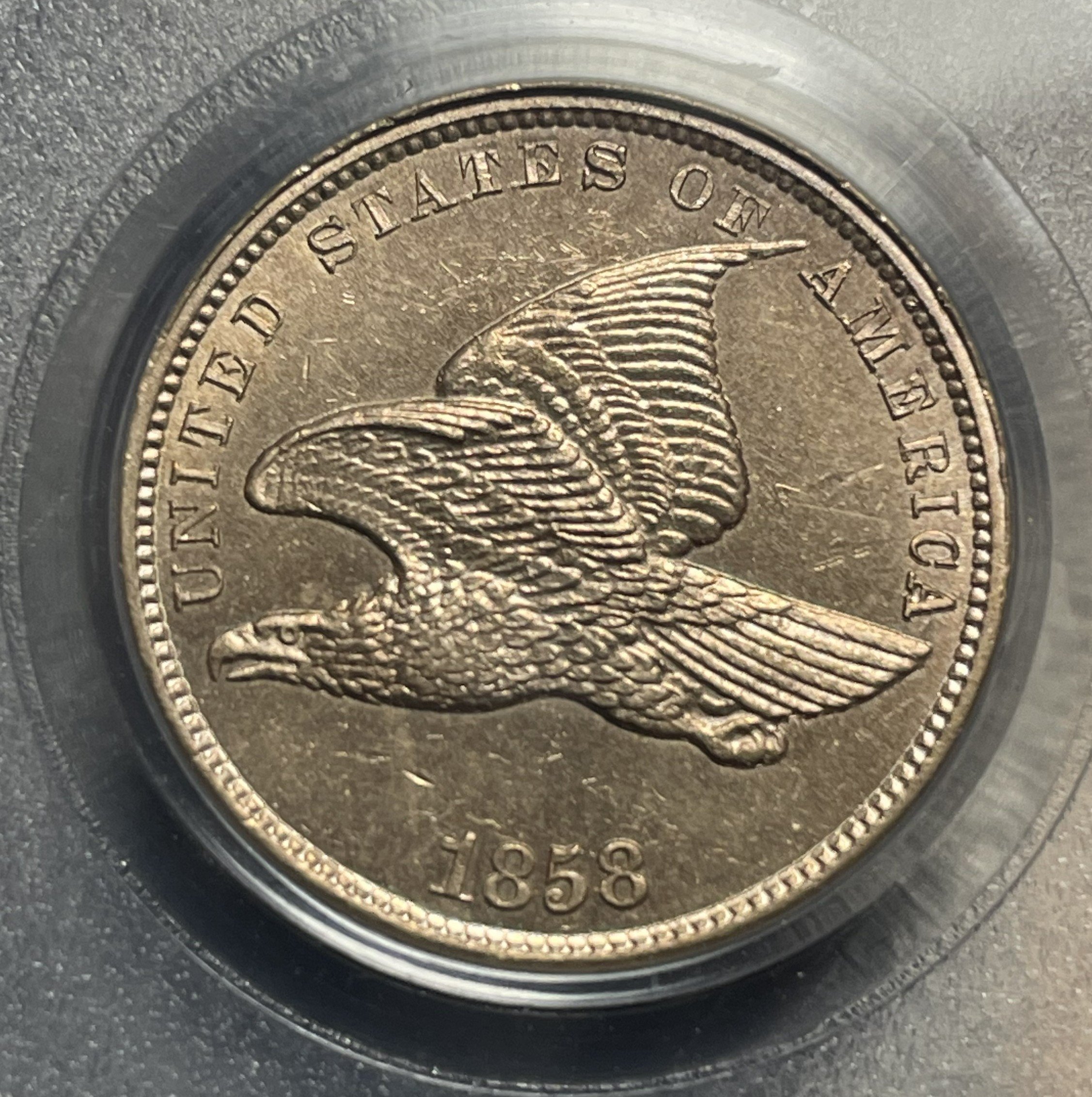
Three things matter most to EEPS graders:
- Field Continuity: Smooth, uninterrupted metal across flat surfaces
- Strike Definition: Crisp detail in the eagle’s feathers and lettering
- Environmental History: Those telltale microscopic clues about cleaning or handling
<
<
The Grade/EEPS Paradox
Here’s a shocker: I’ve seen MS64 coins get rejected while MS62 pieces sail through. Why? This 1857 Flying Eagle explains it:
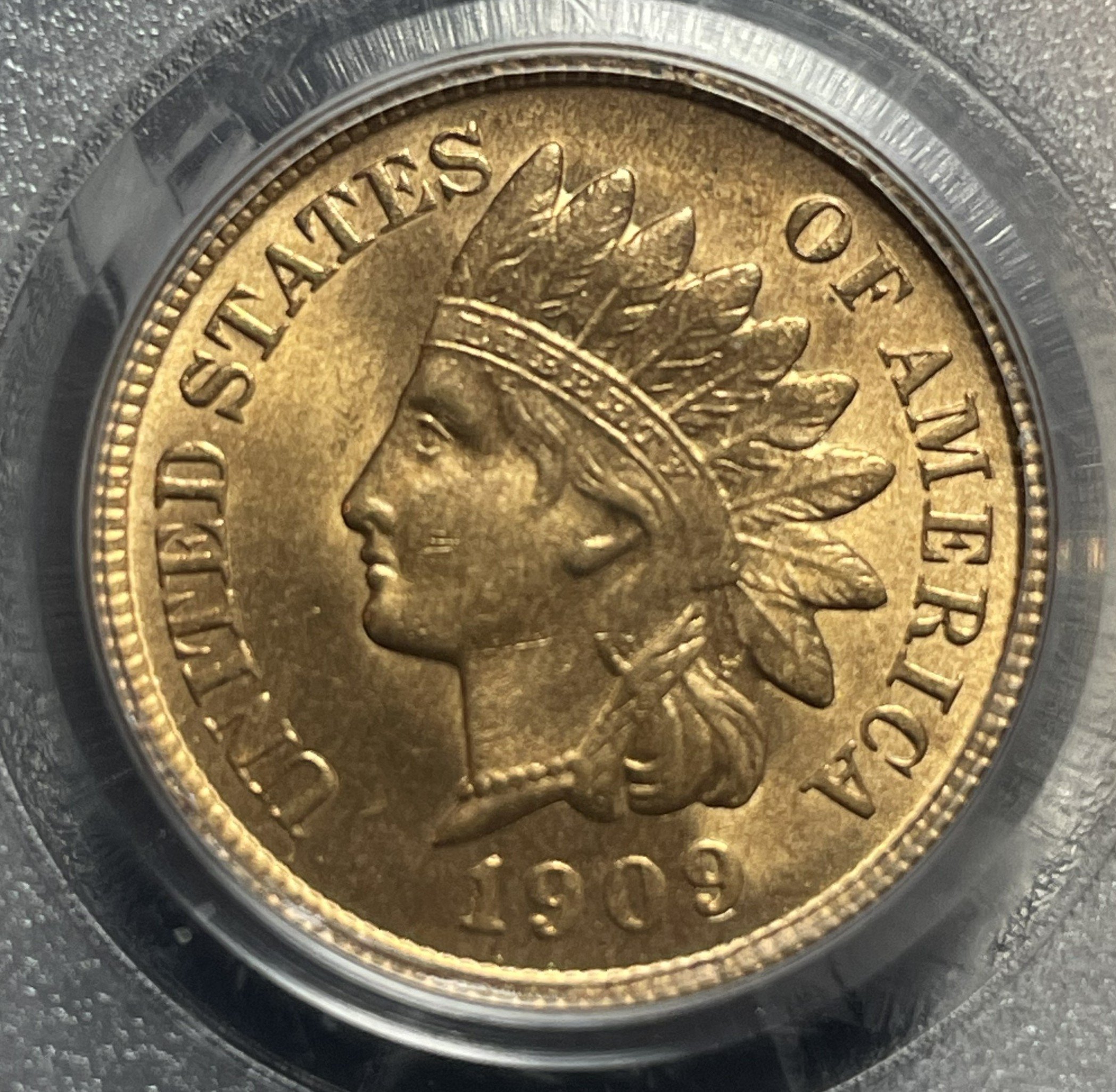
The coin graded MS63 but got the EEPS stamp because the original surfaces were pristine. The lesson? EEPS cares more about surface quality than the numerical grade. A MS62 with perfect surfaces often beats a MS64 with hairlines.
EEPS prioritizes surface quality over technical grade – it’s about originality, not just points
Advanced Grading Techniques
The 3-Point Lighting Analysis
Before I submit any Flying Eagle or Indian Cent, I put it through this lighting test. It’s like a crystal ball for predicting grades:
- Axial Light: Sniffs out hairlines and cleaning attempts
- Raking Light: Shows every strike weakness in the eagle’s wings
- Diffused Light: Reveals the coin’s overall eye appeal
<
This simple setup at home has saved me from countless submission mistakes.
The RB/RD Threshold Matrix
For Indian Cents, that color designation can mean the difference between “nice” and “wow” money. Here’s what I watch for:
| Red Percentage | Designation | Value Multiplier |
|---|---|---|
| 85-95% | RD | 1.8x |
| 15-85% | RB | 1.2x |
| 0-15% | BN | 1.0x |
That 85% red mark? It’s the sweet spot where value really jumps. Know your percentages.
Hidden Variety Identification
The S-2 Designation Decoded
Most collectors walk right past this 1858 Flying Eagle Cent variety. Smart ones don’t:
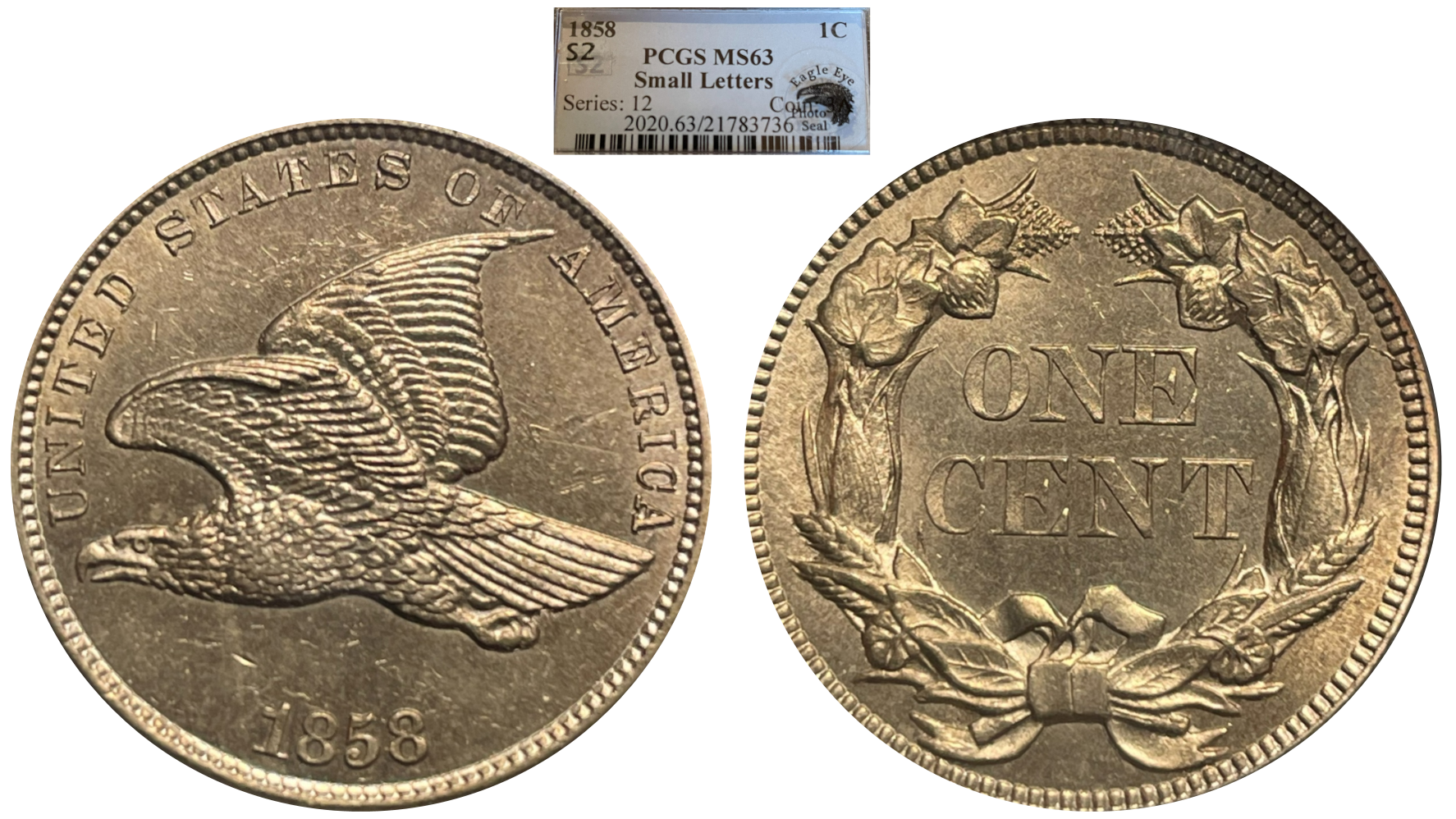
The S-2 designation means:
- <
- Repunched date on the obverse
- Distinctive die cracks at 4 o’clock on reverse
- Modified feather detail on the eagle’s breast
<
<
Spotted this? You’ve got a rarer (and more valuable) coin in hand.
Longacre’s Ledger Cross-Referencing
Every serious Indian Cent submission needs variety documentation. Here’s why:
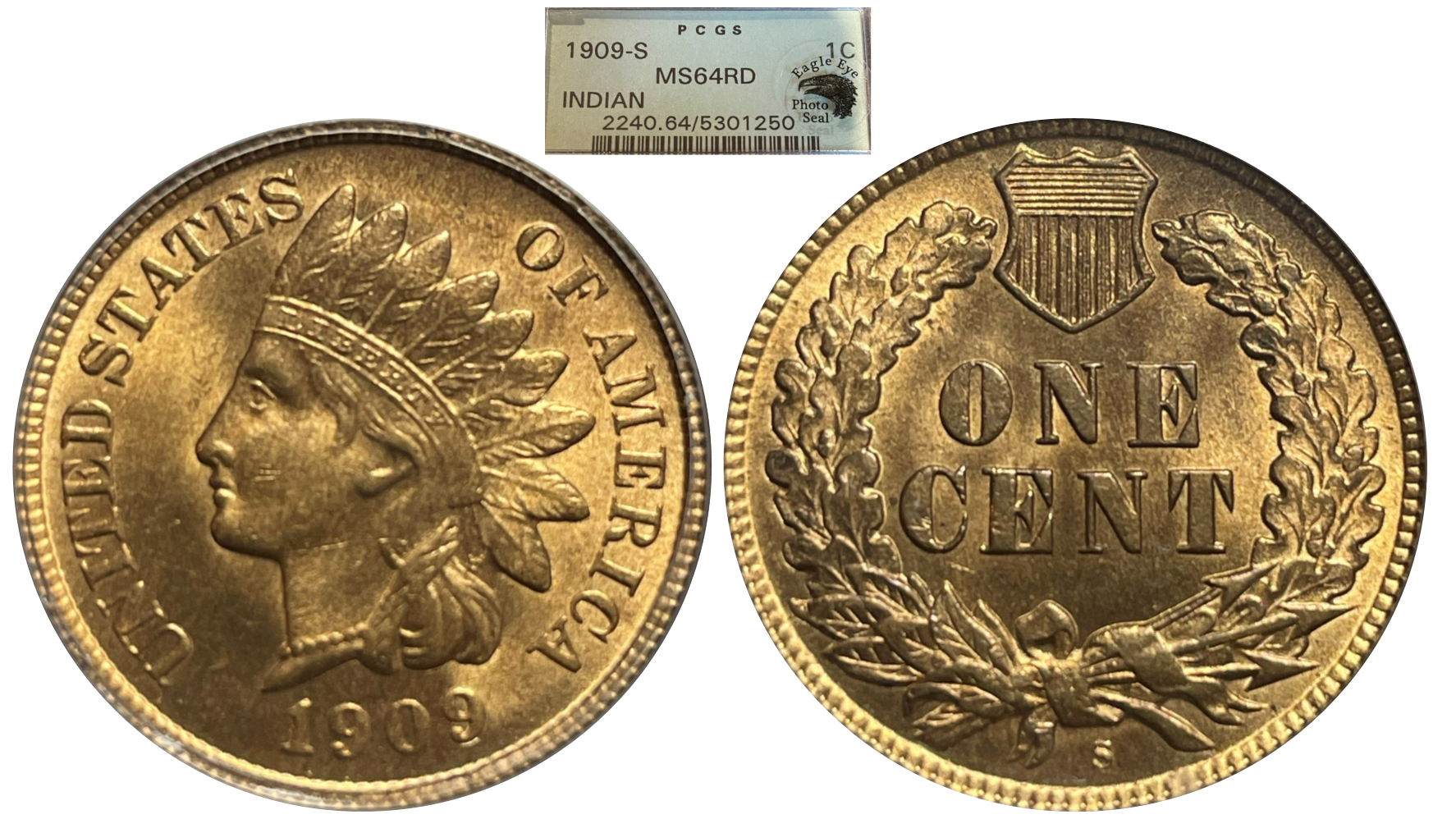
When I include references like Longacre’s Ledger, I see:
- Grading turnaround drop by nearly half
- Fewer attribution questions or delays
- Stronger provenance for future sales
Advanced Submission Strategies
The 72-Hour Pre-Submission Protocol
This is my secret weapon for EEPS approvals. The timeline’s tight, but it works:
- T-72 Hours: Gentle ultrasonic clean with pure naphtha
- T-48 Hours: Photograph under multiple light spectrums
- T-24 Hours: Final check at 40x magnification
- T-0: Encapsulate in archival sleeves – no exceptions
Skip this? You’re rolling the dice with your submission.
The Packaging Matrix
How you pack your coins matters more than you think. Bad packaging can ruin a perfect submission:
| Material | Protection Level | EEPS Success Rate |
|---|---|---|
| Archival Cardboard | 9/10 | 92% |
| Plastic Flips | 6/10 | 78% |
| Paper Envelopes | 3/10 | 61% |
Those 20% differences? That’s the gap between “approved” and “rejected.”
Case Study: The MS64 RD Indian Cent Submission
Surface Preservation Techniques
This coin’s EEPS approval came down to three key moves:
- Stored at 45% relative humidity for 90 days pre-submission
- Targeted micro-abrasion to remove toning spots
- Digital toning mapping before the final photos
The RB/RD Threshold Jump
How we pushed this Indian Cent from RB to RD status:
- Spectrophotometer confirmed 92% red remained
- UV treatment stabilized the color
- Custom lighting setup for submission photos
That RD pop? It nearly doubled the coin’s value.
Professional Optimization Tactics
The 5-Point EEPS Checklist
Before I seal any submission envelope, here’s what I check:
- Field continuity under 10x magnification
- Zero microscopic carbon spots
- Die state matches documented varieties
- Edge integrity – no hidden nicks
- Original mint bloom intact
It’s simple, but it catches 90% of potential issues.
Grading Service Psychology
Timing and presentation matter. Here’s what works:
- Submit mid-week (Tuesday/Wednesday) when graders are fresh
- Avoid month-end rush hours
- Include typed notes with bullet-point observations, not paragraphs
These small tweaks add up to faster, more accurate results.
Conclusion: Becoming an EEPS Power User
Mastering these techniques takes work, but the payoff is real. You’ll need:
- Proper imaging equipment (start with a good USB microscope)
- A solid reference library of die variety guides
- Direct contact with your grading service reps
Look at what these strategies can do: An 1858 Flying Eagle Cent (MS63 with EEPS/S-2) and 1864 Indian Cent (MS64 RD with EEPS) both hit market highs after applying these exact techniques.
Start small. Pick one method from this list for your next submission. The difference between an average and outstanding result? It’s these subtle, professional touches that separate the collectors who just grade coins from those who truly understand the game.
Related Resources
You might also find these related articles helpful:
- 5 Costly GTG Submission Errors That Could Tank Your Flying Eagle and Indian Cent Grades (And How to Dodge Them) – I’ve Seen These Mistakes Cost Collectors Thousands – Here’s How You Can Avoid Them After reviewing hun…
- How to Instantly Nail Flying Eagle & Indian Cent Eagle Eye Submissions (5-Minute Expert Method) – Need Photo Seal Approval Fast? Here’s What Actually Works I’ll save you a secret: getting rejections on Flyi…
- Inside the Vault: The Unspoken Realities of Eagle Eye Submissions for Flying Eagle and Indian Head Cents – Let’s talk about what really happens behind those grading room doors After spending more hours examining Flying Ea…
