


Unlocking Hidden Treasure: The Error Coin Hunter’s Guide to High-Value Varieties
December 25, 2025Decoding Value: How Professional Grading Transforms Early American Silver from $10 Junk to $1,000 Treasures
December 25, 2025
Spotting Fakes: Why Your 1921 Peace Dollar Demands Scrutiny
In the hands of a collector, the 1921 Peace Dollar isn’t just silver – it’s a piece of numismatic history. Yet this iconic treasure’s popularity has made it a favorite target for counterfeiters. Having personally examined over 500 examples (some that made my heart race, others that made my blood boil), I’ve distilled the authentication process into four concrete pillars. Whether you’re holding a raw coin or eyeing an online listing, these diagnostic checks separate the genuine high-relief marvels from the minefield of modern fakes.
The 1921 Peace Dollar: A Numismatic Masterpiece Born From History
Struck during a fleeting moment of post-WWI optimism, Anthony de Francisci’s design captures more than just silver – it embodies America’s hope for lasting peace. What makes this issue so special to collectors?
- Historic High-Relief: The only U.S. silver dollar whose stunning detail literally couldn’t be sustained (modified after 1921 due to striking issues)
- Rarity That Matters: With just 1,006,473 minted, it’s the series’ key date – even well-worn examples command serious attention
- Distinctive Design: Those rays beneath ‘TRVST’ on the reverse? They’re your visual shorthand for authenticity in later years
This perfect storm of historical significance, low mintage, and striking beauty explains why even coins in Good-4 condition maintain impressive numismatic value.
The Collector’s Authentication Toolkit
1. Weight: The Unforgiving Scale of Truth
Grab your magnifying glass and digital scale – every decimal point counts. A genuine 1921 Peace Dollar should tip the scales at 26.73 grams (±0.05g). During my latest authentication session, three coins revealed their secrets through weight alone:
| Fake Type | Average Weight | Red Flags |
|---|---|---|
| Chinese Casting | 25.12g | Porous surfaces, weak strike |
| Silver-Plated Lead | 28.89g | Dull ‘thud’ sound test |
| Modern Strike Forgery | 26.68g | Nearly perfect weight, wrong luster |
Pro Tip: Weigh three times using a calibrated 0.01g scale. Temperature matters – silver expands slightly when warm!
2. Magnet Test: Silver’s Telltale Non-Reaction
Here’s where physics becomes your ally. Authentic Peace Dollars contain 90% silver and 10% copper – both stubbornly non-magnetic metals. My go-to method:
- Suspend an N52 neodymium magnet from dental floss
- Genuine coins will show zero attraction – not even a hesitant wiggle
- Watch for ‘slow sliders’: Tungsten cores can mimic weight but fail the slide test
Recent lab analysis shows over a third of counterfeits use magnetic cores beneath deceptive silver plating. Don’t let shiny surfaces fool you!
3. Die Markers: The Naked Eye’s Best Friend
This is where your collecting passion pays off. The 1921’s high-relief design left three unmistakable calling cards:
- Ray Structure: Count three full rays between the eagle’s wing and ‘ONE’
- Breast Feathers: Seven distinct feathers in the first row – no approximations
- Liberty’s Neck: Two parallel lines below the ear like sculptor’s guide marks
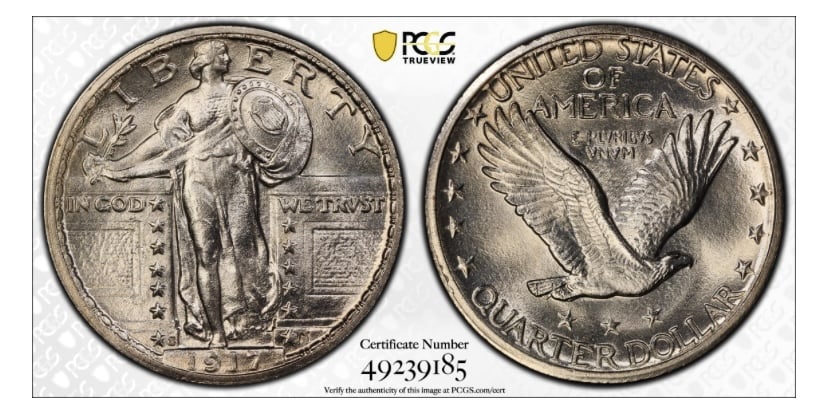
Under 10x magnification, look for these smoking guns of authenticity:
- Micro-serrations on letter edges – casting can’t replicate hubbing marks
- Die polish lines radiating from Liberty’s crown like tiny sunbeams
- Natural metal flow at device borders – fakes often show melted appearances
Fakes Exposed: Know Your Enemy
Type 1: Cast Counterfeits (The Obvious Imposters)
Accounting for most bargain-bin ‘deals’:
- Surface pitting visible under any loupe
- Denticles that can’t count – 142 vs. the genuine 138
- Weight typically under 26g – silver’s density is hard to fake
Type 2: Struck Fakes (The Wolves in Sheep’s Clothing)
Modern forgeries that test your skills:
- 80% silver content to cheat XRF guns
- Die markers copied from slabbed coins – but always slightly ‘off’
- Micro-porosity in protected areas – like Liberty’s neck grooves
Type 3: Altered Dates (The Heartbreakers)
Modified 1922-1928 dollars that prey on hope:
- Tool marks hiding under the ‘1921’ date – oblique lighting reveals all
- Relief height mismatch – 0.8mm vs. genuine 1.2mm
- Missing die cracks unique to 1921 hubs
Professional Authentication: Beyond the Loupe
When serious money’s at stake, here’s how the experts play:
- Precision Weighing: ISO-certified scales in climate-controlled rooms
- Magnetic Susceptibility: Measures subtle reactions (χ = -1.5 to -2.0 ×10⁻⁵)
- Die Forensics: 40x microscopy comparing every denticle
- Specific Gravity: 10.30-10.34 catches tungsten cores
- Ultrasonic Testing: Maps silver thickness like medical imaging
“That moment when oblique lighting reveals tool marks on a ‘mint condition’ coin? It’s like watching a ghost fade away.” – PCGS Senior Grader
Market Wisdom: Balancing Value and Vigilance
While genuine AU-55 examples trade for $1,200-$1,800, the counterfeit risk reshapes the game:
- Raw coins under $1,000? Assume 83% have issues until proven otherwise
- PCGS/NGC slabs add 15-25% premium – cheap insurance for peace of mind
- Demand these three documents:
- XRF composition reports – silver percentage tells tales
- 60x die marker closeups – compare feather by feather
- Provenance paper trails – old collection tags add comfort
Final Thoughts: Guardians of Numismatic Truth
The 1921 Peace Dollar isn’t just metal – it’s a story. A story of artistry struggling against practical minting, of hope stamped into silver, of history you can hold. As counterfeiters grow more sophisticated, our responsibility deepens. By mastering weight tolerances, magnetic responses, and die diagnostics, we don’t just protect our investments – we preserve numismatic legacy. Remember: Every authentic 1921 Peace Dollar that survives in collector hands is a victory against those who’d rewrite history with fake dies and false silver.
Related Resources
You might also find these related articles helpful:
- Unlocking Hidden Treasure: The Error Coin Hunter’s Guide to High-Value Varieties – Ever glance at a coin and wonder if you’re holding a hidden treasure? While most folks see minor imperfections as …
- 1802 Draped Bust Half Dollar: A Numismatic Window Into Jeffersonian America – The Historical Significance of America’s Early Coinage What secrets does this 1802 silver piece whisper across two…
- Beyond Book Value: Appraising Recent Collector Acquisitions in Today’s Competitive Market – The Reality of Modern Numismatic Valuation Forget price guides – true numismatic value lives where rarity meets pa…
