


Preserving History: Expert Conservation Strategies for the Elusive Elizabeth II Pattern Halfcrown
January 12, 2026The Collector’s Edge: Acquiring Elizabeth II Pattern Halfcrown Obverse Variants with Market Savvy
January 12, 2026
Not Every Coin Yields to the Jeweler’s Hammer
After twenty years of transforming history into wearable art, I’ve learned a vital lesson whispered by every coin beneath my mandrel: some pieces demand preservation, not transformation. The recent stir over this alleged Pattern Elizabeth II Halfcrown Obverse – now debated across collectors’ forums and auction houses – presents the perfect crossroads of numismatic value and craftsmanship. Let’s examine whether this intriguing piece belongs on your workbench or in your preservation cabinet.
Metal Composition: The Soul Beneath the Surface
Noonan’s Auction documentation suggests a copper-nickel composition – news that should make any artisan’s hammer hesitate:
- Malleability Matters: At 80-120 HV, copper-nickel fights forming tools with nearly double the resistance of sterling silver. Expect marathon annealing sessions to coax it into shape
- Skin Stories: That 25% nickel content isn’t just stubborn – it’s a potential irritant for 10-15% of wearers based on clinical studies
- Patina Problems: While corrosion-resistant, copper-nickel develops a dull, lifeless tone that lacks silver’s enduring luster
“Surfaces virtually flawless with slight Proof-like quality” – Forum User 7Jaguars
That fleeting proof-like flash? It vanishes at first strike of the hammer. What remains is a metal with all the charm of a museum guard rail – functional but devoid of warmth.
Design Details: Beauty Worth Preserving?
Forum debates actually reveal why this piece tempts artisans:
Obverse Obsession
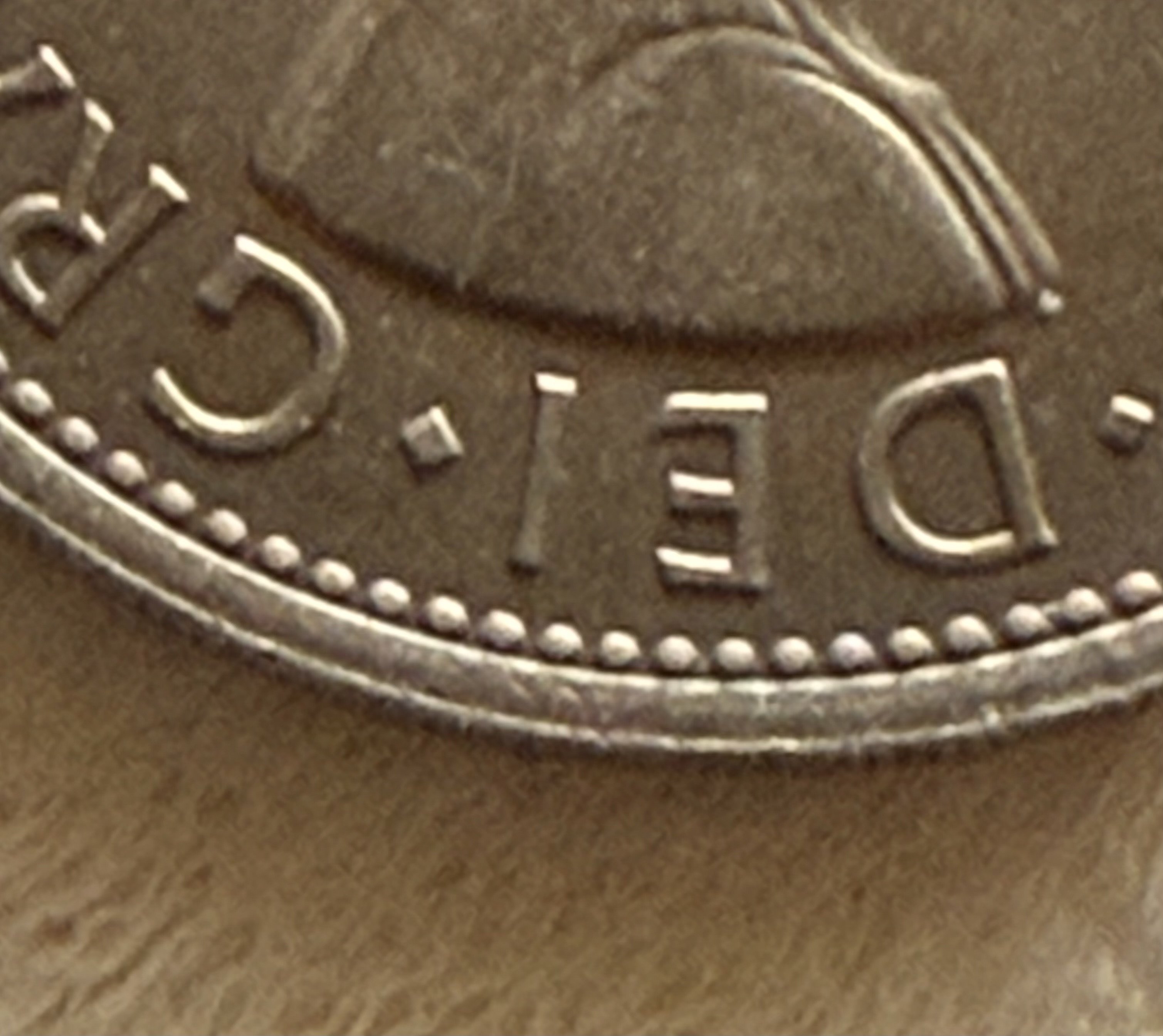
- Provenance Clues: The telltale “I” in DEI aligns perfectly between beads – a fingerprint of 1953 patterns versus later currency
- Portrait Poetry: That “very deep impression” noted by collectors translates to crisp detail retention during forming
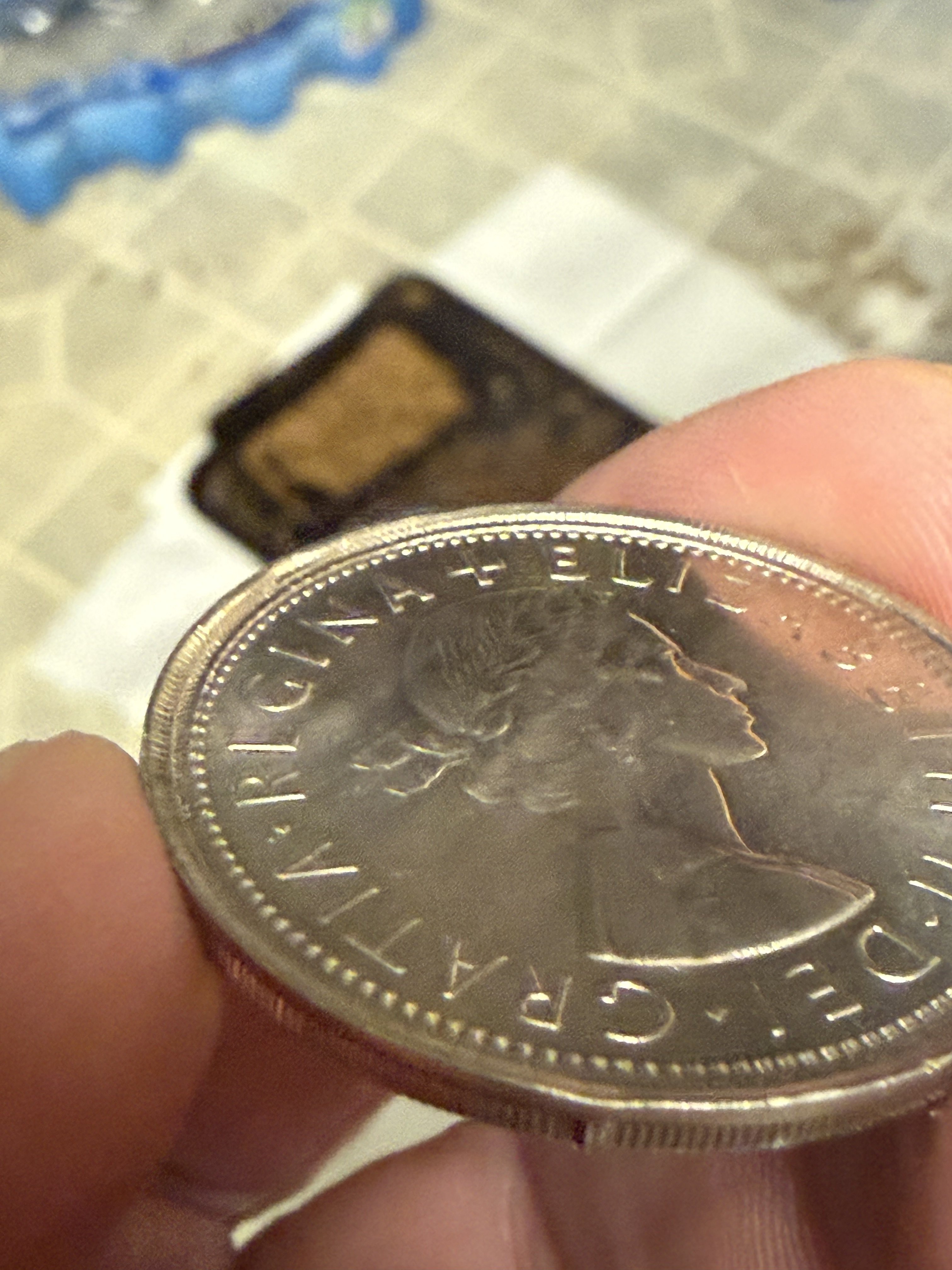
- Edge Excellence: Macro shots reveal milling so sharp it could tell its own story
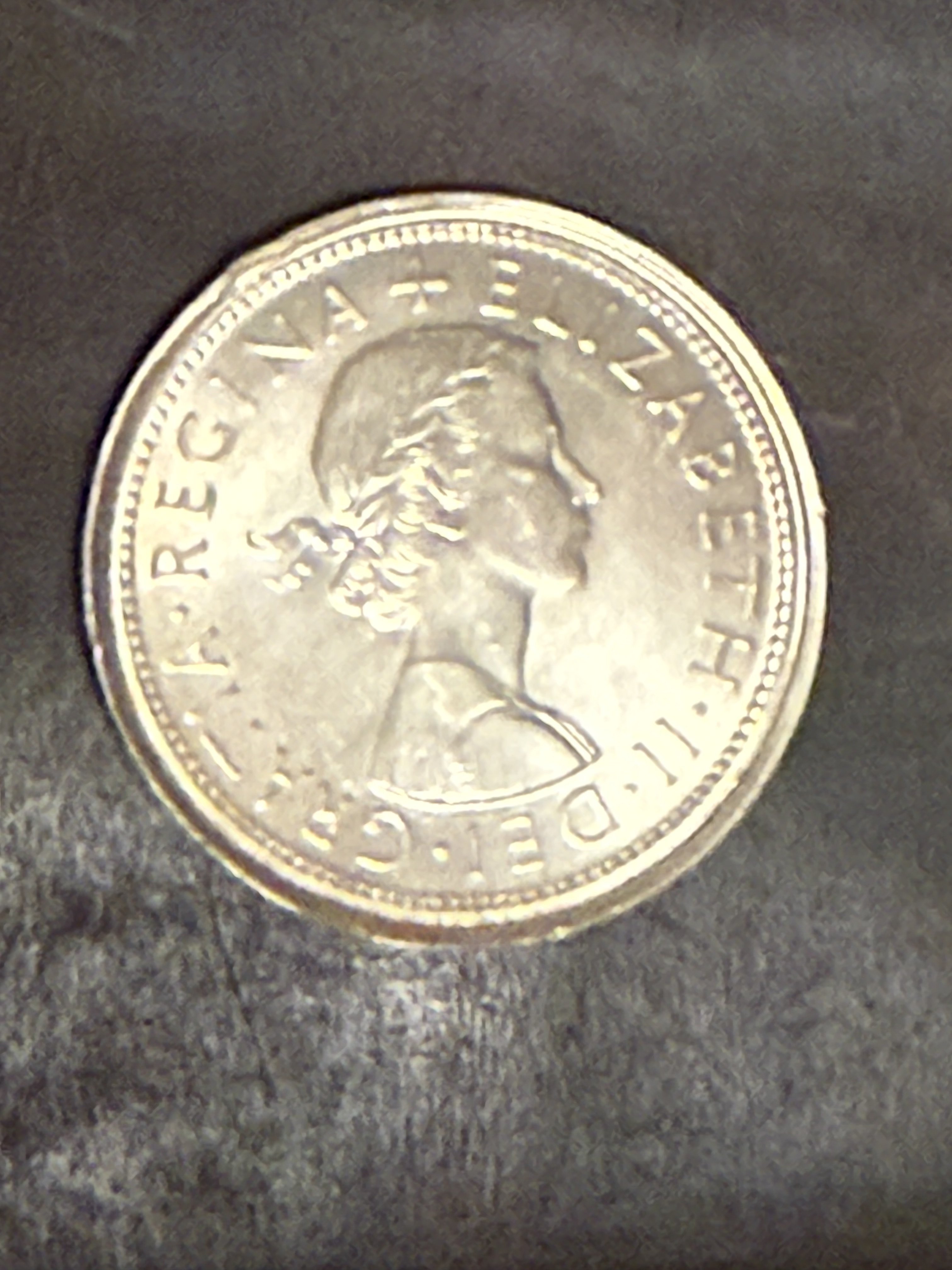
Here lies our dilemma – that potential 66-67 grade makes this piece museum-worthy. Sacrificing such eye appeal for a ring feels like melting a Stradivarius for kindling.
Historical Significance: The Collector’s Conundrum
The authentication debate isn’t academic – it’s ethical:
| Argument | Pattern Claim | Error Strike Claim |
|---|---|---|
| Strike Quality | “Superior strike” with specimen luster | Matches normal currency strikes |
| Planchet Evidence | Upset rim shows no indentations | Matches uniface error characteristics |
| Design Variants | Obverse I characteristics present | Matches 1964 currency alignment |
As one dissenting forumer wisely noted:
“A bold strike and flashy fields don’t automatically mean special status”
Crafting Reality Check
Scales of justice for the artisan’s workshop:
- PROS
- High relief translates to stunning dimensional rings
- Broadstrike tendencies (if present) mean less stretching effort
- Scalloped edges create signature textured bands collectors adore
- CONS
- Potential rare variety status makes this historical rocket fuel
- Nickel content requires uncomfortable client conversations
- 30% longer annealing time than silver – your torch will protest
Artisan Alternatives That Won’t Haunt You
For guilt-free crafting glory:
- 1961 Proof-like Halfcrown
- Identical majesty in workhorse .500 silver
- PL designation guarantees mirror fields that sing under studio lights
- 1953 Coronation Crown
- Proper sterling (.925) composition that purrs under the hammer
- Portrait depth that survives transformation with regal dignity
The Final Verdict: Let History Breathe
While technically convertible, this Pattern/Error Halfcrown embodies our craft’s great ethical divide. Its murky provenance and forum-noted “scintillating luster” suggest a specimen better suited for NGC slabs than wedding bands. Combine that with copper-nickel’s clinical coldness, and the choice becomes clear.
For artisans seeking Elizabethan elegance, I’ll shout it from the workshop roof: stick to confirmed silver issues. Let controversial pieces like this rest in collections – some coins carry history too heavy for human fingers. Their stories deserve preservation, not reformation.
Related Resources
You might also find these related articles helpful:
- Preserving History: Expert Conservation Strategies for the Elusive Elizabeth II Pattern Halfcrown – The Fragile Legacy of a Royal Enigma Few things break a collector’s heart like seeing history corrode before our e…
- Unlocking the Secrets of the 1953 Elizabeth II Pattern Halfcrown: How Minute Details Separate $10 Coins from $1,000 Treasures – The Critical Importance of Condition In numismatics, condition isn’t just important—it’s everything. When ex…
- The Pattern Elizabeth II Halfcrown Obverse: An Expert Authentication Guide to Spotting Fakes – Counterfeit Crisis: Why Diagnostic Details Make or Break This Royal Rarity The Pattern Elizabeth II Halfcrown Obverse is…
