


Smart Buying Guide: How to Buy 1913 Type 1 and Type 2 Buffalo Nickels Without Getting Ripped Off
January 16, 20261913 Buffalo Nickels: Bullion Value vs. Collector Premium Explained for Investors
January 16, 2026
Treasure Hunts Aren’t Just for Dealers
Let me share a hard-earned truth from decades of roll hunting: Some of the most exciting numismatic discoveries happen far from dealer showcases. As someone who’s sifted through mountains of bulk lots and dug through countless estate sale jars, I can tell you 1913 Buffalo Nickels still whisper to us from the wild. But the real magic lies in spotting those legendary Type 1 and Type 2 variations – the holy grails that quicken every collector’s pulse. Recent forum debates about proof Buffalo Nickels reveal exactly what separates ordinary pocket change from extraordinary finds when you’re cherry-picking through circulated coins.
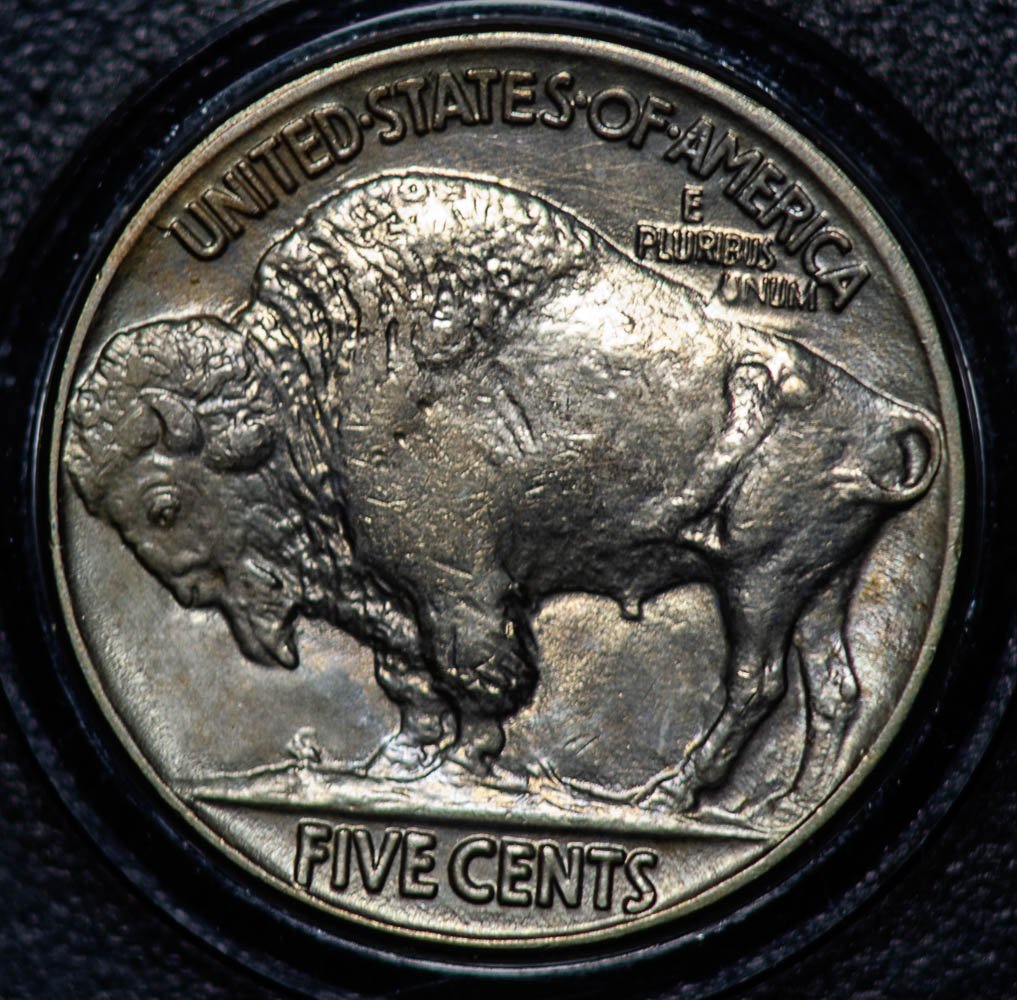
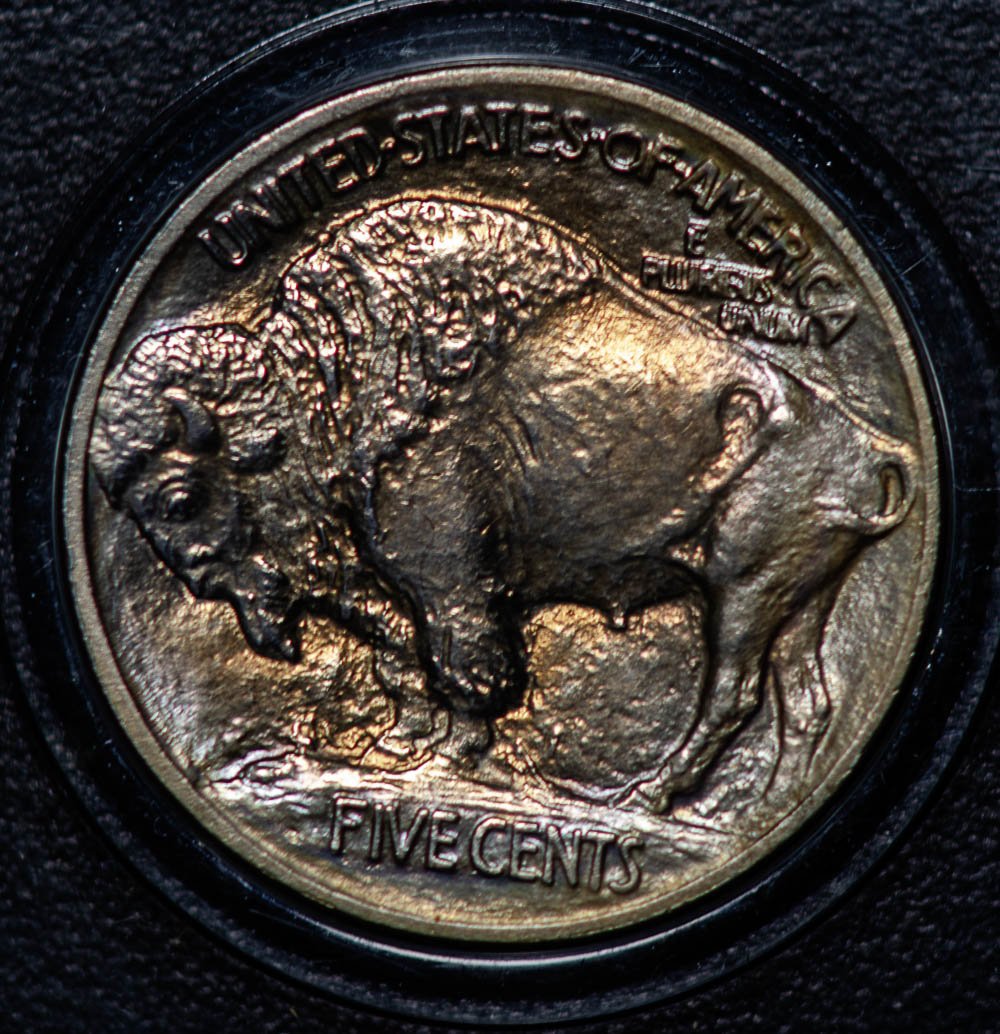
Why 1913 Buffalo Nickels Still Make Hearts Race
The 1913 series captures American numismatic history in motion – a single year with three distinct personalities:
- Type 1 (Early 1913): Those bold but vulnerable raised mounds under “FIVE CENTS” that surrendered to circulation within months
- Type 2 (Mid 1913): The practical redesign with recessed lettering that finally stood up to commerce
- Matte Proofs: Less than 2,000 created, each bearing that signature sandblasted texture coveted by specialists
When forum veteran Jim observed, “Many Type 1 Philadelphia coins are hammered,” he wasn’t exaggerating. That’s precisely why finding one with strong luster and minimal wear feels like uncovering buried treasure. These survivors carry immense collectibility despite their Philadelphia mintages.
Proof or Circulation Strike? Your Eye-Training Guide
The Rim Never Lies
Next time you’re sorting through an estate sale coin jar or dealer junk bin, make this your mantra:
“Rims tell truths that surfaces sometimes hide.”
True proofs boast knife-edge rims – inside and out – while even choice circulation strikes show subtle rounding. Study those forum comparison photos closely, and you’ll see how circulated examples whisper while proofs shout.
Surface Personality
Authentic proofs flaunt either mirror-polished fields (later issues) or the distinctive “matte canvas” texture seen in Steve’s exemplary coins:
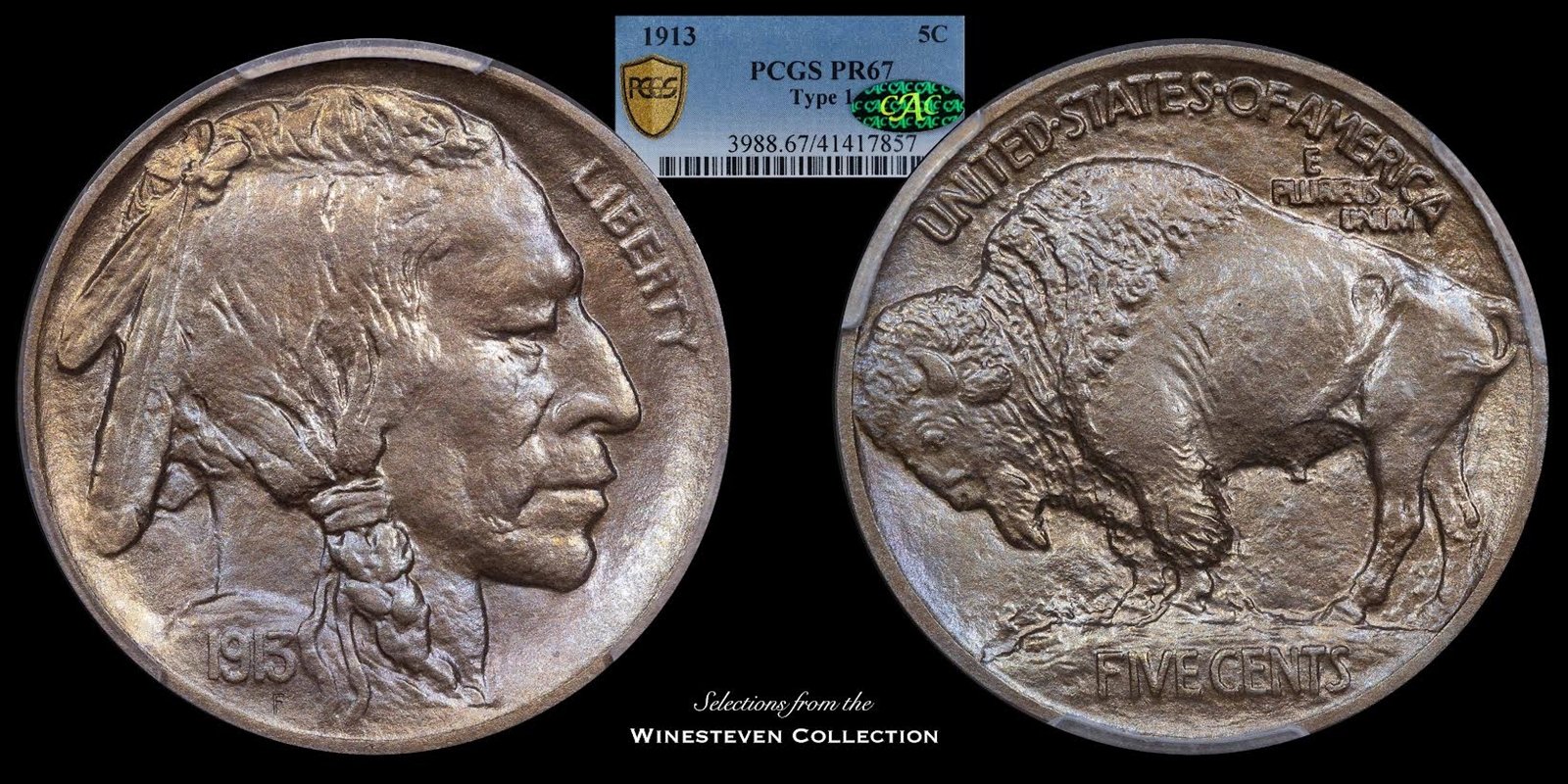
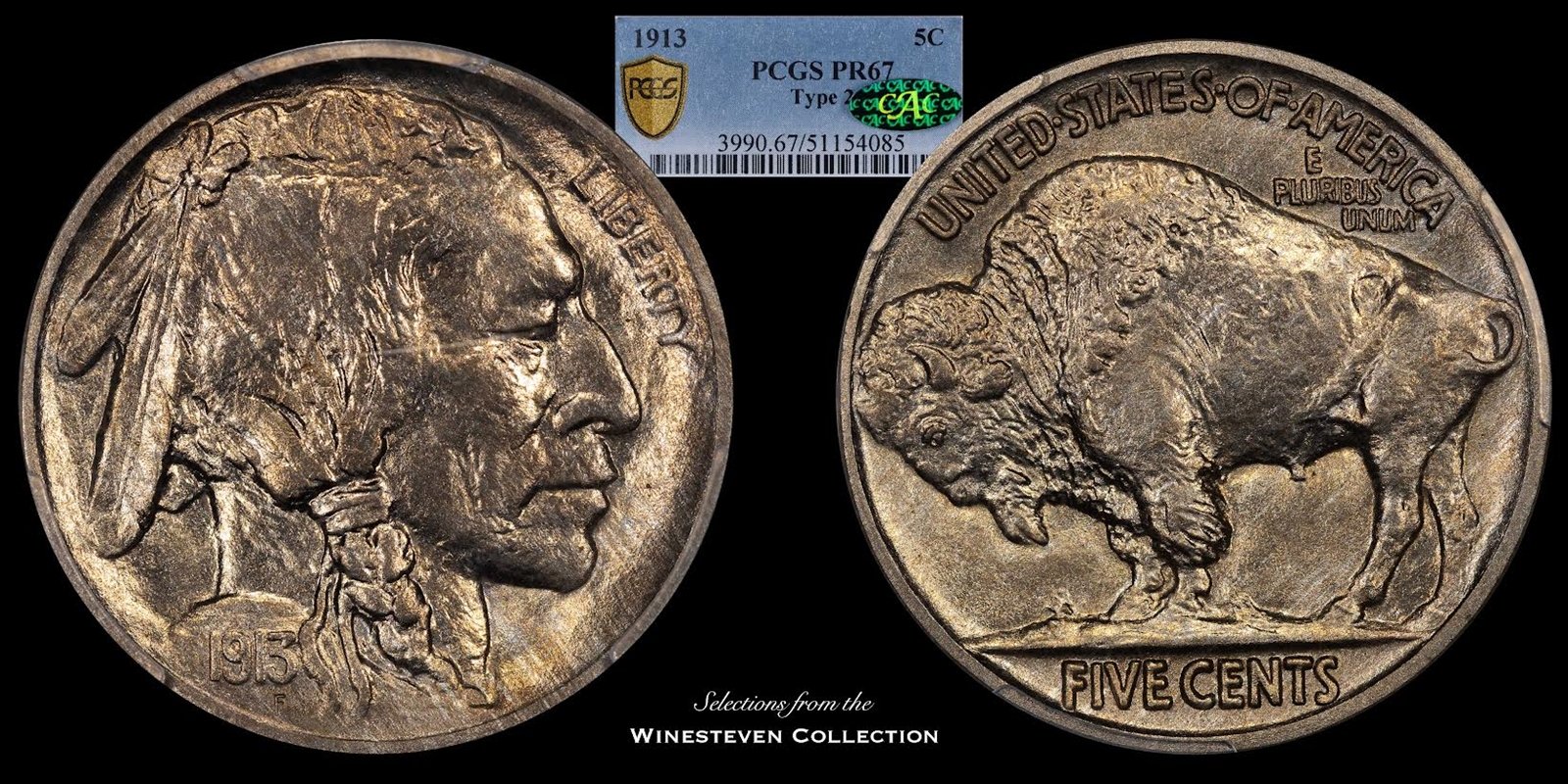
Circulation strikes? They’ll show honest mint luster, maybe some appealing patina, but never that intentional texture contrast between field and device. The forum’s Type 1 example perfectly illustrates this – attractive eye appeal, yet unmistakably commercial in origin.
Strike Quality – The Devil’s in the Details
Proof Buffalo Nickels are perfectionists: Every feather on the eagle, every strand in the braid strikes with purpose. Compare this to the Type 1’s typical flattening on the Indian’s cheekbone and the bison’s horn. As one sharp-eyed forum member noted: “Both look like circulation strikes, not Proofs” based precisely on these telltale softness points in the metal flow.
Where Variety Hunters Score Big
My Golden Hunting Grounds
Through years of successful searches, I’ve learned Buffalo Nickels favor these habitats:
- Estate sales advertising “grandpa’s coin jar”
- Bank-wrapped nickel rolls with crusty old enders
- The $1 junk bins at coin show periphery tables
- Poorly-photographed online “mixed date” lots
When the forum poster mentioned his 60-year veteran dealer friend amassed “thousands of common date circulated Buffalos,” I nodded in recognition. That’s precisely where rare varieties love to hide – in plain sight among the ordinary.
Your Buffalo Variety Cheat Sheet
Always keep these prize fighters on your radar:
- 1913-S Type 2 (The undisputed key date)
- 1913-D Type 1 (Denver’s semi-key with serious collectibility)
- 1916/16 Doubled Die Obverse (Doubling visible in date)
- 1935 Doubled Die Reverse (Look for doubling on “FIVE CENTS”)
- 1937-D Three-Legged (The overpolished legend)
Notice how the forum specialist said: “I specialize in buffalo varieties but know squat about proofs”? That’s wisdom speaking. In circulated material, variety knowledge often beats proof hunting for both fun and profit.
Real-World Values: Knowledge Equals Profit
| Coin | Circulated Value | Proof Value |
|---|---|---|
| 1913 Type 1 (Phila) | $5-$25* | $3,500+ |
| 1913 Type 2 (Phila) | $3-$15 | $2,800+ |
*Exceptional eye appeal can triple Type 1 values
While the forum coins weren’t proofs, that “Great looking type 1” comment highlights a crucial truth: Eye appeal moves markets. Even circulated Buffalo Nickels with original luster and minimal contact marks command premium prices. And remember – no mint mark means Philadelphia origin for 1913 issues.
The Collector’s Verdict
Our forum discussion reveals a beautiful tension in numismatics: The hope of finding a proof Buffalo Nickel battles with the reality of their rarity. But here’s what excites me – by mastering proof diagnostics, you’ll naturally spot other valuable finds. The 1913 Buffalo Nickels, especially those fleeting Type 1 issues, remain the ultimate roll hunter’s prey because:
- Their transitional nature sparks collector passion
- Type 1 coins usually show heavy wear – making mint state survivors shine
- Most non-collectors lump all Buffalo Nickels together
- Estate finds still yield these 110-year-old legends
When a forum member declared, “I also vote ‘no’ yet do find them attractive, even if they are common,” they captured our shared obsession perfectly. We find beauty where others see base metal, value where others see face value. Whether you’re cracking bank rolls or negotiating at estate sales, remember: The 1913 Buffalo Nickel remains one of the last series where extraordinary discoveries still happen in ordinary places. Now grab your loupe and go make some history.
Related Resources
You might also find these related articles helpful:
- Smart Buying Guide: How to Buy 1913 Type 1 and Type 2 Buffalo Nickels Without Getting Ripped Off – If you’re hunting for 1913 Type 1 or Type 2 Buffalo Nickels, let me share the secrets I’ve learned from deca…
- Crafting Potential of 1913 Buffalo Nickels: A Coin Ring Artisan’s Guide to Metal, Design, and Value – Introduction Not every coin deserves to become jewelry – some belong in collections, others in history books. As a…
- Preserving 1913 Buffalo Nickels: Expert Conservation Strategies for Type 1 and Type 2 Varieties – The Fragile Legacy of America’s Buffalo Nickel Few things pain a numismatist more than seeing a historic coin’s nu…
