


Mining the Mint: The Bullion Investor’s Guide to Silver Content in 19th Century Coinage
January 18, 2026Chain Cents: America’s Controversial Founding Coin and Why They’re Treasured Today
January 18, 2026
Unlocking the true worth of an 1793 Chain Cent means seeing beyond price guides and tapping into what makes collectors’ hearts race. As America’s numismatic birth certificate, this copper pioneer doesn’t just whisper history – it shouts our nation’s financial infancy. Through three decades of handling these treasures, I’ve learned their value lives in the marriage of historical weight and eye-watering scarcity.
A Nation’s Numismatic Genesis
When the Chain Cent tumbled from Philadelphia Mint presses in 1793, it didn’t just carry one cent’s worth of copper – it bore the full weight of a fledgling nation’s economic aspirations. Henry Voigt’s design, featuring 13 interlocking links symbolizing colonial unity, sparked immediate controversy (critics wrongly saw shackles rather than solidarity). The fragile minting process yielded coins with wildly varying strikes, their surfaces ranging from mushy to knife-edge sharp. Within months, public outcry forced a redesign, transforming surviving specimens into instant legends.
The Population Mirage
PCGS population reports list about 125-150 certified examples, but here’s where things get interesting. As one battle-tested collector noted on the forums:
‘Those numbers lie smoother than a politician before election day. Between resubmissions and details coins, straight-grade pieces above VG8 could fit in a single display case.’
My professional experience confirms this – perhaps 75-90 Chain Cents retain original surfaces worthy of problem-free grading. That haunting scarcity explains why collectors willingly mortgage beach houses for specimens boasting untouched chocolate-brown patina.
Market Realities: Where Lust Meets Luster
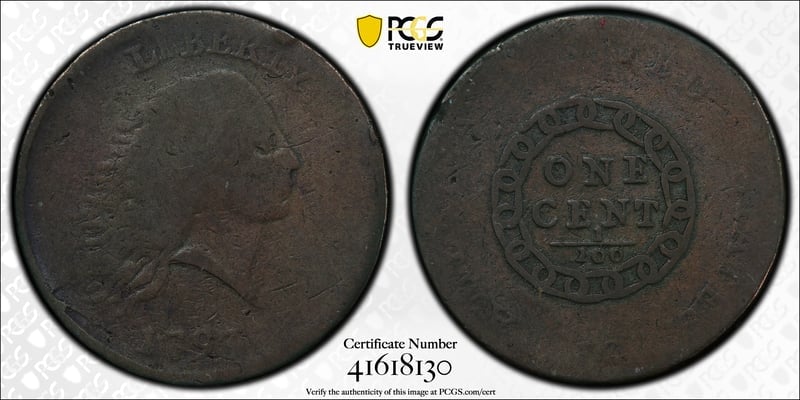
While entry-level coins with environmental damage start around $25,000, the market stratifies faster than a Bordeaux wine list:
- VG8 Details (Date Legible): $25K-$35K – The “gateway drug” for new collectors
- Fine12 Straight Grade: $55K-$75K – Where original luster begins whispering
- Choice AU CAC-Approved: $200K+ – The realm of museum-quality eye appeal
That stunning PCGS-6 example pictured here? Its CAC green sticker isn’t just approval – it’s numismatic knighthood. When surfaces sing with original color and strike like this, collectors open checkbooks like they’re tearing tissue paper.
Auction Thunder: Reading the Tea Leaves
Recent hammer prices reveal what makes specialists salivate:
- A PCGS VF20’s $126,500 result in 2021 (46% above estimate) wasn’t a fluke – it was proof of untouched surfaces’ power
- That NGC VF35 fetching $72K despite environmental damage? Testament to date collectors’ desperation
- Private treaty sales now dominate the ultra-high-end market, where discretion trumps auction theatrics
These jaw-dropping results confirm two truths: originality outweighs technical grade, and CAC’s green bean might as well be printed on emerald-colored hundred-dollar bills.
Four Pillars of Value
1. Condition Survival: Miracles of Preservation
Finding a Chain Cent escaping 230 years without corrosion or cleaning is like discovering dry gunpowder at the bottom of the Atlantic. Coins retaining original mint bloom? Those trade like holy relics.
2. The Eye Appeal Rebellion
“Give me a details coin with soul over a scrubbed ‘gem’ any day,” confessed one collector. When a coin’s toning dances like sunset on copper or its strike bites like a winter wind, technical flaws fade into background noise.
3. The CAC Effect
That little green sticker has rewritten valuation math. CAC-approved coins don’t just sell faster – they spark bidding wars that leave auctioneers hoarse. Their rigorous eye appeal standards have become the market’s gold standard.
4. Provenance Poetry
A Chain Cent that once graced the Col. Green or Eliasberg collection carries magic beyond metal. These coins whisper stories across generations, their pedigrees adding 15-25% premiums before the bidding even starts.
Investment Wisdom: Balancing Heart and Portfolio
While Chain Cents have delivered steady 7-9% annual returns, smart collectors play the long game:
- Pros: Fixed supply (Mother Nature isn’t making more 1793s), blue-chip historical status, white-glove estate demand
- Cons: Economic sensitivity (recessions hit six-figure coins first), painful illiquidity, authentication headaches
The sweet spot? Target VG8 to VF20 specimens with original surfaces. As one forum sage noted: “You’re not buying copper – you’re buying America’s financial dawn.” That emotional resonance fuels demand no spreadsheet can quantify.
Conclusion: Copper That Outshines Gold
The 1793 Chain Cent remains numismatics’ ultimate paradox – humble copper discs that outvalue their weight in gold. While $25,000 buys a damaged example, true collectors understand: you’re not purchasing metal, but immortality. These coins embody our nation’s scrappy financial beginnings, each surviving specimen a miracle against time’s cruelty. As our featured collector proved, patience and knowledge still uncover opportunities. For those who appreciate history’s tangible touch, who value provenance over precious metals, the Chain Cent isn’t just collectible – it’s sacred. Hold one, and you’re not just holding copper. You’re cradling America’s monetary soul.
Related Resources
You might also find these related articles helpful:
- Mining the Mint: The Bullion Investor’s Guide to Silver Content in 19th Century Coinage – When Metal Outshines Face Value: The Hidden Stories in Your Silver Coins There’s nothing quite like holding a silv…
- Authenticating Your 1867-1876 San Francisco Silver: Proven Techniques to Weed Out Fakes – Why Authentication Matters More Than Ever The hunt for 1867-1876 San Francisco Mint silver coins feels like stepping int…
- Is Your 2026 Semiquincentennial Commemorative Half Dollar Real? How to Spot a Fake – As we approach America’s monumental 250th birthday in 2026, collectors’ hands are trembling with anticipatio…
