


Rotated Die Rarity: Investment Potential of 1888-O Morgan Dollars in Today’s Collector Market
January 19, 2026Unlocking Hidden Fortunes: The Ultimate Guide to Rotated Die Errors on Morgan Dollars and Beyond
January 19, 2026
Every coin whispers secrets if you know how to listen. When you hold an 1888-O Morgan dollar with rotated die errors, you’re not just examining silver – you’re holding a relic from the New Orleans Mint’s most chaotic chapter. These misaligned marvels reveal more than minting mishaps; they’re tangible records of America’s industrial growing pains, stamped into every degree of rotation. Let’s explore why these errors captivate collectors and historians alike.
Historical Significance: The Perfect Storm at the New Orleans Mint
Picture this: 1888 America – a nation transforming into an industrial titan. The Bland-Allison Act forced mints to churn out mountains of silver dollars, and the New Orleans facility buckled under pressure. Mint Director Charles E. Barber’s reports read like a horror story for numismatists: “inadequate technical supervision,” skeleton crews, and repurposed equipment. This was the pressure cooker that birthed stunning rotated die errors like the VAM-9 Morgans. Unlike Philadelphia’s precision, New Orleans dies literally spun out of control, creating rare varieties that command premium prices today. When Barber complained workers lacked mechanical aptitude, he unknowingly wrote the origin story for some of America’s most collectible error coins.
Minting History Under Pressure
Imagine the clang of presses striking 35,000 silver dollars daily with aging equipment. The 1888-O Morgans show this strain in their very metal. Without Philadelphia’s rotation-prevention tech, worn collar pins let reverse dies creep incrementally – sometimes completing a full 180° spin during marathon minting sessions. A recently discovered roll proves these rotations weren’t isolated incidents but systemic failures. Numismatic detective work reveals telltale signs: slight doubling on Liberty’s neck and those distinctive reverse denticles. For collectors, finding these markers on a well-preserved specimen with original luster feels like unearthing buried treasure.
The 1839-O Quarter Eagle Connection
New Orleans’ rotation saga began decades earlier with its inaugural gold issue. The 1839-O Quarter Eagle frequently displays jaw-dropping 180° rotations – rookie mistakes from workers grappling with steam-powered presses. 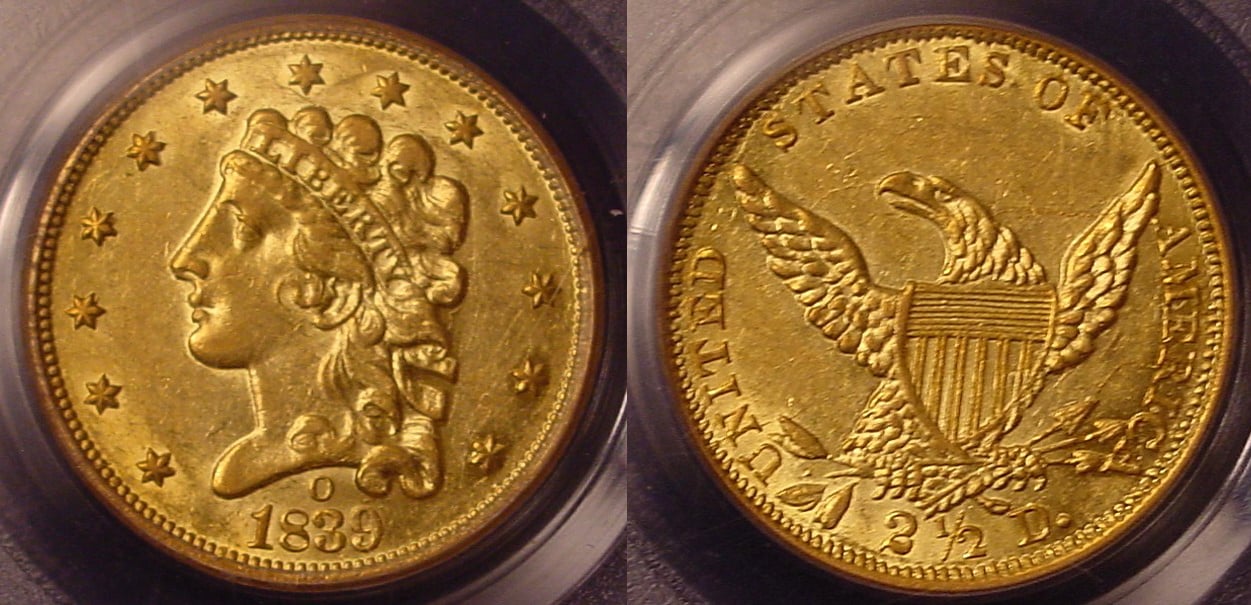 shows a spectacular example where eagle and shield play a numismatic game of twister. These early errors foreshadowed systemic issues, making them prized centerpieces for serious collections. Their rarity and historical significance create exceptional numismatic value, especially when found in mint condition.
Political Context: Silver Politics and Mechanic Neglect
Rotated dies aren’t just mechanical failures – they’re political statements in silver. The Coinage Act of 1873 ignited a monetary civil war: Western silver interests versus Eastern gold bugs. New Orleans became collateral damage, receiving barely 60% of Philadelphia’s maintenance budget despite handling nearly a third of silver dollar production. Imagine overworked technicians earning half the wage of their Northern counterparts, cranking out coins through 12-hour shifts. The VAM-9 rotations document this neglect in sobering detail. Each degree of misalignment tells of cut corners and impossible quotas – a Gilded Age drama frozen in silver.
Why Were Rotated Dies Created?
Forget sudden breakdowns – these errors resulted from gradual system failures. As veteran collector “MessyDesk” observed, rotations developed over hours of continuous striking. Four key factors created these collectible quirks:
- Worn die retention collars: Designed for bi-weekly replacement but stretched to quarterly during metal shortages
- Humidity battles: New Orleans’ swampy air caused steam pressure swings
- Loose set screws: Vibrations from relentless production loosened critical components
- Chaotic bagging: Unlike orderly Philadelphia batches, New Orleans dumped coins indiscriminately – preserving errors across multiple bags
Identifying Key Markers
Spotting these treasures requires a collector’s eye. Remember: Morgans use “coin turn” alignment – the reverse should flip 180° when turned vertically. Any variance signals rotation. Here’s how the pros verify:
Slab Examination Techniques
Don’t trust face-only images! Full slab shots reveal secrets standard photos miss. 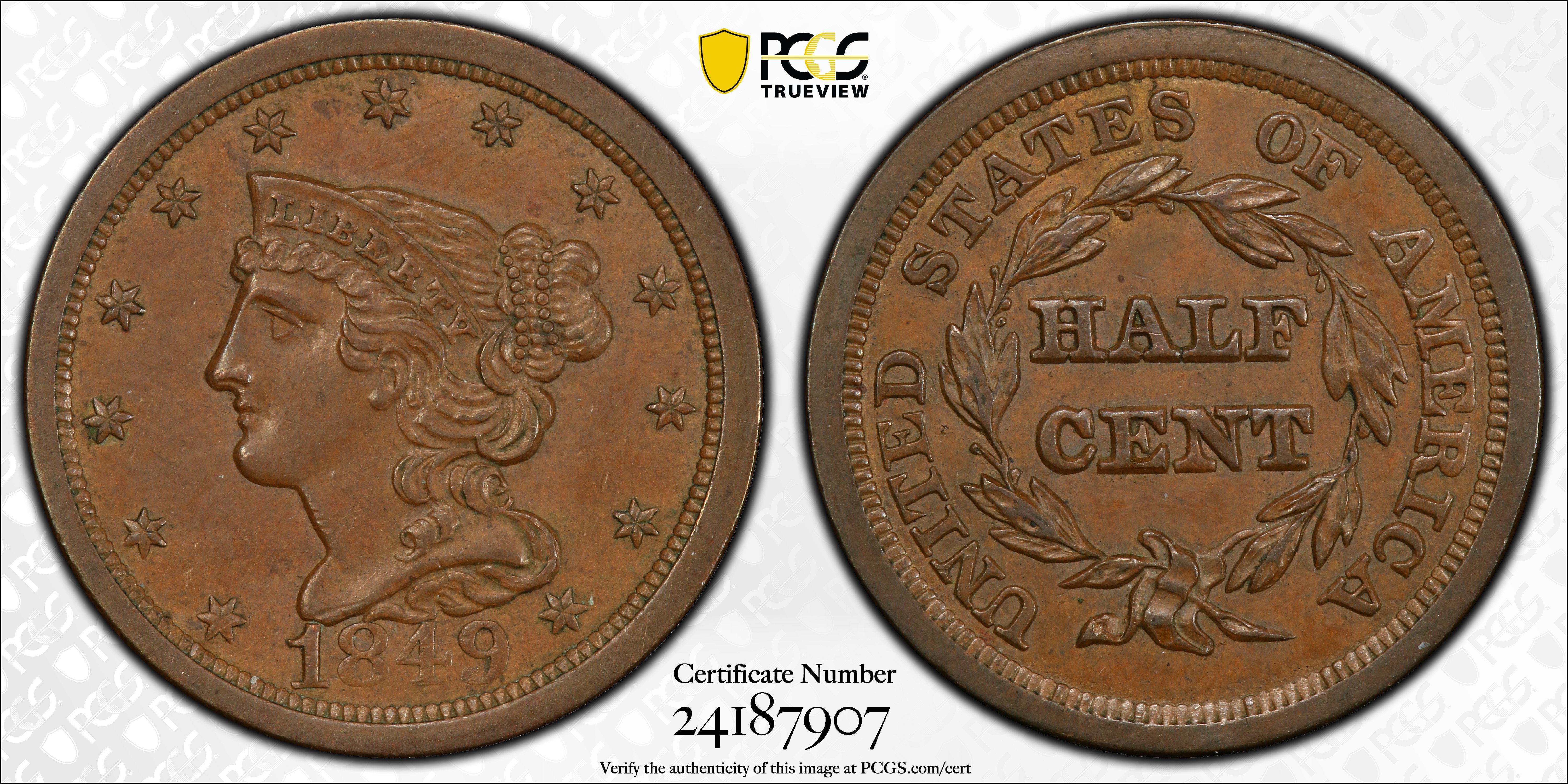 demonstrates how rotation becomes obvious when viewing both sides simultaneously. NGC and PCGS now note significant rotations on labels – a game-changer for authentication.
Rotation Hotspots
Certain issues are rotation magnets:
- Morgan Dollars: 1888-O VAM-9 (15°-180°), 1879-S varieties
- Early Gold: 1839-O Quarter Eagles (often dramatic 180° turns)
- Half Cents: Many display subtle 20°-45° spins
- Jefferson Nickels: Wartime issues with consistent 30° rotations
Value Guide: Errors as Historical Artifacts
Three factors determine numismatic value: rotation severity, documentation, and eye appeal. Premiums skyrocket beyond 45° when errors become visually striking. Current market trends show:
- 1888-O Morgan VAM-9 rotations:
- 15°-45°: $125-$300 (especially with original cartwheel luster)
- 45°-90°: $400-$900 (visible misalignment commands attention)
- 90°-150°: $1,500-$4,000 (major collectibility factor)
- 150°-180°: $8,000+ (certified showpieces only)
- 1839-O Quarter Eagle 180° rotation: $25,000-$45,000 (historical significance triples normal value)
- Jefferson Nickel rotations: $75-$250 (depending on strike sharpness and patina)
The legendary progressive rotation roll (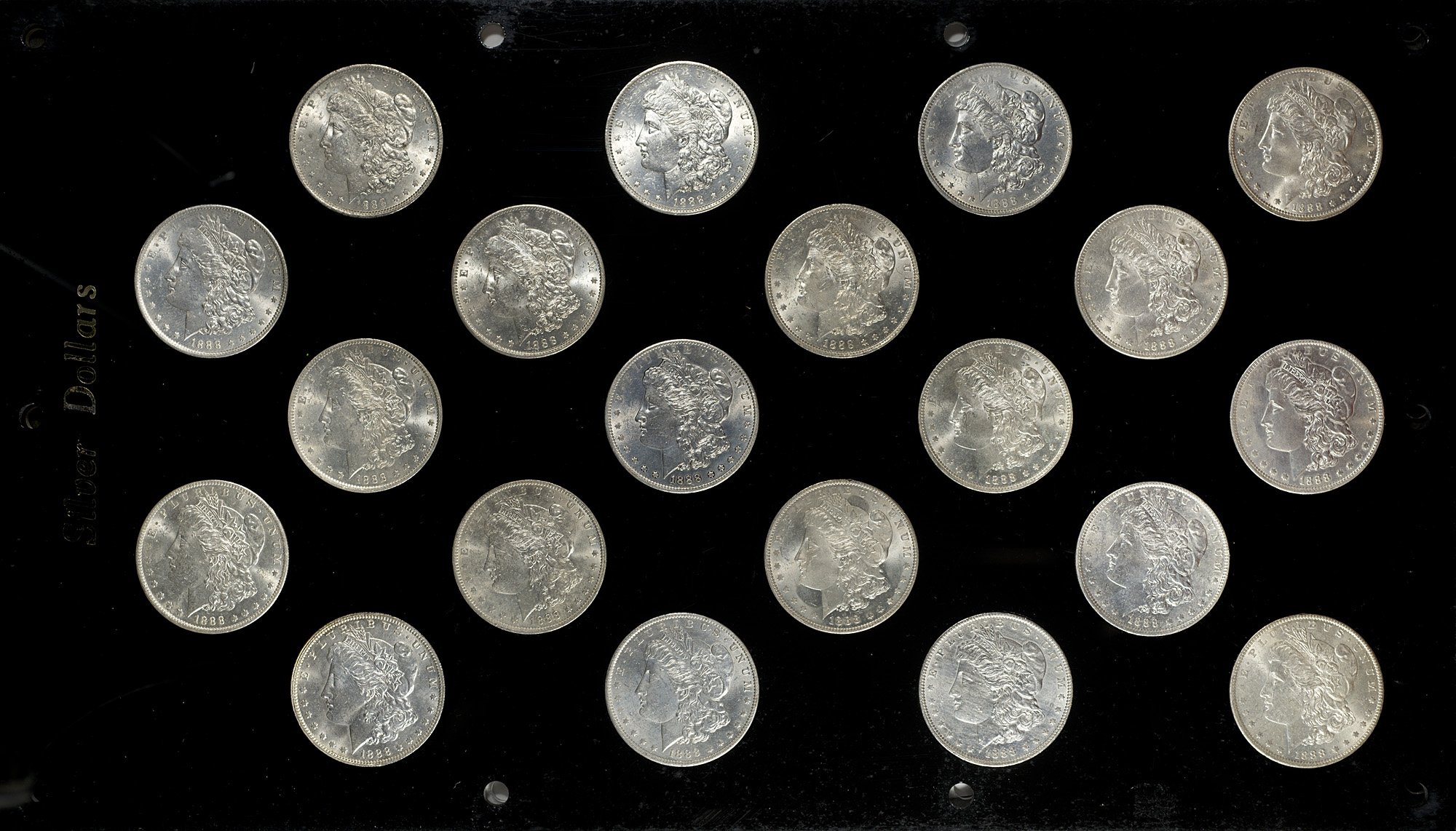 ) stands as a numismatic time capsule, privately valued above $150,000 for its unmatched documentary importance.
Conclusion: The Enduring Legacy of Imperfection
These rotated dies transcend error coin status – they’re bronze-and-silver history books. Each misaligned strike preserves the New Orleans Mint’s struggle against impossible odds. For collectors, they offer dual rewards: appreciating numismatic value and profound historical connection. Whether you’re drawn to the 1888-O VAM-9’s industrial drama or the 1839-O Quarter Eagle’s rookie mistakes, these coins remind us that perfection tells fewer stories than glorious, hard-won imperfection. In their rotations, we find America’s industrial adolescence – messy, pressured, and utterly fascinating.
Related Resources
You might also find these related articles helpful:
- Rotated Die Rarity: Investment Potential of 1888-O Morgan Dollars in Today’s Collector Market – Unlocking the true numismatic value of rotated die Morgans demands more than just consulting price guides – it req…
- The Bullion Investor’s Guide to W Quarters: Melt Value vs. Numismatic Premiums – When the Story Outshines the Silver: A Collector’s Revelation Let’s explore one of modern numismatics’…
- Cherry Picking Modern Rarities: The Roll Hunter’s Guide to Finding W Quarters in Circulation – That heart-stopping moment when you spot a tiny ‘W’ glinting in your change? Pure numismatic magic. While de…
