


Decoding PCGS Gen 2.1 Holder Varieties: How Condition Impacts Value From $10 to $1,000
February 2, 2026Crafting Coin Rings from PCGS Gen 2.1 Holders: A Jewelry Maker’s Guide to Rare Slabs
February 2, 2026
The Silent Crisis in Numismatic Preservation
Every time I encounter a Gen 2.1 holder with PVC residue or stress cracks, I feel a pang of loss. These aren’t just plastic cases – they’re time capsules from numismatic history. Having handled thousands of certified coins, I’ve witnessed how improper care destroys both eye appeal and historical context. Today, I’ll share specialized preservation techniques honed through decades of collecting, ensuring your transitional PCGS holders protect their precious contents for generations.
Understanding PCGS Gen 2.1 Holders
The PCGS Generation 2.1 holders represent a thrilling chapter in certification history. Born between the beloved Doily era and modern slabs, these transitional guardians showcase three distinct varieties that serious collectors now pursue with passion:
- Fine perforation label (no PCGS text)
- Wide perforation label (no PCGS text)
- Wide perforation label with PCGS printed at top
“The outer rings can be removed from the 2.1/2.2 holder and used to fix a broken Doily. I bet that is why there are so few Gen 2.1/2.2 holders out there.” – Forum Contributor
This cannibalization for Doily repairs explains their extreme scarcity today. The Gen 2.2 variant – identifiable by its unique label characteristics – has become the holy grail for completionists.
The Three Varieties: Rarity and Identification
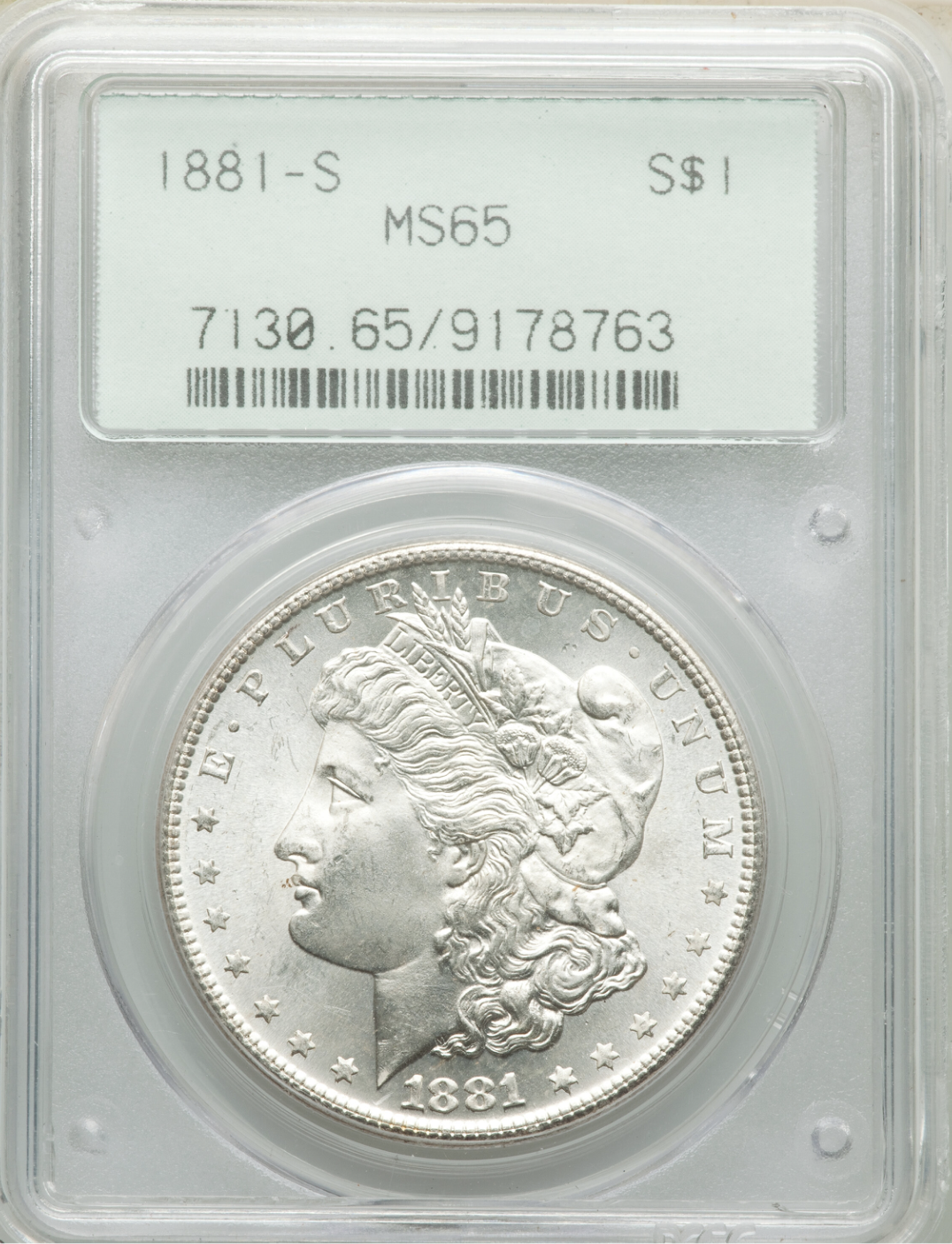
1. Fine Perforation (No PCGS Text)
As the most accessible Gen 2.1 variety, these holders captivate with their delicate craftsmanship. Key identifiers:
- Feather-light micro-perforations (about 20 per inch)
- Matte label stock with subtle texture
- Absence of PCGS branding – pure vintage appeal
2. Wide Perforation (No PCGS Text)
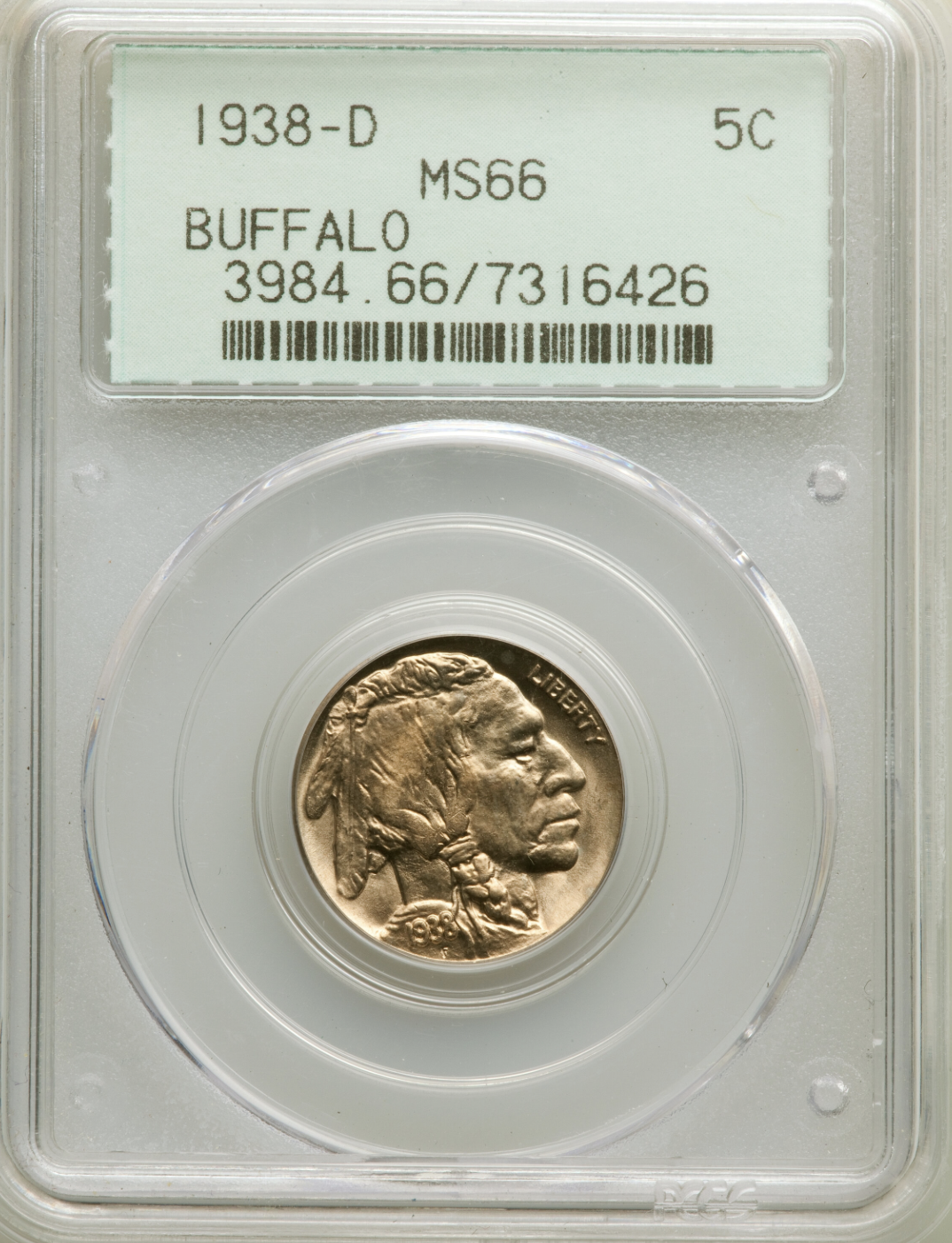
Distinguished by bold character:
- Robust, widely spaced perforations
- Distinctively textured label surface
- Same dimensions as fine-perf cousin
3. Wide Perforation with PCGS Text
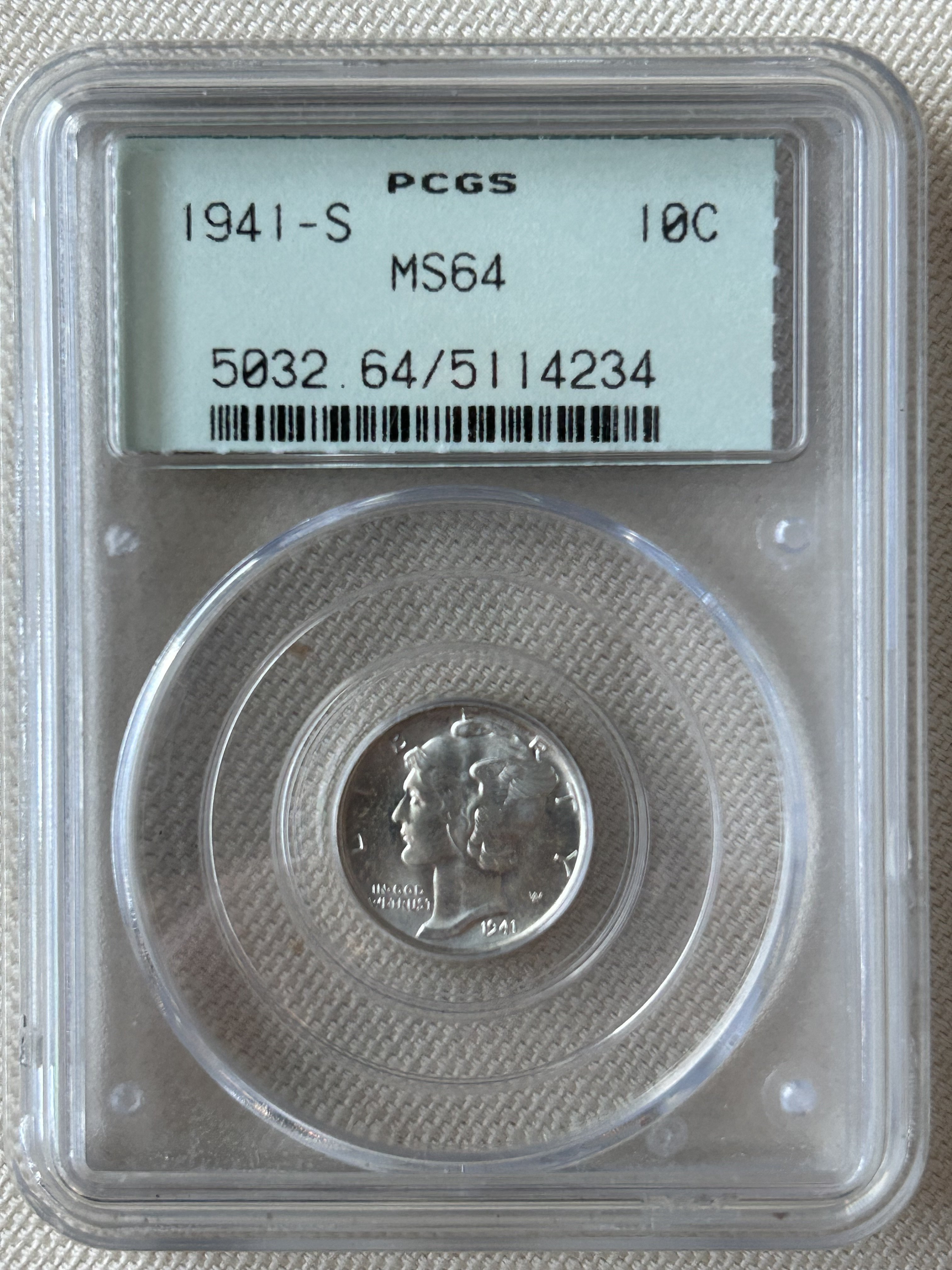
The crown jewel for serious collectors features:
- “PCGS” proudly printed at label top
- Same rugged perforations as Type 2
- PCGS’s first tentative step toward brand standardization
Common Preservation Threats
PVC Damage: The Invisible Menace
Countless collections suffer from “helpful” PVC-containing storage. The plasticizer creeps relentlessly, causing:
- Sickly green haze on interior surfaces
- Gummy residues that trap contaminants
- Permanent chemical marriage to holder materials
Oxidation and Environmental Enemies
Gen 2.1 holders battle multiple fronts:
- UV rays turning clear rings brittle
- Internal metal components developing crusty oxidation
- Labels yellowing from airborne acids
Mechanical Perils
“Always be careful with them. If you drop one on a hard surface the outer ring will crack.” – Forum Contributor
Unlike modern slabs, these veterans demand white-glove treatment. Their structural vulnerability echoes the delicate coins they protect.
Proper Storage Solutions
Ideal Environmental Conditions
- Temperature: Steady 65-70°F (think museum vault conditions)
- Humidity: 40-50% RH – silica gel is your ally
- Lighting: UV-filtered displays or darkness
Archival-Grade Storage Materials
Choose like a conservator:
- Acid-free boxes with rigid dividers
- Polyethylene sleeves (never PVC!)
- Oxygen absorbers changed quarterly
Display Wisdom
When showcasing these beauties:
- Rotate positions quarterly to prevent “light tan lines”
- Use custom cradles supporting the entire holder
- Maintain finger-width clearance from neighboring items
To Clean or Not to Clean?
The Golden Rule: Never gamble with DIY cleaning. Professional conservation differs from home experiments like master surgery differs from first aid:
| Intervention Type | Risk Level | Professional Tools Required |
|---|---|---|
| Surface Dust Removal | High | Museum-grade microvacuum |
| Label Restoration | Extreme | Hydration chamber + precision tools |
| Crack Repair | Prohibitive | UV-cured adhesives + pressure fixture |
When Patina Crosses Into Damage
Collectors cherish natural toning, but know the danger signs:
- Desirable: Warm, even ambering
- Dangerous: Chalky blooms at stress points
- Disaster: Spiderweb crazing from chemical breakdown
Long-Term Conservation Protocol
- Photograph all angles annually (document that luster!)
- Monitor weight to catch material degradation
- Professional inert gas flush every five years
- Decadal expert assessments – like physicals for your collection
Conclusion: Guardians of Numismatic Heritage
PCGS Gen 2.1 holders aren’t mere plastic – they’re snapshots of certification history. With Gen 2.2 holders nearly mythical and 2.1s vanishing into Doily repairs, each survivor deserves museum-quality care. By following these protocols, you’re not just preserving collectibility and numismatic value – you’re safeguarding provenance for future generations. The market rewards diligence (expect 30-50% premiums for mint-condition examples), but the true reward comes when you open a perfect Gen 2.1 decades from now, its contents untouched by time. That’s the art of conservation – and the heart of collecting.
Related Resources
You might also find these related articles helpful:
- Decoding PCGS Gen 2.1 Holder Varieties: How Condition Impacts Value From $10 to $1,000 – Condition Is Everything: The Professional Grader’s Lens In our world of numismatics, condition doesn’t just …
- Authenticating PCGS Gen 2.1 Holders: Your Complete Guide to Identifying the Three Varieties – Introduction: The Collector’s Challenge In today’s market flooded with sophisticated fakes, mastering the di…
- Cracking the Code: Hunting Rare Varieties in PCGS Gen 2.1 Holders – The Hidden Fortune in Plastic: Why Holder Hunting Matters Most collectors focus solely on coins, but true numismatic det…
