


Liberty Seated Arrows Coins: The Expert’s Authentication Guide to Detecting Counterfeits
February 3, 2026Preserving Liberty: Expert Conservation Techniques for Arrows Date Seated Coins
February 3, 2026
The Professional Grader’s Eye: Where Condition Reigns Supreme
Ask any seasoned collector what separates ordinary coins from numismatic treasures, and they’ll whisper one word: condition. Let me show you how to examine those critical high points and fields on Liberty Seated coins with arrows by the date – a tiny design element that can transform pocket change into museum-quality specimens. These arrows, flanking dates on 1853-1855 and 1873-1874 issues, weren’t just decorative; they heralded America’s silver coinage reforms. But here’s where it gets fascinating: these historical markers create grading nuances that separate casual collectors from true connoisseurs.
Historical Significance: The Secret Language of Arrows
Those delicate arrows serve as silent witnesses to pivotal moments in U.S. monetary history:
- 1853-1855: When silver poured from Nevada’s Comstock Lode, the Mint slashed weights (halves dropped from 13.36g to 12.44g) to keep coins circulating. The arrows-and-rays design became a visual “heads up” about these lighter coins.
- 1873-1874: The controversial Coinage Act added a whisper of weight back (quarters grew from 6.22g to 6.25g). This time, arrows stood solitary – no radiant sunburst companions.
“Collectors walk a minefield with these subtypes. An 1853-O quarter without arrows might gather dust at $50 in VG-8, while an arrows-and-rays specimen in glorious MS64+ can command $5,000 or more!” –PCGS Price Guide
Finding the Story in the Metal: Where Wear Tells Tales
Pressure Points That Never Lie
Liberty’s elegant design reveals its age in predictable yet telling ways:
- Knees & Breast: These high-relief areas bear the brunt of circulation. AG-3 coins show ghostly outlines where details once lived, while AU-58 examples reveal nearly complete features with just a hint of wear.
- Arrows & Date: Weak strikes plague 1873-1874 issues. Genuine arrows boast knife-sharp bases – counterfeits often look like they’ve been nibbled by mice.
- Fields: Original luster dances with a distinctive “cartwheel” effect, while harsh cleanings leave telltale hairlines that glare under 5x magnification.
The Elusive 1853-1855 “Arrows and Rays”
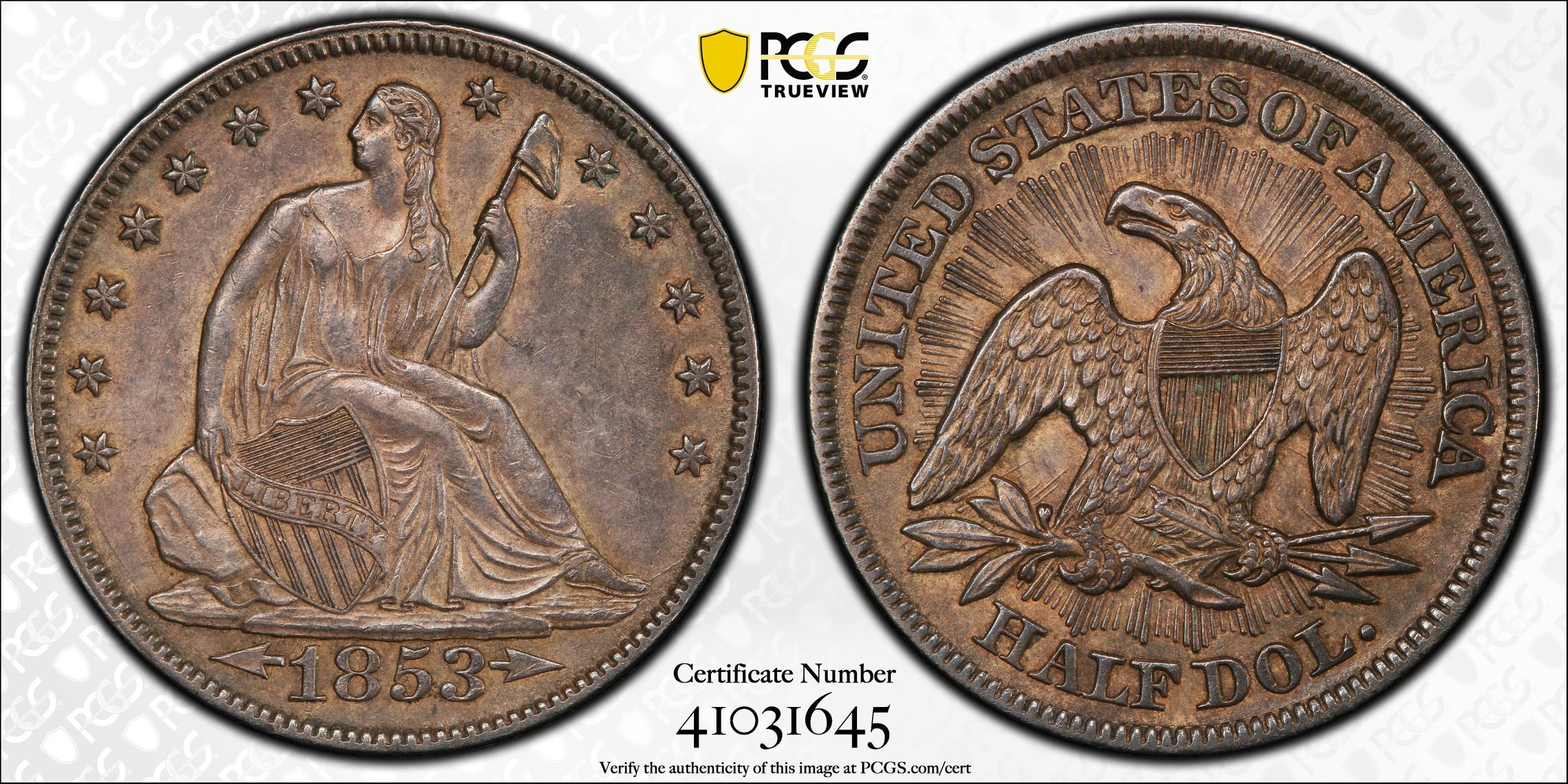
This single-year wonder (for quarters and halves) serves up a special cocktail of grading challenges:
- Sunburst rays frequently show strike weakness – full separation between rays screams MS63+ or better
- Die cracks weave through many specimens like spider silk – acceptable if they don’t mar key features
Cracking the Grading Code: From Pocket Worn to Pristine
Circulated Grades (AG-3 to XF-45)
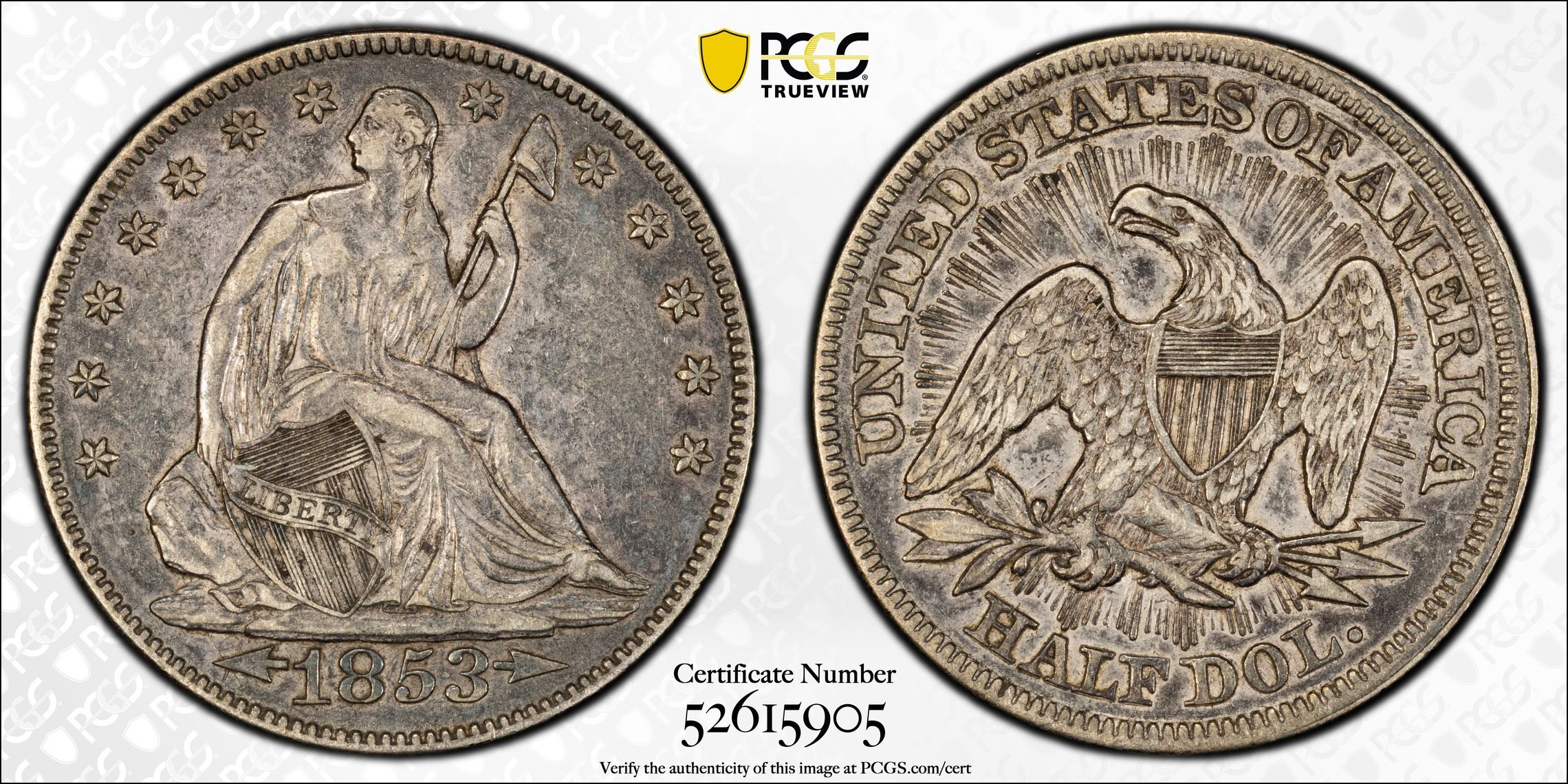
Decoding the wear hierarchy:
- AG-3: Dates and arrows play peek-a-boo through heavy wear, LIBERTY legend nearly erased by time’s touch
- VF-20: Liberty’s right knee emerges from the mist, arrows revealing about three-quarters of their original character
- XF-45: Knee caps show slight smoothing, fields whispering secrets of original texture beneath light marks
Uncirculated Nirvana (MS-60 to MS-67)
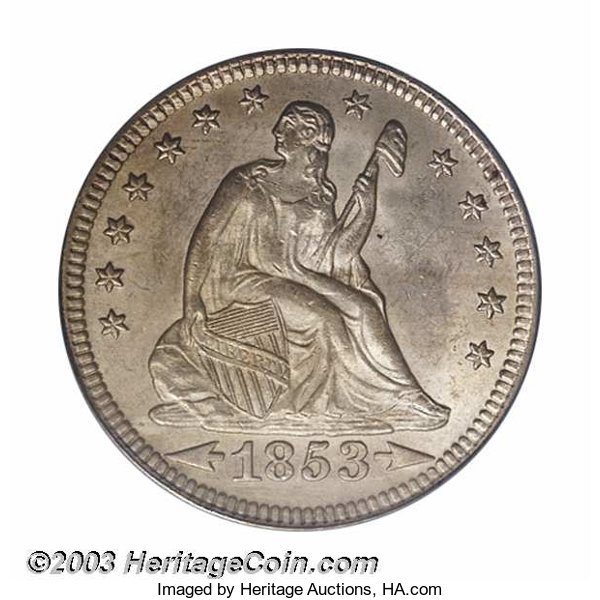
The CAC-approved MS64+ specimen above is numismatic poetry:
- Luster: A seamless river of satin-to-frosty light flowing across every contour
- Strike: Eagle’s feathers so crisp you might expect them to rustle
- Eye Appeal: Toning that dances like amber-hued sunlight, mercifully free of carbon spots or cleaning scars
Value Unveiled: When Tiny Arrows Mean Giant Premiums
| Coin | VG-8 | AU-55 | MS-63 | MS-65 |
|---|---|---|---|---|
| 1853-O Dime (Arrows) | $35 | $300 | $2,500 | $15,000 |
| 1873-CC Quarter (Arrows) | $950 | $8,500 | N/A (R7) | $150,000+ |
| 1853 Half Dollar (Arrows/Rays) | $150 | $1,200 | $12,000 | $45,000 |
“That green CAC bean isn’t just sticker – it’s a love letter confirming technical perfection married to heart-stopping eye appeal. Expect 20-40% premiums on these certified darlings.” –NGC Population Report
Authenticity Alarms: Don’t Get Fooled
- Frankenstein Coins: Altered 1851/1852 dates often betray themselves with telltale tooling scars near the digits
- Weight Watchers: An 1853 dime tipping scales beyond 2.59g? Digital scales don’t lie – your coin might
- Cast Imposters: Surface bubbles and missing arrowhead serrations scream “fake” louder than a auctioneer’s gavel
Conclusion: The Eternal Hunt for Perfection
Liberty Seated coins with arrows represent the ultimate collector’s paradox – brief mintages creating enduring fascination. Particularly with the 1853-1855 rays issues, condition rarity rewards those with patient eyes and educated fingers. Remember: One point on the Sheldon scale can quadruple your investment. Seek coins where luster still sings, strike details shout their presence, and eye appeal makes your heart skip. In these arrows’ subtle shadows lie either forgotten history or numismatic legend – which will your loupe reveal next?
Related Resources
You might also find these related articles helpful:
- Liberty Seated Arrows Coins: The Expert’s Authentication Guide to Detecting Counterfeits – Counterfeit Crisis: Protect Your Liberty Seated Coins With These Expert Authentication Secrets Have you ever held a Libe…
- Arrows Through Time: The Political Turmoil Behind Liberty Seated Coinage Modifications – Every Relic Whispers Secrets Like tiny silver time capsules, Liberty Seated coins bearing flanking arrows hold stories o…
- Liberty Seated Coins With Arrows: A Professional Appraiser’s Market Value Breakdown – Beyond Book Value: Unlocking the Real Worth of Liberty Seated Arrows Coins Every seasoned collector knows guide prices o…
