


Unearthing the Texas Jola: A Numismatic Mystery from the Spanish Colonial Frontier
February 5, 2026The Texas Jola Authentication Challenge: Expert Techniques to Spot Counterfeits
February 5, 2026
Most collectors walk right past the hidden treasures hiding in plain sight. But for those of us who live for error coins, the thrill comes from spotting those microscopic imperfections that transform ordinary pocket change into numismatic gold. Today, we’re unlocking the secrets of one of colonial America’s most elusive prizes: the Texas Jola.
Historical Significance of the Texas Jola
The Texas Jola offers a captivating window into America’s numismatic past. Born in 1818 during Texas’ chaotic shift from Spanish rule to Mexican independence, these hand-hammered silver pieces served as emergency currency under Governor Antonio María Martínez. Their crude beauty lies in their imperfections – no two coins are identical thanks to:
- Variable die alignment that creates striking varieties
- Mismatched planchet sizes (from “skinny” to “chunky” specimens)
- The distinctive patina only decades of underground storage can create
When forum legend @shortnock shared his findings from the 1959 San Antonio River discoveries, he revealed how environmental factors enhance collectibility. Authentic dug specimens show telltale signs like:
- River-worn surfaces with organic patterning
- Mineral deposits settling in protected crevices
- Corrosion patterns matching the region’s unique soil chemistry
The Error Hunter’s Toolkit: Reading the Coins
Die Deterioration Tales
Genuine Jolas whisper stories of exhausted dies through:
- Spiderweb cracks radiating from the central star (a prized rare variety)
- “Ghosted” lettering from incomplete strikes
- Doubling that creates mesmerizing shadow effects
“The highest points on counterfeits lack the natural flow of metal you see in authentic hand-struck coins” – Insight from our forum’s most eagle-eyed members
Diagnostic Design Elements
While lacking traditional mint marks, Jolas reveal their provenance through:
- The dance between dentils and lettering (authentic = beautifully irregular)
- Center dot placement within the star’s arms (shifts with die state)
- Punch shape variations in the denomination mark
Nature’s Fingerprints
Genuine river-recovered specimens wear their history proudly with:
- Sediment-packed crevices that defy cleaning
- Subsurface pitting visible under magnification
- Distinctive “river luster” on protected surfaces
The $3 Wonder: When Dreams Meet Reality
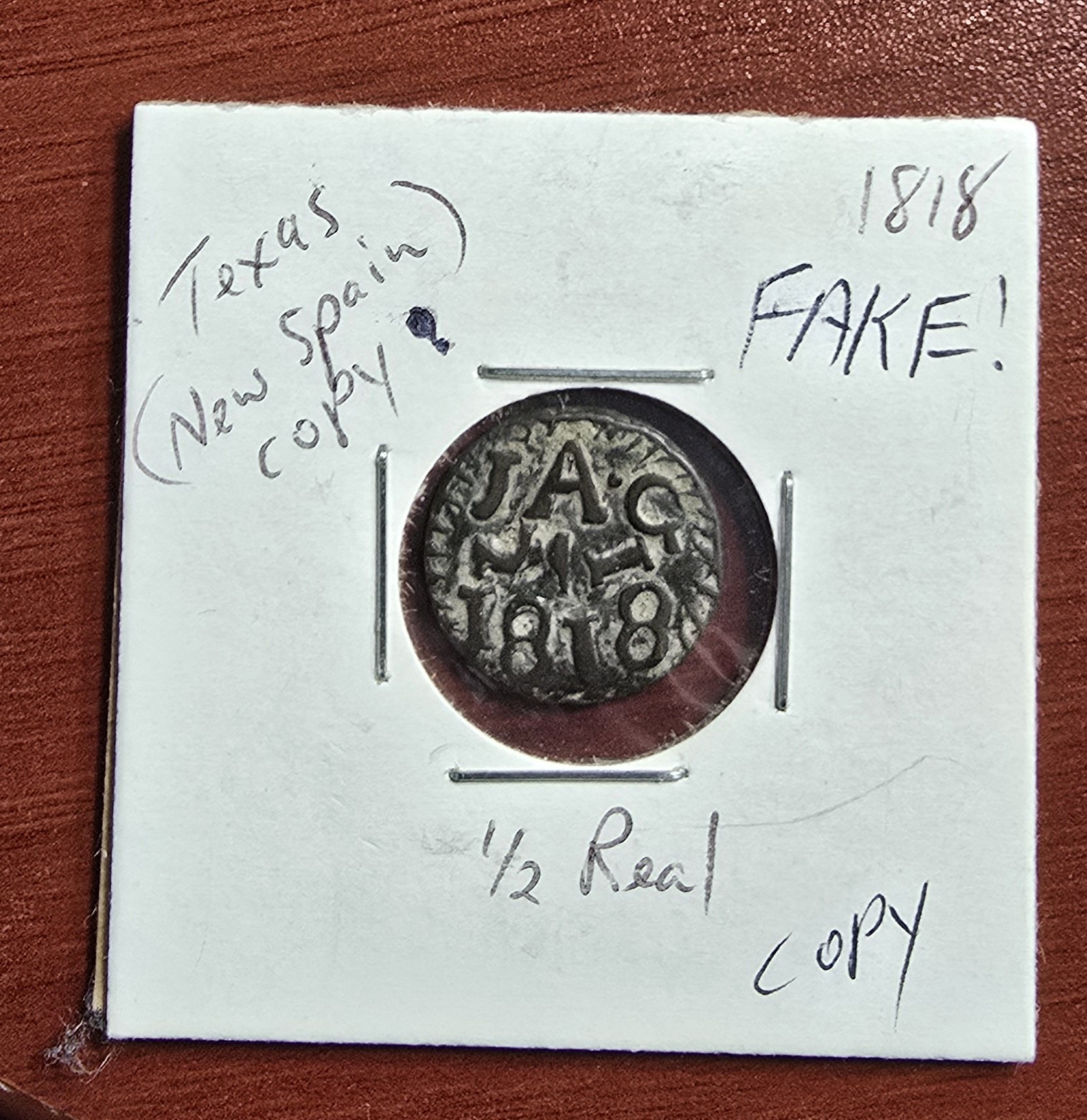
Our forum erupted when a member shared their McBride’s Guns find – a $3 “counterfeit” Jola that momentarily stumped Heritage Auctions experts. This coin’s tantalizing features included:
- Wear patterns mirroring confirmed 1818 specimens
- Accumulated grime in logically protected areas
- Surface crystallization matching authenticated examples
The high-resolution images told a complex story:
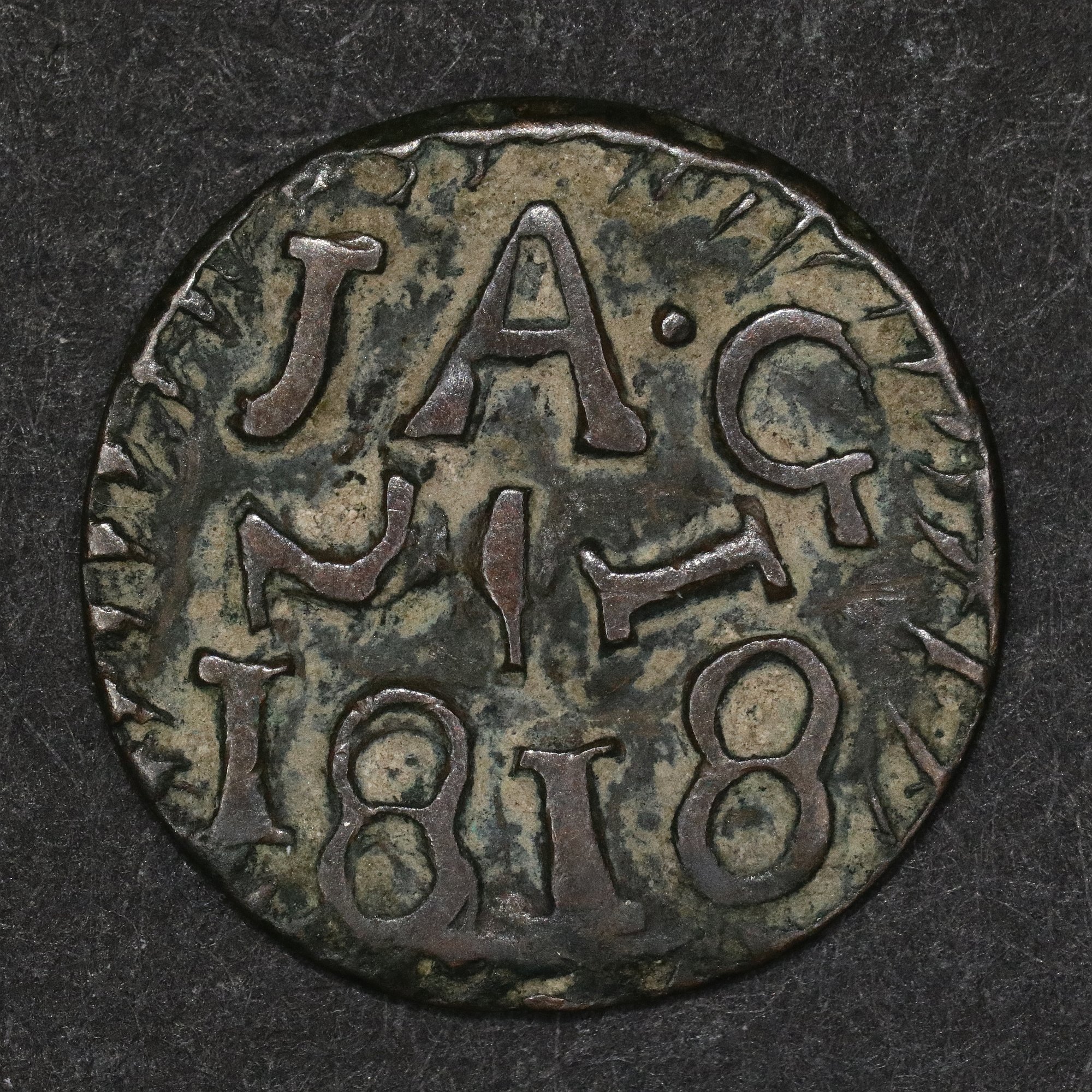
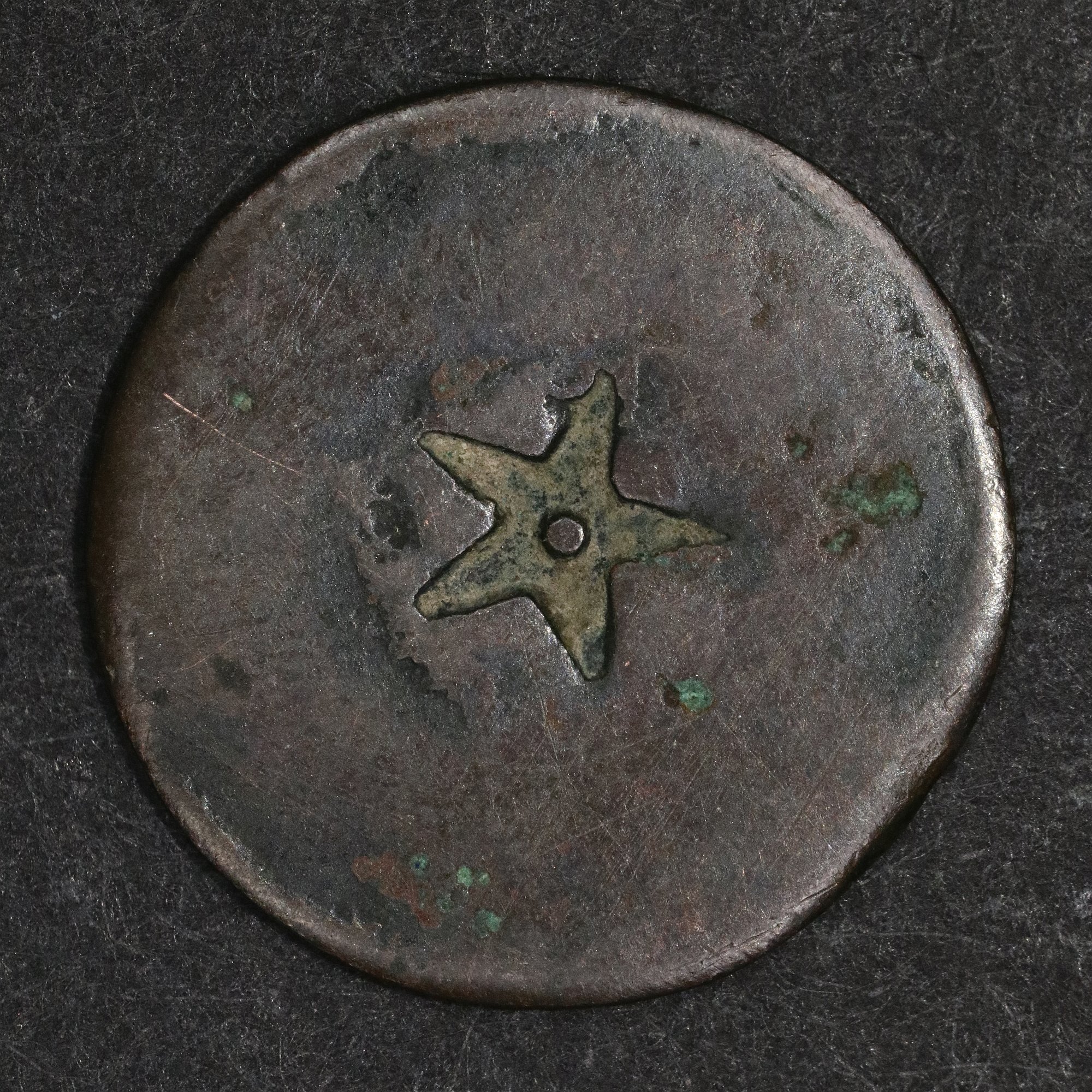
Despite initial excitement from catalogers who admitted “this fake puts genuine examples to shame,” PCGS delivered the heartbreaking verdict. Our collective detective work pinpointed:
- Device surfaces too polished for period tools
- Dentil spacing mismatching known genuine varieties
- Metal flow inconsistencies under spectral analysis
Numismatic Value: From Pocket Change to Small Fortune
Genuine Texas Jolas command breathtaking prices when they surface:
- Mint condition specimens: $25,000+ (when they appear)
- XF examples with original luster: $15,000+
- Problem-free VF coins: $8,000 entry point
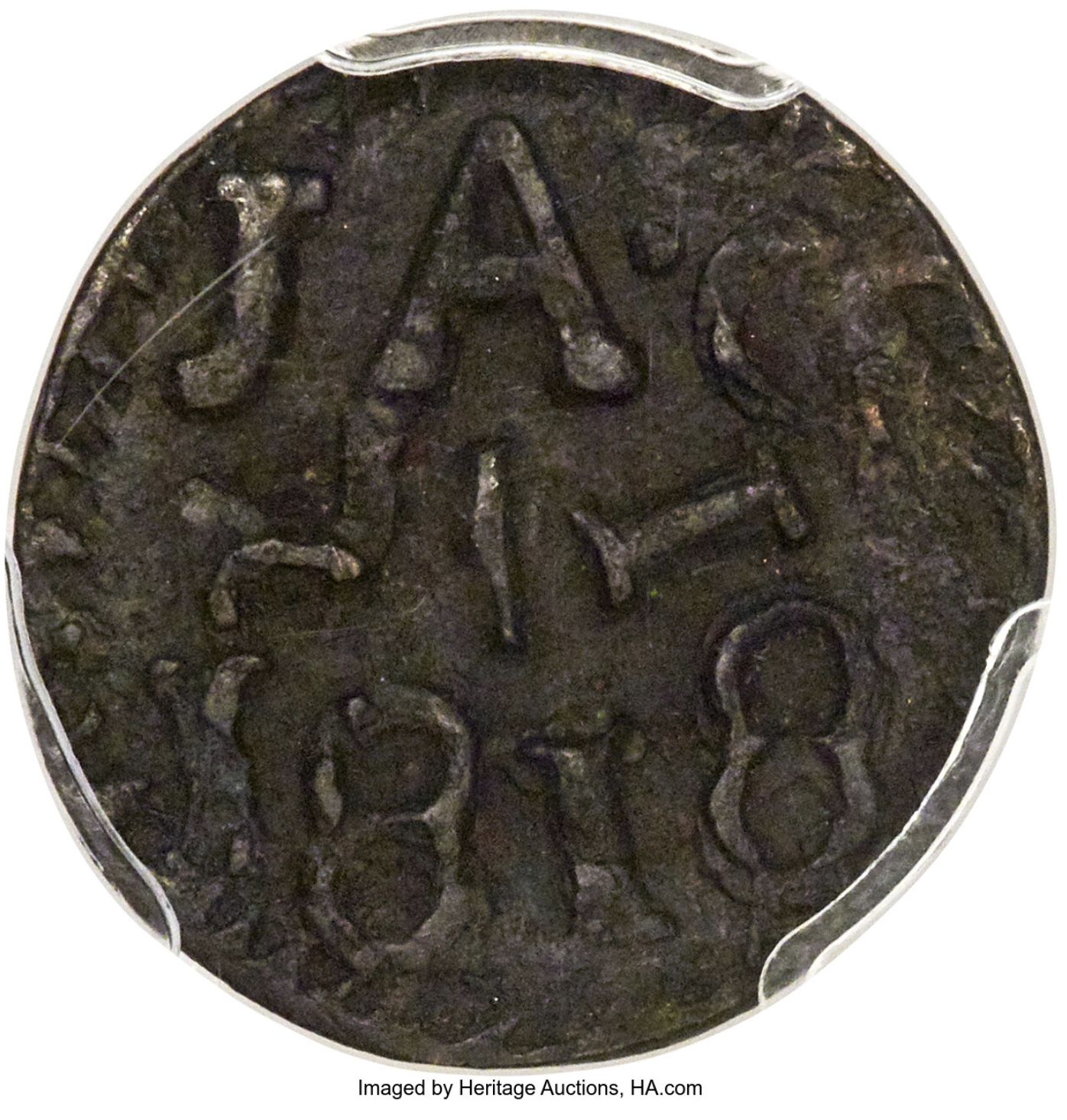
Even skilled counterfeits like our case study piece hold value as “educational copies” ($250-$750 based on craftsmanship). Compare these telltale differences:
Navigating the Authentication Maze
As multiple members discovered, even top services wrestle with these rarities. One collector’s rollercoaster:
“PCGS threw a ‘questionable authenticity’ flag while NGC declared it counterfeit outright. The heartbreak comes from knowing how close it looked to the real deal!”
Why authentication feels like detective work:
- Only 47 confirmed specimens exist (R6 rarity)
- Crude originals often resemble skilled fakes
- Environmental damage obscures key diagnostics
- Modern forgers study Heritage Auction archives obsessively
Conclusion: Why We Chase Shadows
Though our $3 wonder didn’t join the ranks of authenticated Jolas, it embodies why collectors lose sleep over these colonial enigmas. That slim chance of turning pocket change into a five-figure windfall fuels our passion. As Heritage’s auction history shows (https://coins.ha.com/c/search/results.zx), these coins represent the ultimate American numismatic challenge.
The Texas Jola teaches us that true expertise means seeing beyond surface eye appeal. It demands understanding strike characteristics, environmental aging, and die progression patterns. Every “almost real” coin – like our forum member’s bittersweet find – becomes a masterclass in authentication. For in this hunt, knowledge is the real treasure we accumulate with each close call. Keep your loupes charged, friends – the next riverbank find might just rewrite history.
Related Resources
You might also find these related articles helpful:
- Unearthing the Texas Jola: A Numismatic Mystery from the Spanish Colonial Frontier – Every relic whispers secrets of the past, but few spark as much collector intrigue as the Texas Jola—a crude, enigmatic …
- The Texas Jola Enigma: Authenticity, Value, and Market Realities in Early Americana Collecting – After decades spent hunched over early American coins, few pieces quicken my pulse like the legendary Texas Jola. That w…
- The 1971-D Nickel Enigma: When Missing Mint Marks Transform $10 Sets Into $1,000 Rarities – The Hunt for 1971-D’s Missing Mint Marks: A Collector’s Detective Story Let me tell you why condition is you…
