


The 2017-P Lincoln Cent Authentication Crisis: Separating Rare Finds from Clever Fakes
February 5, 2026Preserving the 2017P Lincoln Cent: Expert Conservation Strategies for a Modern Rarity
February 5, 2026
In the world of coin collecting, condition isn’t just important—it’s everything. Let me show you how to examine high points and fields like a seasoned numismatist, because sometimes—as with the extraordinary 2017P Lincoln cent—a single anomaly can catapult a common pocket change piece into a five-figure treasure. Prepare to see modern coinage through new eyes!
Historical Significance of the 2017P Lincoln Cent
Born at the Philadelphia Mint during its 225th anniversary year, the 2017P Lincoln cent breaks tradition in the most delicious way for collectors. While over 4.9 billion Lincoln cents rolled off presses that year, the ‘P’ mintmark beneath the date makes this variety instantly special—a delightful break from Philadelphia’s 37-year mintmark drought on cents. What appears ordinary at first glance becomes extraordinary under scrutiny, embodying that thrilling blend of modern minting and rare error potential that sets our hobby ablaze.
Identifying Key Markers: The Grading Breakdown
Weight Anomaly Detection (The First Clue)
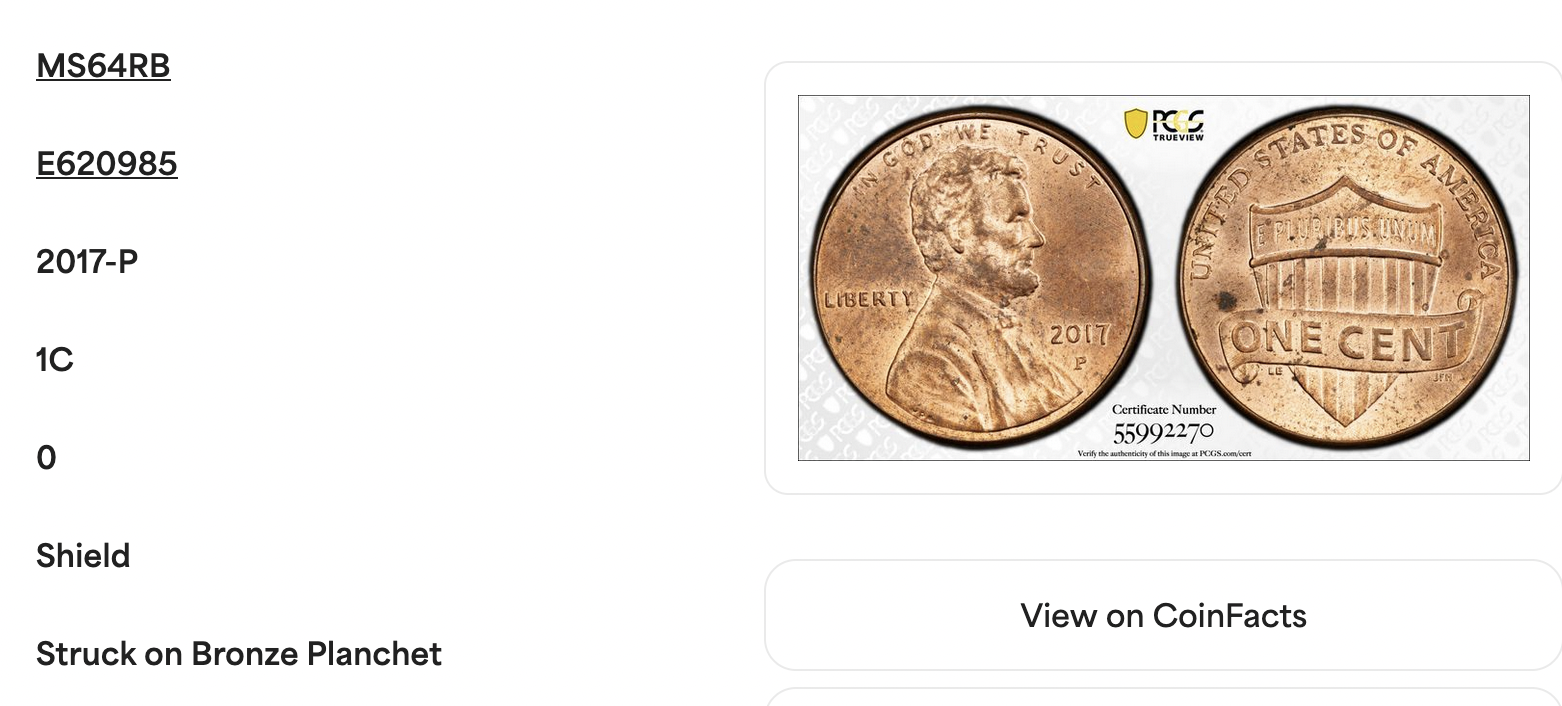
Picture this: a collector’s scale tilting at 3.11 grams instead of the expected 2.5 grams. That 24.4% weight difference wasn’t just a red flag—it was a screaming siren for error hunters. This bronze heavyweight in a zinc-coated world proved why we obsess over precise measurements. As PCGS certification #55992270 confirms, sometimes the most mundane-looking cent holds museum-quality secrets.
Wear Patterns vs. Composition Indicators
Here’s where copper and zinc tell radically different stories. Standard 2017 cents wear first on Lincoln’s cheekbone and lapel, but this bronze beauty laughs at circulation wear. Its harder alloy preserved razor-sharp details most zinc cores surrender within months. Grab your loupe and check the rim—no zinc “measles” (those telltale pimples) means you’re holding something special.
Luster Analysis: Bronze vs. Zinc Core
Luster tells no lies. While zinc cores eventually betray themselves with dull gray spotting as copper plating fails, this cent’s satiny bronze glow whispers of 19th-century large cents. The PCGS images don’t just show mint state preservation—they reveal untouched surfaces glowing with that warm, reddish patina only true copper develops. For grading experts, that MS64RB designation wasn’t just about condition, but about metallic soul.
Strike Quality Assessment
Prepare to marvel at Lincoln’s beard lines—each striation crisp as frost on a windowpane. The reverse shield’s vertical lines stand tall and proud, a minor miracle when you consider bronze’s stubborn resistance to sharp strikes. This isn’t just “Full Details”—it’s a hydraulic press love letter to numismatic perfection.
“Error specialist Mike Diamond raised eyebrows by suggesting it could be a heavily coated zinc planchet—but the XRF tests silenced all doubts.”
– From the heated CoinForum debates
Eye Appeal: The X-Factor
Let’s talk romance—because this cent has it in spades. That vibrant russet toning? Check. Minimal bag marks? Absolutely. Perfectly centered strikes? Like a bullseye. But what truly steals hearts is its golden-red hue—a color no zinc-core cent can fake. When photos hit collector forums, keyboards melted from frantic typing. This is numismatic eye candy at its finest.
PCGS/NGC Standards: Authentication Protocols
Third-party grading didn’t just validate this coin—it wrote its pedigree in indelible ink. PCGS threw every test imaginable at it:
- XRF composition analysis confirming its bronze heart
- Die forensics eliminating any possibility of post-mint meddling
- Edge examination showing authentic mint-caused metal flow
NGC graders would’ve been equally ruthless, hunting for the “split plating” defects that haunt lesser zinc errors. Their absence here? Just more proof we’re witnessing a modern numismatic unicorn.
Value Guide: From Pocket Change to Portfolio Piece
Your average 2017P cent in MS67 might buy a decent lunch ($15-20). But this bronze error? PCGS graded it MS64BN and collectors opened checkbooks. Current valuations tell a thrilling story:
- MS63BN: $800-$1,200 (a mortgage payment)
- MS64BN: $1,200-$1,800 (a luxury getaway)
- MS65BN: $2,500+ (the holy grail awaiting discovery)
Why the frenzy? Only three confirmed specimens exist per PCGS pop reports. In our post-1982 zinc-dominated world, bronze errors aren’t rare—they’re practically mythological.
The Collector’s Dilemma: Weighing Every Coin?
Forum threads exploded after this discovery, with one member recounting:
“A hopeful soul once plunked down a clad quarter at my table, convinced its weight meant retirement money. Turns out his ‘error’ was just a pocketful of pocket change…”
PCGS stats suggest you’ll find one significant error in every 250,000 coins weighed—not exactly efficient hunting. Instead, train your eyes on these profit-rich zones:
- Mintmark oddities (like our 2017P star)
- 1982-1983 transitional years (zinc/bronze twilight zone)
- 2009 Lincoln bicentennial issues (modern classics)
Conclusion: Why Modern Rarities Captivate Us
The 2017P bronze cent embodies everything we love about numismatics—the thrill of discovery, the importance of expertise, and the sheer joy of holding history in your hand. Its value lies not just in bronze content, but in its perfect storm of historic timing, diagnostic markers, and third-party validation. For collectors, it’s a reminder that rarity isn’t confined to 19th-century coins—sometimes, treasure hides in plain sight, waiting for someone with the knowledge (and scale) to reveal its true worth. Now—check your Whitman folders carefully!
Related Resources
You might also find these related articles helpful:
- The 2017-P Lincoln Cent Authentication Crisis: Separating Rare Finds from Clever Fakes – Counterfeit Crisis: Protecting Your 2017-P Lincoln Shield Cent As collectors hunt for the elusive 2017-P Lincoln Shield …
- The 2017-P Lincoln Cent Error Hunter’s Field Guide: Decoding Die Varieties & Rarity Markers – Most collectors walk past hidden treasures every day, but for those who study Lincoln cents with a numismatist’s e…
- The 2017-P Lincoln Cent: A Numismatic Anomaly Born from America’s 225th Mint Anniversary – The Artifact in Context: A Nation’s Numismatic Legacy Every coin tells two stories: one of the hands it passed thr…
