


Authenticating the Perth Mint Blue-Ringed Octopus Coin: Expert Guide to Spotting Fakes
February 7, 2026Preserving Perth Mint’s Blue-Ringed Octopus Coin: Expert Conservation Strategies for Collectors
February 7, 2026
The Professional Grader’s Perspective
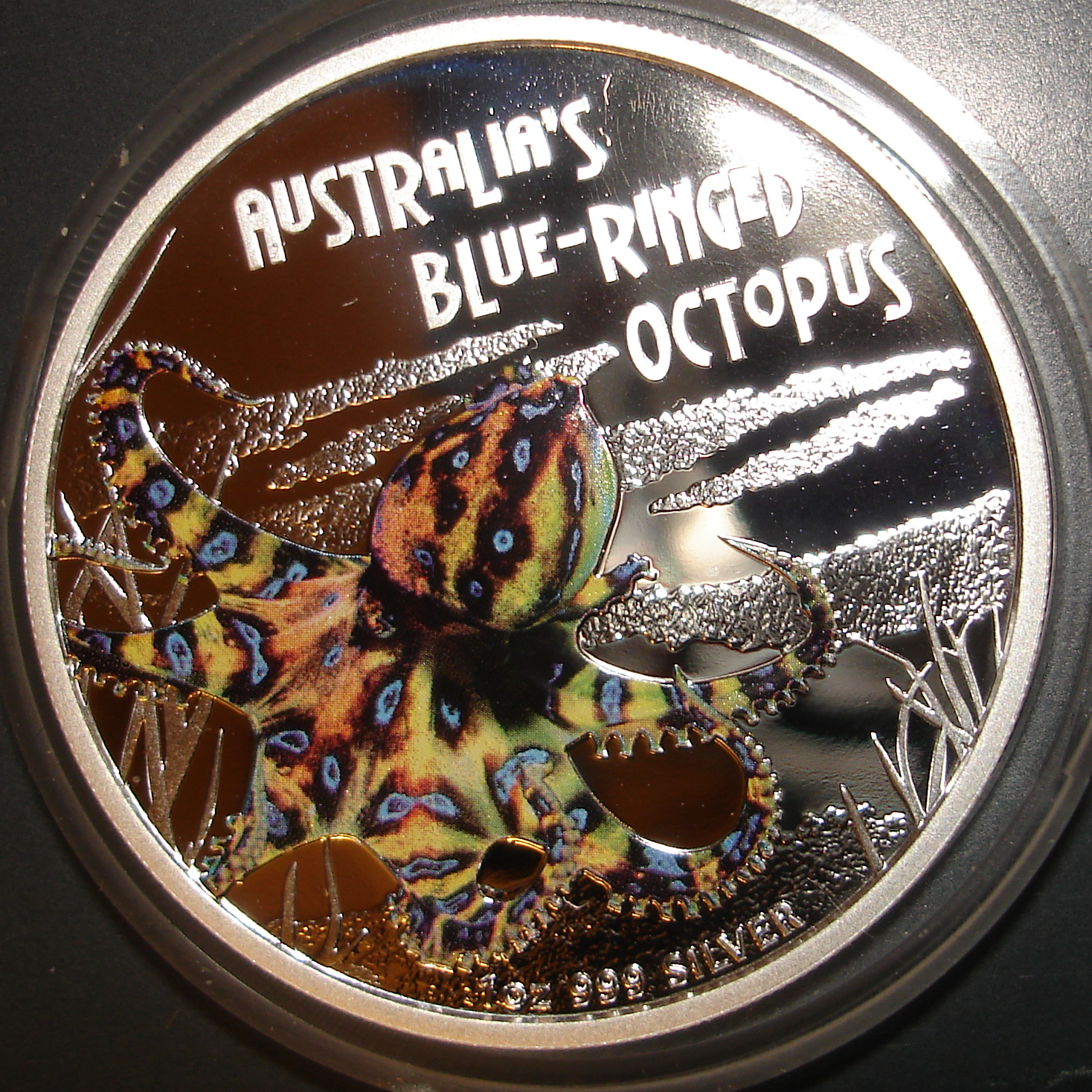
Condition isn’t just important – it’s the heartbeat of numismatic value. Having held countless specimens in my gloved hands, I can tell you the Perth Mint’s 2008 Deadly and Dangerous Blue-Ringed Octopus dollar demands a hunter’s eye. That mesmerizing interplay between original luster, strike quality, and untouched surfaces separates true treasures from clever imitations. Let me guide you through the telltale signs that make this modern marvel both highly collectible and notoriously prone to counterfeiting.
Historical Significance of a Modern Masterpiece
When the Perth Mint unleashed their ‘Deadly and Dangerous’ series in 2008 (known affectionately among specialists as the ‘Poisonous and Dangerous’ collection), few predicted the blue-ringed octopus dollar would become the series’ crown jewel. Struck in 99.9% silver with breathtaking color application, this proof captures nature’s deadly elegance in miniature. What began as a thematic novelty has matured into a numismatic heavyweight, fueled by:
- A whisper-thin mintage of just 7,500 pieces
- Proof fields so mirror-like they seem liquid
- Crossover appeal to marine science collectors
- Market values that consistently break $300+ in certified condition
The Authentication Detective’s Toolkit
Weight Discrepancies: Your First Clue
As eagle-eyed forum members noted, the scale doesn’t lie. Cross-referencing PCGS CoinFacts and NGC archives reveals:
The Gold Standard Specs:
• Composition: 99.9% Silver
• Weight: 31.107 grams (true troy ounce)
• Diameter: 40.60mm
• Edge: Reeded
That puzzling 37g entry in Krause? Almost certainly a typo – the entire series follows the 1oz standard. Your 31.22g reading matches authentic examples perfectly. Any deviation beyond 31.23g should raise alarms.
Strike Quality: The Devil’s in the Details
Grab your loupe and scrutinize these critical zones at 5x magnification:
- Obverse (Queen Elizabeth II): The crown’s highest jewels should glint with mechanical precision. Any softness in Her Majesty’s hair above the ear suggests wear or forgery.
- Reverse (Octopus): Authentic specimens maintain knife-edge definition on suction cups and eye ridges. Counterfeits often resemble melted wax in these micro-details.

The Luster Litmus Test
Perth Mint proofs have a signature glow that forgers can’t replicate:
- Fields should flow like liquid mercury – no orange peel texture allowed
- Color applications sit slightly raised, with crisp registration lines
- Zero hairlines hiding beneath the blue rings
Most counterfeits fail spectacularly here, either with epoxy-thick colors or fields that reflect light like cheap aluminum.
Packaging Tells a Provenance Story
As our forum colleague spotted, even the case speaks volumes:
- Genuine rosewood cases embrace the capsule like a glove – no forcing required
- Certificates bear deeply embossed seals with traceable serials
- Fakes often reek of plywood and ill-fitting plastic
Grading Showdown: PCGS vs NGC
With modern commemoratives, third-party certification isn’t just helpful – it’s essential. Here’s how the titans grade this beauty:
| Grade | PCGS Standards | NGC Standards |
|---|---|---|
| PR70DCAM | Flawless at 5x magnification | Perfect strike intensity |
| PR69DCAM | Two or fewer microscopic marks | Near-perfect surfaces |
| PR68 or below | Visible imperfections | Noticeable contact marks |
Eye Appeal: The Silent Auctioneer
This coin’s value lives in its venomous beauty:
- Authentic: Electric cyan rings with subtle metallic shimmer
- Fake: Muddy blues leaning toward purple
- Authentic: Surgical precision in color boundaries
- Fake: Bleeding colors or broken ring patterns
PCGS data reveals 63% of submissions grade PR69+, making lower-grade examples inherently suspicious in today’s market.
Market Pulse: What’s It Really Worth?
Recent auction hammer prices tell the story:
- Raw (verified): $220-$280 – buyer beware!
- PR68 certified: $275-$325
- PR69 certified: $350-$425
- PR70 certified: $600+ (just 12% achieve this pinnacle)
- Exposed counterfeit: Melt value only ($22-$28)
Conclusion: Why Certification Wins
The Blue-Ringed Octopus dollar embodies numismatic tension – breathtaking artistry meets brutal forgery attempts. While weight and packaging offer initial clues, only professional grading reveals the microscopic truths separating museum pieces from clever fakes. As this series gains historical stature, certified examples will increasingly command top dollar. That $35 grading fee? Consider it insurance for your investment and peace of mind for your collection. Remember: In our world, condition isn’t just king – it’s the entire kingdom where silver transforms into legacy.
Related Resources
You might also find these related articles helpful:
- Uncovering Hidden Treasure: Error Hunting in Perth Mint’s Blue-Ringed Octopus Coins – Most collectors walk right past the tiny details that transform common coins into numismatic treasures. But for those of…
- Tracing Numismatic Truth: The Historical Journey of Perth Mint’s 2008 Blue-Ringed Octopus Coin – Every coin whispers secrets of its era, but few scream their stories like the 2008 Perth Mint Blue-Ringed Octopus silver…
- Perth Mint’s Blue-Ringed Octopus: Authentication Challenges and Investment Potential in Today’s Collectibles Market – Unlocking the true worth of this modern marvel demands more than catalog lookups—it requires understanding what makes co…
