


Finding Pre-33 $2.50 Indian Gold Original Boxes in the Wild: A Cherry Picker’s Guide
March 14, 20261983 Lincoln Cent Defective Bronze Planchet: When Two Major Graders Disagree
March 14, 2026
The Precious Metal Content of Pre-1933 $2.50 Indian Gold Quarter Eagle in Original Box
Sometimes the metal inside is worth more than the face value. Let’s break down the melt value versus the collector value.
When examining a Pre-1933 $2.50 Indian Gold Quarter Eagle in its original presentation box, the first consideration for any bullion investor is the gold content itself. These coins contain 0.12094 troy ounces of pure gold, struck in .900 fine gold (21.6 karat). The melt value fluctuates directly with the spot price of gold, making these coins an interesting hybrid between numismatic and bullion investments.
Understanding the Gold Content
The Pre-1933 designation refers to gold coins minted before 1933, when the United States abandoned the gold standard. These quarter eagles weigh 4.18 grams total, with 3.76 grams being pure gold. The remaining weight consists of copper and silver alloy, which adds durability to the coin.
For investors calculating melt value, the formula is straightforward: current spot price per ounce multiplied by 0.12094. At $2,000 per ounce, for example, the melt value would be approximately $242. At $1,800 per ounce, it drops to about $218. This correlation between spot price and melt value is what makes these coins attractive for stacking strategies.
Stacking Strategy Considerations
Pre-1933 gold coins offer several advantages for bullion investors. First, they trade at a relatively small premium over melt value compared to modern bullion coins. Second, they provide historical significance and potential numismatic upside if the collector market strengthens.
Many investors build their stacks with a mix of modern bullion and Pre-1933 coins. The quarter eagle’s small size makes it ideal for dollar-cost averaging strategies, allowing investors to acquire gold in smaller, more manageable increments. The original presentation boxes, while not affecting the melt value, can add a modest premium that’s often recovered when reselling.
Historical Context and Market Demand
Quarter Eagles were particularly popular as gifts during the early 20th century, especially around Christmas. Banks would often provide these coins in special presentation boxes covered in gold-colored foil with recesses designed to hold the coins securely. This historical demand creates an interesting dynamic in today’s market.
The coins that were in the boxes above:
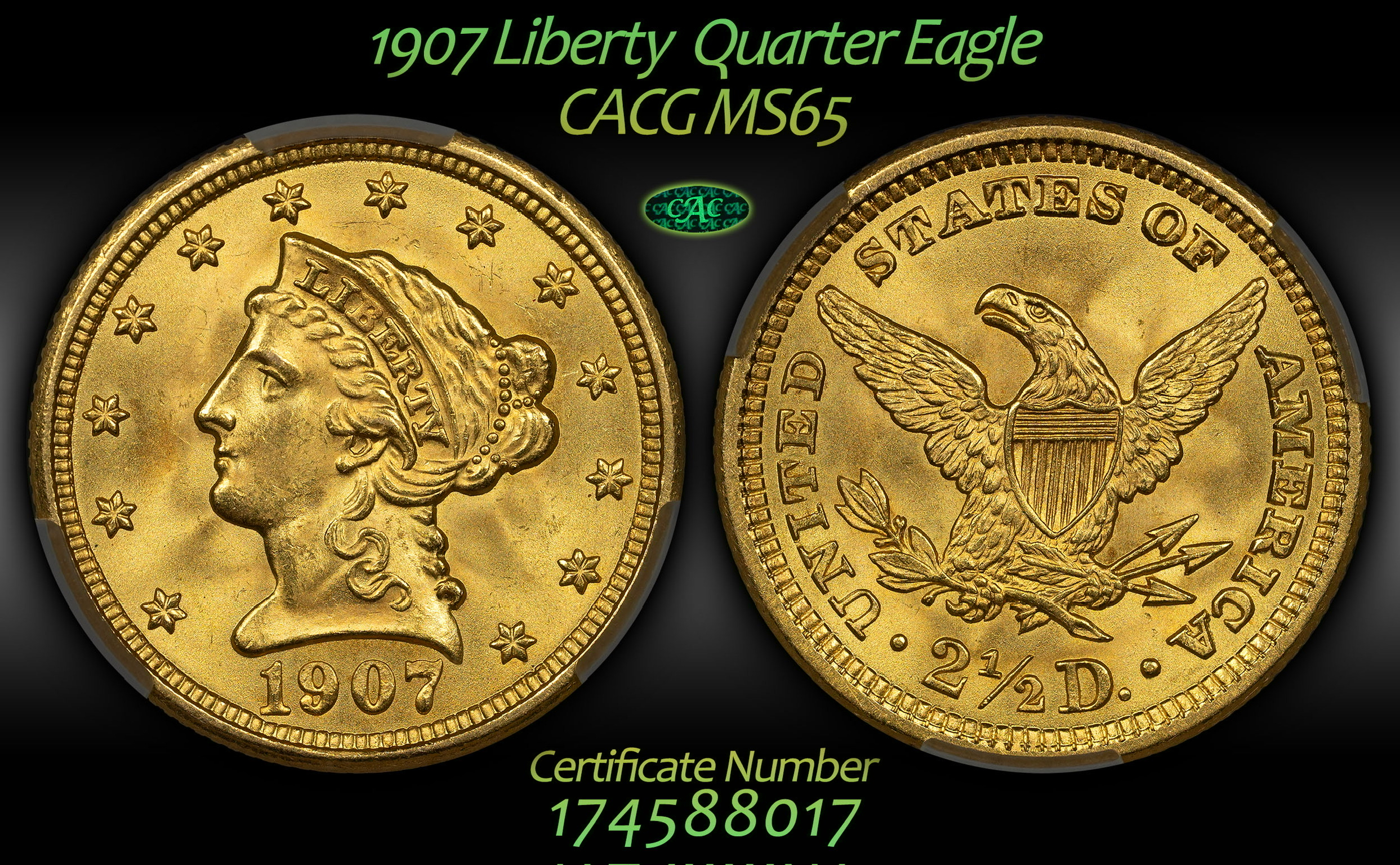

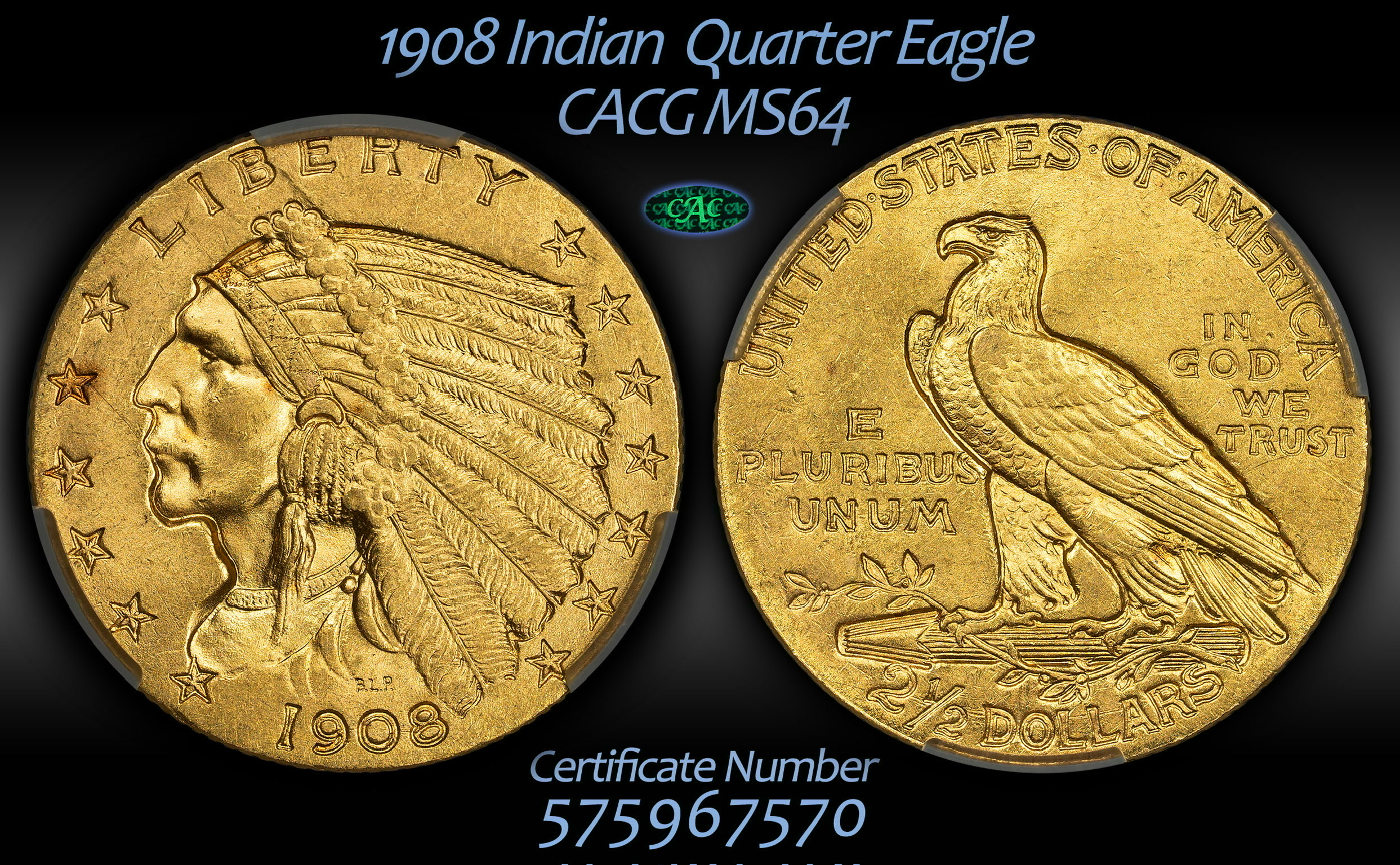

Gold coins were a popular gift for birthdays and Christmas. During Christmas shopping time, people would go to their bank and request a nice gold coin for a gift and the bank would give them a gold coin with a small cardboard box that were covered in gold colored foil with a recess for a G$2.5 or a G$5. This was long before gift cards were an option.
Authentication and Verification
When evaluating Pre-1933 gold coins, especially those in original packaging, authentication becomes crucial. The original poster mentioned receiving a coin with an area on the edge that looked filed, which is a red flag for potential issues. Always verify the weight (4.18 grams) and diameter (18mm) when possible.
The “old smell” mentioned in the discussion is actually a valid point for authentication. Genuine vintage boxes often have a distinctive aged paper scent that’s difficult to replicate. Combined with visual inspection and weight verification, these factors help determine authenticity.
Market Value Considerations
While the melt value provides a baseline, Pre-1933 quarter eagles typically trade at premiums ranging from 5% to 15% over spot, depending on condition and rarity. Common dates in circulated condition might trade closer to melt, while better-preserved examples or scarcer dates command higher premiums.
The original presentation boxes, while not affecting the intrinsic gold value, can add a small premium. Collectors often pay 5-10% more for coins in original packaging, though this varies significantly based on the box’s condition and rarity.
Investment Strategy and Portfolio Allocation
For bullion investors, Pre-1933 gold coins offer several strategic advantages. They provide exposure to gold’s price movements while offering potential numismatic appreciation. The historical significance and limited supply (compared to modern bullion) create a natural hedge against pure melt value fluctuations.
Many investors allocate 10-20% of their precious metals portfolio to Pre-1933 coins, using them as both a bullion holding and a potential collector’s item. The quarter eagle’s size makes it particularly suitable for this dual-purpose strategy, as it’s large enough to contain meaningful gold content but small enough to be affordable for incremental accumulation.
Storage and Preservation
Proper storage is essential for maintaining both the melt value and any numismatic premium. Gold is chemically inert and won’t tarnish, but the coins can still be scratched or damaged. Original boxes should be stored in cool, dry conditions away from direct sunlight to prevent deterioration.
For investors focused primarily on melt value, simple coin flips or tubes provide adequate protection. Those interested in preserving any numismatic premium should consider archival-quality holders that protect both the coin and any original packaging.
Future Outlook
The future value of Pre-1933 gold coins will continue to be influenced by both gold spot prices and collector demand. As these coins become increasingly scarce, especially in original condition with packaging, premiums over melt value may expand. The historical significance and connection to America’s gold standard era provide a unique appeal that pure bullion cannot match.
For investors considering adding Pre-1933 gold to their portfolios, the combination of reliable gold content, historical significance, and potential numismatic appreciation makes these coins an intriguing option. Whether focused purely on melt value or interested in the full spectrum of precious metals investing, understanding the characteristics and market dynamics of Pre-1933 gold is essential for making informed decisions.
The quarter eagle in its original presentation box represents more than just 0.12094 ounces of gold – it’s a tangible piece of American monetary history that continues to hold value in today’s investment landscape. As gold prices fluctuate and collector interest evolves, these coins remain a fascinating intersection of bullion investment and historical numismatics.
Related Resources
You might also find these related articles helpful:
- Finding Pre-33 $2.50 Indian Gold Original Boxes in the Wild: A Cherry Picker’s Guide – The Thrill of the Hunt There’s something magical about discovering a piece of history that’s been hidden awa…
- Smart Buying Guide: How to Buy Pre33 $2.50 Indian Gold Original Boxes Without Getting Ripped Off – Introduction: The Appeal of Pre33 $2.50 Indian Gold Boxes If you are looking to add this to your collection, you need a …
- Crafting with Pre-33 2.50 Indian Gold: A Jewelry Maker’s Perspective – Introduction: The Allure of Gold Coin Crafting As a coin ring artisan, I’m constantly evaluating potential materia…
