


PCGS Holder Authentication Guide: Spotting Genuine Gen 3.0 vs. 3.1 Slabs
January 16, 2026Preserving Vintage PCGS Holders: A Conservationist’s Guide to Protecting Numismatic History
January 16, 2026
In numismatics, every detail matters—including the holder protecting your prized coin. While examining high points and fields determines grade, seasoned collectors know the slab itself holds secrets that can dramatically impact value. Understanding PCGS holder generations isn’t just trivia; it’s the key to spotting rare varieties and premium assets others might overlook.
The Hidden Language of Third-Party Holders
Since 1986, Professional Coin Grading Service (PCGS) holders have evolved through over a dozen distinct generations—each telling a story about certification era and numismatic value. Through years of handling encapsulated coins, we’ve witnessed how slab generations influence collectibility:
- A 1990s MS-65 Morgan dollar in early plastic often commands 20-50% premiums over its modern-holder counterpart
- Ultra-rare pre-1990 “rattler” holders can double a coin’s market value
- Transitional holders with label quirks become sought-after artifacts themselves
Decoding the 3.0 vs 3.1 Generation Showdown
Let’s examine two pivotal 1990s PCGS generations—when certification transformed from novelty to industry standard. Spotting these differences separates casual collectors from serious students of numismatic history.
Generation 3.0 (1990-1993): The Pioneer Plastic
Diagnostic features:
- Slash through the zero in grade designation (MS065)
- Bolder, slightly irregular font with character
- No copyright symbol on reverse
- Rich cobalt blue label – instantly recognizable
“The 3.0 holder represents PCGS’ first major redesign to combat counterfeits—that slash through zero was a security feature born of necessity.” – PCGS Museum Commentary
Generation 3.1 (1993-1998): The Refined Relative
Key differentiators:
- Clean grade presentation (MS65)
- Crisper, more modern typography
- ‘COPYING PROHIBITED’ copyright notice added
- Lighter sapphire-blue label tone
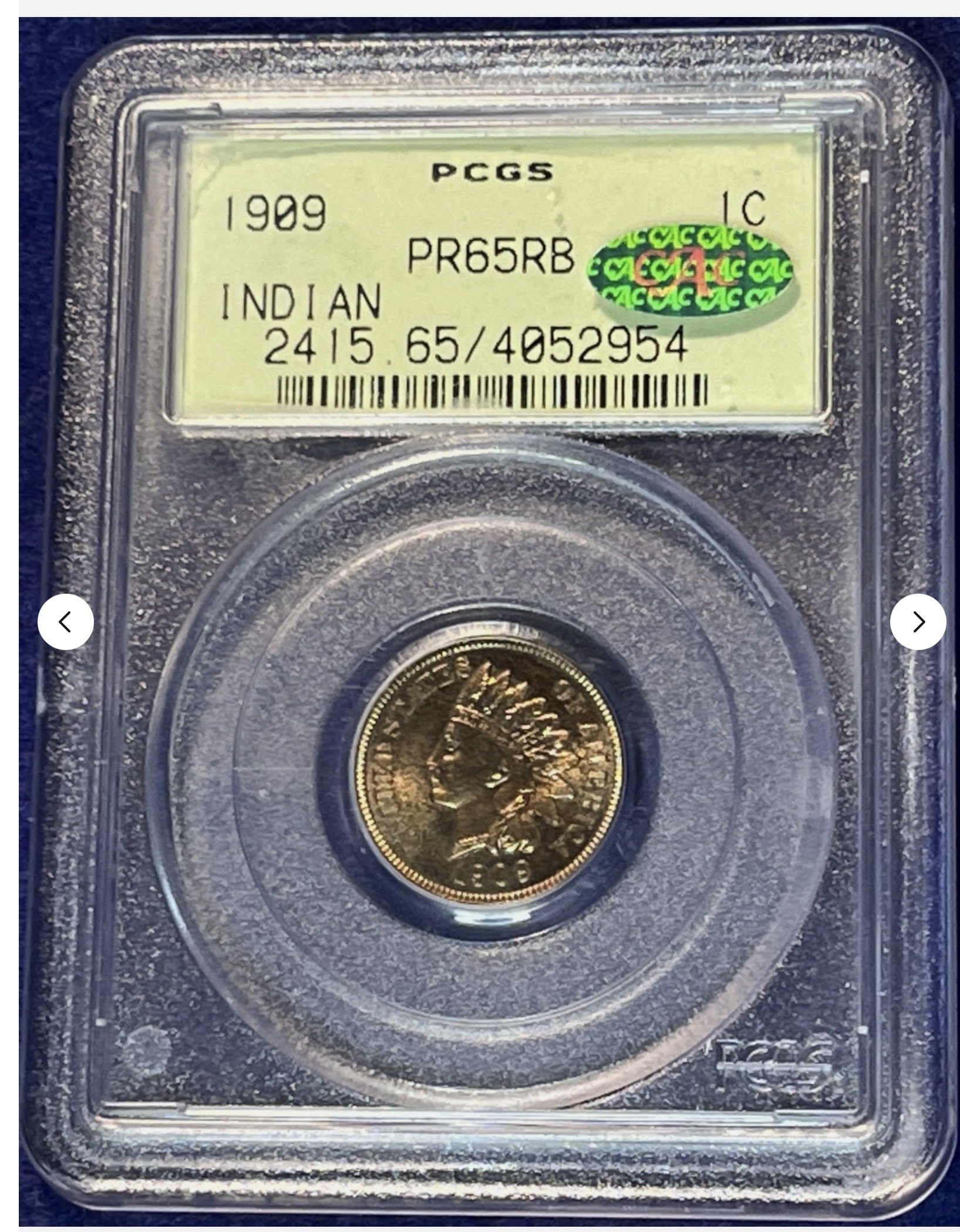
Four Pillars of Professional Holder Authentication
1. Font Forensics
Under 10x magnification, examine character weight and spacing. Early 3.0 generations show charming imperfections in their laser etching—a hallmark of pioneering technology.
2. Label Archaeology
The presence (3.1) or absence (3.0) of copyright text serves as temporal evidence. Always inspect reverse labels under angled light to reveal hidden details.
3. Plastic Composition
True 3.0 holders develop a subtle amber patina when viewed edge-on—a result of early UV inhibitors absent in later generations.
4. Sonic Signatures
Gently tap the holder. 3.0 slabs resonate with a deeper tone compared to 3.1’s higher-pitched ping—a testament to evolving polymer formulas.
Market Impact: Why Holder Generation Matters
Consider these real-world value differences from Heritage’s 2023 auctions:
| Coin Type | 3.0 Holder Value | 3.1 Holder Value | Premium |
|---|---|---|---|
| 1909-S VDB Lincoln Cent MS-65 | $8,500 | $6,200 | +37% |
| 1881-CC Morgan Dollar MS-64 | $1,750 | $1,300 | +35% |
| 1932-D Washington Quarter MS-66 | $16,000 | $12,500 | +28% |
*Data compiled from Heritage Auctions 2023 realized prices
The Eye Appeal Factor in Encapsulated Coins
Beyond technical grading, early holders enhance visual presentation:
- Luster magic: 3.0’s frosted seams create captivating light diffusion, accentuating cameo contrasts
- Toning enhancement: The deeper blue hue makes copper coins glow with warm patina
- Nostalgia premium: Collectors cherish early slabs as symbols of stricter standards
Professional Grader Insights: Beyond the Plastic
When evaluating certified coins, follow this essential protocol:
- Holder Authentication: Cross-reference with PCGS’ holder museum
- Grade Validation: Compare surfaces to current standards—early slabs often house undergraded treasures
- Market Positioning: Determine if crack-out regrading could enhance value without losing provenance
“I’ve held 3.0 holders containing coins that’d grade two points higher today. These slabs preserve grading history like amber preserves fossils.” – Senior PCGS Grader (anonymous)
Collectibility Conclusion: The Slab as Historical Artifact
PCGS 3.0 and 3.1 holders transcend mere protection—they’re historical documents in polymer. For discerning collectors:
- Registry sets increasingly demand original holder generations
- Transitional holders (3.0/3.1 hybrids) fetch 300%+ premiums as rare varieties
- Population reports now track holder generations alongside grade statistics
As our forum colleagues wisely note, chasing “old holder” status demands mastery of these nuances. Whether you’re drawn to 3.0’s pioneering spirit or 3.1’s refined elegance, remember: in our hobby, knowledge doesn’t just build collections—it forges numismatic legacies.
Related Resources
You might also find these related articles helpful:
- Slab Secrets: How Vintage PCGS Holders Could Hide Valuable Error Coins – Most collectors stroll right past the tiny imperfections that transform ordinary coins into rare treasures. But for us e…
- Secrets in the Slab: Unraveling the Historical Context of PCGS Generation 3 Holders – Every relic whispers secrets from its era – and for collectors, PCGS Generation 3 holders aren’t just plastic slab…
- Vintage PCGS Slab Valuation: Why Generation 3.0 & 3.1 Hold Hidden Collector Premiums – Beyond Book Value: The True Market Pulse of Early PCGS Holders Forget price guides—the real story of your early PCGS sla…
