White Peace Dollars: Expert Authentication Guide to Spotting Counterfeits
December 13, 2025Preserving the Brilliance: Expert Conservation Strategies for Your White Peace Dollars
December 13, 2025
Grading Your White Peace Dollars: How a Single Grade Can Mean $10 or $10,000
For serious collectors, condition isn’t just important—it’s everything. Let me walk you through analyzing those critical high points and fields to truly understand your Peace dollar’s grade. Discover why some coins command life-changing premiums while others linger in bargain bins.
The Anatomy of a Silver Dollar’s Numismatic Value
When collectors showcase their “white” Peace dollars online, we’re witnessing a masterclass in grading subtleties. These iconic 90% silver coins (1921-1935) hinge entirely on four make-or-break factors: wear patterns, luster integrity, strike quality, and that elusive eye appeal. Join me as we examine real examples showing why a 1923-S in pristine MS65 might fetch $1,500 while its AU counterpart barely reaches $40.
Wear Patterns: A Coin’s Life Story in Metal
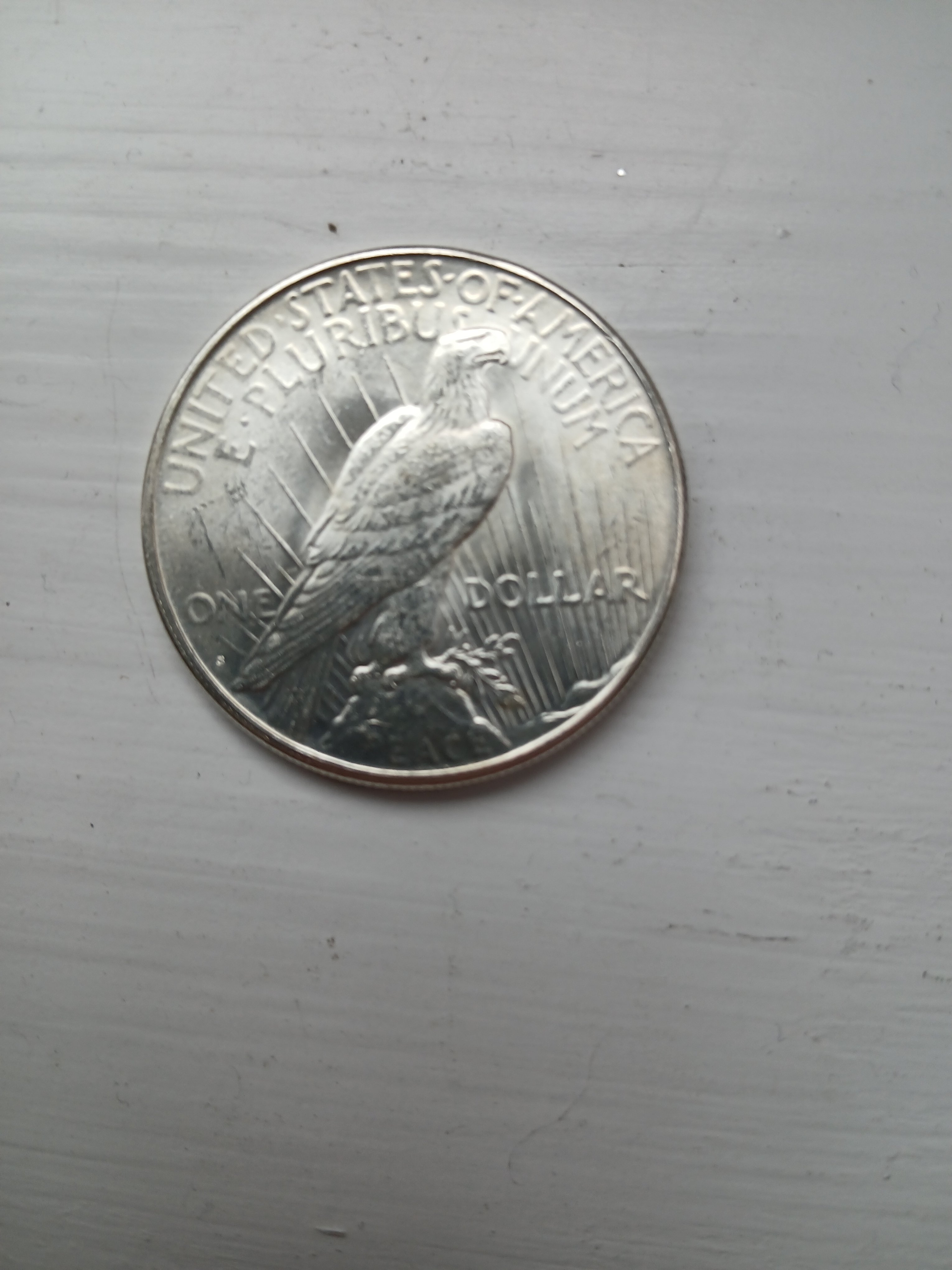
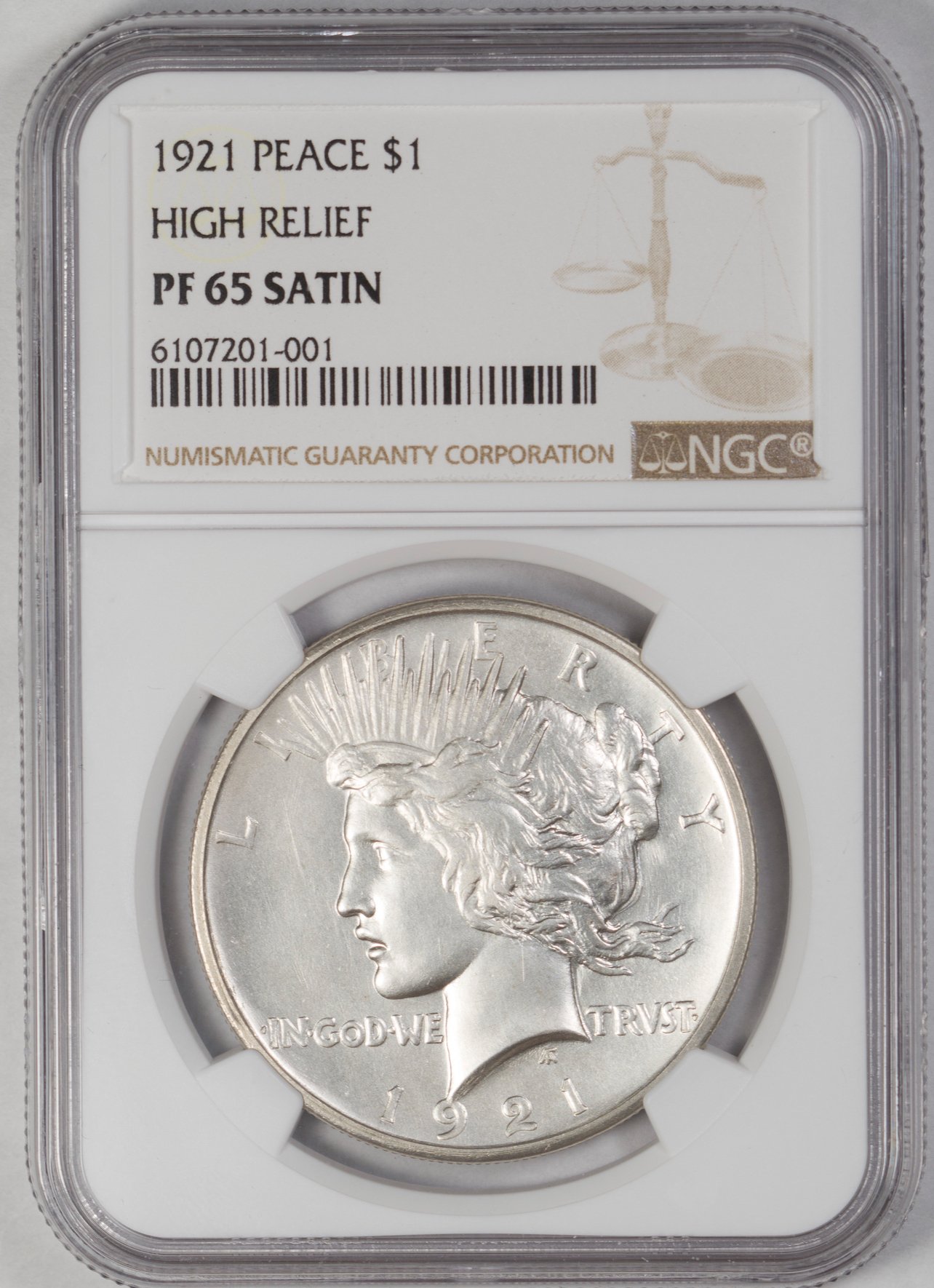
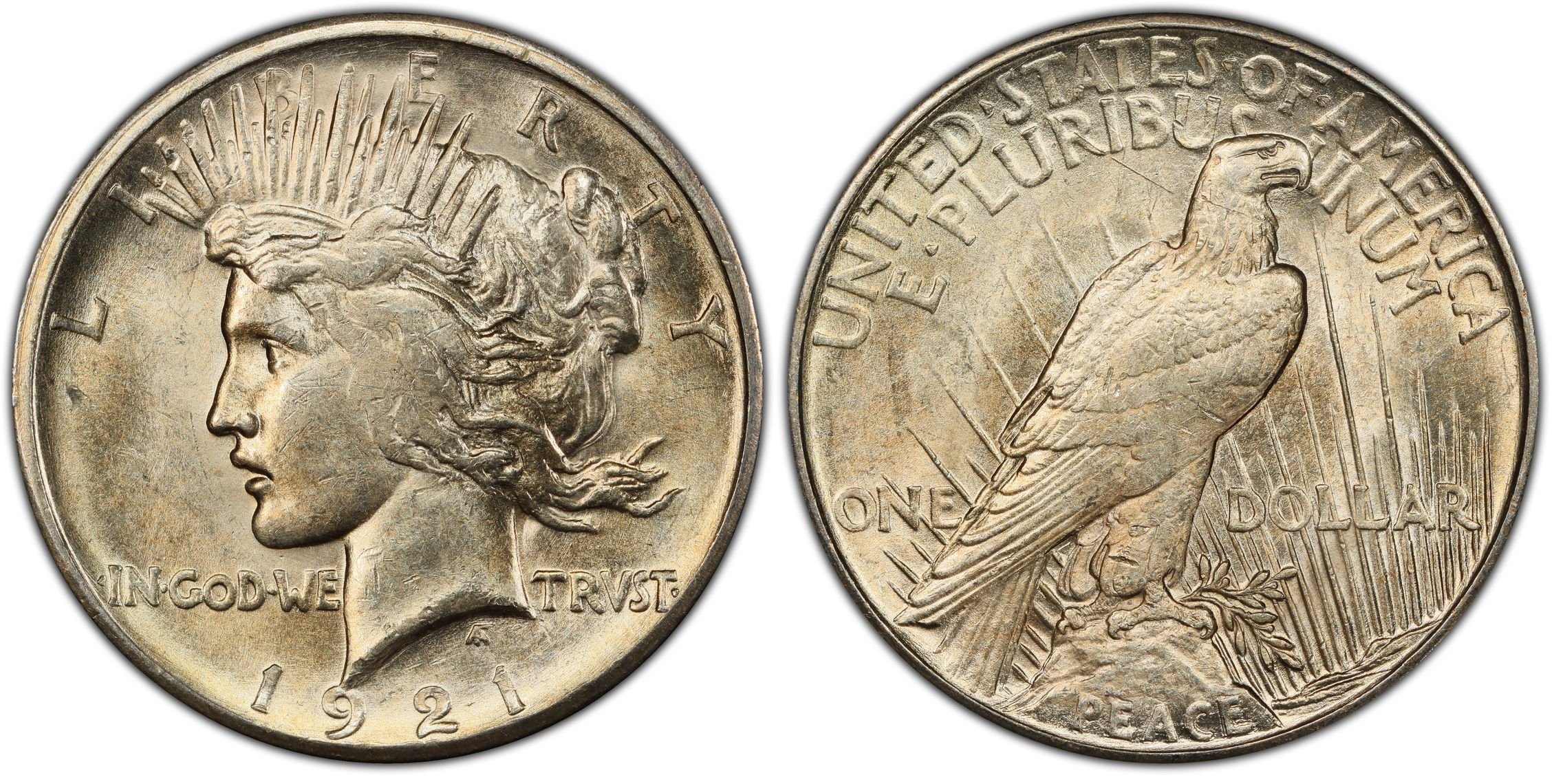
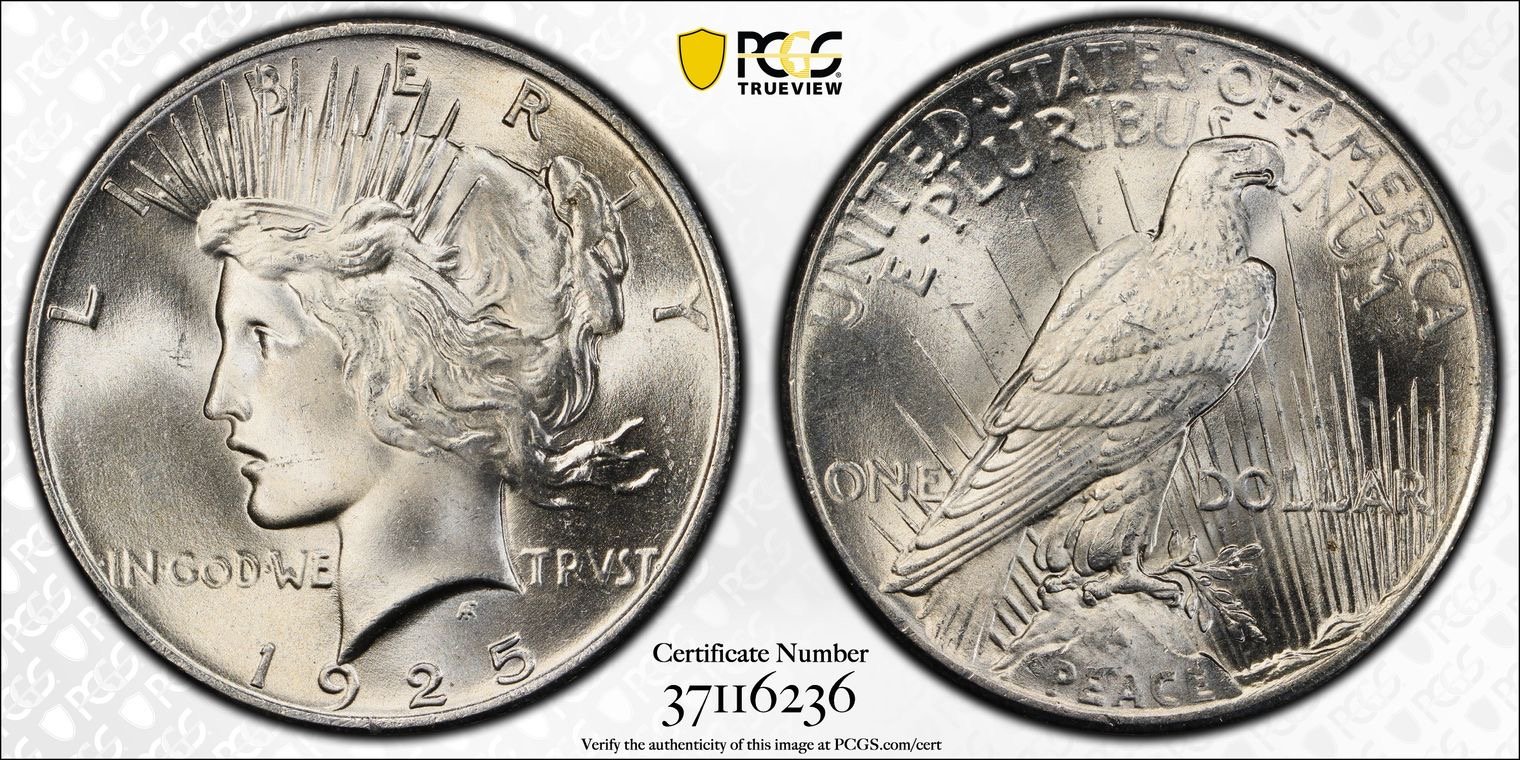
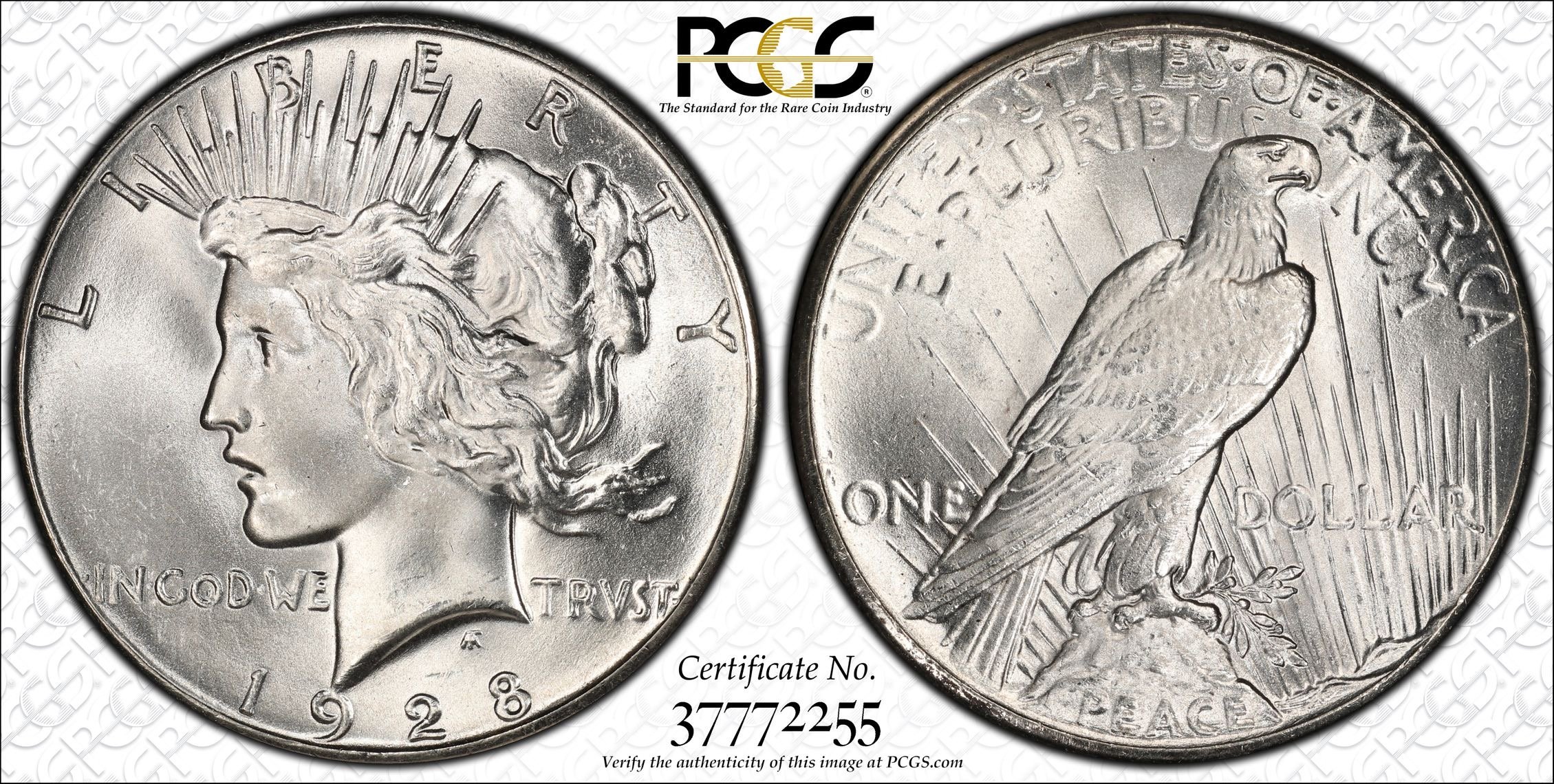
Take the forum’s featured 1923-S (Image 1, Image 2). True mint condition specimens reveal:
- Crisp hair strands above Liberty’s ear that look freshly engraved
- Breast feathers on the eagle so sharp they could catch your thumb
- Uninterrupted metal flow across the cheek’s highest points
When the owner noted “some rub marks but no heavy dings,” they perfectly described the knife-edge between AU58 and MS60. Always inspect the reverse wheat stalks—flattened tips scream “circulated!” to professional graders.
Luster: The Secret Sauce Behind Skyrocketing Premiums
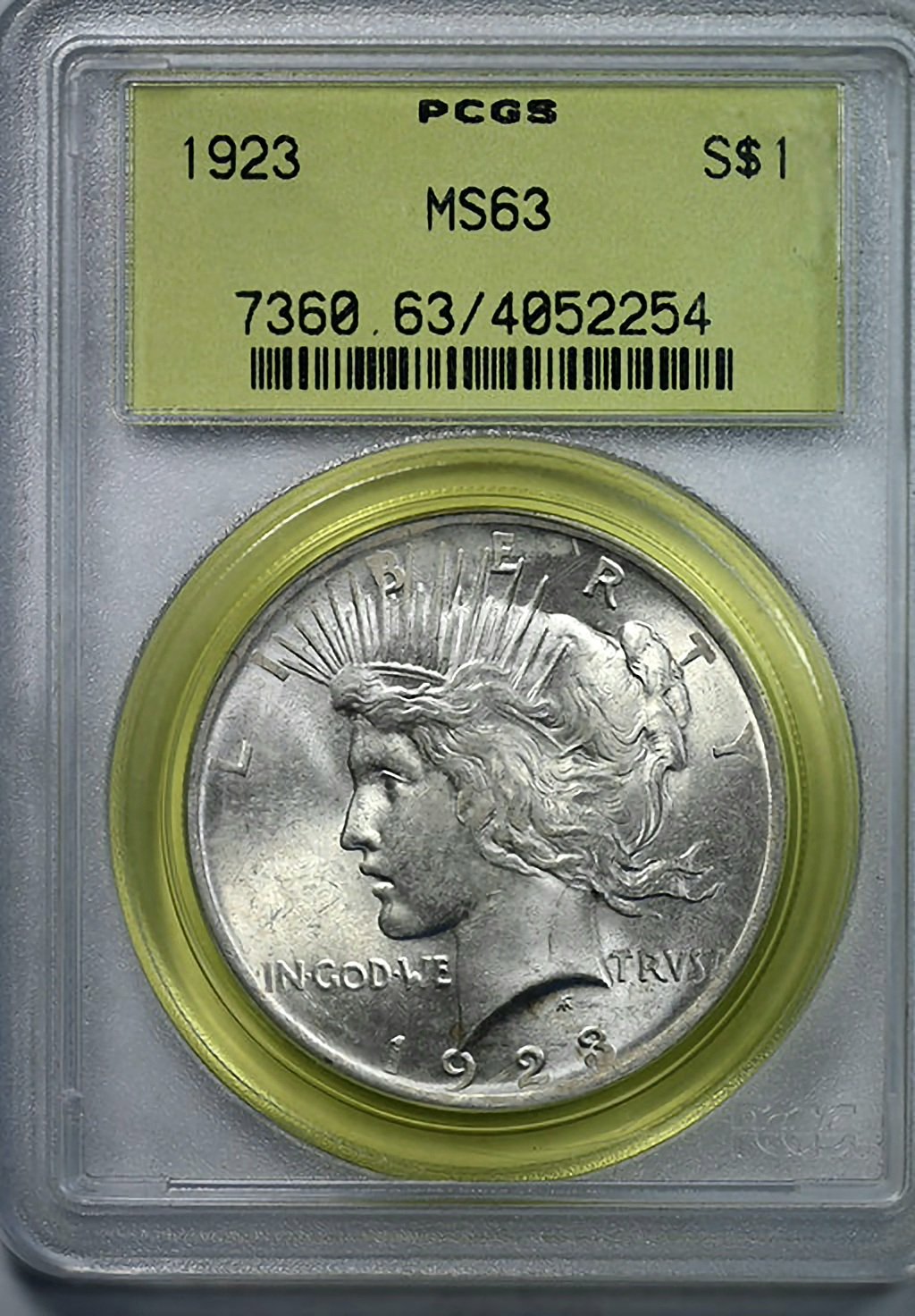
Notice how seasoned collectors drool over “blazers” and “PQ pieces” (Example). Understanding luster tiers is crucial:
- MS60-63: Partial cartwheel effect, like moonlight on choppy water
- MS64: 85% complete luster rotation—think liquid mercury
- MS65+: Unbroken “liquid metal” flow that dances under a lamp
That heated debate over “swarthy toning” versus “looks white in hand” (Mystery coin) proves artificial lighting can hide the satin-to-mirror transition separating MS64 from MS65 gems.
Strike Quality: San Francisco’s Notorious Weakness
Multiple collectors griped about 1923-S strikes being “as soft as butter.” This mint consistently produced Peace dollars with:
- Radial lines that fade into oblivion at the center
- Olive branch details resembling abstract art
- LIBERTY letters missing their serifs
That exceptional 1923-S example (Obverse, Reverse) shows why sharp strikes make collectors weak-kneed—full rays and a beak that could slice paper. No wonder PCGS awards “strike character” premiums!
Eye Appeal: When Coins Speak to the Soul
The collective gasp over that CAC-approved MS66+ stunner (Heart-stopper) proves eye appeal transcends technical grades. NGC’s evaluation matrix reads like a love letter:
“1) Surface preservation 2) Luster quality 3) Strike sharpness 4) Toning/color 5) Physical attractiveness”
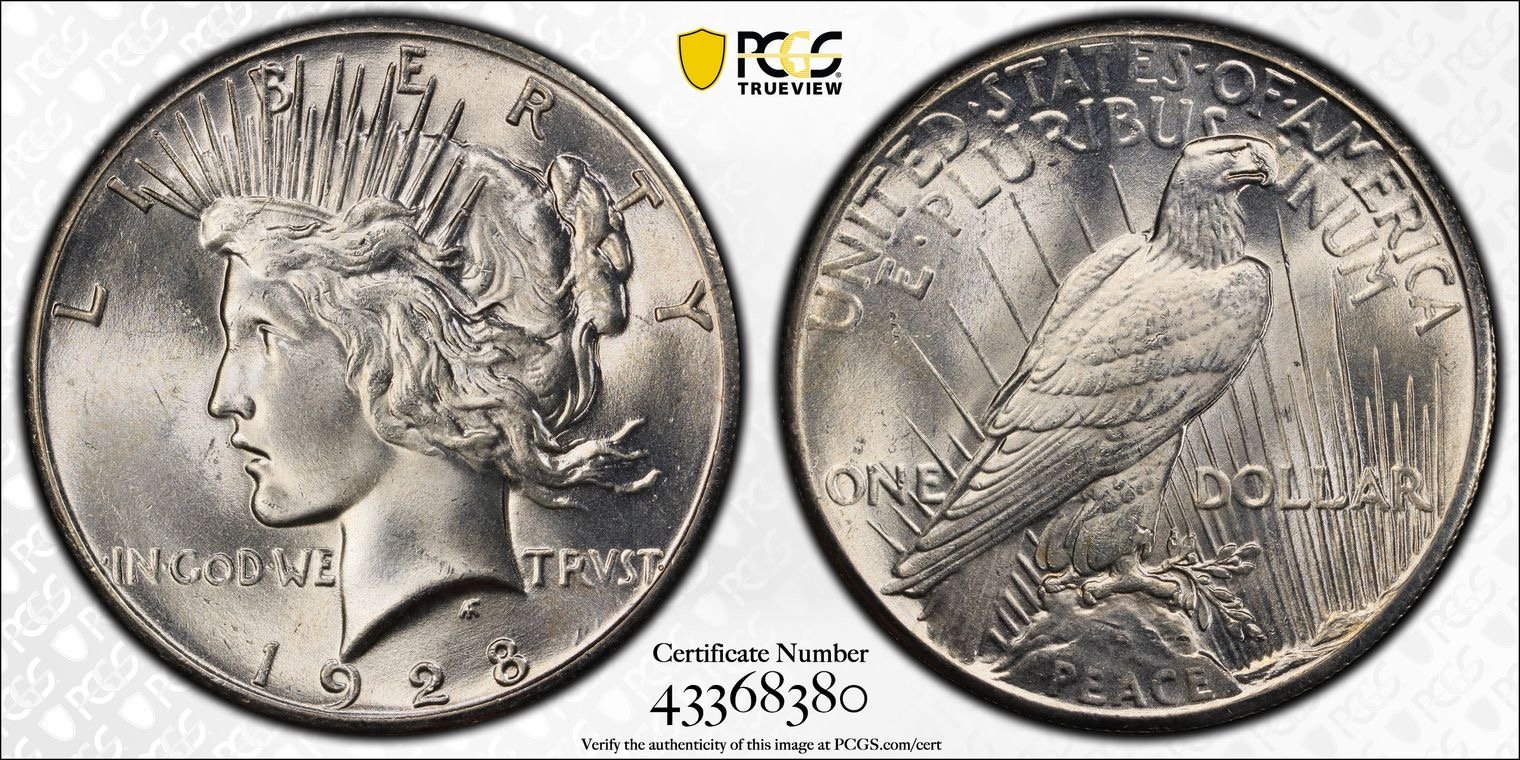
That “breathtaking” MS65 1928 (Showstopper) with electric luster likely snagged a CAC sticker despite technical flaws—proof that market value sometimes marries passion over paperwork.
Cracking the Code: PCGS vs. NGC vs. CAC
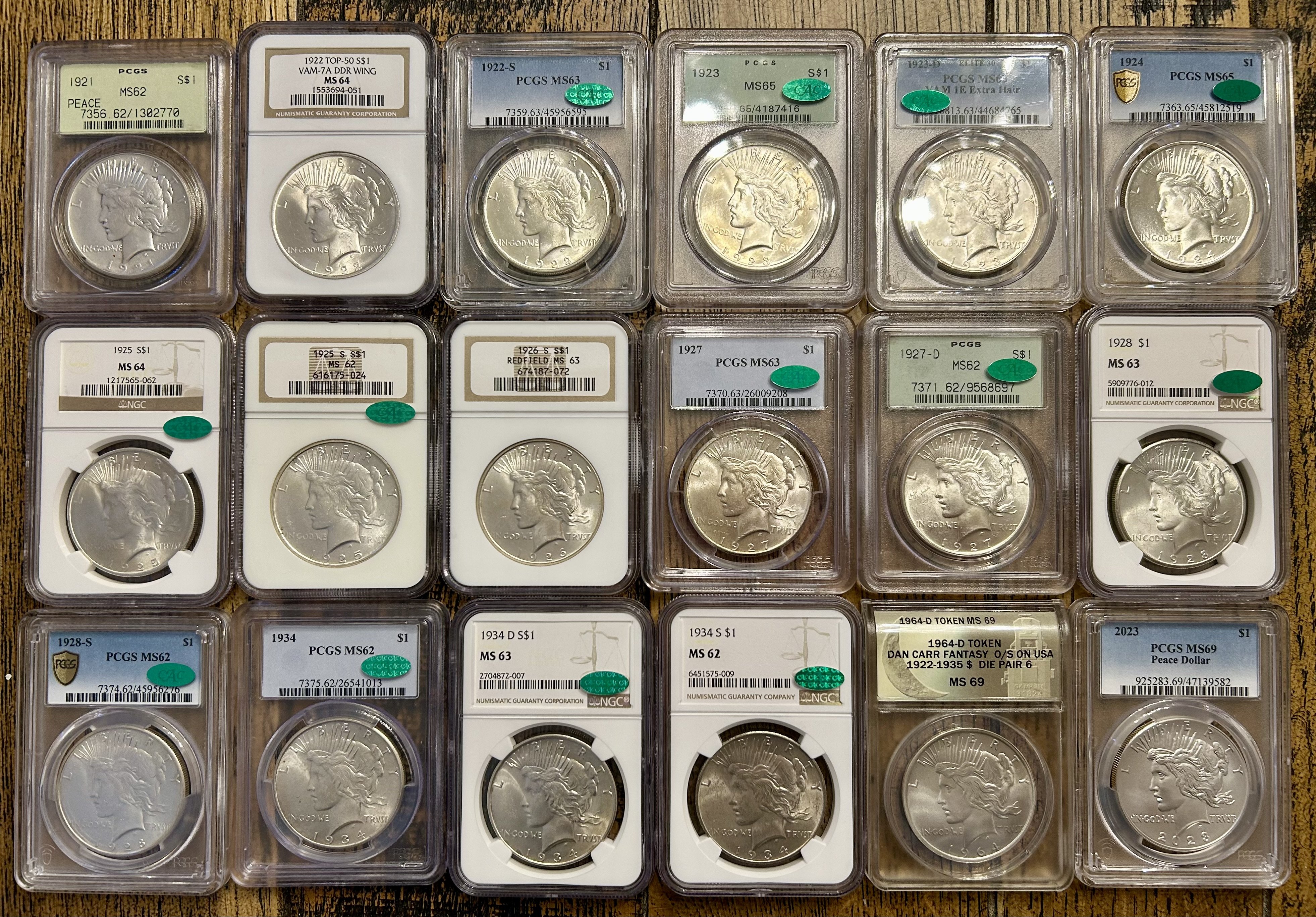
When forum veterans mention “Gen 2.2 holders” or “CAC-approved,” they’re speaking our secret language. Key insights:
- PCGS “rattlers” (pre-1998) often cradle undergraded sleepers
- NGC’s “Plus” system rewards coins that make you catch your breath
- CAC stickers add 15-40% premiums for truly special pieces
One member’s journey from MS64 CAC to 64+ demonstrates tiered grading’s magic—same number, different universe of collectibility.
Smart Collecting: Date Sets vs. Condition Rarities
A savvy collector’s date set strategy reveals grading economics at work:
- 1927-P in MS65 (~$1,200) vs. 1927-D’s staggering $4,500+ price
- 1934-S in MS65 (Rare beauty) commanding $6k+ versus $400 for Philly
- Targeted upgrades (like his 1935-P to MS66+) stretching budgets wisely
The $10,000 Dilemma: To Resubmit or Not?
That tantalizing MS65 1928 (64+ CAC example) keeps collectors up at night. Grading veterans recommend:
- $35 reconsideration for obvious oversights
- $100+ regrades only after professional conservation
- Crossing to NGC when a coin’s beauty outshines its paperwork
Conclusion: The Alchemy of Turning Silver Into Gold
These shared Peace dollars prove expert grading transforms common silver into numismatic treasure. That razor-struck 1923-S becomes a $1k+ trophy. An MS66+ CAC specimen enters the $10k stratosphere. By mastering wear patterns, luster dynamics, strike nuances, and eye appeal alchemy, we elevate circulated silver into numismatic royalty. As one wise collector reminded us: “Great finds come to those who understand the difference between ordinary metal and grading perfection.”
Related Resources
You might also find these related articles helpful:
- White Peace Dollars: Expert Authentication Guide to Spotting Counterfeits – Why Authentication Matters Now More Than Ever In today’s market, where even seasoned collectors can be fooled by a…
- Hunting Hidden Treasures: The Expert’s Guide to Error Detection on White Peace Dollars – The Devil’s in the Details: How Microscopic Flaws Create Numismatic Fortunes What if I told you the coin in your pocket …
- The Hidden History Behind America’s Peace Dollars: A Symbol of Post-War Hope – The Historical Significance of Peace Dollars What if you could hold a piece of America’s hope in your hand? That&#…