Uncovering the Gilded Age: The Historical Legacy of Fairmont-Pedigreed U.S. Gold Coins
December 13, 2025Authenticating Fairmont Collection Coins: Detecting Counterfeit Gold Eagles and Indian Heads
December 13, 2025
The Allure of Fairmont-Pedigreed Coins
While most see only currency, collectors recognize history hidden beneath the surface. The Fairmont Collection isn’t just gold – it’s a treasure trove of minting stories waiting to be deciphered. As one sharp-eyed forum member discovered:
“I bought this $5 Indian for my type set… neither did I purchase it for the mint error, though that unexpected discovery made my heart race!”
This perfectly illustrates how pedigree and imperfections combine to create extraordinary numismatic value. When provenance meets striking anomalies, you hold lightning in a bottle.
Mastering the Art of Error Identification
Fairmont coins transport us to the early U.S. mints – Classic Heads, Liberty Eagles, and Indian Heads struck when quality control relied more on human eyes than machine precision. Let’s explore four error types that elevate both collectibility and historical significance in these golden treasures:
1. Die Cracks: Golden Whispers of History
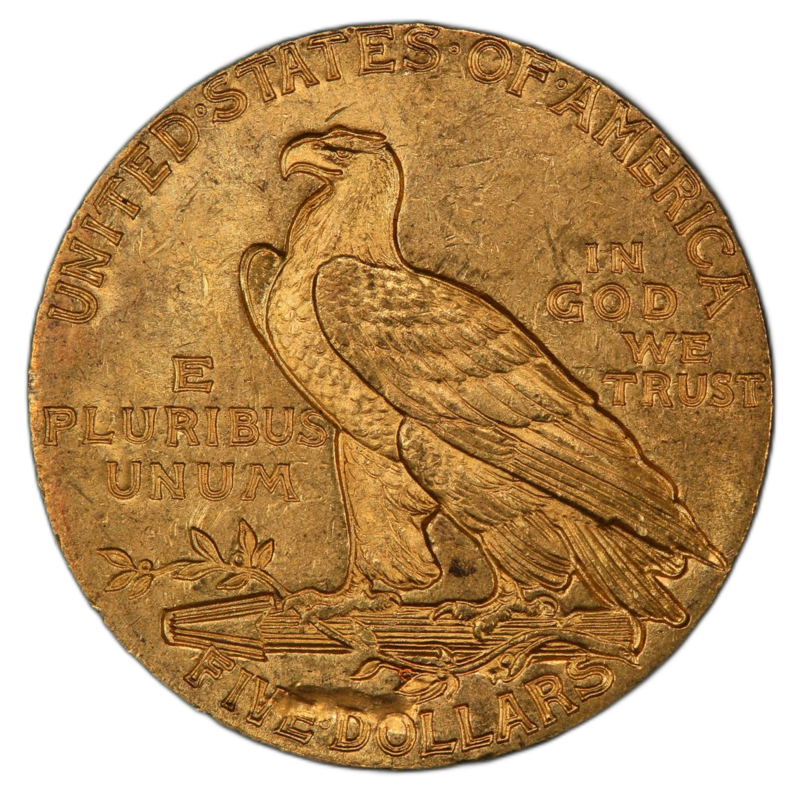
Seek out those delicate raised lines like those gracing this 1911 $5 Indian Head reverse. These “whispering fractures” reveal overworked dies pushed beyond their limits. On gold coins, their subtle beauty often hides near reeded edges or lettering. Remember:
- Location: Follows the coin’s contours like botanical veins
- Texture: Smooth raised lines distinct from scratches
- Value Impact: Dramatic examples command 20-50% premiums in mint condition
2. Double Dies: The Ghostly Echo
When dies received multiple misaligned impressions, they birthed ethereal doubling like the Classic Head obverse shown here. Notice how LIBERTY wears a shadowy crown. Gold coins rarely exhibit dramatic doubling – even minor examples carry numismatic weight when preserved with original luster.
3. Mint Mark Variations: The Hidden Letter Game
As one collector confessed:
“That tiny ‘D’ mintmark? I nearly missed it completely!”
Early mintmarks were hand-punched with artisan inconsistency, creating:
- Tilted positions (15° rotations whisper “Southern mint”)
- Overlapping strikes (letters dancing across the field)
- “Micro-mintmarks” requiring loupe discovery
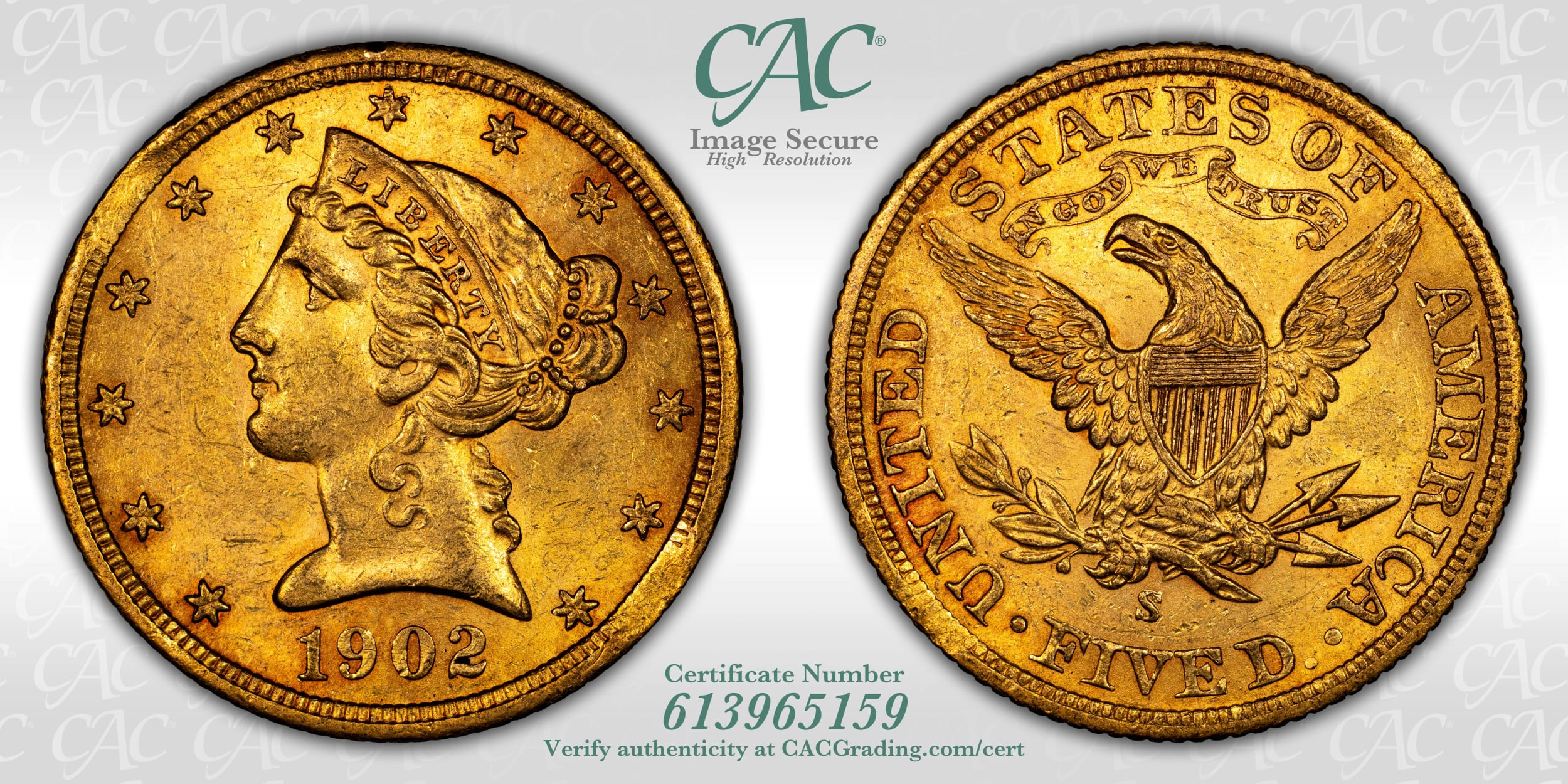
This Liberty Eagle showcases a crisp Dahlonega D – pure eye appeal for provenance-conscious collectors.
4. Striking Errors: When Mint Chaos Meets Golden Canvas
The Fairmont Collection preserves spectacular mechanical dramas:
- Strikethroughs: This coin’s reverse bears a fabric impression – perhaps a mint worker’s glove forever memorialized
- Clipped Planchets: This dramatic specimen lost 15% to misaligned blanking tools
- Off-Center Strikes: Rarer than hen’s teeth in gold; this 5% misalignment showcases liquid metal flow
Provenance vs. Pedigree: The Authentication Advantage
While forum debates rage about terminology (
“I know it’s a lost cause, but let’s preserve *provenance* as the proper term!”
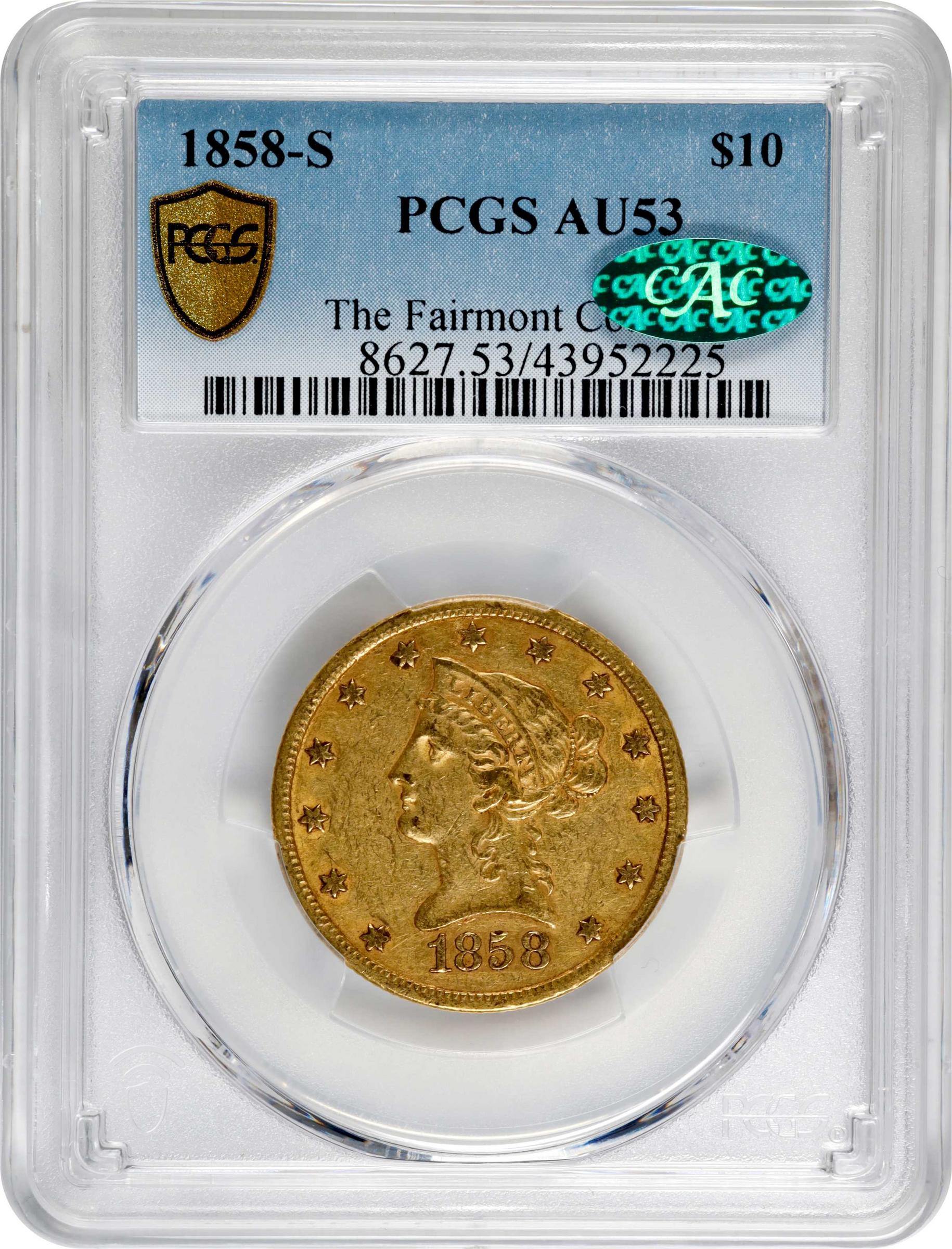
), wise collectors prioritize both. Fairmont coins arrive in distinctive blue/gold packaging with NGC certification – the golden standard for:
- 15-30% higher numismatic value at auction
- Error authentication (no post-mint damage doubts)
- Historical traceability as shown on this NGC label
Value Guide: When Errors Meet Golden Opportunities
One member wisely acquired their treasure
“with a modest premium during gold’s $1k dip – now the error makes it my crown jewel.”
Today’s market rewards these rare varieties handsomely:
| Coin Type | Baseline Value | With Significant Error |
|---|---|---|
| 1911 $5 Indian | $600 | $1,200+ (strikethrough) |
| 1854 $1 Liberty | $400 | $900 (clipped planchet) |
| 1839 Classic Head | $1,100 | $2,500 (commanding die crack) |
Note: Values reflect strong eye appeal and NGC certification
Conclusion: Why Fairmont Errors Captivate Collectors
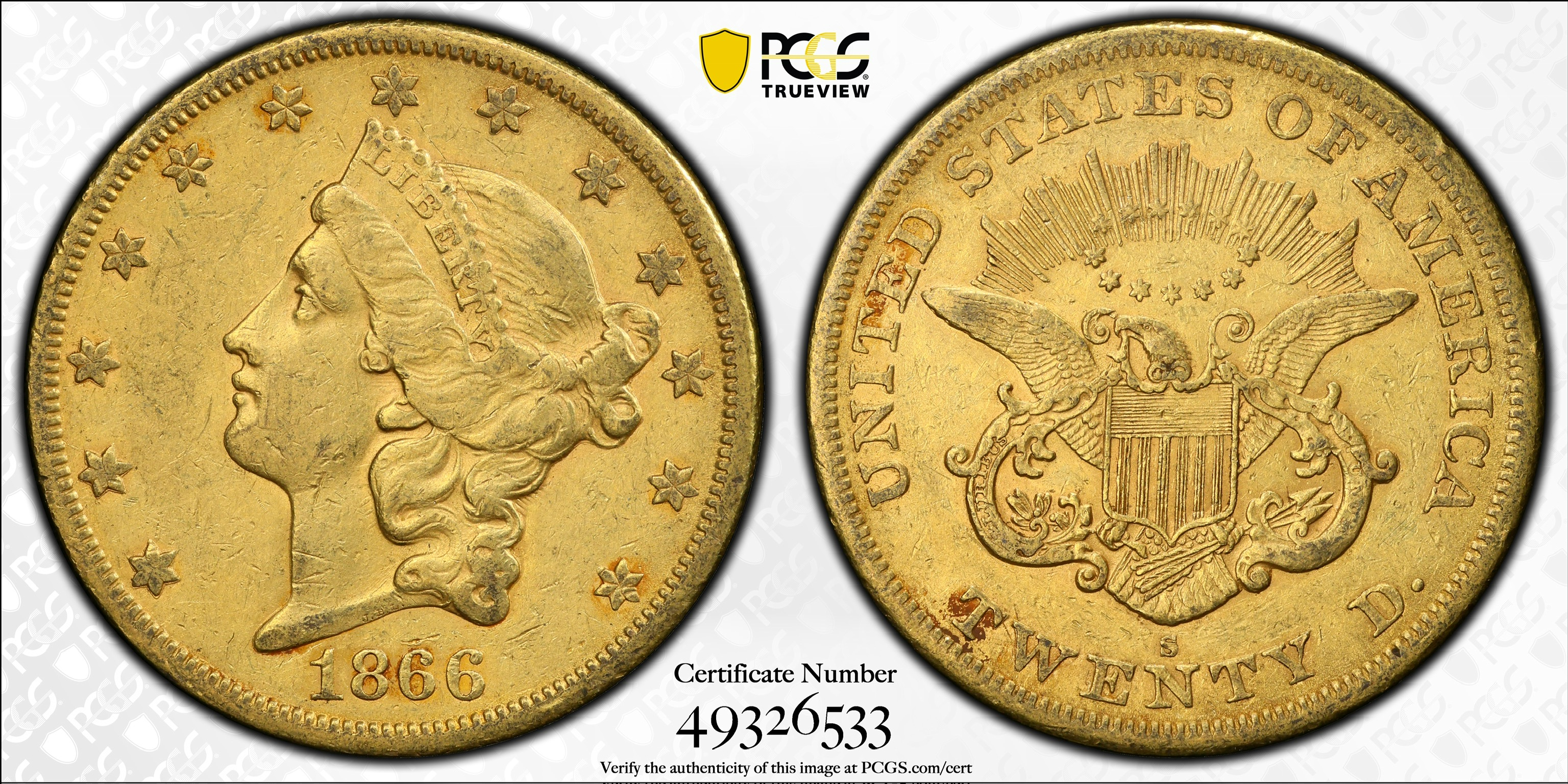
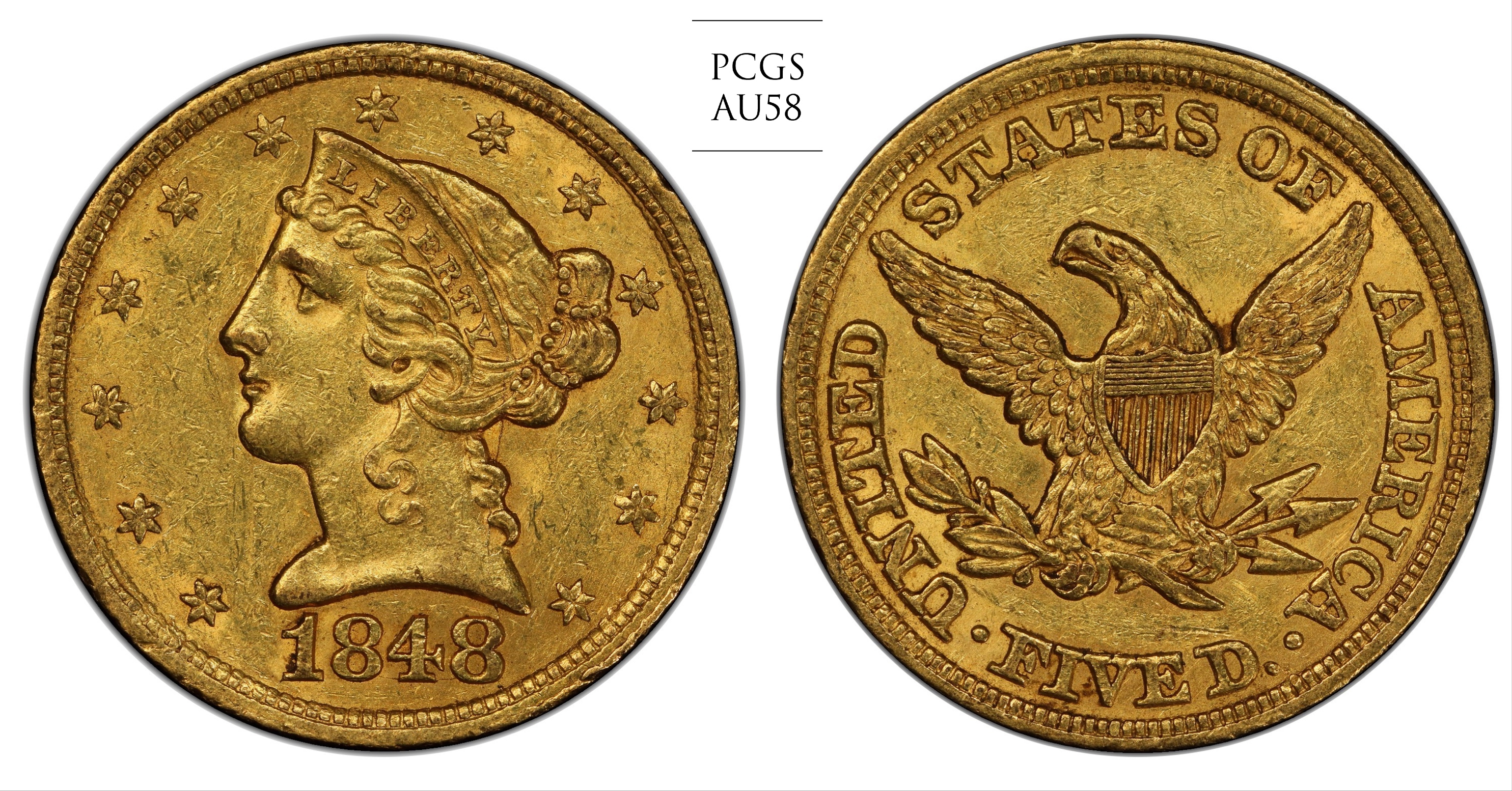
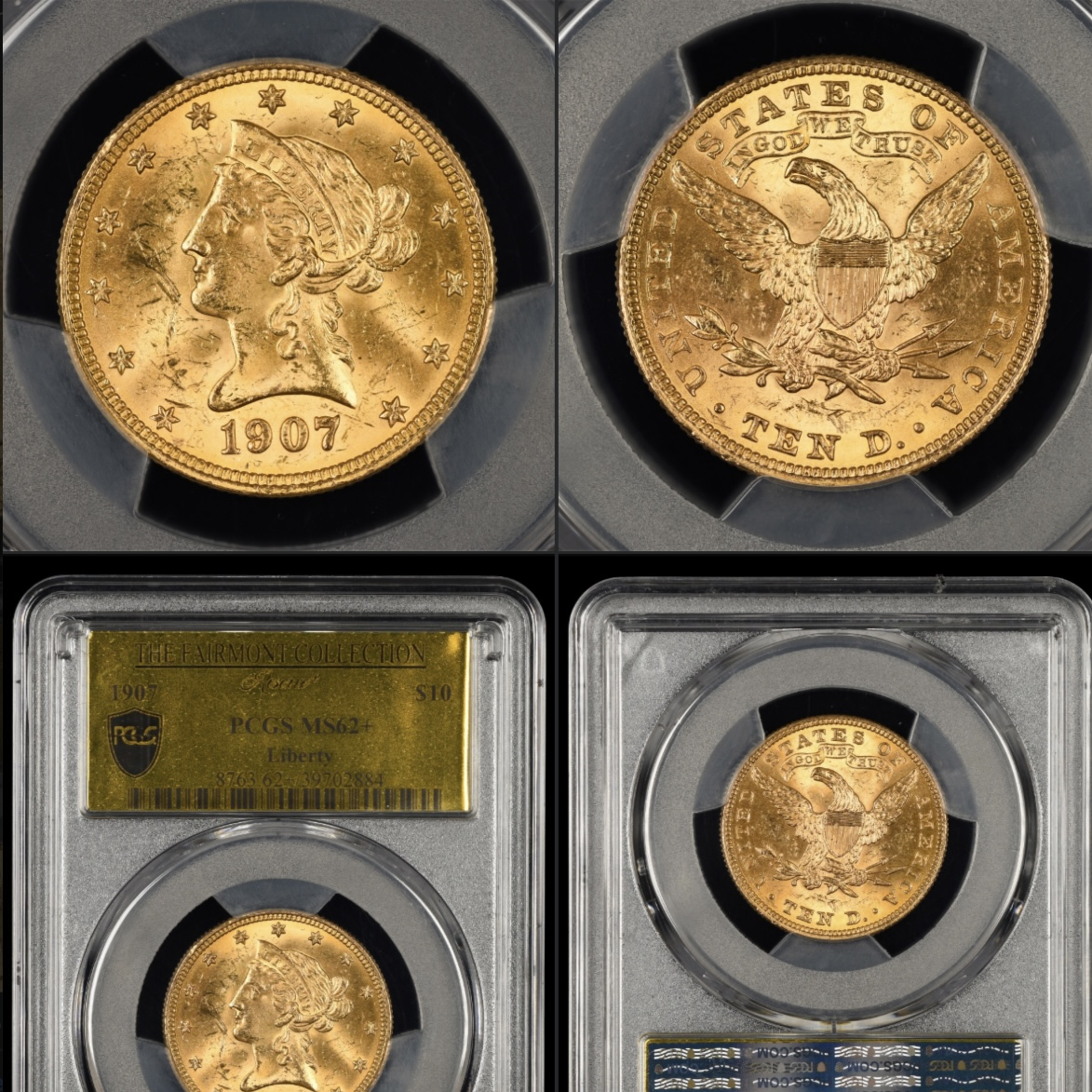
There’s nothing quite like holding a Fairmont error coin – you’re gripping gold that survived minting chaos, preserved through generations, now bearing NGC’s pedigree. As this Liberty Eagle duo proves, subtle anomalies become museum-worthy when backed by provenance. That “common” $5 Indian in your tray? Under proper lighting, its patina might reveal a fortune. Arm yourself with a loupe, study these golden imperfections, and join the hunt – history’s waiting to be rediscovered.
Related Resources
You might also find these related articles helpful:
- Unearthing Pristine Peace Dollars: The Roll Hunter’s Guide to Cherry-Picking Silver Treasures – Hunt Like a Pro: Finding Peace Dollars Without Pricey Dealers Forget auction house markups – some of the greatest …
- Decoding Peace Dollar Grades: How Condition Turns Common Silver into Collector Gold – Grading Your White Peace Dollars: How a Single Grade Can Mean $10 or $10,000 For serious collectors, condition isn’…
- White Peace Dollars: Expert Authentication Guide to Spotting Counterfeits – Why Authentication Matters Now More Than Ever In today’s market, where even seasoned collectors can be fooled by a…