


Advanced 1952 Proof Cent Analysis: Pro Techniques for Identifying Cameo Coins
December 5, 2025How the 1952 Proof Cent Debate Will Transform Digital Numismatics by 2030
December 5, 2025
My 25-Year Obsession: The Raw 1952 Proof Cent That Taught Me Everything
Let me tell you about the coin that’s haunted my dreams since the Clinton administration. For a quarter-century, I’ve chased one specific Lincoln cent – a raw 1952 proof with authentic Cameo contrast. What started as numismatic curiosity became a masterclass in patience and perception. Today, I’ll walk you through my messy, expensive education in grading traps and photographic deception – complete with case studies from my own collection.
The Coin That Started It All
Why This Particular Cent?
Picture this: It’s 1998. I’m holding a gorgeous 1951 proof cent with frosty details that catch the light just right. “How hard could the 1952 be?” I wondered. Famous last words. While I’d eventually find Cameo examples from 1950 through 1964 (except 1955), the 1952 became my Moby Dick. With only 81,980 proof sets minted, finding one with true Cameo contrast felt like spotting a specific snowflake in a blizzard.
The Cameo Reality Check
Early on, I fell hard for what I call “camera magic.” That perfect frosty Lincoln portrait glowing in a dealer’s photo? Often just camera flash bouncing off plastic packaging. I spent $1,700 on a “Cameo candidate” in 2003 that arrived looking as flat as Kansas. That heart-stopping moment when you open the package and realize you’ve been duped? Yeah, I’ve got the t-shirt.
Three Painful Lessons (With Receipts)
1. The Photo Trap Case Study
Take this 1952 candidate I bought last year:
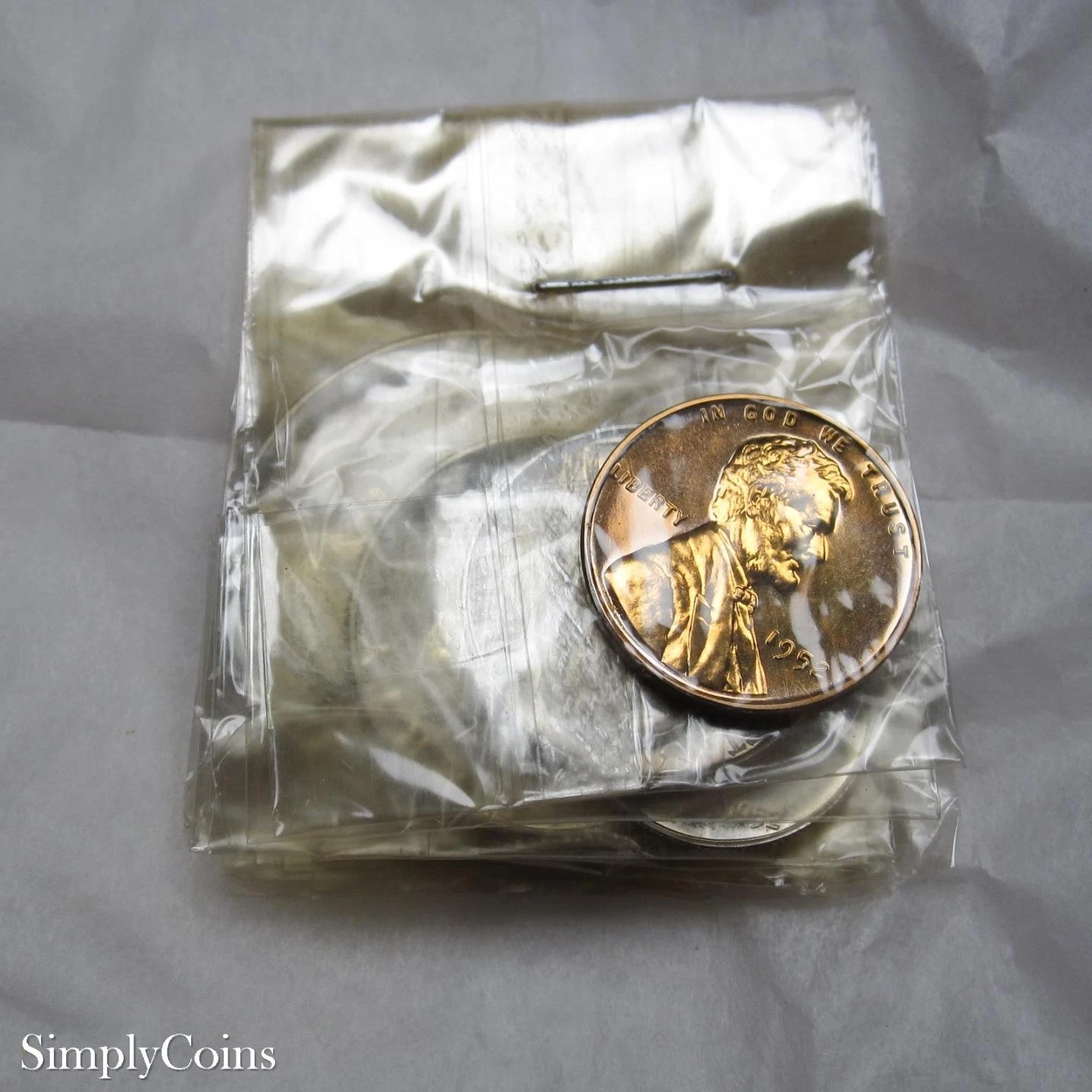
Forum experts split 50/50 – half saw Cameo potential, half called it brilliant. Why? Because the seller used angled lighting to create artificial frost. My rule now: Always demand video under natural light. Photos lie more than politicians.
2. Grading Service Inconsistencies
Here’s a dirty secret: PCGS’s official policy (“both sides must show contrast”) doesn’t always hold. At the 2015 FUN Show, David Hall examined my 1953 candidate and muttered: “For Lincoln cents, the obverse carries the vote.” I’ve since seen coins get CAM designation with spectacular obverse frost and mediocre reverse contrast.
3. Packaging Deception
Original government packaging plays cruel tricks. What looks like mirror fields often proves to be plastic reflection. That “frost” you see? Might be cellulose degradation. My turning point came when I developed this field test after wasting $900 on a hazy impostor:
- Rotate under 5000K LED – true mirrors stay obsidian-black
- Match frost patterns to certified CAM coins
- Search for artificial toning that mimics contrast
The 1951 Miracle That Changed Everything
A $375 Gamble Pays Off
In 2019, I risked $375 on this “maybe CAM” 1951 cent still sealed in Capital Plastics:
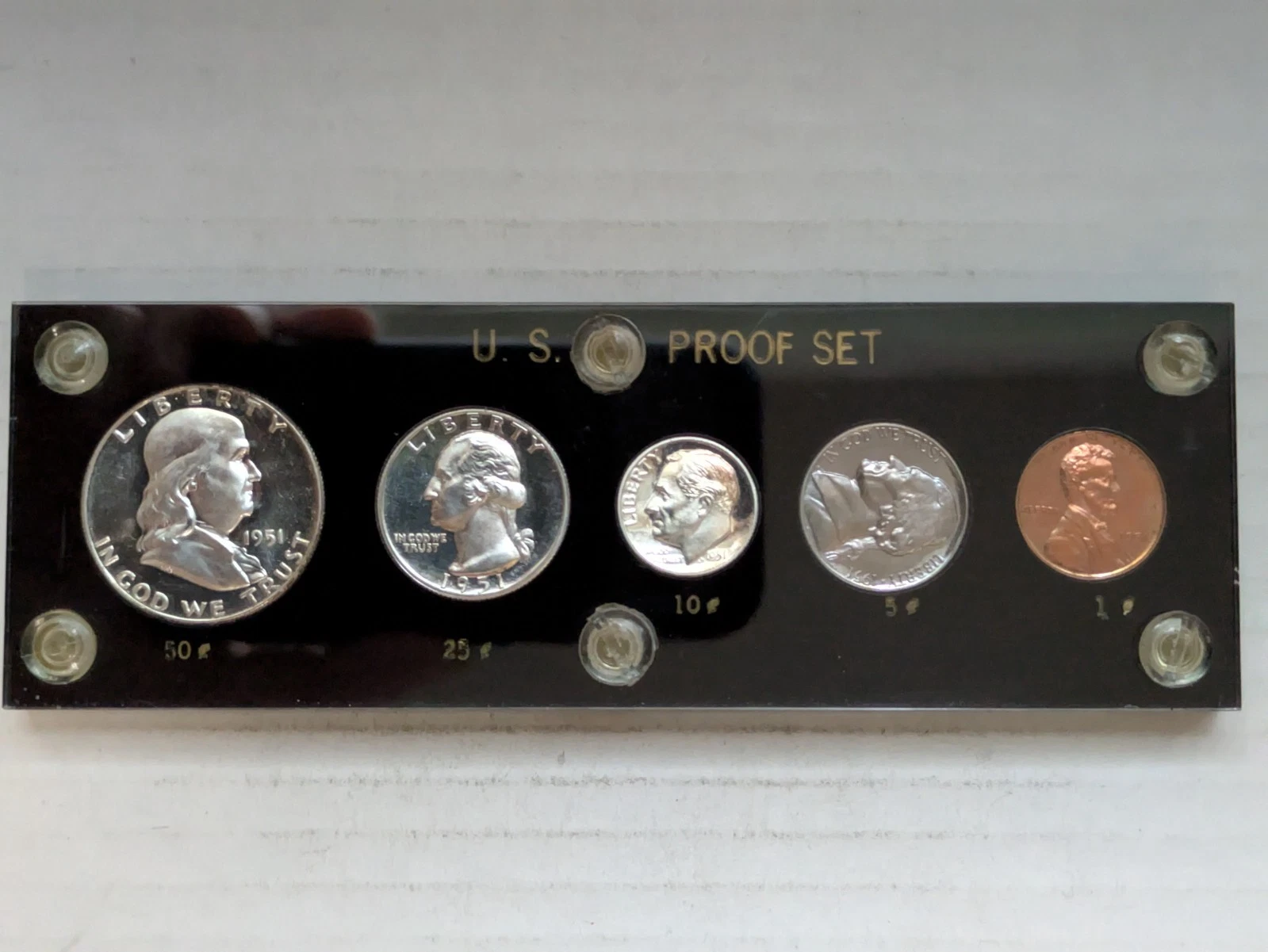
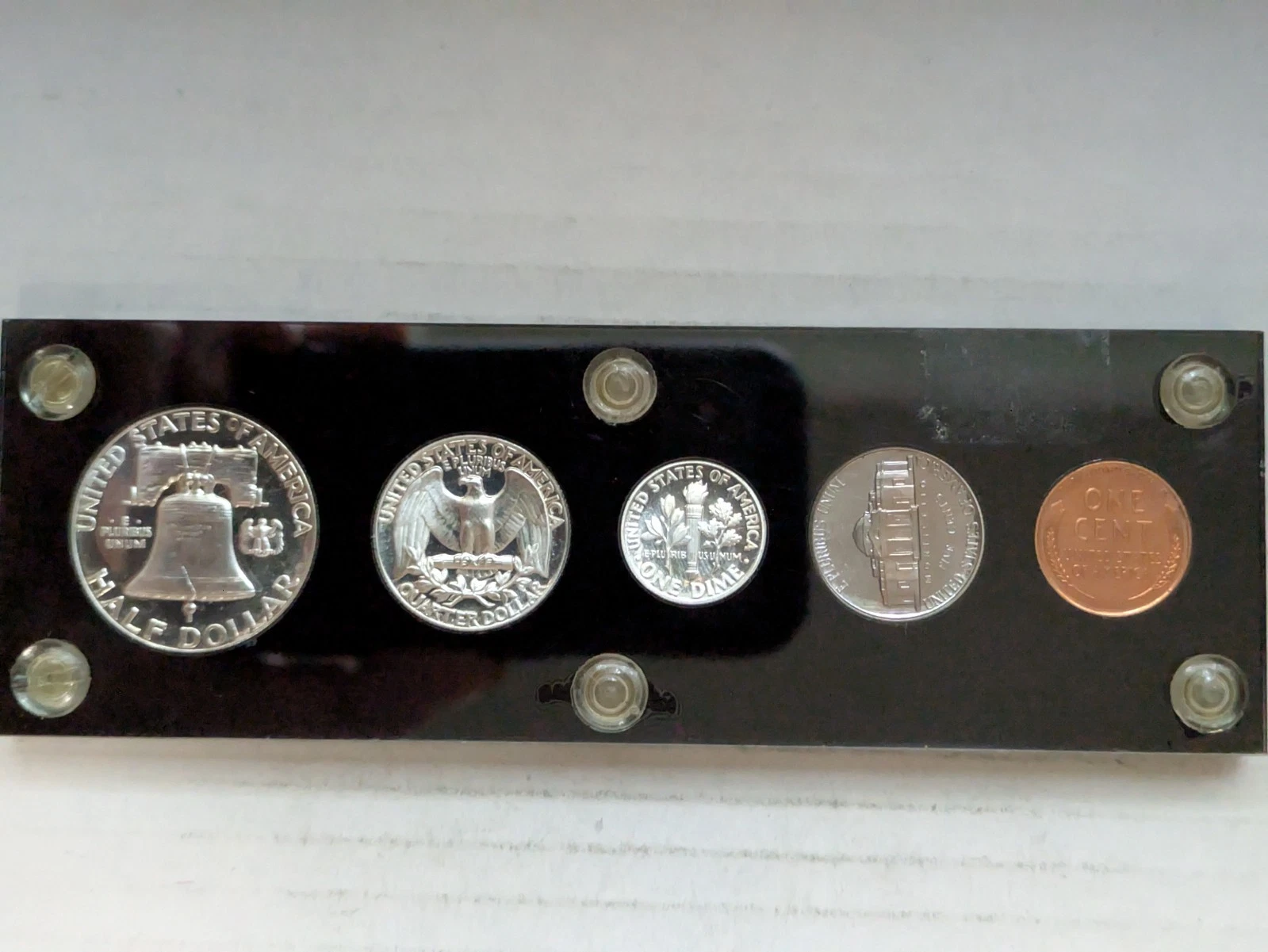
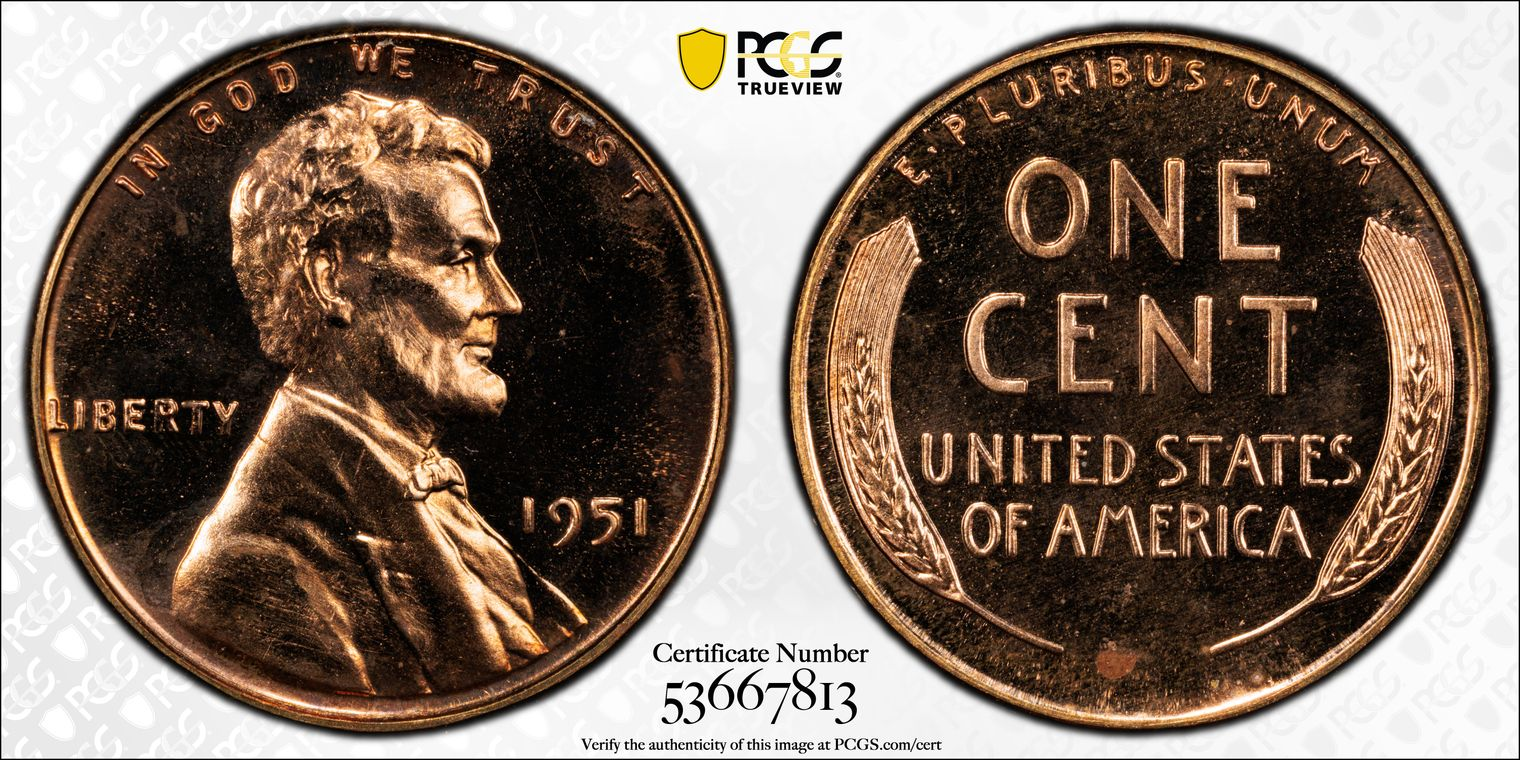
Collector forums roasted me: “Waste of money,” “Clearly brilliant.” PCGS disagreed: PF66CAM. That $375 gamble became a $2,500 asset overnight. The lesson? Book knowledge bows to hands-on experience.
My 1952 Reality Check
Grail Acquired – Now What?
After 25 years, I finally landed a pristine 1952 proof set. The cent looked magical in photos, but reality bites:
“Five gorgeous coins. The cent shows lovely frost, but probably not enough for Cameo status.”
Even now, the verdict remains unclear. But here’s the kicker – the chase taught me more than any “easy” Cameo ever could.
Field-Tested CAM Hunting Strategies
Tools That Actually Work
- Lighting Setup: Two 5000K LED lamps at 45° angles
- Magnification Sweet Spot: 5x loupe for frost, 10x for field inspection
- Photo Analysis: Crush highlights to reveal weak contrast areas
Grading Service Insider Tips
After 37 submission attempts, I learned:
- PCGS demands stronger reverse contrast than NGC
- CAM appeals succeed with time-stamped comparison photos
- Professional conservation often improves designation chances
Beyond the 1952: Skills That Transformed My Collection
The Unexpected Benefits
This obsessive hunt sharpened skills that boosted my entire collection:
- Spotting artificially frosted surfaces (common in problem coins)
- Identifying original packaging that preserves true contrast
- Negotiating “maybe CAM” coins at brilliant-proof prices
These abilities helped me build a complete Cameo set that’s tripled in value since 2010.
The Real Treasure Wasn’t the Coin
After 25 years and nearly 40 examined 1952 sets, here’s my truth: The value isn’t in finding the coin – it’s in becoming the collector who could recognize it. While my 1952 might never grade CAM, the hunt gave me X-ray vision for Cameo surfaces. To fellow collectors I say this: Study those marginal candidates. Handle questionable coins. Because sometimes, the coins that teach us most are the ones we almost caught.
Related Resources
You might also find these related articles helpful:
- Advanced 1952 Proof Cent Analysis: Pro Techniques for Identifying Cameo Coins – Advanced 1952 Proof Cent Analysis: Pro Techniques for Identifying Cameo Coins After thirty years of scrutinizing proof L…
- 5 Costly 1952 Proof Cent Evaluation Mistakes Every Collector Makes (And How to Avoid Them) – I’ve Watched Collectors Lose Thousands – Let’s Save You From These Errors After handling over 3,000 pr…
- Determine 1952 Proof Cent Cameo Status in 3 Minutes Flat (Proven Method) – Got a 1952 Proof Cent? Here’s Your Speed Guide to Cameo Status After two decades hunting rare proof cents, I’ve refined …
