Advanced Morgan Dollar Acquisition Techniques: Expert Strategies for Serious Collectors
December 1, 2025How Morgan Dollar Collecting Will Revolutionize Asset Investment Strategies by 2027
December 1, 2025
I’ve Been Building My Morgan Dollar Collection For Months. Here’s My Honest Experience and What I Wish I’d Known From the Start
When I first started collecting Morgan silver dollars, I pictured myself casually acquiring beautiful coins that would magically increase in value. Six months and nearly $15,000 later? Let’s just say I’ve paid my tuition in the school of hard knocks – through auction adrenaline crashes, grading heartbreaks, and so-called “bargains” that turned out to be expensive lessons. Here’s what my wallet wishes I’d known before buying that first shiny coin.
The Allure That Started It All
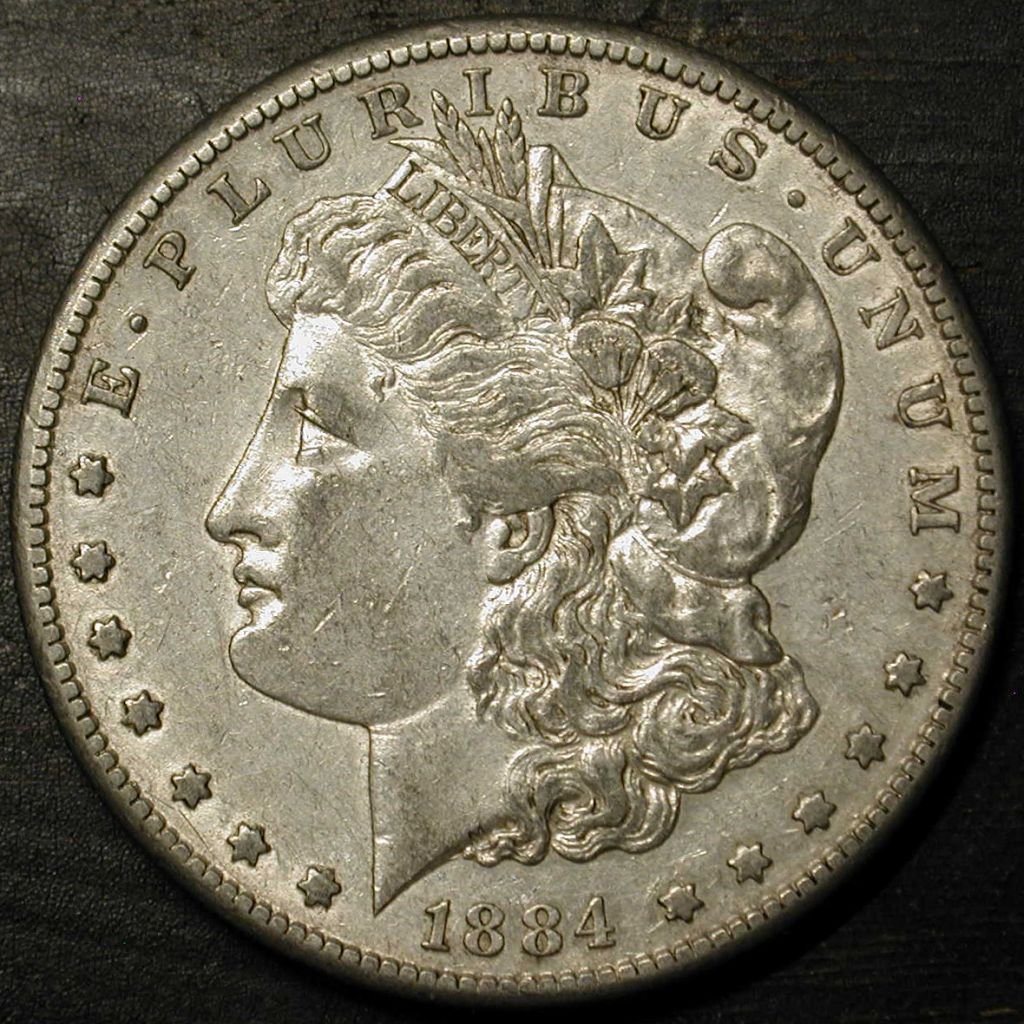
My obsession began with a single rainbow-toned 1884-O Morgan (similar to this beauty). I marveled at how history and chemistry created such artistry in silver. But within weeks, I learned the hard truth: stunning toning doesn’t automatically mean smart collecting. My love affair with colorful surfaces nearly bankrupted me before I understood the market.
Lesson 1: Eye Appeal vs. Technical Grade – The $2,000 Wake-Up Call
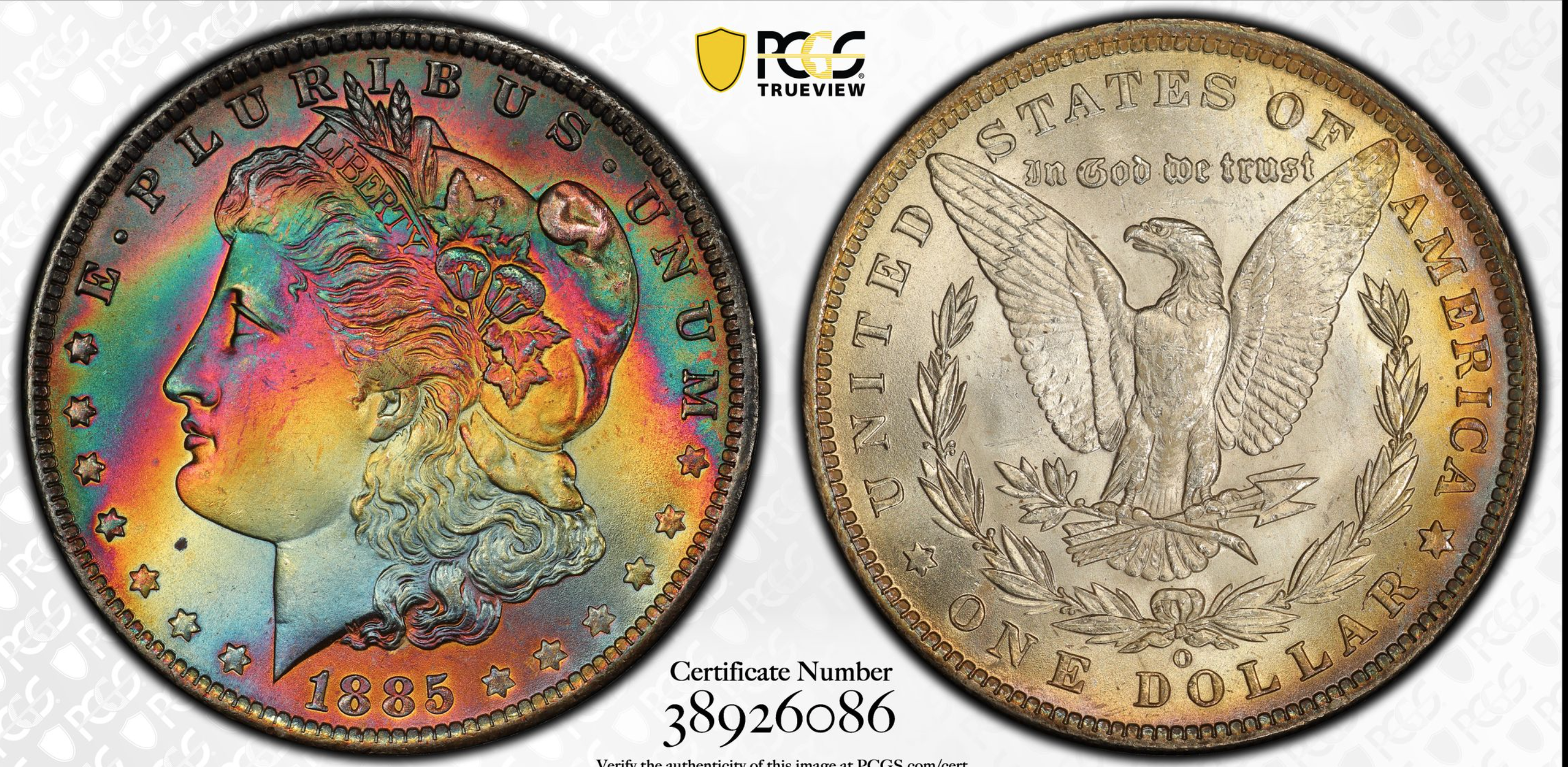
My third purchase still stings: an MS65 1885-O with toning that looked like liquid aurora borealis (resembling this). I paid $1,850 convinced it was a steal. When CAC refused their green sticker, dealers offered just $1,200. The gut-punch takeaways:
- Grading measures wear, not beauty – my prettiest coin was technically “mediocre”
- CAC stickers aren’t just pretty green labels – they’re value validators
- TrueView photography can be like Instagram filters for coins
The Grading Gauntlet: Navigating Slabs and Services
My “VF” Morgan purchase turned nightmare taught me grading isn’t optional homework – it’s survival training. That $75 coin (similar to this) was actually cleaned – worth zero to serious collectors.
Lesson 2: Decoding the Grading Alphabet Soup
After misreading multiple slabs, I created this cheat sheet that lives in my wallet:
Grading Decoder:
MS-63 = Nice but marked like a teenager’s phone
MS-65 = Nearly flawless under normal light
Details Grade = Means “damaged goods” in collector-speak
Lesson 3: The Photo Trap – Why Images Lie
The rainbow-toned Morgan I won from Kahn Auctions (like this photo) arrived with hidden hairlines visible only under magnification. My new auction rules:
- Demand multiple angled photos – no exceptions
- Zoom like a detective analyzing crime scene photos
- Never bid without ironclad return rights
The Auction Addiction: How I Overspent by 40%
Early on, I confused bidding wars with strategy. That pulse-pounding countdown on “Last Sunday’s auction…” items (like this listing) cost me thousands in overpayments before I developed discipline.
Lesson 4: The 3-Tier Bidding Strategy That Saved Me
My military-style auction approach now prevents wallet massacre:
- Pre-Bid Intel: Cross-reference PCGS Price Guide with eBay sold prices
- Walk-Away Line: Max bid = 80% of retail – period
- Sniping Tactics: Use this script to bid at T-minus 3 seconds
Lesson 5: Bargain Bin Pitfalls
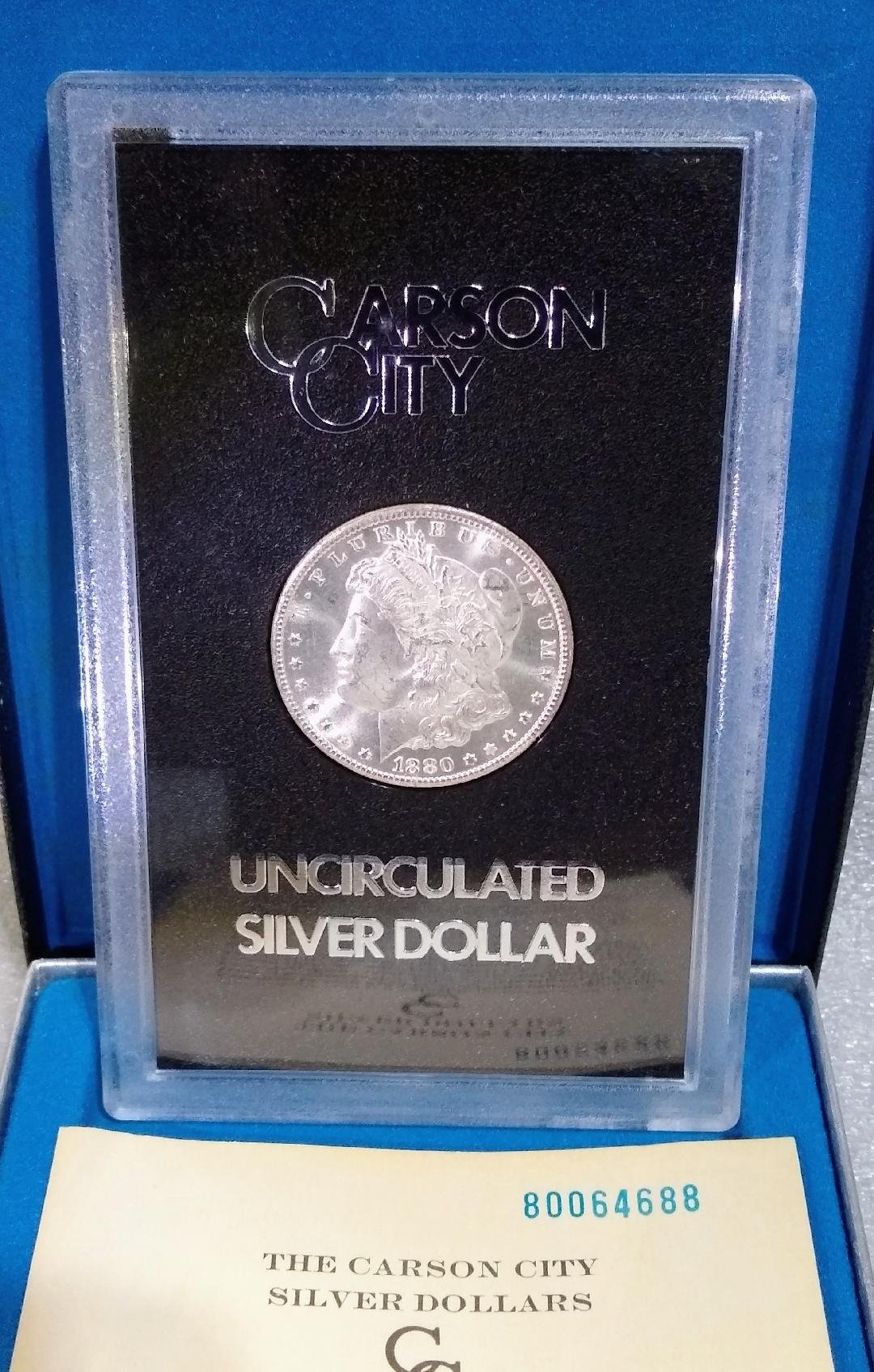
The “VF” dollar I grabbed from a dealer’s discount tray (similar here) taught me brutal truths:
- 2×2 holders often hide more flaws than coins
- “No returns” on raw coins = dealer code for “buyer beware”
- Never leave home without a loupe and UV light
The Long Game: Building Value Over Time
After six months of frantic spending, I shifted from magpie mentality (“Ooh shiny!”) to strategic collecting. The transformation was painful but necessary.
Lesson 6: The Box Strategy That Quadrupled My Collection’s Potential
Following advice from greybeard collectors, I adopted the “Box of 20” approach:
- Specializing in New Orleans mint marks (my “coin comfort food”)
- Buying the best condition I could stomach for key dates
- Tracking premiums with this spreadsheet like Warren Buffett
Lesson 7: When to Break Your Own Rules
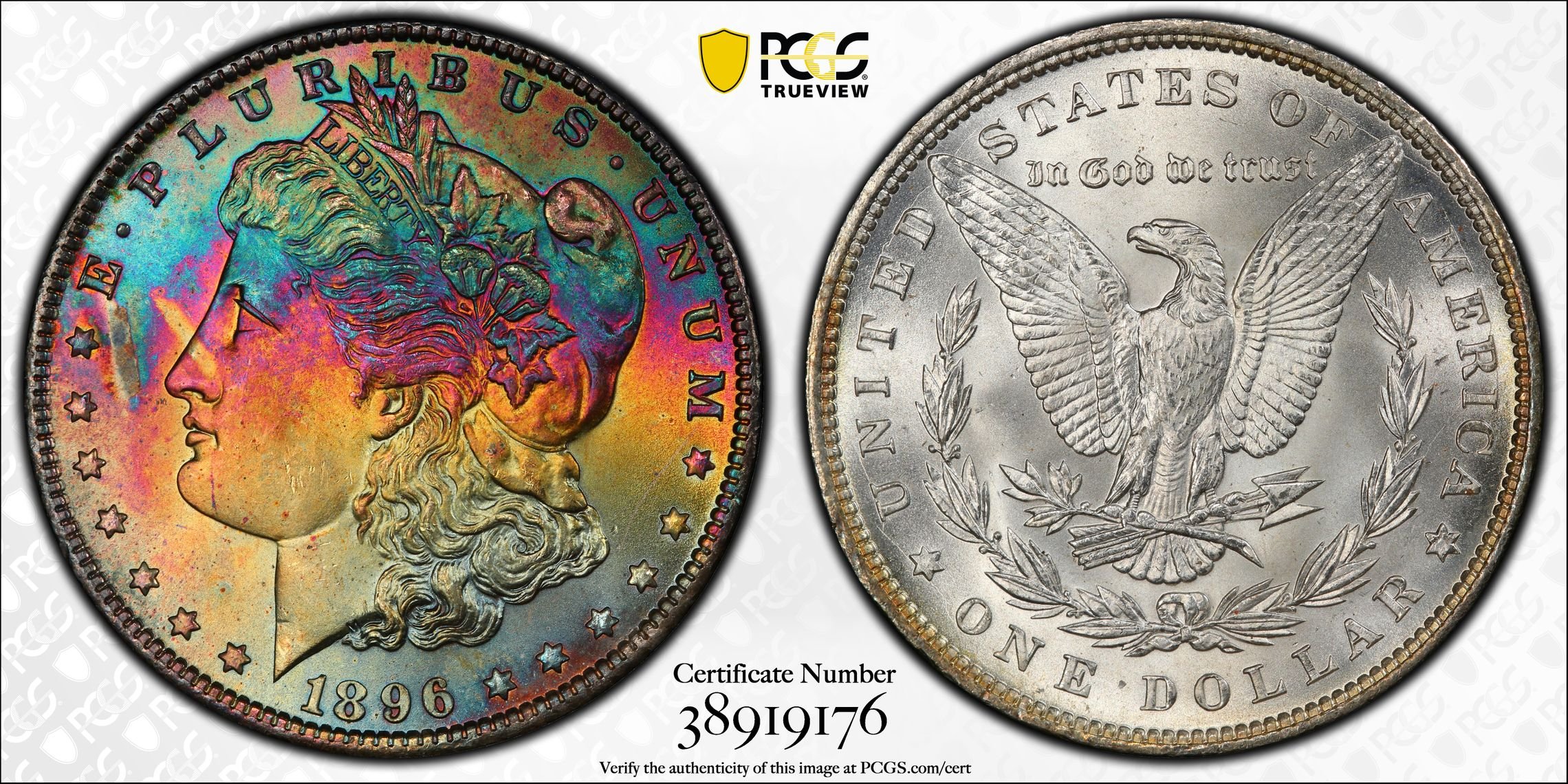
My impulse buy of an 1896 PCGS67 CAC rainbow toner (this showstopper) taught me exceptions exist. For museum-quality pieces:
“Pay retail for the extraordinary – they become heirlooms” – Old Collector Wisdom
The Financial Reality Check
Crunching six months of data revealed uncomfortable truths:
- My “steals” averaged 22% over market – ouch
- Graded coins gained value 4x faster than raw ones
- CAC-approved coins sold before I could list them elsewhere
Lesson 8: The Liquidity Lesson
When life demanded $5,000 fast, I learned:
- PCGS/NGC slabs fly off Heritage Auctions shelves
- Raw coins move slower than molasses in January
- Dealers pay pawn shop prices for bulk lots
Conclusion: Wisdom Earned Through Silver
Thirty-seven Morgans later, my hard-won commandments:
- Buy slabbed coins until cleaning detection becomes second nature
- Specialize early – focused collections outperform scatter-shot
- Reserve 20% of budget for heart-stopping exceptional pieces
- Track purchases like your retirement depends on it (because it might)
The Morgan dollar market rewards patience and punishes impulsiveness. While I treasure my early mistakes as brutal but effective teachers, I hope these scars save you some silver and sanity. Remember – these coins survived depressions, wars, and melt campaigns. Your collecting strategy should think in decades, not days.
Related Resources
You might also find these related articles helpful:
- 7 Costly Morgan Dollar Buying Mistakes Even Experienced Collectors Make (And How to Avoid Them) – I’ve Seen These Morgan Dollar Mistakes Ruin Collections – Here’s How to Avoid Them After decades in co…
- How CRM Developers Can Crack Sales Bottlenecks with Custom Automation – Your sales team’s secret weapon? CRM tools that actually work After building Salesforce integrations for dozens of…
- The 1969 D Penny That Changed My Coin Collecting Journey: 6 Months of Research, Mistakes & Ultimate Verification – My 6-Month Penny Obsession: How I Solved the Mystery That 1969 D Lincoln penny kept me awake for weeks. What started as …