Unearthing Spanish Colonial Treasure: The Roll Hunter’s Guide to Pillar Dollar Varieties
January 25, 2026Beyond Melt Value: Assessing the True Market Worth of a Millennia-Spanning Gold Coin Collection
January 25, 2026
When Silver Meets History: The Pillar Dollar’s Dual Destiny
As both a bullion enthusiast and history buff, I’ve always marveled at how Colonial Spanish Pillar Dollars straddle two worlds. These iconic ‘pieces of eight’ with their majestic pillars don’t just whisper stories of Spanish galleons – they shout opportunities for savvy collectors. Let’s explore why these coins challenge our assumptions about precious metal value versus numismatic worth, and why mint marks matter more than you might think.
The Silver Foundation: Weight and Purity That Built an Empire
The Alchemy of Authenticity
Every genuine Pillar Dollar (or Columnario to connoisseurs) contains a precise formulation of history:
- .9167 fine silver – practically pure by 18th-century standards!
- A substantial 27.07 grams of heft in your palm
- 24.44 grams of actual silver – nearly an entire troy ounce
At today’s silver prices, that’s about $19.75 in melt value. But here’s where things get truly intriguing: These coins weren’t struck with modern precision scales. I’ve handled Mexico City specimens that vary by half a gram from Lima cousins – details that separate smart buys from expensive mistakes.
The Collector’s Equation: Melt Value vs. Numismatic Magic
“I hunted Pillar Dollars for twenty years before completing my date set. The Mexico coins came easily – the Santiago specimens required mortgaging my good sense!” – Anonymous Collector Confession
While the formula looks straightforward:
- Melt Value = (Weight × Purity × Spot Price)
Pillar Dollars laugh at simple math. Consider:
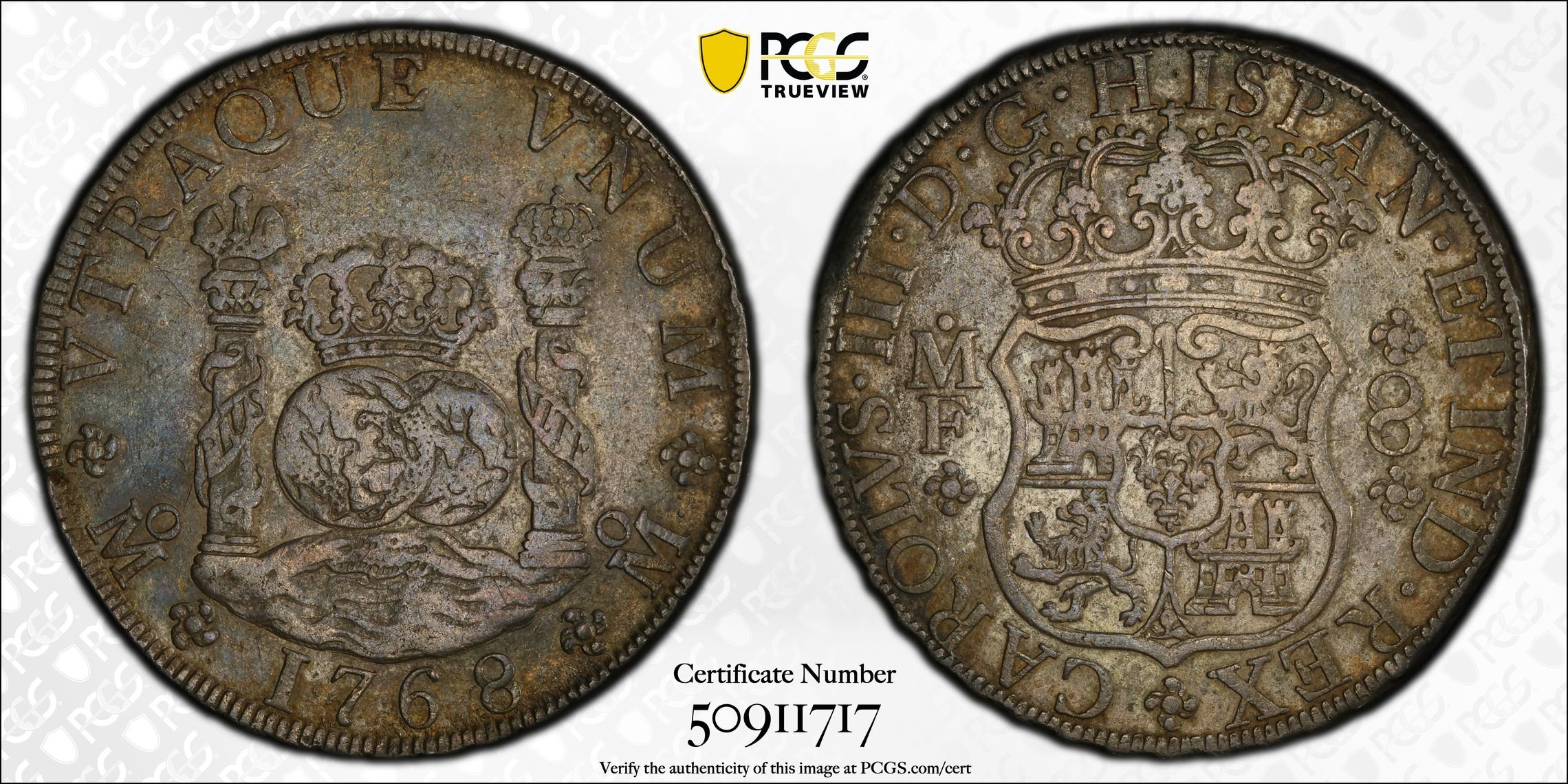
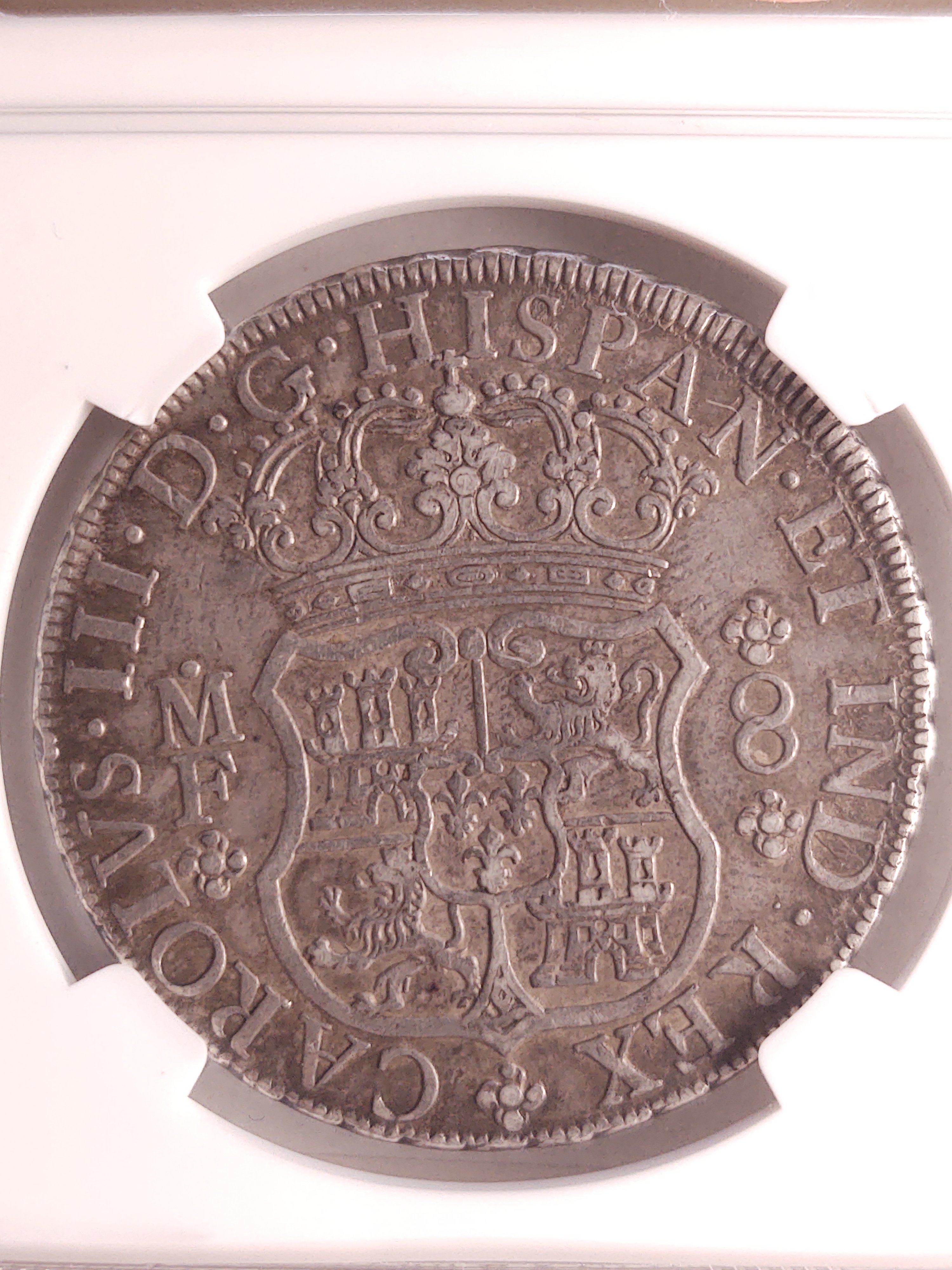
- A well-worn Mexico City mint piece (XF-40) might trade at 2.5x melt ($49.38)
- That breathtaking 1770 Nuevo Reino with cathedral provenance? Easily 150x melt ($2,960+) at auction
What Makes a Pillar Dollar Sing: Numismatic Value Drivers
The Mint Mark Hierarchy – Letters That Command Premiums
For serious collectors, mint marks aren’t just letters – they’re historical fingerprints:
- Workhorses (Bullion Plays): Mexico City (M), Lima (L) – the backbone of Spanish trade
- Hidden Gems (Hybrid Value): Potosi (P), Guatemala (G) – rough strikes with soul
- Crown Jewels (Collector Territory): Santiago (S), Nuevo Reino (NR) – the stuff of numismatic legend
Survival Rates & Eye Appeal
Handling hundreds of specimens has taught me:
- Guatemala coins often show rustic strikes – charming imperfections from colonial ingenuity
- Mint-state examples are rarer than hen’s teeth – maybe two dozen exist across all mints
- The legendary 1770 Nuevo Reino hoard spoiled us with blast white luster unseen in colonial silver
The Collector-Investor’s Playbook
Building Your Pillar Portfolio
- Market Timing: Watch the gold/silver ratio – these beauties shine brightest when it dips below 70:1
- Mint Strategy: Stack Mexico/Lima coins during silver corrections like a true peso pirate
- Premium Discipline: Never exceed 3x melt for commons unless they’re slabbed (PCGS/NGC) with dreamy patina
A Case Study in Smart Acquisition
Consider this Mexico City success story:
- Melt value: ~$19.75
- Paid premium: ~$30 (1.5x melt – a steal for XF-40)
- Historical growth: Steady 7% annual appreciation since Nixon left office
Mint Spotlights: Rarities That Make Hearts Race
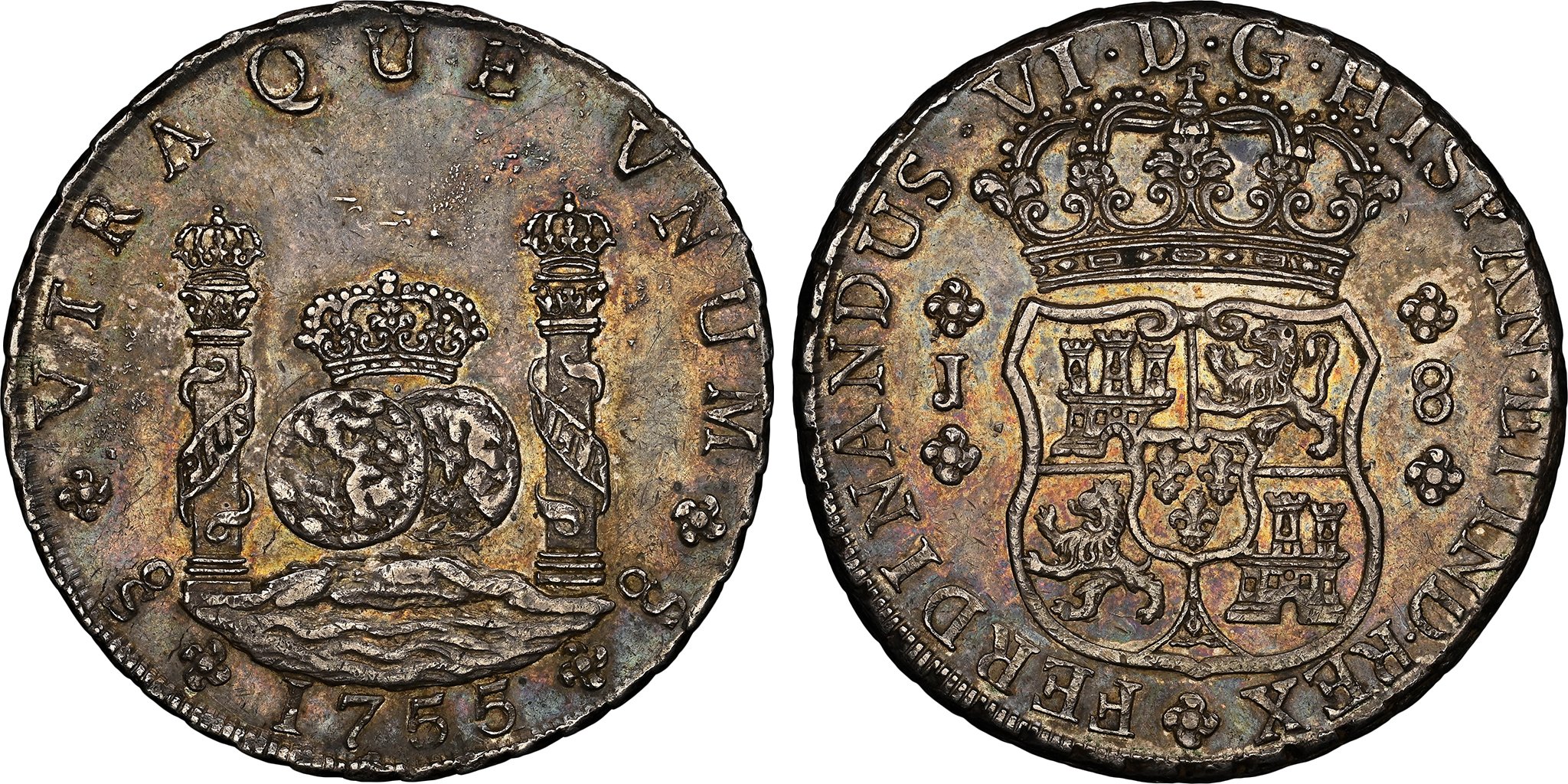
Santiago (Chile) – The Ghost Mint
- Known survivors: Could fit in a shoe box (est. 50 specimens)
- Most show cleaning or damage – finding original surfaces is like spotting a unicorn
- Investment verdict: Speculative thrill – limit to 10% of your metals portfolio
Nuevo Reino (Colombia) – Divine Intervention
- Key dates: 1759 (~15 coins), 1760/1762 (museum-quality rarities)
- The 1770 church hoard rewrite the numismatic playbook
- All feature museum-quality surfaces – time-capsule silver untouched for centuries
- Recent hammer shocker: $8,975 for a PCGS AU-53 1770 NR that glows like moonlight
Guatemala – The Underdog’s Charm
- Characteristics: Quirky planchets, softly struck pillars
- Market reality: Criminally undervalued against Mexican counterparts
- Sweet spot: Problem-free VF examples under 3x melt – the smart collector’s gateway drug
Conclusion: Treasure You Can Measure in Grams and Glory
Pillar Dollars offer what modern bullion can’t – physical silver wrapped in pirate tales and colonial drama. While common Mexico City coins (this XF-40 beauty) give efficient metal exposure, rarities like Santiago (gallery specimen) and Nuevo Reino (hoard coin) trade in a different universe. My strategy? Build your foundation with 90% commons during silver dips, but save room for those special pieces with documented provenance. Remember – every Pillar Dollar contains nearly an ounce of silver, but only the chosen few carry 250 years of history in their strike marks and toning. That’s the numismatic alchemy that turns bullion into legend.
Related Resources
You might also find these related articles helpful:
- Preserving History: Expert Conservation Strategies for Spanish Colonial Pillar Dollars – Few things pain me more than seeing a Pillar Dollar’s history erased by careless handling. These silver witnesses …
- The Hidden History Behind Pillar Dollars: A Numismatic Journey Through the Spanish Empire – Every Relic Tells a Story History whispers through the silver surfaces of every artifact. To truly appreciate the Pillar…
- Unearthing Numismatic Gold: The Roll Hunter’s Guide to Cherry Picking Hidden Treasures – Who says treasure hunting requires a map? Some of numismatics’ greatest thrills come from discovering hidden gems …