


From Proof to Perfection: How Grading Transforms an 1882 Indian Cent from $10 to $1,000
January 13, 2026Crafting Potential: Is the 1870s Trade Dollar the Perfect Jewelry Canvas?
January 13, 2026
Guarding History: A Collector’s Duty to Preserve Numismatic Treasures
That heart-sinking moment when a rare 1882 Cameo Proof Indian Cent loses its luster from improper handling? I’ve witnessed it too often. After decades studying coin conservation, I’ve learned this truth: every choice we make with our collections ripples across time. Whether you’re safeguarding a Proof 67 Three-Cent Silver Piece or your first Mercury dime, understanding preservation means protecting both financial value and irreplaceable history. Let’s explore how to honor these metallic time capsules.
Silent Threats: The Invisible Forces Attacking Your Collection
When Patina Becomes a Problem: The Fine Line of Natural Toning
Consider your prized 1882 Deep Cameo Proof Set – that rainbow toning isn’t just decoration, it’s chemistry in motion! On copper coins like the Indian Cent, controlled oxidation creates breathtaking crimson and azure hues that enhance collectibility. But let that process run wild, and you’ll lose the razor-sharp cameo contrast that defines premium specimens. For silver beauties like the Trade Dollar PCGS 68 DCAM CAC (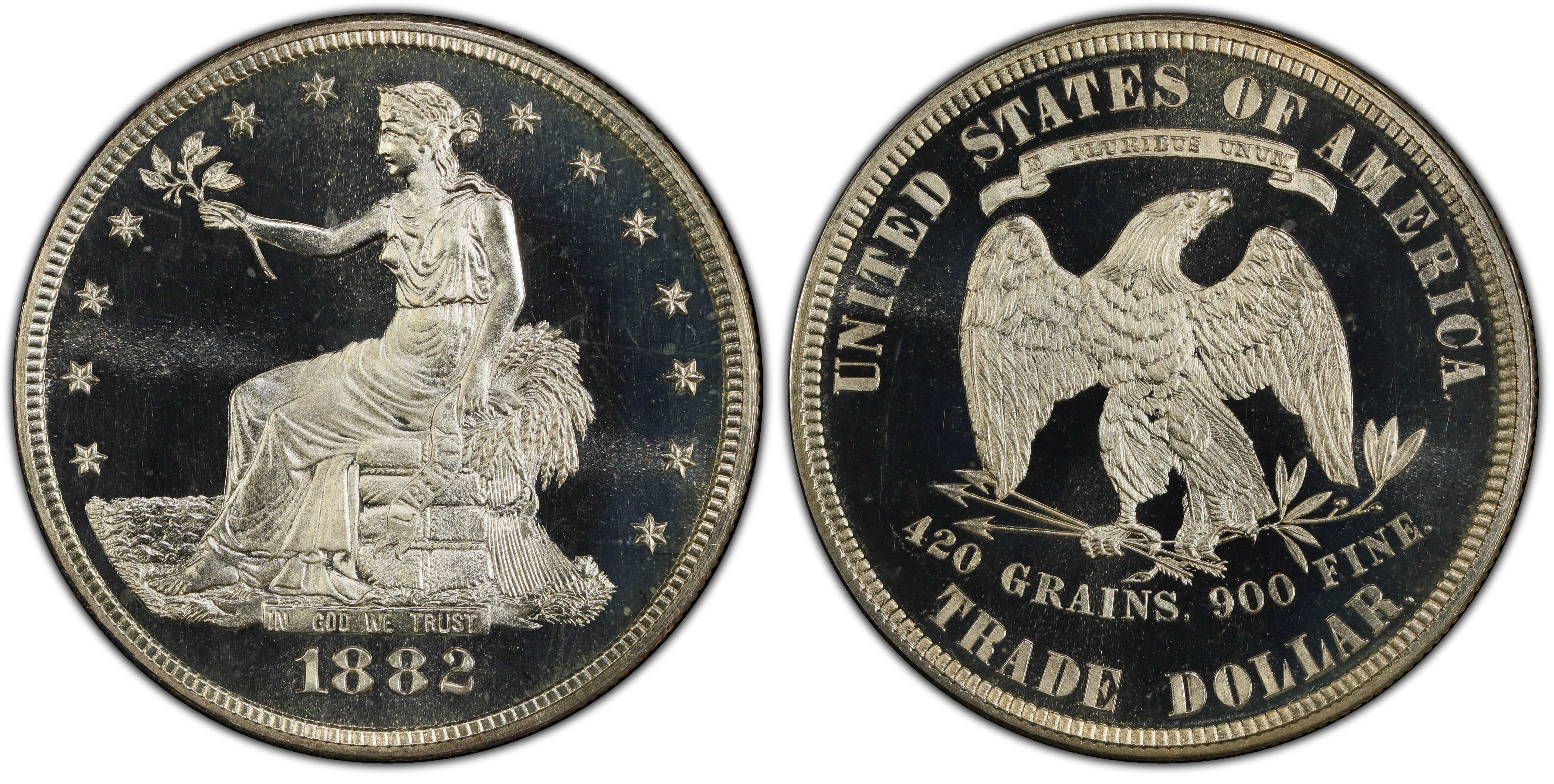 ), ideal toning should frame the mirrors like stained glass – not obscure them. The key? Balance.
PVC’s Hidden Threat: How Common Storage Can Destroy Value
Beware the innocent-looking plastic flip! That flexible holder from last month’s coin show could be leaching hydrochloric acid onto your Three-Cent Silver Piece’s pristine surfaces right now. PVC damage starts as a faint green haze but quickly escalates into pockmarks that haunt even CAC-approved coins. I’ve watched mint-condition proofs turn into “details grade” casualties because someone used the wrong storage material. Don’t let your collection become a cautionary tale.
Armor for Artifacts: Building Your Preservation Arsenal
Smart Storage Solutions: More Than Just Fancy Boxes
- Archival Paper Envelopes: For raw coins like that raw Indian Cent you’re eyeing, acid-free paper prevents micro-abrasions
- PVC-Free Holders: Seek out PET or Mylar flips with “archival-safe” certification
- Professional Slabbing: NGC/PCGS holders aren’t just for grading – they’re oxygen-barrier fortresses
The Unforgivable Sin: Why Cleaning Destroys History
Imagine finally landing that elusive 1882 cent after twenty years of hunting. Your fingers itch to “restore” its surfaces – don’t. Cleaning proof coins is numismatic heresy that obliterates original luster and strike definition. That PCGS 68 DCAM Trade Dollar earned its premium grade through untouched mirrors; one misguided polish session could slash its value by 80%. Remember: patina tells a story, while cleaning scars write a tragedy.
Metal-Specific Masterclass: Caring for Your 1882 Proof Set
Indian Cent (95% Copper)
Copper’s kryptonite? Moisture. Store these cameo proofs in nitrogen capsules to prevent deadly verdigris (that insidious green corrosion). Display cases with UV-filtered glass prevent oxidation acceleration while showcasing their fiery red tones.
Trade Dollar (90% Silver)
Silver tarnishes at the mere whisper of sulfur – literally. Activated charcoal filters in your display cabinets absorb airborne contaminants. Never pair these mirrors with rubber gaskets; sulfur off-gassing creates black sulfide blooms that ruin eye appeal permanently.
The Gold Standard Preservation Protocol
- Humidity control: Maintain 35-45% RH (silver sweats at 60%)
- Temperature stability: 65-70°F prevents metal fatigue
- Air filtration: HEPA + carbon scrubbers combat urban pollutants
- Inspection routine: Monthly 10x loupe checks for early threat detection
- Position rotation: Prevents “gravity toning” streaks on high-grade pieces
Beyond the Slab: Why Preservation Is Our Legacy
Your two-decade hunt for that 1882 Indian Cent wasn’t just about metal – it was about touching history. By mastering preservation techniques, you’re not merely protecting numismatic value; you’re becoming history’s caretaker. Future collectors will study your proof set’s original surfaces with the same wonder you felt cracking that PCGS slab. In our hands, these coins transform from artifacts into heirlooms. That’s the true rarity we preserve – the unbroken chain of human fascination struck into every surface.
Related Resources
You might also find these related articles helpful:
- From Proof to Perfection: How Grading Transforms an 1882 Indian Cent from $10 to $1,000 – The Cameo Conundrum: What Separates Good Proofs From Legendary Ones Let me ask you something – can you spot the di…
- Is Your 1882 Indian Cent Proof Real? Authentication Secrets Every Collector Must Know – In today’s treacherous collector’s market, where convincing fakes lurk in every auction lot, mastering the d…
- Hunting Hidden Treasures: The Collector’s Guide to Spotting Rare Coin Errors and Varieties – The Thrill of Error Hunting: Where Tiny Flaws Become Fortunes While most passersby see pocket change, we error hunters r…
