


PCI Slab Grading Decoded: How to Spot the $10 Coin vs. the $1,000 Treasure
February 1, 2026Morgan & Peace Dollars: Silver Content and Craft Potential in PCI-Graded Coins
February 1, 2026
The Delicate Art of Preserving Numismatic History
After decades in conservation work, my heart still sinks when I encounter a beautiful coin ruined by well-meaning but misguided care. Let’s discuss how to safeguard your PCI-graded treasures – those fragile time capsules of American numismatic history. While collectors debate crossover potential to other grading services, the true conversation should center on preserving these artifacts for future generations.
Understanding PCI’s Grading Legacy
Operating from 1985 to 2009, PCI’s ever-changing ownership created fascinating variations in both grading standards and holder designs. Savvy collectors can spot these nuances:
- Early White Holders (1985-1999): Recognizable by their distinctive sans-serif typography and Spartan design
- Blue Label Holders (2000s): Feature intricate decorative elements that hint at the coin’s era
“PCI’s turbulent history created grading inconsistencies – some slabs showcase remarkable accuracy, while others reflect overenthusiastic assessments,” observes noted collector @coinbuf.
The Toning Dilemma
Nature’s Artistry vs. Environmental Damage
PCI-encapsulated silver dollars often develop breathtaking toning that can enhance or diminish their numismatic value. Morgan and Peace dollars particularly reveal:
- Desirable patina: Vibrant rainbow hues with delicate gradients that collectors prize
- Troubling oxidation: Harsh black sulfide blooms or chalky films that signal chemical reactions
PVC Damage: The Silent Killer
Early encapsulation materials now reveal their dark secret – PVC inserts that slowly attack silver surfaces:
“These PCI-graded Morgans retain strong eye appeal, but the holders themselves may be compromising their future,” warns a seasoned forum member.
- Emerald-green residues that mar pristine fields
- Gummy surfaces trapping environmental pollutants
- Permanent etching from acidic breakdown
Holder Evolution and Protection
A Journey Through PCI’s Encapsulation History
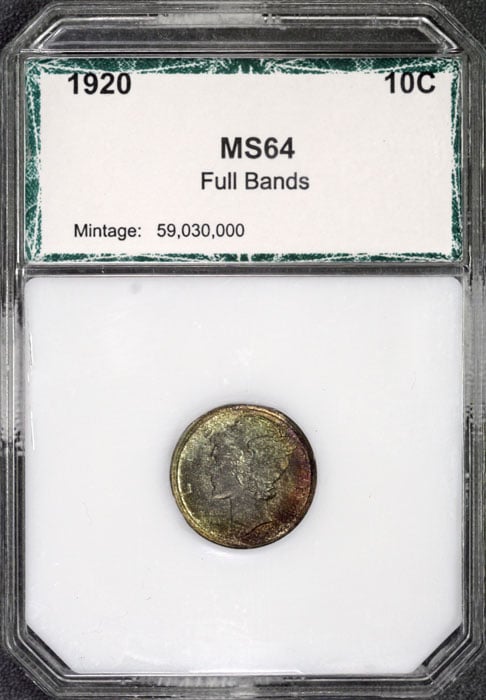
The white PCI holders pictured here represent a critical transition period. While sturdier than their predecessors, they lack the advanced gas-neutral properties of modern slabs. Preservation essentials:
- UV resistance: Early plastics degrade into brittle amber shells
- Seal integrity: Hairline fractures invite microscopic invaders
- Insert materials: Acidic cardstock backings accelerate toning
To Clean or Not To Clean?
This eternal collector’s dilemma becomes particularly acute with PCI specimens:
- Preserve original surfaces: That natural patina holds historical truth and collectibility
- Professional intervention: Only justified when PVC contamination threatens the coin’s survival
Forum veterans often remind us: “Judge the coin’s strike and luster, not the holder’s reputation.”
Modern Archival Solutions
Guarding Your Numismatic Legacy
- Transfer at-risk coins to acid-free Mylar flips for interim protection
- Maintain 35-40% humidity with silica gel defenders
- Store in archival-quality cabinets away from wooden enclosures
- Document every movement in your provenance records
Cross-Grading Considerations
While speculators chase crossover potential, preservationists sound the alarm:
- Slab cracking risks nicks and abrasions to delicate surfaces
- Adhesive residues may require delicate conservation
- PCI holders themselves merit preservation as historical artifacts
Long-Term Conservation Strategy
For PCI-graded rarities (especially pre-1934 silver with strong eye appeal):
- Capture current condition with macro photography – document every subtle highlight
- Chart toning progression through annual inspections
- Evaluate professional re-encapsulation for coins in deteriorating holders
- Maintain detailed provenance including holder generation photos
Conclusion: Stewardship Beyond Grading
PCI slabs represent more than just grades – they’re historical documents of numismatic methodology. That 1882-S Morgan or 1922 High Relief Peace dollar in its distinctive holder demands our protection not just as collectibles, but as artifacts of grading history. Through vigilant monitoring of toning patterns, proactive PVC prevention, and archival-quality storage, we preserve both numismatic value and historical truth. Remember: each coin is an inheritance from the past, a sacred trust we hold for future collectors who will study our stewardship as carefully as we examine the strike and luster of the coins themselves. In this hobby, we aren’t just owners – we’re temporary guardians of history’s metal memories.
Related Resources
You might also find these related articles helpful:
- PCI Slab Grading Decoded: How to Spot the $10 Coin vs. the $1,000 Treasure – Grading PCI Coins: A Collector’s Insider Guide Condition is king in numismatics, and nowhere does this truth bite …
- PCI Slab Authentication Guide: Detecting Counterfeits in Certified Holders – Counterfeit Crisis: Mastering PCI Authentication Like a Pro In today’s volatile numismatic marketplace, PCI-slabbe…
- Unlocking Hidden Treasures: The Error Hunter’s Guide to PCI-Graded Coins – The Devil’s in the Details: Why Error Hunting Matters How many treasures have you walked past today? As an error hunter …
