Can a 1796 Bust Dollar Become Jewelry? Metal, Design & Authenticity Considerations
February 10, 2026Unearthing a 1796 Bust Dollar Mystery: A Roll Hunter’s Guide to Cherry-Picking Rare Varieties
February 10, 2026
Mastering Early American Silver: A Collector’s Guide to Draped Bust Dollars
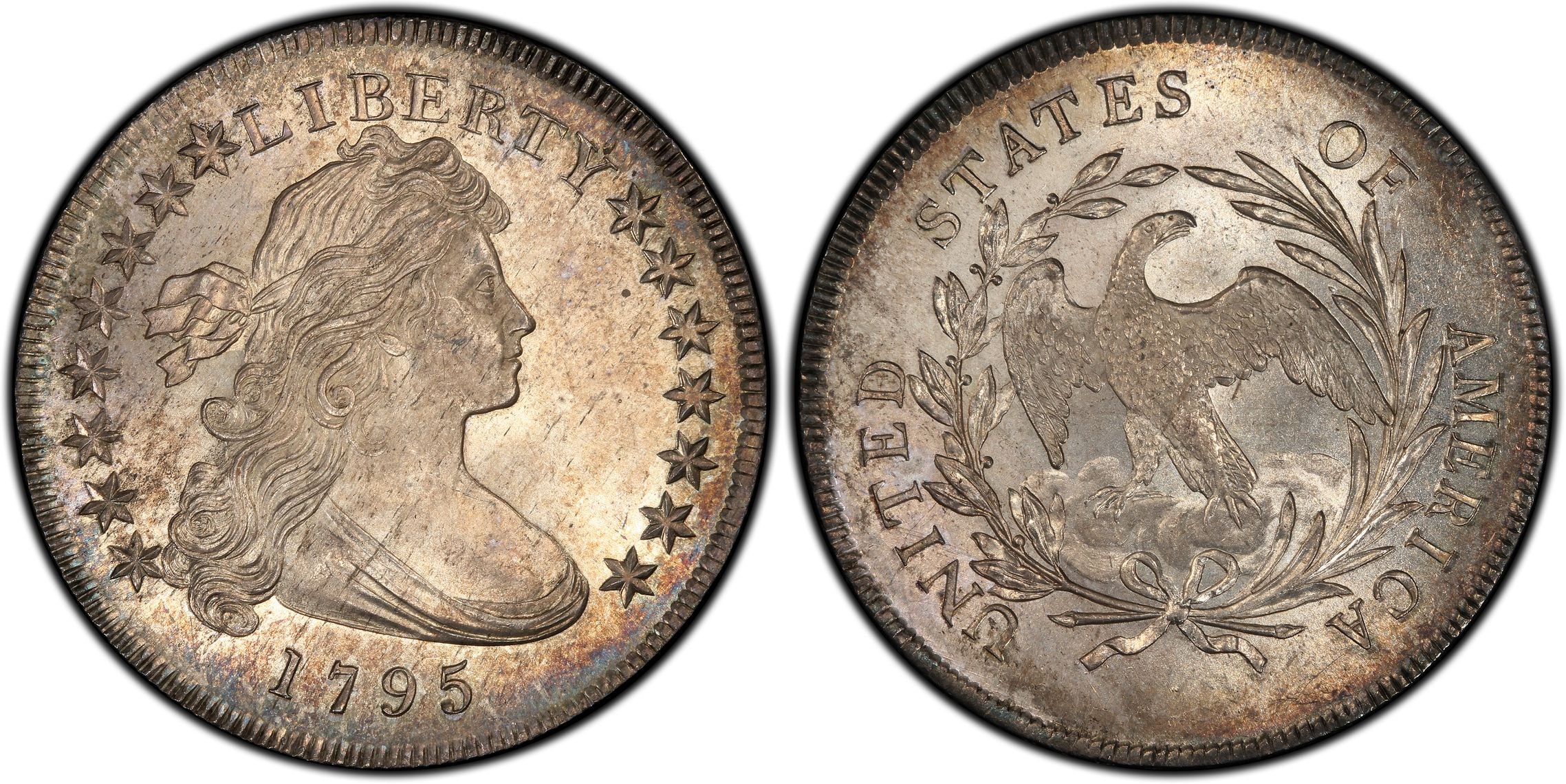
Few coins quicken a numismatist’s pulse like the enigmatic 1795/1796 Draped Bust dollar. As someone who’s handled these early treasures for decades, let me share how to pursue this prize with both passion and precision. The difference between an overlooked rare variety and an expensive mistake often lies in the details we’ll explore together.
Where to Hunt: Trusted Sources for Treasure Seekers
When chasing legendary coins like the 1796 Draped Bust (BB-62/63/66) or its debated 1795 BB-51 sibling, provenance becomes your North Star. Here’s where seasoned collectors find worthy specimens:
- Auction Powerhouses: Heritage or Stack’s Bowers employ specialists who scrutinize every detail – from star alignments to Liberty’s delicate hair curls
- Certified Marketplaces: PCGS/NGC-approved platforms offer security, but remember – even slabbed coins demand your keen eye
- Specialist Dealers Like David Lawrence Rare Coins, where XRF testers verify silver content while preserving original surfaces
- eBay – With Eagle Eyes: That tempting listing? Demand razor-sharp photos of the “Liberty” legend and date contours
Red Flags: Navigating Authentication Minefields
1. The Date Debate That Divides Experts
Is it a 1795 BB-51 with an off-center strike or a misidentified 1796 specimen? Your magnifying glass should hunt for:
- 1795’s telltale star positions kissing hair curls
- The 1796 Small Date’s distinctive looping “6” with its chubby terminal
- Golden Insight: As @lilolme’s comparison images reveal, die markers tell truths that dates sometimes obscure
2. Spotting Wolf in Sheep’s Clothing
Forum veterans identified these glaring warning signs:
- Weight variations beyond 26.96g ±0.20g tolerance
- Ghostly transfer die lines visible under proper lighting
- Slab serial numbers that don’t dance with PCGS’s cert database
- Date font quirks matching known fakes at Civitas Galleries
“The civitas counterfeit’s date mimics genuine specimens better than most originals – the ultimate backhanded compliment!” – @yosclimber
3. Slab Snares: When Protection Becomes Deception
Even PCGS holders (like our debated coin’s) require scrutiny:
- Holograms that lack their characteristic “dance” in light
- Label fonts slightly off-kilter from genuine holders
- That notorious 2007-2009 wave of counterfeit slabs @steve_richardson exposed
Negotiation Secrets: Dancing With Dealers
1. The Art of the Authentication Escape Clause
When varieties vie for identification:
- Demand a 3-day inspection window for expert consultation
- Propose shared XRF testing costs – purity never lies
- Anchor offers to PCGS CoinFacts data, discounting attribution doubts
2. Playing the Attribution Ambiguity Card
The 1795/96 identity crisis creates opportunities:
- True 1796 pieces command ~$18,500 in VF-20
- 1795 BB-51 off-centers hover near $15,000
- Open bids 20% below guide – let attribution proof bridge the gap
3. The Slab Shuffle: Turning Doubt into Discounts
For slabbed coins with question marks:
- Request seller-funded PCGS re-verification ($75 insurance)
- Sweet-talk about NGC crossover potential
- Factor CAC sticker premiums – that green beacon adds 15% magic
Raw Revelations vs. Slab Security
Why Slabs Sometimes Sleep Well
- Grading guarantees protect your investment
- Air-tight capsules preserve original luster
- Instant market recognition = faster sales
When Raw Coins Whisper Sweet Nothings
- Suspected counterfeits needing direct metal tests
- CAC candidates where stickers transform value
- “Problem children” hiding mint-state secrets beneath grime
“Cracking a slab feels like defusing a bomb – terrifying but thrilling when you discover hidden details beneath that plastic prison.” – @Ridley06
Conclusion: The Thrill Worthy of the Risk
With just 72,936 pieces struck across all varieties, the 1796 Draped Bust dollar represents early American numismatics at its most tantalizing. As we’ve seen through heated forum debates, even certified examples demand collector due diligence. Your success hinges on:
- Die variety mastery – know your obverse from reverse diagnostics
- Scientific verification – because silver content doesn’t fib
- Negotiation artistry – turning attribution uncertainty into advantage
Before committing to this grail quest, let Breen’s Encyclopedia and Bowers’ seminal works be your bedtime reading. And remember – when five figures hang in the balance, the wise collector always consults Early American Coppers Society sages or Liberty Seated Collectors Club gurus. The hunt may be perilous, but oh – what glorious prey awaits!
Related Resources
You might also find these related articles helpful:
- From CAC Sticker to Silver Ring: Assessing a Mercury Dime’s Jewelry Potential – When Coins Become Art: An Artisan’s Perspective on Transforming Treasures After twenty years of breathing new life…
- Can the 1927-D 3½ Leg Buffalo Nickel Be Transformed Into Jewelry? A Metalworker’s Analysis – Not Every Coin Belongs on the Finger After twenty years of breathing new life into historic coins as wearable art, IR…
- Unearthing Hidden Treasures: The Ultimate Guide to Finding 2026 ASE-W Proof Coins in Circulation & Bulk Lots – Unearth Silver Treasures Without a Dealer Imagine finding a numismatic jewel in your pocket change – that electric…