


From Manuscript to Bestseller: My Proven Framework for Writing Technical Books That Establish Authority
December 10, 2025Bootstrapping Your SaaS to Market Faster: The Indie Hacker’s Roadmap for 2024
December 10, 2025
Just Found a Coin Error? Let’s Decode It Together
Remember that rush when you first spotted something unusual on your 2021 Denver penny? I sure do. When my Lincoln cent showed what might be doubling, I felt equal parts excitement and “Where do I even start?” That’s why we’re walking through this potential 2021 D 1C doubled die discovery step by step – no numismatic degree required.
Let’s Start with the Basics: What Are Doubled Dies?
Think of doubled dies as minting mishaps frozen in time. Here’s what happens:
The Coin Error That Starts at the Mint
A true doubled die happens when:
- The stamping tool (hub) hits the coin mold (die) more than once
- The shifts create telltale doubling in the design
- Every coin from that mold shows the same doubling
Spotting the Real Deal
When checking your 2021 D penny, look for these authentic markers:
- Split letter tips: Like tiny forks at stroke ends
- Shadow shapes: Cleanly separated secondary images
- Mirror patterns: Identical doubling on multiple coins
My 2021 D Penny Journey: What I Found
Here’s what caught my eye on this potential unlisted variety:
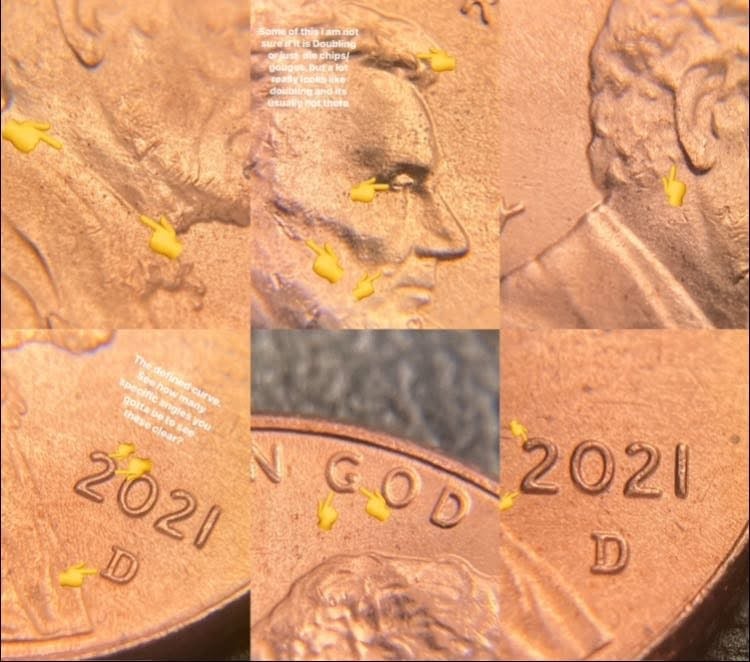
Front Side Clues (The Lincoln Side)
The Lincoln portrait whispered “look closer” with:
- Extra lines at his collar’s edge
- Thickened letters in “LIBERTY”
- Doubled details in his hair
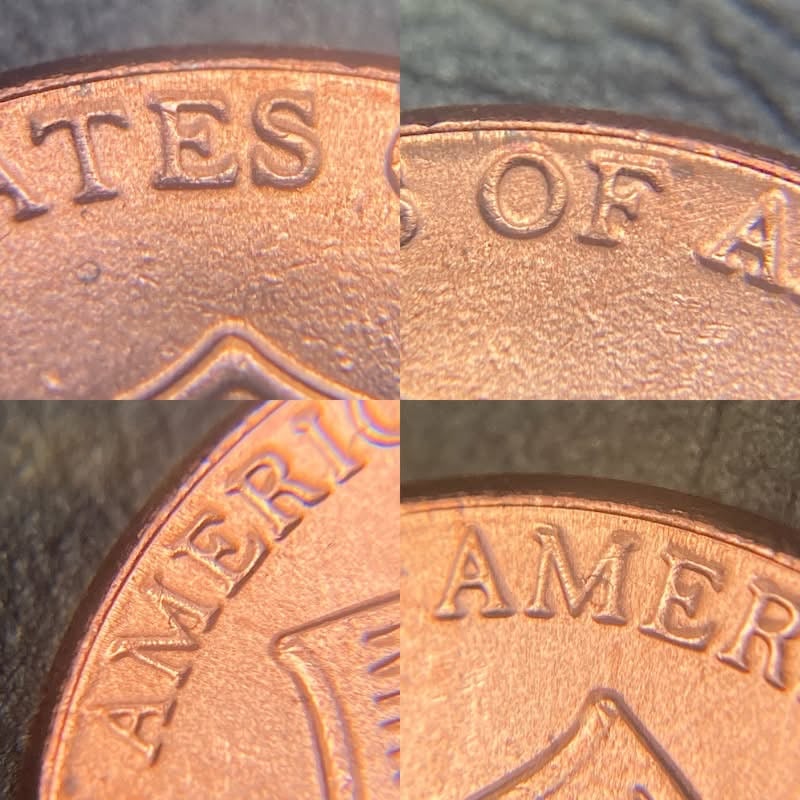
Back Side Secrets (The Shield Side)
The shield revealed its own story through:
- Inconsistent stripe widths
- Thick banner lettering
- Possible doubling in “ONE CENT”
Oops Moments: Common New Collector Mistakes
Don’t worry – we’ve all made these errors when starting with coin analysis:
1. Mistaking Machine Marks for Treasure
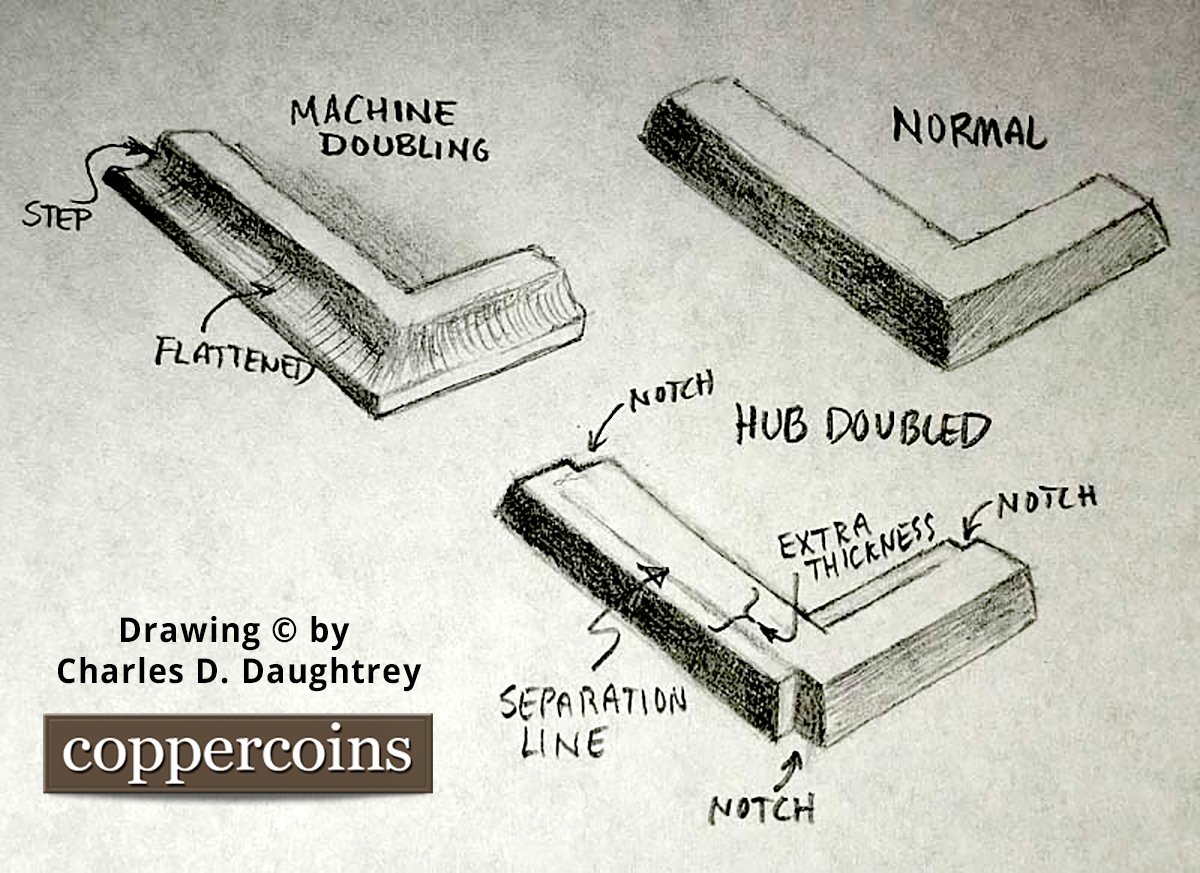
Like when fellow collectors noted: “That looks like mechanical doubling.” Remember:
- Machine doubling looks flat and smeared
- True hub doubling stands proud
- Shelved edges = likely not valuable
2. Chasing Coin Shadows
Zinc cents love to play tricks with:
- Surface bubbles that mimic doubling
- Wear patterns that create illusions
- Damage from circulation
As one collector wisely said: “What looks like doubling might just be a ding.”
3. Getting Excited Over Normal Variations
Save your energy for when you find:
- Clear separation in letters/numbers
- Multiple matching error coins
- Markers that match known varieties
Your First Doubled Die Toolkit
Here’s what you’ll need to start analyzing coins like our 2021 D candidate:
Beginner-Friendly Gear
- A 10x loupe (jewelers love these too)
- Basic digital microscope ($40-60 models work)
- Bright, adjustable desk lamp
- Free online resources like Variety Vista
The 4-Step Coin Check
Next time you spot a possible error:
- Note the coin’s condition and mint mark
- Snap clear photos like this:
<img src='coin-obverse.jpg' alt='Systematic documentation'> - Check against known doubled dies
- Ask experienced collectors for feedback
Lighting Tricks That Reveal Secrets
I learned the hard way: “Finding doubling means playing with light like a cat with a laser pointer.” Try:
- Angling light from different sides
- Taking 20+ photos of each area
- Comparing with normal pennies
Smart Next Steps for Your Coin Find
If you’re holding a potential 2021 D doubled die:
Getting Official Eyes On It
- Submit to CONECA for expert review
- Check Variety Vista’s listings
- Keep detailed notes of your findings
The Waiting Game (It’s Worth It)
After sharing my find, one veteran collector reminded me:
“I’ve searched 15 years for doubled dies. Patience pays.”
Their advice?
- Study error coins regularly
- Learn from mistakes
- Build comparison skills slowly
Sharing Finds Without Eye Rolls
- Post razor-sharp photos like this:
<img src='proper-example.jpg' alt='Good documentation'> - Circle specific areas of interest
- Say “Maybe it’s…” instead of “I found a…”
Your Coin Adventure Starts Here
Whether this 2021 D penny turns out to be a major find or a great learning piece, remember:
- True doubled dies have multiple clear markers
- Good documentation beats excited guesses
- Collector communities help separate wheat from chaff
While we wait for official word on this potential discovery, you’re now equipped to start your own error coin hunt. Grab a magnifier, check those pocket change pennies, and remember – every expert collector started exactly where you are right now.
Related Resources
You might also find these related articles helpful:
- The 1992 Penny Principle: How Identifying Rare Skills Can Skyrocket Your Tech Income – The Tech Skills Gold Rush: Why Rare Skills Pay More Tech salaries aren’t just about coding speed – they̵…
- How the BU Roll Market Surge Delivers 175%+ ROI for Strategic Investors – BU Rolls: How Smart Investors Unlock 175%+ Returns Let’s cut through the noise: BU rolls aren’t just collect…
- How the Modern BU Roll Renaissance Will Reshape Coin Markets By 2030 – Beyond Today’s Prices: The 2030 Numismatic Landscape This isn’t just about current values – it’s…
