


Is Your 1794 Flowing Hair Dollar Authentic? Expert Authentication Guide
December 30, 2025Preserving Your Numismatic Windfall: Expert Conservation Strategies for Rare Coins
December 30, 2025
The Professional Grader’s Guide to Maximizing Your Numismatic Windfall
Let’s cut to the chase: condition is king. Whether you’re safeguarding an 1885 Trade Dollar or eyeing that elusive 1804 Silver Dollar, understanding these five critical grading factors could mean the difference between a mediocre piece and a museum-worthy treasure. As a professional numismatist who’s handled thousands of coins, I’ll share insider techniques for evaluating wear patterns, luster, strike quality, eye appeal, and third-party standards – the pillars of true numismatic value.
The Collector’s Holy Grail: Dream Coins That Define History
Before we dive into grading secrets, let’s explore what seasoned collectors would pursue with unlimited resources – a fascinating window into what drives our market:
- 1794 Flowing Hair Dollar (MS condition – the “birth certificate” of US silver)
- 1793 Chain Cent (High MS – America’s first circulating coin)
- 1889-CC Morgan Dollar (MS64+ – the ultimate Carson City rarity)
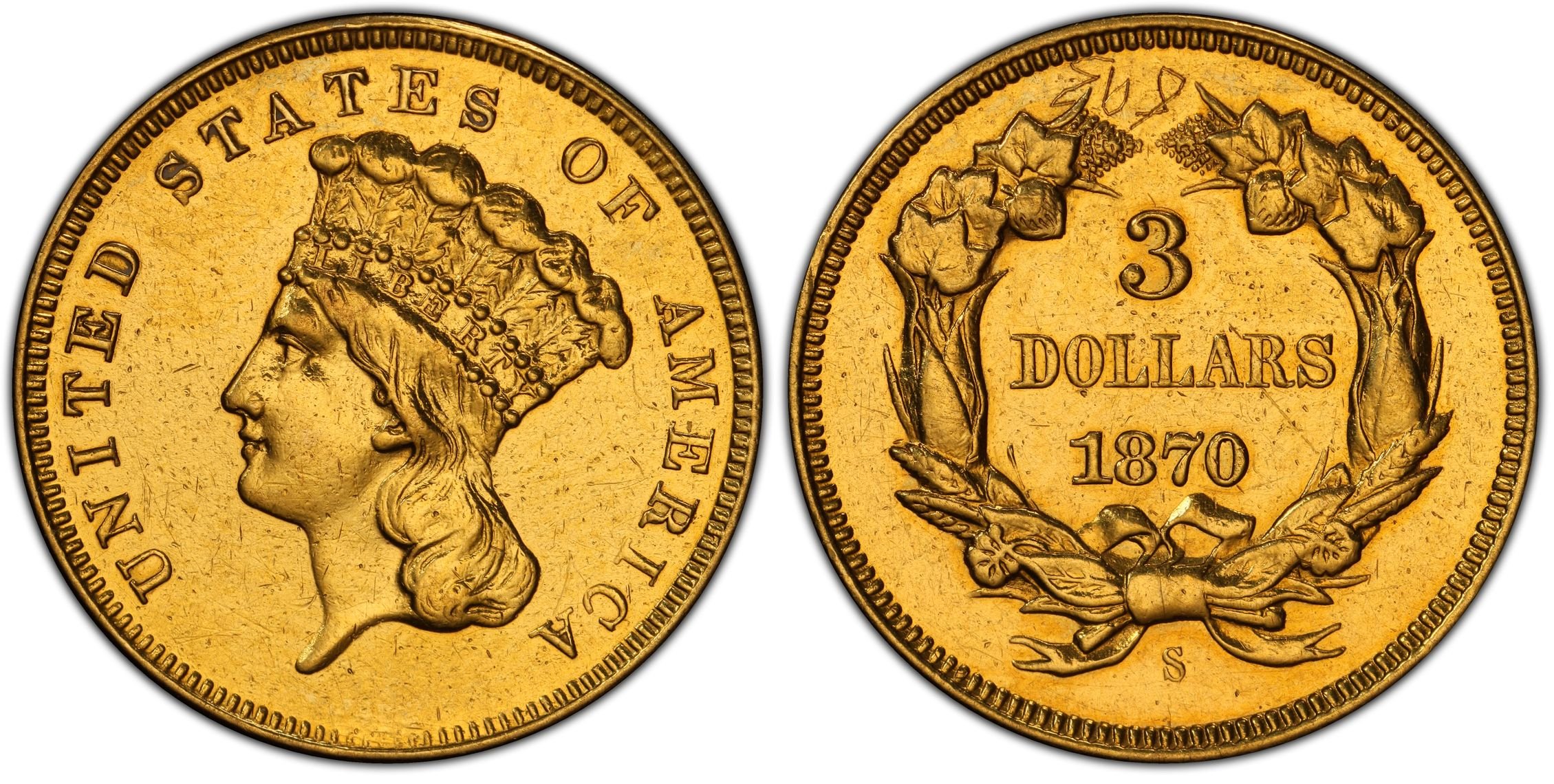
- $3 Princess Gold Coin Set (AU58 proofs – Victorian elegance in gold)
- Saint-Gaudens $20 (MS67 scarce dates – liquid gold in sculptural perfection)
“I’d know them when I saw them” – a collector’s mantra emphasizing that mint condition speaks louder than words
Where Value Wears Thin: Reading a Coin’s History Through Wear Patterns
High Points vs. Fields: The Battlefield of Grade
Every coin tells its story through wear, with certain areas acting as historical fingerprints. Take the 1794 Flowing Hair Dollar – your magnifying glass should hunt for secrets in:
- Liberty’s hair above the forehead (the first to show friction)
- Eagle’s breast feathers (a magnet for subtle rub)
- Highest leaf clusters (nature’s own wear indicators)
A true Mint State (MS60+) specimen will reveal zero friction on these critical areas under 5x magnification. I’ve seen slight rub transform a potential $1,000,000+ treasure into a $50,000 also-ran – that’s how dramatically condition affects collectibility.
Cracking the Morgan Dollar Code: CC Mintmark Mysteries
For the legendary 1889-CC Morgan mentioned in our forum discussion:
- MS63: Ghostly cheek wear, soft breast feathers whisper “circulation”
- MS64: Vibrant cheek luster, cotton bolls sharp enough to snag silk
- MS65+: Eagle’s claws strike like daggers, fields untouched by time
The breathtaking $15,000→$80,000 value leap between these grades makes razor-focused inspection non-negotiable. This is where rare variety meets impeccable preservation.
The Luster Litmus Test: Surface Secrets That Separate Kings From Pawns
Original luster isn’t just about shine – it’s a coin’s fingerprint of authenticity. When examining early copper like the 1793 Chain Cent:
- RB (Red-Brown) designation demands 85%+ original mint fire
- Seek the cartwheel effect dancing in protected recesses
- Beware “dipped” pretenders with flat, reflective surfaces
For golden beauties like the $3 Princess series:
- AU58 vs. MS61 often hinges on secret luster in denticle shadows
- Prooflike specimens are the crown jewels, commanding 300% premiums
- That distinctive “orange-peel” texture? Nature’s seal of originality
Strike Quality: The Unsung Hero of Numismatic Value
Many collectors overlook strike details that can make or break a coin’s pedigree:
Early US Silver Diagnostic (1796 Dime/Quarter)
- Weak stars? Typical strike character
- Full center berry detail? Instantly adds 10-15% premium
- “Split berry” strikes (1796 quarters) – the holy grail of condition rarity
Saint-Gaudens $20: Grading at the Pinnacle
That dream MS67 Saint-Gaudens requires perfection:
- Sun rays blazing above Capitol dome – every strand accounted for
- Liberty’s gown folds sharp enough to cast shadows
- Reverse wheat stalks standing at rigid attention
PCGS reports only 17 coins graded MS67+ across all dates – when we’re talking this level, strike quality separates the immortal from the merely excellent.
Eye Appeal: When Coins Stop Collectors Mid-Sentence
NGC’s “Star” and PCGS “CAC” stickers exist because some coins transcend technical grades:
The Art and Science of Toning
- Natural rainbows follow metal flow like liquid auroras
- Artificial toning crumbles under UV’s harsh truth
- That “blazing Peace Dollar” from the forum? Needs cabinet toning with provenance
Surface Poetry: The Language of Preservation
Take the 1854-O $20 Liberty discussed:
- MS63 with virgin fields: $40,000 symphony
- MS63 with hairlines: $28,000 cautionary tale
- “Crusty gold” surfaces (as described) often guard pristine undersides
PCGS/NGC Standards: The Market’s Trusted Compass
Third-party grading isn’t just opinion – it’s the universal language of value:
Crossover Opportunities: Spotting Sleepers
- Raw 1885 Trade Dollar: Needs 4/5 luster to cross into MS63 glory
- “Choice MS” 1804 Dollar: Likely NGC/PCGS MS62+ with CAC blessing
- Chain Cents: NGC’s environmental damage standards are legendary
Population Reports: The Cold Hard Truth
When our forum member hunts that “1873-CC No Arrows Quarter,” reality bites:
- PCGS has certified just 4 in AU50+ condition
- NGC’s lone MS63 specimen fetched $411,250 in 2021
- “No Arrows” isn’t poetic license – it’s a critical diagnostic feature
The $1,000 vs. $10,000 Decision Matrix
| Coin | $1,000 Grade Tells | $10,000+ Grade Sings |
|---|---|---|
| 1794 Flowing Hair Dollar | VF30 (cheek worn smooth, eagle’s fire dimmed) | MS62+ (hair detail crisp, luster radiating like new) |
| 1889-CC Morgan | XF45 (cotton bolls fading into history) | MS64 (blinding white fields, breast feathers defiantly sharp) |
| $3 Princess Gold | AU53 (hair showing time’s gentle caress) | MS61 (pronghorn luster glowing through centuries) |
Conclusion: Building Legacy Through Preservation
As our fellow collectors recognized – from crusty gold with stories to tell to Morgans frozen in time – true numismatic windfalls are born at the intersection of rarity and condition. The 1794 dollar that could anchor a collection isn’t about mere existence; it’s about surfaces untouched by time, toning that dances with history, and strikes that echo the mint’s original thunder. Whether you’re chasing Chain Cents or Saint-Gaudens gold, remember: that cross-country pilgrimage to inspect a raw Trade Dollar only matters if you can spot the gossamer difference between AU58 disappointment and MS64 immortality. In numismatics as in life, enduring value lies not in possession, but in preservation.
Related Resources
You might also find these related articles helpful:
- Windfall Wisdom: The Historical Stories Behind America’s Most Coveted Coins – Every Relic Whispers History: America’s Story Struck in Coin Hold any early American coin, and you’re not ju…
- Finding the ‘I APOLOGIES’ Doubled Die: A Roll Hunter’s Guide to Rare Varieties in Circulation – You Don’t Always Need a Dealer: The Thrill of Hunting Rare Varieties in the Wild After three decades of roll hunti…
- Morgan Dollars: Silver Symbols of Post-Civil War Reconciliation – Every relic whispers tales if you know how to listen. To truly appreciate the Morgan Silver Dollar, we must feel the pul…
