


Finding A question about stickers on slabs in the Wild: A Cherry Picker’s Guide
February 26, 2026The Real Market Value of 1913 Type 1 Buffalo Nickels: What Collectors Need to Know
February 26, 2026
Understanding Slab Protection and Potential Risks
When investing in precious metals and rare coins, proper storage is just as critical as the initial purchase. Many collectors focus on the numismatic value of their pieces while overlooking how storage materials can affect both the slab and the coin inside. The discussion about rubber bands and adhesive stickers on slabs reveals an important consideration for serious collectors.
The Chemistry of Coin Storage
The plastic used in coin slabs is designed to protect your investment, but it’s not impervious to chemical reactions. When rubber bands or adhesive materials come into contact with slab plastic, several chemical processes can occur:
- Off-gassing: Many synthetic materials release volatile organic compounds (VOCs) over time, especially when new
- Chemical leaching: Adhesives and rubber compounds can transfer chemicals to the plastic surface
- Physical pressure: Tight rubber bands can create pressure points that may damage the slab’s structure
“It may not be the ‘rubber’. It may be solvent or a volatile organic. I know numerous dealers who use rubber bands on slabs with no visible damage” – jmlanzaf
PCGS vs. Other Slab Manufacturers
An interesting observation from the discussion highlights how different slab manufacturers use varying plastic compositions. PCGS slabs appear more susceptible to certain types of chemical damage compared to other brands like ATS.
Physical Design Differences
The structural design of slabs also plays a role in their vulnerability. PCGS slabs feature a bulbous viewing area that creates more surface contact with storage materials, while some other manufacturers use smooth-faced designs that minimize contact points.
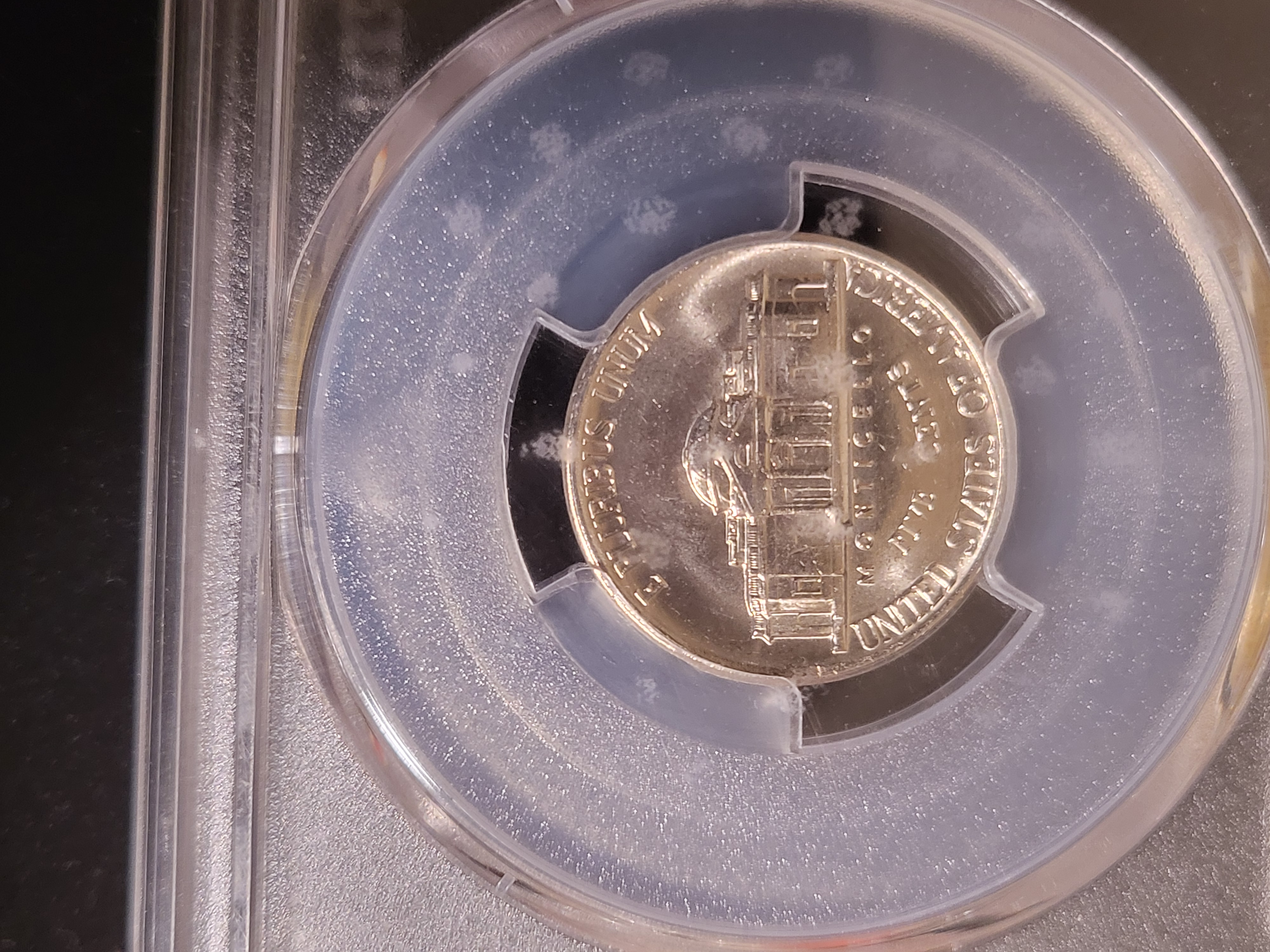
Real-World Storage Damage Examples
The most compelling evidence comes from a collector who experienced firsthand how storage materials can damage slabs. Using a dimpled toolbox liner in a metal blueprint cabinet seemed like a practical solution, but it resulted in chemical etching on PCGS slabs within weeks.
The Toolbox Liner Incident
The collector noticed that coins in the drawer would slide to the back when opened, so they added a non-slip liner. However, this liner caused chemical etching wherever it touched the PCGS slab’s bulbous viewing area. The damage was significant enough to require considerable effort to polish out.
Best Practices for Slab Storage
Based on the experiences shared, here are key recommendations for protecting your slabbed coins:
Storage Materials to Avoid
- Rubber bands of any type
- Adhesive stickers directly on slabs
- Rubber or synthetic rubber drawer liners
- Materials with strong chemical odors
Recommended Storage Solutions
- Acid-free foam or felt liners
- Archival-quality storage boxes
- Climate-controlled environments
- Individual slab holders or tubes
Understanding Chemical Reactions
The discussion reveals that the damage isn’t necessarily from the rubber itself, but from the chemicals used in manufacturing various materials. New products often contain residual chemicals from the production process that can be particularly reactive.
Time Factors in Chemical Damage
Interestingly, the damage from the toolbox liner occurred within weeks rather than months or years, suggesting that certain chemical reactions can happen surprisingly quickly under the right conditions.
Dealer Practices vs. Collector Experiences
There’s a notable discrepancy between what dealers commonly do and what collectors have experienced. Many dealers use rubber bands on slabs at coin shows without visible damage, while some collectors have experienced significant issues.
Risk Assessment
This difference may be due to various factors including:
- Duration of contact
- Environmental conditions
- Specific materials used
- Individual slab composition
Professional Recommendations
While some collectors have used rubber bands without issue, the potential risk to valuable coins makes caution advisable. The cost of a proper storage solution is minimal compared to the potential damage to high-value coins.
PSA Warning
As one collector aptly noted, this should be considered a public service announcement. The risk of chemical damage to slabs is real and can occur even with seemingly innocuous storage solutions.
Conclusion: Protecting Your Investment
The discussion about rubber bands and stickers on slabs serves as an important reminder that proper storage is crucial for preserving both the numismatic and intrinsic value of your coins. While the immediate risk may seem small, the potential for irreversible damage makes it worth investing in proper storage solutions.
For bullion investors and collectors alike, understanding these risks and implementing proper storage practices ensures that your investment maintains its value over time. Remember that the goal is not just to protect the coin, but also the slab that provides authentication and grade protection.
When in doubt, err on the side of caution. The few extra dollars spent on proper storage materials can save you from potentially thousands in lost value due to chemical damage or physical degradation of your slabbed coins.
Related Resources
You might also find these related articles helpful:
- Finding A question about stickers on slabs in the Wild: A Cherry Picker’s Guide – Introduction: The Hidden Dangers in Coin Storage You don’t always need a dealer to find this. Here is what to look…
- Smart Buying Guide: How to Buy A question about stickers on slabs Without Getting Ripped Off – Introduction Building a collection of A question about stickers on slabs requires a strategic approach to secure the bes…
- Protecting Your Slabbed Coins: The Hidden Dangers of Improper Storage – Understanding the Risks to Your Slabbed Coins I’ve seen too many valuable pieces ruined by improper cleaning or st…
