


Strategic Collector’s Guide: Acquiring Superior Coin Photography Gear Without Overspending
December 21, 2025Bullion Breakdown: When the Metal Outshines the Mint – A Stacker’s Guide to Coin Values
December 21, 2025
That next big find might be hiding in your pocket change or a dusty estate sale jar – if you know how to look. After thirty years of roll hunting and cherry picking, I’ve learned one truth: the difference between face value and four-figure numismatic value often lies in the details most collectors overlook. In today’s collecting landscape, your most powerful tool isn’t just a loupe – it’s a camera that captures the luster, strike, and patina that separate ordinary coins from extraordinary finds.
Why Photography is Your Secret Weapon
While novices scramble through coin tubes, seasoned hunters understand that documentation determines profit. Whether you’re sorting bank rolls, evaluating bulk lots, or authenticating potential errors, quality imaging delivers three unbeatable advantages:
- Spot Hidden Value: Freeze-frame doubling, repunched mintmarks, and subtle die variations that define rare varieties
- Preserve Provenance: Create irrefutable records of surface conditions and authenticity markers
- Maximize Returns: Produce gallery-worthy images that boost collectibility and auction prices
“My $200 digital microscope paid for itself in one afternoon when I identified a 1972 Doubled Die cent with stunning red luster – later graded MS65RD with a four-figure valuation” – @OAKSTAR
Budget Gear That Finds Hidden Gems
1. Smartphone Macro Attachments ($20-$100)
Never underestimate the power in your pocket. As one hunter on CoinForum raved: “The Moment 10x macro lens transformed my iPhone into a variety-spotting machine”. These clip-on wonders reveal what human eyes often miss:
- Doubled dies hiding in plain sight
- Microscopic RPMs (Repunched Mintmarks)
- Surface irregularities that signal premium eye appeal
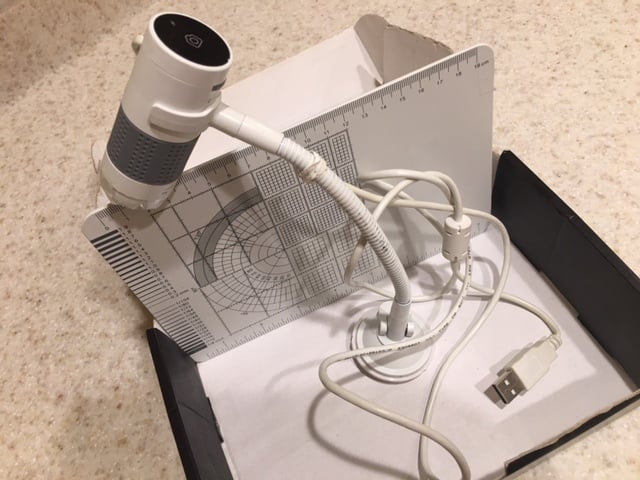
2. Digital Microscopes ($100-$300)
When hunting through bulk wheat cents or scrutinizing Morgan dollars, the Elikliv EM4K-AF digital microscope (shown below) lets you see coins like a grading specialist:
- Identify strike weakness on seated liberties
- Spot micro-varieties in Lincoln Memorial cents
- Document original toning patterns for authentication

Don’t overlook the Carson MM-840 – a roll hunter’s favorite for scanning boxes of coins. Its 300x magnification uncovered this 1955 DDO in mint condition:

3. DSLR/Mirrorless Setups ($300-$600)
When you’re ready to document coins like PCGS submissions, the Sony NEX5 with vintage lenses (shown below) delivers professional results:
“That old Minolta lens in your dad’s attic? Pair it with a Sony NEX via adapter, and you’ve got a grading-quality imaging rig.”

This powerhouse excels for:
- Submitting images to NGC/PCGS
- Capturing true-color toning on Mercury dimes
- Creating 360° views for premium listings
Field-Tested Hunting Strategies
Estate Sale Treasure Hunting
My Elikliv microscope earned its keep when I spotted a 1916-D Mercury dime hiding in a crusty jar. The telltale signs:
- Distinct mintmark shape visible under 100x
- Original surfaces beneath environmental damage
- Key date identification through edge inspection
Bank Roll Reconnaissance
A smartphone macro lens becomes essential when:
- Spotting 1999 Wide AM cents in dime rolls
- Finding 2009-P Lowell Quarters with double dies
- Documenting RPMs for variety attribution
Authentication Station
Proper imaging separates genuine errors from post-mint damage. This Canon-shot 1937-D 3-Legged Buffalo nickel shows diagnostic details:

- Clear hind leg weakness
- Original mint luster
- Undisturbed fields confirming mint state
The Copy Stand Advantage
Veteran collectors swear by this truth: “A $50 copy stand does more for your photos than a $500 lens”. Stability unlocks:
- Consistent lighting for accurate color grading
- Vibration-free microscopy at high magnifications
- Repeatable angles for tracking toning changes
Smart Investments for Smart Hunters
As Philadelphia collector Mike Torres notes: “Spend $200 to find $2,000 coins, not $2,000 chasing $200 coins”. Consider these potential payoffs:
| Gear | Cost | Home Run Find |
|---|---|---|
| Phone Macro | $50 | 1969-S DDO Cent ($2,000+ in MS63) |
| Digital Scope | $200 | 1972 Type 2 Ike Dollar ($500+ MS65) |
| DSLR Rig | $500 | 1995 DDO Roosevelt Dime ($1,500 MS65) |
Conclusion: See More, Find More, Earn More
From bank rolls to estate auctions, your imaging gear determines whether you spot that doubled die, authenticate that toned Mercury dime, or prove your find’s numismatic value. As these forum images prove:
- The $20 lens finds what tired eyes miss
- The $200 microscope reveals hidden pedigrees
- The $500 camera builds auction-worthy trust
“My Canon setup paid for itself ten times over – not just in sales, but in avoided counterfeit disasters.” – @TrueToning
Remember: The coins with life-changing collectibility look ordinary until proven extraordinary. Arm yourself with the right tools, document like a pro, and transform everyday hunting into historic finds. Your next box of pennies could contain a king’s ransom – will your camera be ready to crown it?
Related Resources
You might also find these related articles helpful:
- Is Your Coin Photography Setup Missing Critical Authentication Clues? Expert Detection Guide – With Fakes Flooding the Market, Your Camera Might Be Your Smartest Investment After twenty years of authenticating coins…
- Penny for Your Thoughts: Hunting the Discontinued Lincoln Cent in Circulation Finds – You don’t need a professional dealer to uncover hidden gems in American numismatics. With the U.S. Mint retiring t…
- Smart Buyer’s Guide: Acquiring Discontinued Penny Memorial Collectibles with Confidence – Your Ultimate Guide to Penny Memorial Collectibles For collectors captivated by the historic “Funeral Service for …
