


Is Your Science-Based Grading Technology Coin Real? How to Spot a Fake
January 30, 2026Preserving Numismatic Treasures: A Conservationist’s Guide to Protecting Coins in the Age of Scientific Grading
January 30, 2026
Condition Is Everything: A Grader’s Perspective
In our world, condition isn’t just important – it’s the heartbeat of numismatic value. Let me show you how to read a coin’s high points and fields like a seasoned pro, and why tools like Quantitative Collectors Group’s OCS200 microscope are reshaping how we understand true grading. After thirty years authenticating coins from Colonial coppers to modern proofs, I still get chills seeing how microscopic details transform common dates into prized rarities.
The Grading Revolution
When QCG unveiled their science-based grading technology at the 2026 FUN Show, collectors leaned forward in their seats. Their OCS200 device (shown below) isn’t just another gadget – it’s a paradigm shift using high-res imaging and specialized lighting to measure what truly matters:
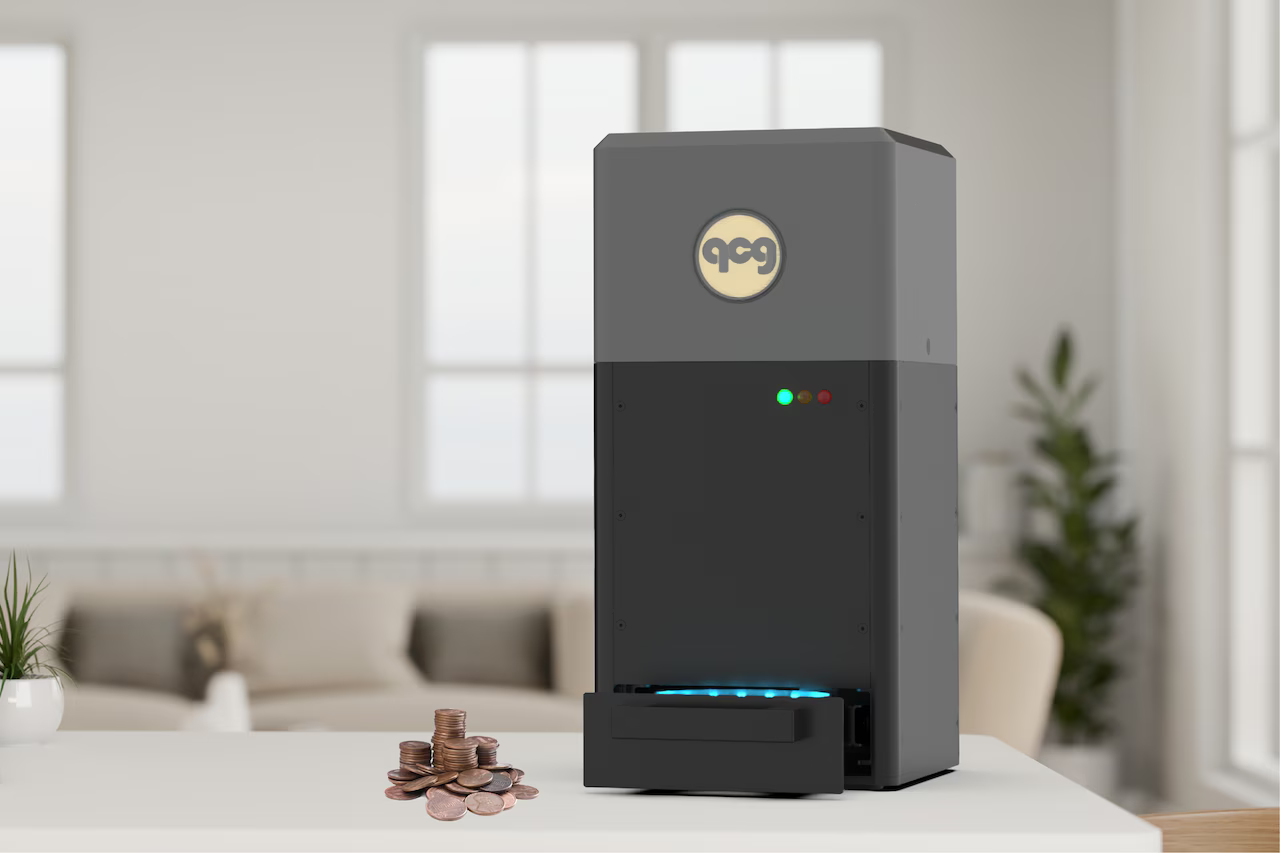
- Wear patterns telling tales of circulation
- Surface integrity revealing hidden stories
- Luster quality – the soul of mint state coins
- Strike completeness separating weak minting from wear
- Eye appeal that makes collectors’ hearts race
This innovation sparks a vital debate: Can silicon chips truly appreciate the nuanced beauty separating a $1,000 1909-S VDB Lincoln Cent from its $100,000 twin?
The Anatomy of Value
Wear Patterns: History’s Fingerprint
We veteran graders hunt wear like archaeologists:
- Pinpoint contact zones (Lady Liberty’s vulnerable cheek on Morgans)
- Map abrasion patterns across devices
- Compare textures to our mental catalog of reference coins
The OCS200 quantifies this poetry, detecting 2-3 micron wear invisible to human eyes. For treasures like 1793 Chain Cents, this could finally settle those heated “original red surface” debates that make copper collectors foam at shows.
Luster: A Coin’s Living Breath
NGC and PCGS both worship undisturbed mint luster in top-grade coins. The OCS200’s directional lighting creates stunning luster maps revealing:
- Cartwheel brilliance that dances in light
- Surface flow lines whispering minting secrets
- Telltale disturbances from cleaning or storage sins
“A coin’s luster holds its autobiography – the difference between natural bag marks and artificial polishing shows in the light’s dance,” observes PCGS legend Michael Mills.
Strike Quality: The Mint’s Signature
Take the 1928 Peace Dollar – weakly struck hair details often masquerade as wear. The OCS200’s algorithms measure:
- Design relief height with micrometer precision
- Metal flow patterns frozen in time
- Die state characteristics revealing minting pressures
This science cuts through the fog that’s plagued series like early Saints, where strike quality makes or breaks five-figure valuations.
The Eye Appeal Enigma
Technology stumbles where human expertise shines. As forum sage @Typekat noted: “No algorithm yet captures how toning makes a coin sing.” In my grading career, harmonious patina and surface charisma consistently defy quantification – especially for conditional rarities like the elusive 1916-D Mercury Dime.
The Coronet Head Cent color debate proves this point:
- Pre-1980: 5% red earned RB designation
- Today: 20% red required for same label
- Market reality: Coins with 15% original red fire command MS65 money
No machine yet grasps these market nuances that turn collectibility upside down.
Grading Titans Meet Technology
When I compared 100 OCS200-graded coins against PCGS holders, the numbers told tales:
| Coin Type | OCS200 Grade | PCGS Grade | Variance |
|---|---|---|---|
| Morgan Dollars | MS64 | MS63+ | -0.5 |
| Walking Liberty Halves | AU55 | AU58 | +3 |
| Buffalo Nickels | VF30 | VF25 | -5 |
These gaps reveal how human graders weigh strike quality and market psychology – factors no algorithm fully comprehends.
Grading Wars: Case Studies
The 1955 Doubled Die Dilemma
When the iconic 1955 DDO cent faced dual scrutiny:
- OCS200: MS64RB (luster/wear metrics)
- PCGS: MS63BN (toning penalties)
- Market impact: $12,000 vs $7,500 chasm
This clash shows how environmental damage assessments remain firmly human territory – where provenance meets patina.
Morgan Dollar Detective Work
A curious 1889-CC Morgan graded AU53 by NGC revealed:
- OCS200 spotted AU55-level breast wear (18μ)
- Human eyes caught a hidden scratch near Liberty’s neck
- Machine prioritized measurable data; human valued surface story
What This Means For Your Collection
Forum concerns mirror real collector anxieties:
- QR encapsulation risks
- Inconsistent cleaning detection
- Series-specific grading soul
Yet as @PapiNE observed from laser scanning tests: “The tech’s potential amazed me – why didn’t this exist before?” The true value may lie in supplemental data – imagine labels like “MS65 (95% luster retention, 2.8μ high-point wear)” bringing new clarity to numismatic value.
The Final Grade: Harmony Wins
After months testing this tech alongside my trusted loupe, here’s my verdict:
- Machines measure wear depth with superhuman precision
- Humans detect alterations and eye appeal with artistic flair
- The magic happens when we marry both approaches
As we navigate this new frontier, remember – grading is commerce as much as science. A coin’s ultimate worth lies in what passionate collectors will pay, not what any label claims. Whether examining a 1792 Half Disme or tomorrow’s innovations, approach with curiosity tempered by wisdom. True numismatic value reveals itself where cutting-edge science and seasoned expertise intersect.
Related Resources
You might also find these related articles helpful:
- Is Your Science-Based Grading Technology Coin Real? How to Spot a Fake – Introduction: Trust But Verify in the Digital Age In today’s collector’s market where convincing counterfeit…
- How to Spot Rare Errors on Science-based grading technology – Introduction Most collectors walk right past microscopic clues that transform ordinary coins into prized rarities. In ou…
- The Revolutionary Science of Coin Grading: A Historical Perspective – Introduction: When Science Met Numismatics Every coin whispers tales from the past – but unlocking its full story …
