


Unlocking the True Market Value of 1922-D Lincoln Cents: A Professional Appraisal
December 12, 2025Unlocking the Secrets of 1922-D Lincoln Cents: A Hunter’s Guide to Die Varieties and Hidden Treasures
December 12, 2025
Every Relic Tells a Story
Hold a 1922-D Lincoln Cent in your hand, and you’re holding a time capsule from America’s turbulent adolescence. This humble copper disc thrills collectors not just for its rare varieties, but as a physical remnant of a nation reinventing itself after global war. The legendary “No D” and “Weak D” specimens aren’t mere mint errors – they’re born from economic whiplash, industrial growing pains, and bureaucratic improvisation. Join me as we unravel how fiscal restraint, die deterioration, and historical happenstance created some of the most coveted coins in U.S. numismatics.
Historical Significance: When Cents Made Sense
Imagine America in 1922: soldiers home from trenches, factories retooling for peace, and a Treasury Department drowning in surplus coins. Denver Mint archives reveal something astonishing – unopened bags of 1917-dated cents still gathering dust! With public faith shifting toward paper money, the mint made a radical call: only Denver would strike Lincoln cents that year. Philadelphia and San Francisco presses fell silent, making the 1922-D issues the sole survivors of their date.
This decision had numismatic consequences we still study today. Denver’s equipment groaned under the strain:
- Just 20 obverse dies (split between two shipments)
- 27 recycled reverse dies from 1920-21 stock
- 7.2 million coins to strike
Compare this to 1920, when 184 dies produced 50 million cents. By 1922, each obverse die endured 360,000+ strikes – a brutal pace that birthed the ghostly mint marks collectors prize. The stage was set for history’s most famous cent varieties.
The Peace Dollar Distraction: Clearing the Air
Many assume Denver prioritized shiny new Peace Dollars over lowly cents. While 1922 did debut America’s iconic silver dollar, researcher Tom DeLorey dug deeper. Mint correspondence shows cents were struck not for commerce, but obligation – a bureaucratic checkbox executed with leftover resources. Next time you admire a 1922-D Peace Dollar, remember: those mint-marked treasures share their birth year with one of cents’ greatest dramas.
Minting History: When Dies Cry Uncle
Let’s bust two persistent myths about these dies that hobby detectives like WaterSport and CaptHenway (Tom DeLorey’s alter ego) debunked:
- Myth #1: “Die shortages caused overuse.” Archives confirm Denver ordered standard die quantities – scarcity wasn’t the issue.
- Myth #2: “Clashed dies created ‘No D’ coins.” After examining hundreds of specimens, zero showed obverse clash evidence.
The real villain? Improper die hardening. As forum sage Pete noted, Denver’s equipment simply couldn’t handle the workload. Inconsistent tempering led to accelerated erosion, particularly around the delicate mint mark. This created our two legendary varieties:
- “Weak D” Wonders: Mint marks fading like ghosts from die surface wear
- “No D” Rarities: Marks obliterated by desperate polishing or total erosion
Die Pair 4: The Lobe Tells the Tale
Among numismatists, Die Pair 4 is rock star. CaptHenway’s images revealed distinctive “lobes” beneath Lincoln’s lapel – diagnostic clues of mechanical polishing or erosion. As the die aged, these lobes grew from faint whispers to pronounced features. “I’ve documented early states where the erosion just begins,” CaptHenway noted, “and late states where the lobes dominate the field.” Interestingly, this die never produced a true “No D” coin, making it essential for grading the variety spectrum.
“Early die state coins show original luster with minimal wear; late states look like Lincoln’s portrait is emerging from a storm cloud.” — CaptHenway
Political Context: Pinching Pennies in Denver
Andrew Mellon’s Treasury Department ran a tight fiscal ship. Reusing 1920–21 reverse dies (confirmed unused by ledgers) saved money but cost dearly in quality. These older dies, paired with exhausted obverses, created what specialist Sean Reynolds calls “reverse dies only a mother could love” – spiderwebbed with cracks. Yet in this mess lies collectibility: each fracture pattern tells its own story of industrial strain.
The irony? While Denver squeezed out cents, public demand cratered. “They had 1917 bags still vaulted!” WaterSport marveled. This paradox – minting coins nobody needed – epitomizes bureaucracy struggling with peacetime transition.
Detective Work: Spotting the Stars
Authentication requires numismatic detective work. Here’s your field guide:
1. Obverse Clues – The Devil’s in the D
- Weak D/No D: Inspect the mint mark area under angled light. Flow lines near the rim scream “overworked die!”
- Polishing Tells: Seek those telltale lobes beneath Lincoln’s coat (Die Pair 4’s signature) or uneven fields.
2. Reverse Revelations – Clash Classics
While no obverse clashes exist, reverses tell different tales. StrikeOutXXX uncovered a beauty with clash marks stretching from “CENT” to “E PLURIBUS UNUM” (below). These rare strikes offer diagnostic clues for variety attribution.
3. Breaking Point – When Dies Snap
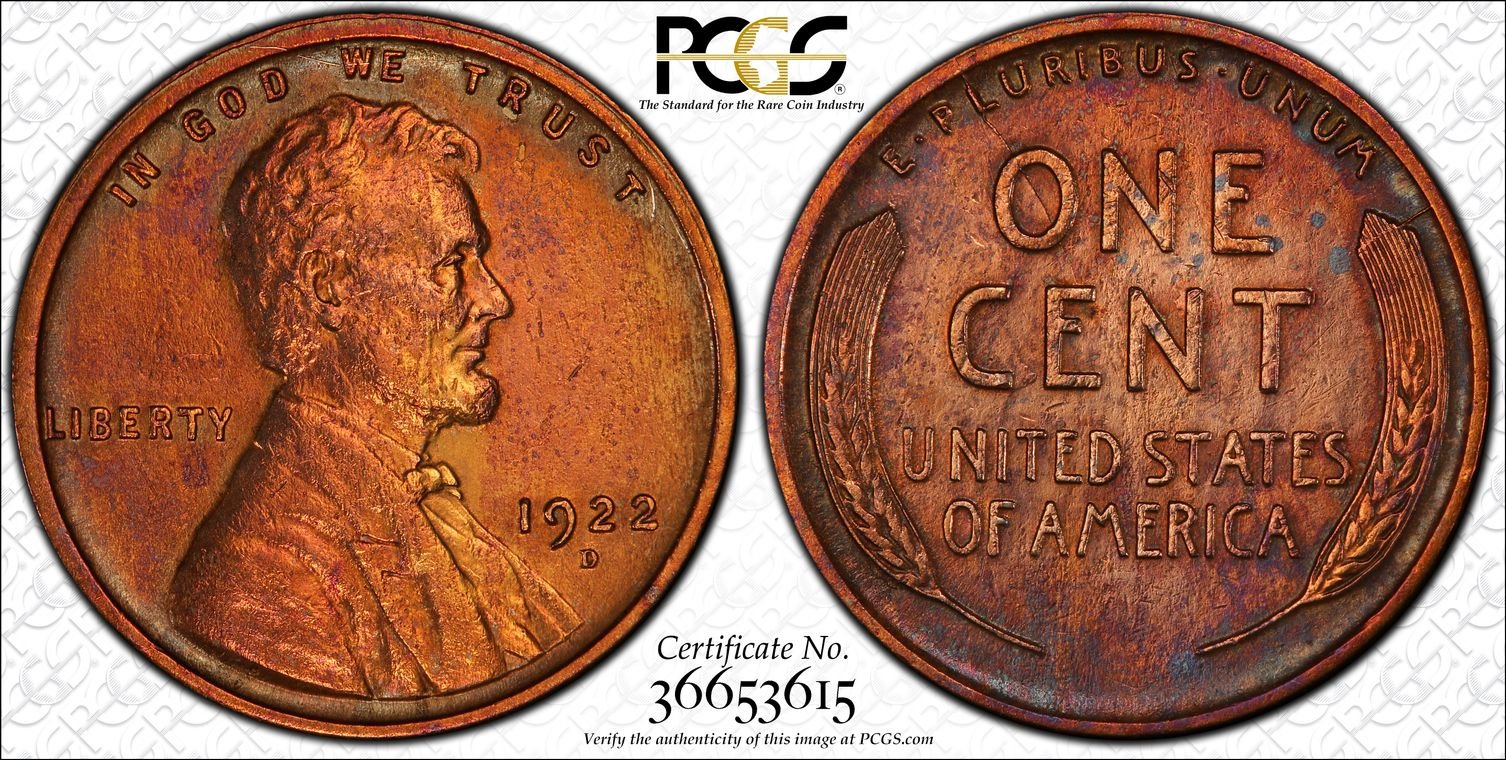
Late-stage specimens showcase dramatic die breaks. User dbldie55’s example features a “cud” crack cleaving the “O” of “ONE” – a failure point screaming “I’ve had enough!”
Market Magic: Rarity Meets Demand
With just 7,160,000 struck, the 1922-D cent wears the “lowest-mintage Wheat cent” crown. Its varieties command eye-popping premiums:
- 1922-D “Weak D” (MS-65): $5,000–$10,000 – numismatic value skyrockets with eye appeal
- 1922 “No D” (G-VG): $500–$1,000 – affordable entry to this rare variety
- 1922 “No D” (MS-65): $75,000+ – mint condition specimens rival classic rarities
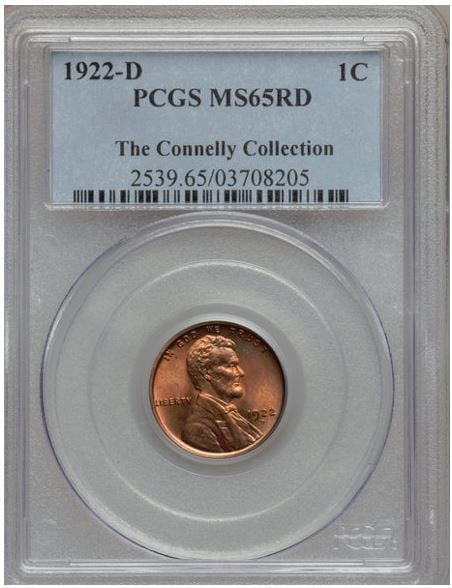
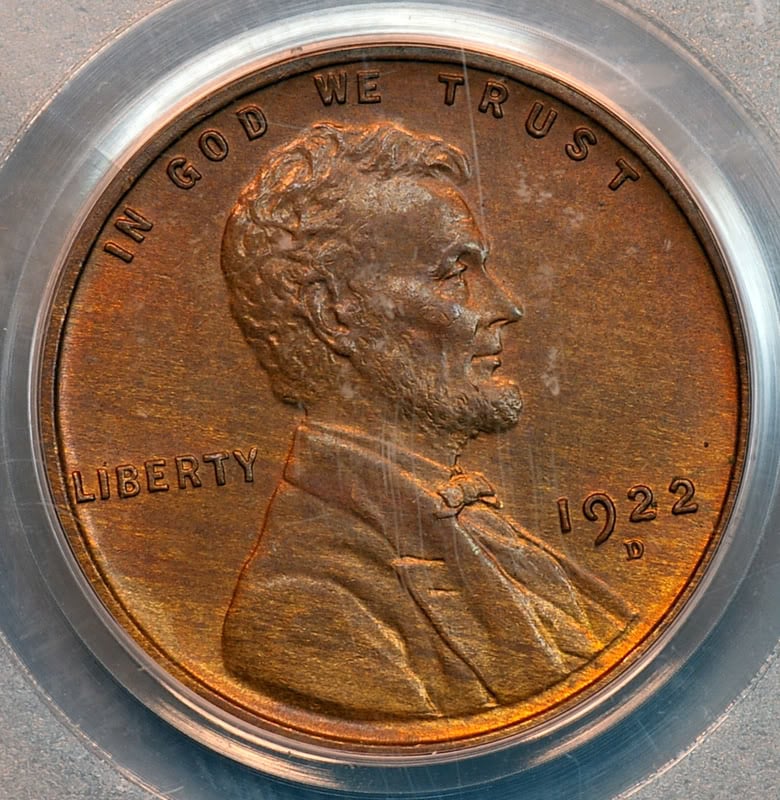
Historical context fuels collectibility: In 1931, uncirculated 1922-Ds traded alongside 1909-S VDBs. Today, gems like the PCGS MS-65 Red below – with its captivating “wood grain” patina – anchor elite collections. That’s provenance you can bank on.
Conclusion: More Than Metal
The 1922-D Lincoln Cent isn’t just copper – it’s a historical touchstone. Its varieties, born from exhausted dies and economic tension, embody America’s postwar resilience. For collectors, these coins offer something priceless: tactile connection to an era when every cent counted. As CaptHenway teases, new revelations await:
“My upcoming article solves why Denver struck these cents while other mints slept – prepare for surprises!” — CaptHenway
That’s the thrill of numismatics: even common coins become extraordinary when history, scarcity, and human drama collide in your palm.
Related Resources
You might also find these related articles helpful:
- Unlocking the True Market Value of 1922-D Lincoln Cents: A Professional Appraisal – 1922-D Lincoln Cents: Why Book Values Don’t Tell the Whole Story After three decades of handling these enigmatic c…
- The Collector’s Eye: Decoding Grading Standards to Separate $10 Coins from $1,000 Treasures – Condition isn’t just important – it’s everything in our world. After three decades authenticating coins for …
- Hidden Fortunes: The Error Coin Hunter’s Guide to Spotting Valuable Varieties – The Art of Error Hunting: Turning Pocket Change Into Rare Treasures What if I told you that coffee money could become co…
