


The Capital Gains and Tax Guide for Selling 1776-2026 D Declaration of Independence Dual Die Error Coins
October 2, 2026Can You Profit from a 2026-D Declaration of Independence Quarter? Dual-Die Breakdowns, Cross-Grading, and Raw-to-Slab Flips
October 2, 2026
A Homeowner’s Policy May Not Cover a Rare Coin Collection’s Full Value
A standard homeowner’s policy may respond to fire, theft, or water damage affecting coins, jewelry, medals, paper money, and other collectibles. The catch is the limit. It may cap those items far below their actual replacement value—and some policies cover only the metal, not the coin’s numismatic premium.
That gap can become painfully expensive with a group of alleged 2026-D Declaration of Independence coin errors supposedly struck from the same deteriorating die. I would not appraise the group as 22 unrelated coins. If the connection is genuine, their interest may lie in a documented 22-piece die-break sequence showing successive stages of a die clash, attempted repairs, cracking, metal extrusion, and eventual failure.
The essential insurance question is not merely, “What is this coin worth?” It is, “What would it cost to replace this exact authenticated, graded, and documented object or group on the date of loss?”
In my work with fine art and collectibles insurance, the strongest protection begins long before a claim. I advise collectors to verify the coins, establish the sequence, obtain a defensible replacement-value appraisal, schedule every piece properly, and confirm that the policy responds to the full numismatic value.
Begin by Verifying the 2026-D Design and Denomination
The description contains an immediate verification issue
The wording is the first red flag. The forum account calls the pieces “2026-D Declaration of Independence Quarters.” A D mint mark ordinarily identifies a Denver issue, but neither the date nor the denomination should be accepted simply because it appears in a listing or image. A genuine 2026-D coin found before the official release would require extraordinary documentation.
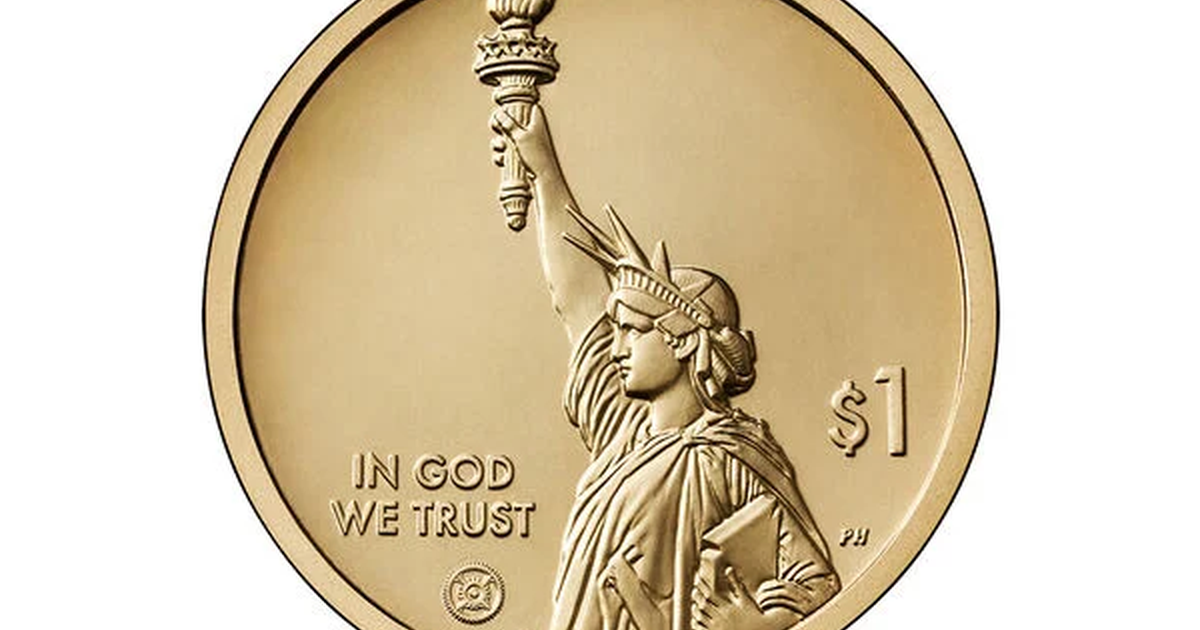
There is also a denomination issue. The Declaration of Independence design associated with the U.S. Mint’s American Innovation program is a $1 coin, not a circulating quarter. That distinction matters in an insurance schedule. If the pieces are American Innovation dollars described as quarters, the record may contain the wrong metal, weight, diameter, market category, and replacement source.
Before accepting the story, I would compare every example with official Mint information:
- Denomination and authorized design: Confirm whether the piece is an American Innovation $1 coin and whether the depicted reverse is correct.
- Date and mint mark: Verify the 2026 date and Denver “D” under magnification.
- Weight, diameter, composition, and edge: Check these specifications for signs of alteration, counterfeiting, or wrong-denomination substitution.
- Edge lettering and devices: Compare edge details, dentils, and lettering with authenticated references.
- Official release information: Use Mint publication and release records to determine whether the coin could legitimately have entered circulation.
A dramatic appearance is not authentication
In my experience with unusual modern coins, the most consequential question is not how severe the damage appears. It is whether each feature was struck at the Mint and whether the proposed sequence is physically and chronologically possible.
Several terms in the forum account describe an idea, but they are not established numismatic classifications:
- A doubled die is produced from distinct working hubs and creates a recognizable doubled image of the same design.
- A die clash occurs when opposing die elements make unintended contact during striking, leaving traces of one side’s design on the other.
- A die break is an actual fracture, crack, or chip in a working die.
- A claimed die marriage requires evidence that the coins were struck by the same die pair. Similar damage alone does not establish that connection.
- Terms such as “orange-peel fatigue,” “failed repair,” “terminal finale,” and “structural blowout” may help an organizer describe the sequence, but they are not grading-service variety names by themselves.
I would stop before touching any coin, metal flake, or apparent die fragment. Do not file a surface, hammer loose material flat, reproduce a mark, or clean the pieces. Every alteration can erase evidence an authenticator needs and may materially reduce collectible value.
Build a Defensible Asset Schedule for All 22 Pieces
Schedule the sequence, but also schedule each coin individually
“Scheduled personal property” is the part of an insurance policy that identifies an item, describes it, and states its individual insured value. A 22-coin die-break sequence should never appear only as one vague line such as “assorted Declaration errors.” Each piece needs enough detail to be distinguished, valued, and replaced.
For this proposed group, my insurance schedule would include:
- An individual coin number, such as #1 through #22.
- The verified denomination, date, and mint mark.
- Detailed obverse, reverse, and edge descriptions.
- The grade or pre-submission condition designation, including any supported claim of original mint condition.
- The certification number and grading-service designation, if applicable.
- Any pedigree, provenance, or documented ownership history.
- The claimed die stage, clearly labeled as verified or provisional.
- The individual replacement value and any separately supported set value.
- The storage location, including home, safe-deposit box, dealer vault, grading service, or exhibition venue.
The sequence can then be listed as a linked set. If one coin is damaged, the insurer should not have to treat the other 21 as unrelated inventory. If the entire group is destroyed, the appraisal should explain whether a comparable 22-piece run can realistically be found in the market.
Create an evidence file that can be understood without the seller
The forum discussion illustrates a common problem: dramatic claims are not supported by photographs capable of showing the alleged die cracks, file marks, field fissures, or metal extrusions. Pixelated screenshots, heavy compression, moiré patterns, oblique lighting, and tightly cropped images can prevent a meaningful examination.
For each coin, I would document:
- Full obverse and reverse images under neutral lighting.
- High-resolution macro photographs of every claimed defect.
- Raking-light images that reveal cracks, filing marks, or raised metal.
- Clear edge photographs.
- A scale showing the coin’s actual diameter.
- Images of every inscription relevant to authentication.
- A written chain-of-custody record showing when and where each coin was found or acquired.
Keep the original image files, not just edited copies. Do not use filters, sharpening, or artificial enhancement to make weak details appear stronger. If loose material is present, photograph it in place, record who handled it, and store any detached fragment separately in an appropriate inert container.
In an insurance file, I keep fact and interpretation separate. “The Mint die fractured above the final R of PLURIBUS” is a physical observation. “This is the only surviving fragment from the die’s final collapse” is a rarity claim that requires corroboration.
Obtain a Numismatic Replacement-Value Appraisal
What replacement value should mean
For collectibles insurance, replacement value generally means the cost of obtaining a comparable example through the appropriate market on the date of loss. It is not face value, melt value, a dealer’s immediate purchase offer, or an aspirational auction estimate.
A sound numismatic appraisal should consider:
- Authentication and denomination.
- Grade, eye appeal, strike, luster, surface condition, and any patina or toning.
- The rarity and census of the attributed rare variety.
- Certification status and recognized designation.
- Provenance, pedigree, and documented historical importance.
- Recent realized auction prices.
- Current dealer and specialist-market demand.
- The availability and cost of genuinely comparable examples.
- Any coherent relationship among multiple coins from the same die pair.
Insurance value should not be created by multiplying a speculative rarity figure by the number of examples. A dramatic but unrecognized modern error may have limited demand and little collectibility. By contrast, an authenticated major variety from a recognized die state can command a substantial premium, particularly when it survives in exceptional mint condition.
Use an appraiser with modern-error expertise
Not every appraiser who understands colonial coins or classical gold is equally qualified to value modern doubled dies, repunched dies, misplaced dies, dramatic die breaks, and other production anomalies. I look for someone who regularly examines contemporary Mint errors and understands how PCGS, NGC, specialist dealers, and auction buyers use their terminology.
I also value independence. An appraiser who offers to authenticate, purchase, broker, or guarantee the sale has a financial interest that should be disclosed. The report should state the appraiser’s qualifications, scope of examination, valuation date, assumptions, and sources of comparable sales.
A major grading service may authenticate a coin, grade its condition, and attribute a recognized variety. It does not ordinarily guarantee that a 22-coin group will receive a special set or archive designation, or that the pieces will carry a combined premium. If sequence treatment matters, ask the grading service and prospective buyers in advance how linked submissions are handled. Never assume that a shared submission sheet creates shared value.
Do Not Automatically Add a Premium for the Die-Break Story
Individual condition can vary dramatically
In the proposed timeline, an early coin with a clear die clash may appeal to a very different buyer from a later coin with a filed shoulder, embedded die chip, rim-to-letter crack, or large area of extra metal. Later does not necessarily mean more valuable. Surface disruption, cracks, incomplete strikes, and lost detail can sharply reduce the grade.
Each coin must stand on its own merits. Any group premium should be supported by demonstrated collector demand for the documented relationship. I have seen sellers assume that a longer sequence automatically creates a larger multiple, but replacement buyers may prefer only the most visually striking stages rather than every damaged example.
For sound underwriting, I ask for two separate conclusions:
- Individual-sum value: The combined current replacement values of the 22 coins considered separately.
- Documented set premium: An amount supported by recent sales or firm specialist-market evidence.
If no reliable market exists for a complete sequence, the premium may be zero. That is not a dismissal of the coins’ historical interest. It is the difference between an important Mint process artifact and a group that can be replaced readily enough to support the claimed insurance value.
Select Specialized Numismatic Coverage
Know what the homeowner’s endorsement actually covers
A scheduled endorsement is not automatically “full-value collectibles insurance.” The policy and its attached endorsement must specifically identify coins and numismatic property. A precious-metals provision may compensate only for melt value, while a personal-liability or blanket-property limit may apply in certain locations.
I recommend reviewing the wording with the insurer and asking:
- Does coverage apply to numismatic value or only metal content?
- Is there a separate per-item, per-pair, or per-set limit?
- What percentage of the total insured value applies to collectibles?
- Are coins covered at home, in a home safe, bank vault, dealer, grading service, or during transit?
- Does theft coverage apply when the collection is removed from a secured safe?
- Are mysterious disappearance and inventory shortfall covered?
- Are newly acquired coins automatically covered, and how soon must they be reported?
- Does the policy pay replacement value, actual cash value, or an agreed value?
- Are market-price declines, failed certification, or rejection by a grading service insurable events?
Most policies do not guarantee a future grading result. Nor do they generally insure an investment loss caused by a decline in the collector market. A coin that remains physically intact but loses value because demand softened may not create a claim.
Schedule values, but do not inflate them
An inflated appraisal can weaken an otherwise credible submission. A qualified insurer does not want an artificial number; it wants a value that can be supported if the property is lost. Obtain written confirmation that the insurer accepts the appraiser’s methodology, and update the schedule regularly.
I advise clients to review values at least annually and whenever a major acquisition, significant grading result, change in set composition, or new market evidence affects a modern-error variety. Newly purchased coins should be added promptly, with the purchase price documented separately from current replacement value.
Storage, Shipping, and the Practical Cost of Protection
Documentation must match the custody chain
The original suggestion to store the coins in separate, PVC-free flips is sensible. Label each holder in a way that preserves the sequence without marking the coins themselves. If a piece has already been certified, use an appropriate capsule or slab and maintain a cross-reference between its certification number and insurance schedule.
Protection also requires a safe chosen for its actual contents. A fire-resistant document safe may not deter a determined thief, while a high-security safe can raise a separate question about the insurer’s theft requirements. Confirm approved locations and safe specifications before purchasing one.
When coins leave for grading or sale, coverage may depend on the carrier, declared value, packing standard, and policy’s unattended-transit terms. Use tamper-evident packaging, photograph the open set before closure, insure the shipment for the appropriate amount, and retain the receipt and full tracking record.
Set a claim plan before a loss
Keep the appraisal, photographs, acquisition records, certification records, and correspondence in two accessible locations. If theft or damage occurs:
- Notify the insurer and police promptly as required by the policy.
- Prevent further damage without unnecessarily discarding evidence.
- Do not clean, repair, relabel, or sell any damaged property.
- Retain packaging, locks, receipts, and relevant security records. A complete file gives the adjuster the best chance to understand exactly what was lost and what it would cost to replace.
Related Resources
You might also find these related articles helpful:
- How Trusted Coin Dealers Sell the 2026 Best of the Mint 5 1907 Saint-Gaudens High Relief $20 Set – I have seen plenty of attractive coins sold with vague descriptions. In a hobby where authenticity questions and grading…
- Spotting the Difference: Proof vs. Business Strike Best of the Mint 5 1907 Saint-Gaudens High Relief 20 Gold Coin and Silver Medal Set – Why Proof vs. Business Strike Matters More Than Ever in 2026 Sometimes early proofs fool even seasoned eyes—they look li…
- 1909-O or 1909-D? How Coin Dealers Build Trust in $5 Indian Gold Eagles – Counterfeits, altered mintmarks, and subjective grading calls have taught me one lesson: in this hobby, reputation is th…


