


1917 Buffalo Nickel Acquisition Guide: How to Secure Value on Interesting Varieties
January 6, 20261917 Buffalo Nickel: When Base Metal Content Outshines Face Value
January 6, 2026
You don’t need a professional dealer to uncover hidden numismatic treasures. Some of our most thrilling discoveries happen while sifting through everyday circulation coins, bulk lots, or estate sale finds. Take this lively forum discussion about a 1917 Buffalo nickel – it’s proof that ordinary coins can reveal extraordinary secrets when you’ve honed your collector’s eye.
The Enduring Magic of Buffalo Nickels
Since their 1913 debut, James Earle Fraser’s Buffalo nickels have captured America’s spirit like few coin designs before or since. The powerful Native American portrait and majestic bison create timeless eye appeal, yet their high-relief design proved fragile in circulation. Dates wore smooth within months, making well-struck survivors with strong luster the holy grail for today’s variety hunters.
Decoding a Numismatic Mystery
The collector community recently buzzed over this perplexing 1917 Philadelphia specimen:
“The buffalo’s front leg looks completely transformed! Is this post-mint damage, a struck-through error, or something more significant? I’ve handled hundreds of Buffs but never seen this particular anomaly.”
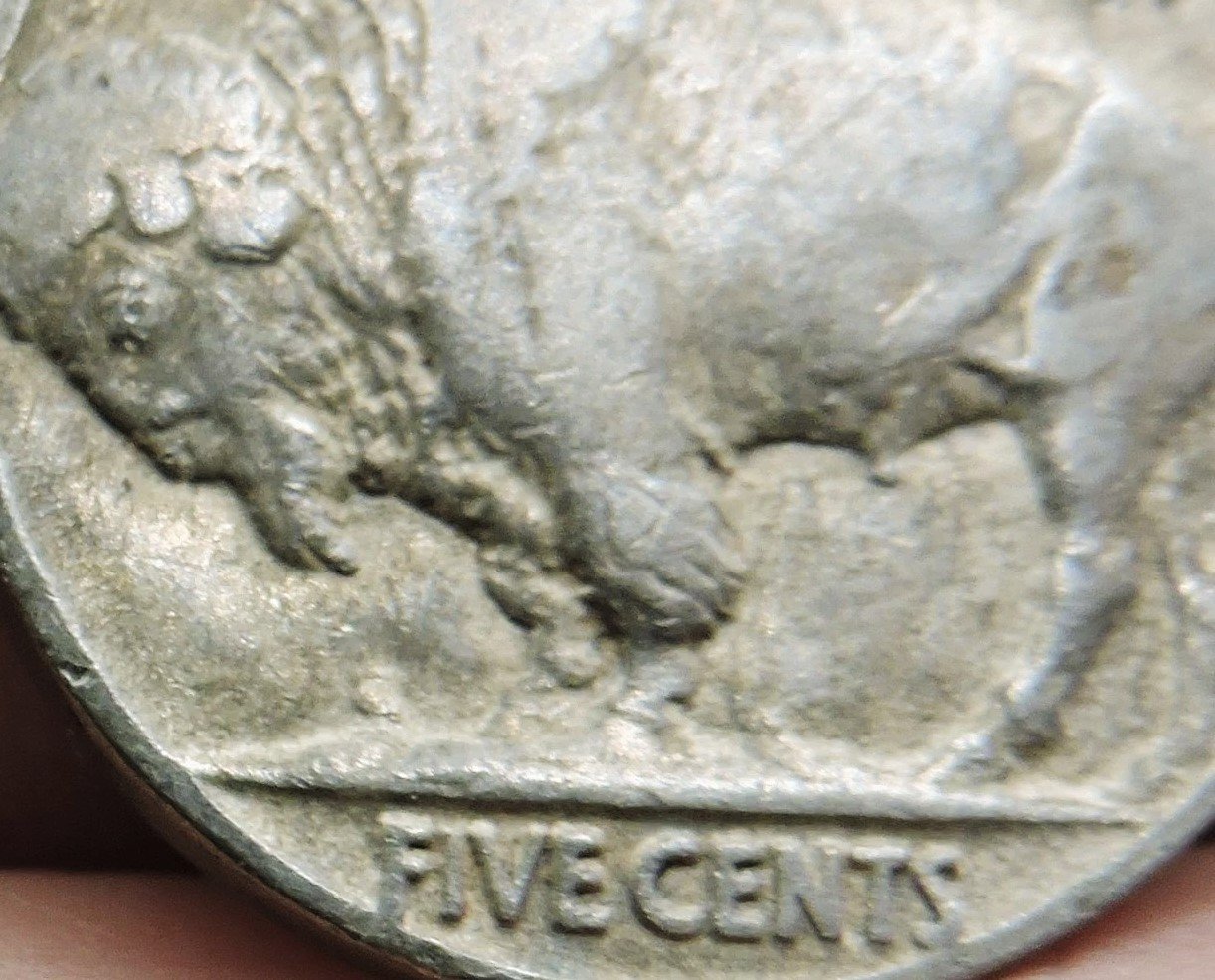
This coin embodies why we love the hunt – that electric moment when you spot something unusual in a supposedly common date. While the photo can’t provide definitive answers, the debate showcased essential authentication skills every serious collector should master.
Essential Markers for Buffalo Nickel Collectibility
When evaluating potential finds, train your eyes on these critical features:
Date and Mint Mark Secrets
- Philadelphia (1917): No mint mark, 51 million struck – but rare varieties still emerge
- Prized Rarities: 1916/16 Doubled Die (the “King of Buffalo Nickels”), 1918/7-D overdate
- Sleeper Semi-Keys: 1921-S, 1926-S – often overlooked in lower grades
Wear Patterns Tell the Story
The buffalo’s horn tip and shoulder typically show first wear. Our 1917 specimen reveals:
- Partial horn detail suggesting VF condition
- Crisp LIBERTY on headband – a key grading factor
- Flattening along the bison’s spine from circulation
Cracking the Error Code
Forum experts debated the leg anomaly with forensic precision:
- Post-Mint Damage: “The uneven patina suggests possible abrasion”
- Die Deterioration: “1917 dies were overworked – look for flow lines near the leg”
- Strike-Through Error: “Could be fabric or grease on the die during striking”
- Planchet Quirk: “Metallic impurities sometimes create dramatic cavities”
Proven Strategies for Cherry Picking Success
Circulation Finds That Pay Off
My best finds came from:
- Bank-wrapped nickel rolls (focus on pre-1960 dates)
- Coin counter reject trays – error coins often get kicked out
- Gas station change drawers – you’d be surprised what turns up!
Pro Tip: Buffalo nickels frequently hide in Jefferson nickel rolls. Develop a rapid-scan technique – date, mint mark, strike quality – then inspect for errors.
Mining Gold from Bulk Lots
Never underestimate “junk” bins containing:
- World coin mixes (European coins often harbor stray Buffs)
- Mechanically damaged US coins (errors sometimes get lumped in)
- Unsearched collections (dealers occasionally miss conditional rarities)
That intriguing 1917 example? Almost certainly rescued from an “unsorted” lot.
Estate Sale Masterclass
At sales, I always:
- Ask specifically for “grandpa’s old coin jar”
- Check dresser valets and cigar boxes – classic storage spots
- Inspect albums under strong light – toning can hide key details
“This nickel deserved veteran eyes like Ron’s – he’d have spotted its story immediately.”
Understanding Numismatic Value
While our 1917 example shows wear, its mystery creates collectibility potential:
| Condition | Value Range |
|---|---|
| Good (G-4) | $1.50 – $3 |
| Very Fine (VF-20) | $12 – $18 |
| Confirmed Rare Variety | $50+ |
Premiums come from:
- Attribution to known varieties (consult the Cherrypickers’ Guide!)
- Documented mint errors with strong eye appeal
- Historical provenance that enhances its story
Preserving Your Finds
When you uncover a potential gem:
- Handle like ancient parchment – edges only!
- Use archival-quality flips – acidic holders destroy surfaces
- Study specialized references (Bressett’s Buffalo book is essential)
- Consider NGC/PCGS grading for significant errors – encapsulation protects value
Why We Chase These Moments
This 1917 Buffalo nickel debate captures our obsession perfectly:
- The adrenaline rush of unresolved attribution
- Generational knowledge passed through collector networks
- Democratized discovery – no trust fund required!
As the forum member perfectly stated: “The history in your palm – that’s what keeps us digging.”
Go Forth and Hunt!
This humble 1917 Buffalo nickel reminds us that numismatic magic hides in plain sight. Whether you’re scanning bank rolls, sifting estate sale finds, or studying bulk lots, remember: every worn copper-nickel disc holds potential. That next strike-through error, dramatic die break, or pedigree specimen could be waiting in your next coin tray. Keep your loupe clean, your references handy, and your passion burning. The thrill of discovery awaits!
Related Resources
You might also find these related articles helpful:
- 1917 Buffalo Nickel Acquisition Guide: How to Secure Value on Interesting Varieties – The Allure of the Anomalous Buffalo There’s nothing quite like the thrill of discovering a Buffalo nickel that mak…
- 1917 Buffalo Nickel Authentication Guide: Spotting Counterfeits in the Wild – With Counterfeits Circulating, Your 1917 Buffalo Nickel Needs This Forensic Eye Friends, if your coin cabinet holds a 19…
- 1917 Buffalo Nickel Errors: A Hunter’s Guide to Die Cracks, Varieties & Hidden Value – Most folks walk past tiny details that can transform pocket change into rare treasures worth thousands. As an error coin…
