


The Insider’s Guide to Acquiring Buffalo Nickels: Maximizing Value and Avoiding Pitfalls
December 15, 2025Buffalo Nickels: Bullion Realities and Numismatic Treasures for Savvy Investors
December 15, 2025
Who says you need deep pockets or dealer connections to uncover coins with serious numismatic value? Some of my most thrilling discoveries came from humble sources – circulation finds, unassuming bank rolls, and overlooked estate sale lots. After decades of hunting these five-cent treasures, I can confidently say Buffalo and early Jefferson nickels offer some of our hobby’s greatest cherry-picking opportunities. Let’s explore how to spot rare varieties, condition rarities, and hidden gems that transform pocket change into collectible gold.
Historical Significance: America’s Iconic Nickel Designs
The Buffalo nickel (1913-1938) and early Jefferson nickel (1938-mid 1960s) aren’t just pocket change – they’re miniature works of art that capture pivotal moments in American history. Their enduring popularity makes them prime targets for the discerning cherry picker:
Buffalo Nickel Key Factors
- 1913 Type 1 vs Type 2: The legendary “raised mound” Type 1 lasted mere months before being replaced by the more durable “line mound” Type 2 – finding either with strong eye appeal is a major win
- Key Dates: The holy grails: 1913-S Type 2 (scarce even in low grades), dramatic overdates like the 1914/3, and the elusive 1916 Doubled Die
- Condition Rarity: Most surviving Buffalos are worn smooth. Any specimen showing full horn detail (FH designation) with original luster deserves immediate attention
Early Jefferson Nickel Highlights
- 1938-1939: Prized for their razor-sharp steps and fresh strikes from new dies
- 1942-1945: Wartime silver alloy nickels (35% silver!) instantly identifiable by their oversized mint marks – every collector’s favorite emergency silver stash
- 1950-D: The undisputed key date with a tiny 2.6 million mintage – finding one in any condition is cause for celebration
The Cherry Picker’s Eye: Essential Diagnostics for Valuable Nickels
Through countless hours scrutinizing these five-cent pieces, I’ve honed my eagle eye for these telltale signs of value:
Buffalo Nickel Diagnostics
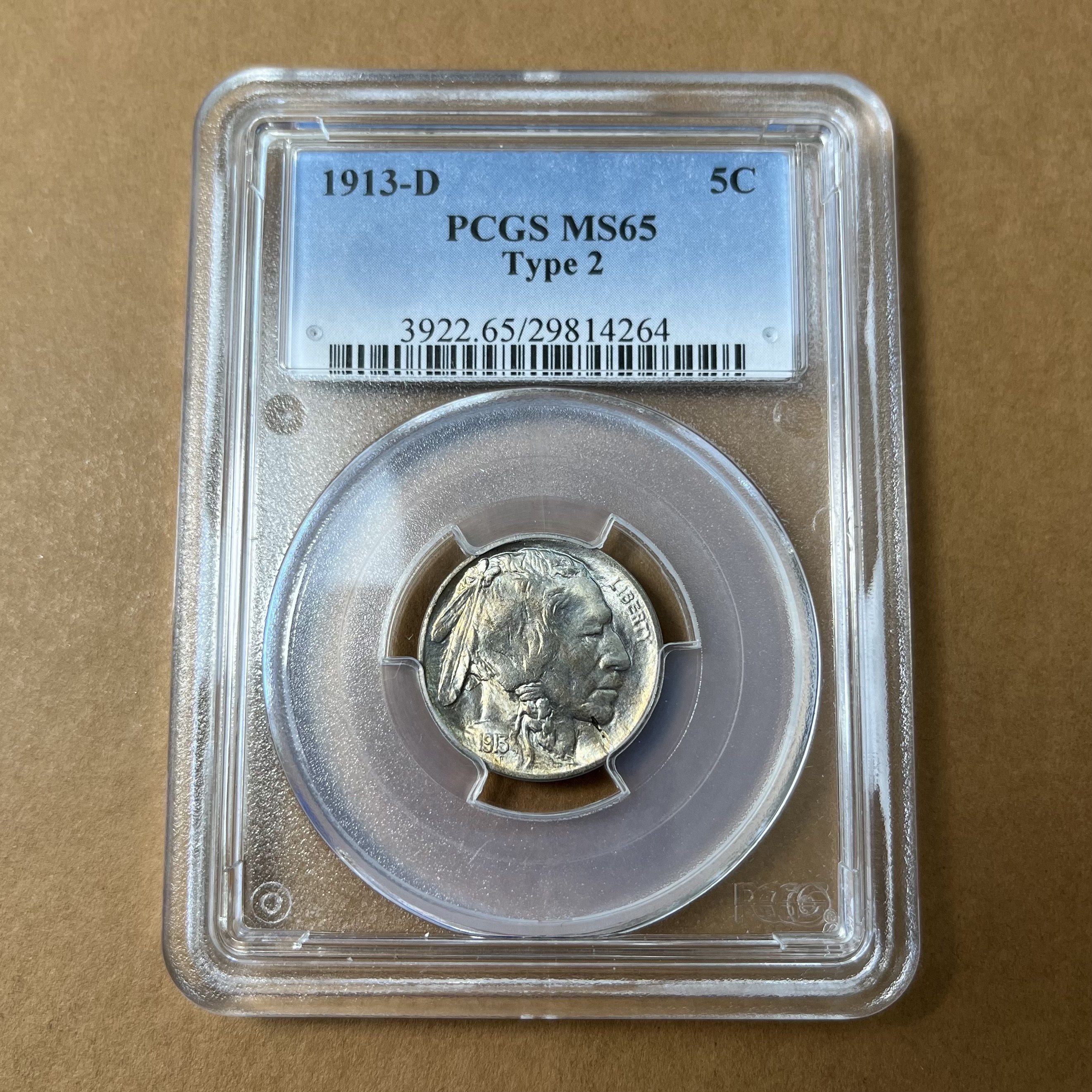
When evaluating Buffalo nickels, always carry a loupe and good light source to check these critical areas:
- Date & Mint Mark Survival: Even partially visible dates on worn specimens can indicate rare varieties. That faint “S” might mean a five-figure coin!
- Detail Retention: Focus on the buffalo’s horn (FH specimens command huge premiums), mane texture, and hoof definition – these areas reveal true condition
- Surface Quality: Original mint luster under that century-old patina? You’ve struck cherry-picking gold
“My all-time prize – a 1917-D with razor-sharp horn detail and just enough mint mark to confirm its precious Denver provenance” – Seasoned Collector
Jefferson Nickel Telltale Signs
For Jeffersons, these features separate common coins from condition rarities:
- Step Definition: Full Steps (FS) specimens, especially pre-1945 issues, are the series’ crown jewels
- Wartime Significance: Those large mint marks above Monticello aren’t just identifiers – they’re historical markers of America’s homefront effort
- Error Potential: Rotated dies exceeding 15 degrees, dramatic clipped planchets, or distinctive die cracks can transform face value into four figures
Treasure Grounds: Where Nickel Cherry Picking Thrives
These hunting grounds consistently yield the most exciting finds for dedicated nickel seekers:
Bank Roll Hunting Hotspots
I’ve pulled more key-date Buffalos from nickel rolls than all coin shows combined. Focus your search on:
- Hand-rolled returns from older customers – often containing inherited collections
- CWR (Customer Wrapped Rolls) with that distinctive “been in a drawer since 1960” look
- Bank reject trays – where tellers discard “weird” coins including valuable foreign issues
Estate Sale Goldmines
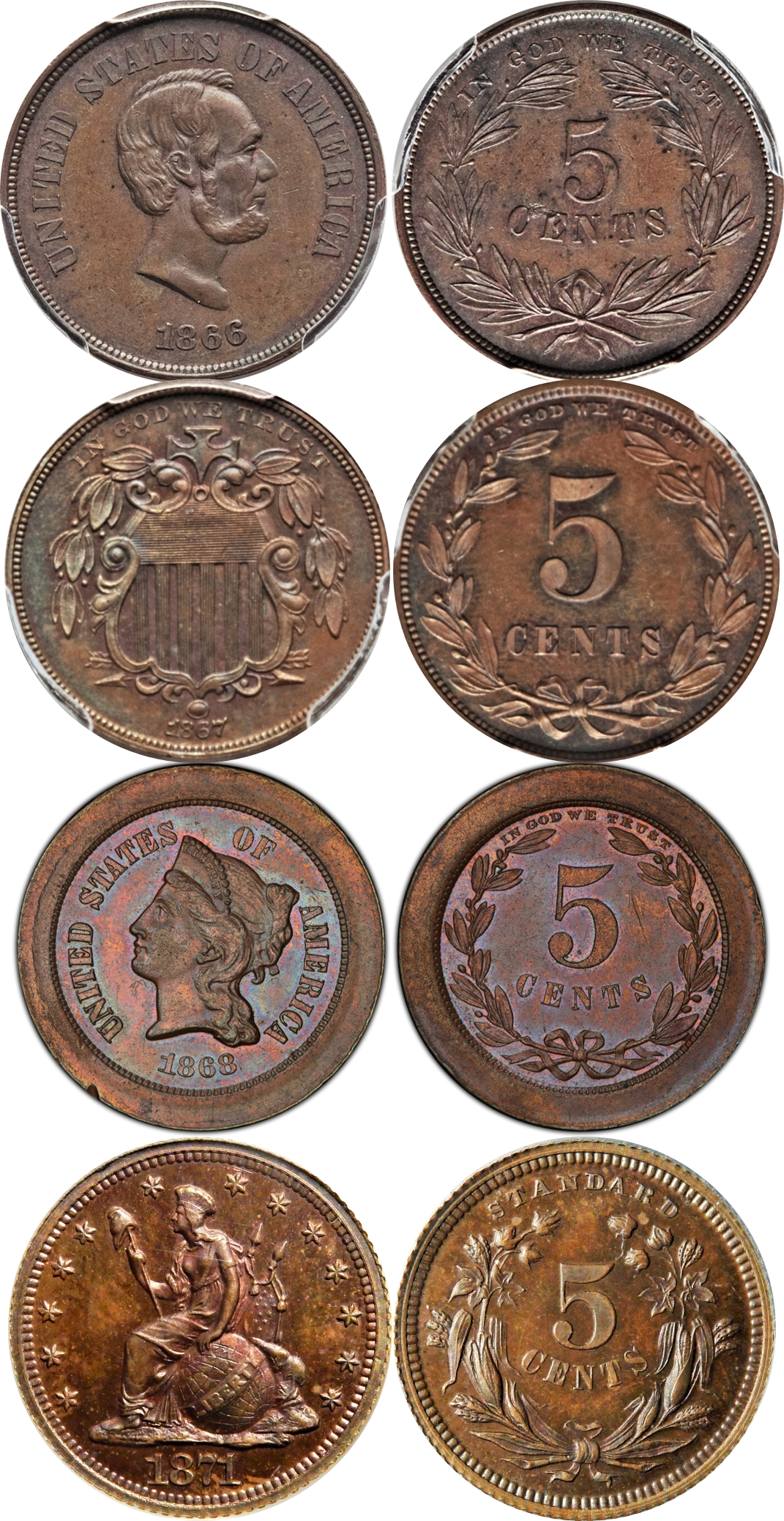
Never underestimate the power of bulk buys. My greatest score? A pristine 1913 Type 1 Buffalo peeking out from a mayonnaise jar filled with common Wheat cents. Pro strategies:
- Target “miscellaneous coin” boxes often overlooked by silver hunters
- Seek original mint sets with that distinct mid-century cellophane packaging
- Negotiate bulk pricing – the whole jar often costs less than its single best coin
Error Coin Bonanzas
As demonstrated in our forum archives, nickel errors offer spectacular upside:
- Mint set encapsulation errors – coins still clinging to original mounting frames
- Dramatic die clashes like the famous 1939 reverse impression
- Off-center strikes showing 15% or more misalignment
Variety Hunting Masterclass: Beyond Dates & Mints
The true cherry-picking elite know that specialized varieties separate casual finds from portfolio-grade assets:
Buffalo Nickel Varieties
- 1916/16 Doubled Die Obverse – Doubling visible on date and LIBERTY
- 1918/7-D Overdate – One of numismatics’ most dramatic date alterations
- 1937-D “Three-Legged” Buffalo – Legendary variety created by die polishing mishap
“This 1935 Double Die Reverse haunts my dreams with its monstrous doubling – the ultimate Buffalo variety!” – Variety Specialist
Jefferson Nickel Varieties
- 1939 “Doubled Monticello” – Showcases dramatic doubling on building details
- 1943-P Doubled Die Obverse – Features prominent doubling on Jefferson’s portrait
- 1954-S “Strong Steps” – A reverse variety making Monticello’s staircase pop with definition
The Grading Game: How Condition Dictates Value
As our forum’s PCGS/CAC examples demonstrate, condition is king in nickel collecting:
Buffalo Nickel Value Guide
| Date | G-4 | VG-8 | F-12 | AU-50 | MS-63 |
|---|---|---|---|---|---|
| 1913 Type 2 | $5 | $10 | $20 | $75 | $300 |
| 1913-S Type 2 | $35 | $75 | $150 | $600 | $3,500 |
| 1926-S | $1.50 | $3 | $10 | $50 | $1,200 |
Jefferson Nickel Value Highlights
- 1939-D: Modest $1.50 in G-4 leaps to $800+ in pristine MS-67
- 1942-D Silver: From bullion value to $300+ for superb gem examples
- 1950-D: The series superstar – $10 circulates to $5,000+ in top-tier grades
That stunning PR65CAM CAC example in our forum thread? Auction houses would battle over its superb eye appeal.
Preserving Your Finds: Conservation Essentials
When you uncover a potential winner:
- Handle like museum artifacts – finger cots recommended for high-grade finds
- Use archival-quality storage – acidic environments destroy original surfaces
- Submit for professional grading when you find:
- Buffalos retaining full horn detail (FH designation)
- Jeffersons with complete step definition (FS quality)
- Any coin where authentication enhances provenance and marketability
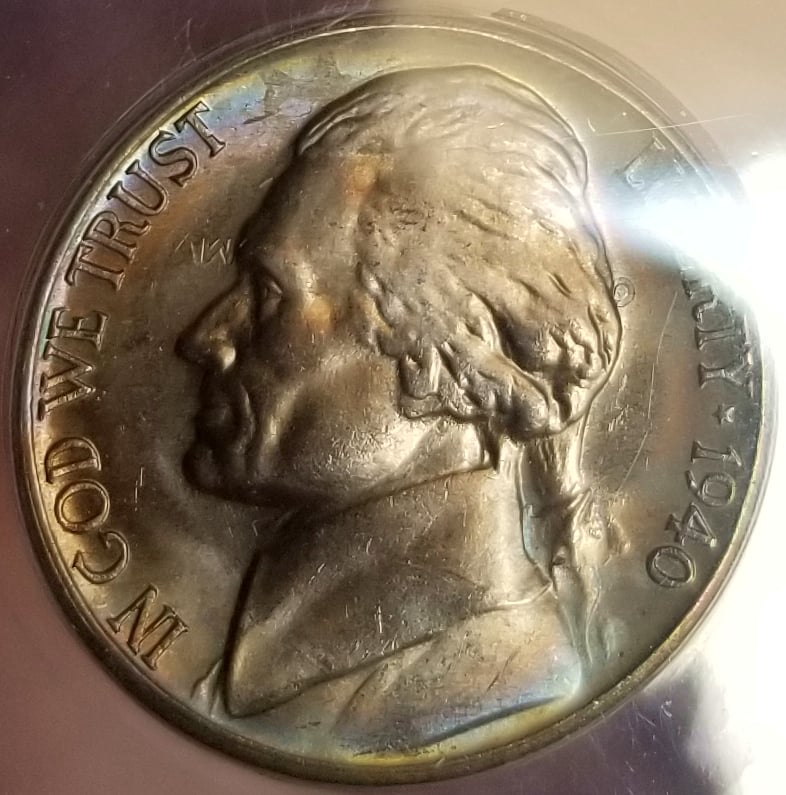
“My PCGS 68 CAC 1940 Jefferson proves condition rarity trumps all – original luster preserved like liquid mercury” – Condition Census Collector
Conclusion: The Never-Ending Nickel Chase
As our forum archives vividly demonstrate, nickel collecting delivers endless excitement for those with sharp eyes and historical curiosity. From the Buffalo’s iconic Western imagery to the Jefferson series’ wartime stories, these humble five-cent pieces offer museum-worthy artistry in pocket-change format. Whether you’re cracking bank rolls, negotiating estate lots, or studying circulation finds, remember: exceptional coins still surface daily. Armed with these insights, you’re ready to transform ordinary searches into extraordinary discoveries. The hunt continues – may your next nickel roll contain a condition rarity or rare variety that rewrites your collection’s story!
Related Resources
You might also find these related articles helpful:
- The Insider’s Guide to Acquiring Buffalo Nickels: Maximizing Value and Avoiding Pitfalls – Hunting for that perfect Buffalo Nickel to elevate your collection? As a lifelong numismatist who’s handled thousa…
- From Buffalo to Brilliance: Crafting Jewelry from Historic 5-Cent Nickels – The Artisan’s Dilemma: When Coins Become Wearable Art Not every coin yearns for the jeweler’s bench. As a se…
- Preserving America’s Nickel Heritage: Expert Conservation Tips for Collectors – The Silent Tragedy of Neglected Coins How many irreplaceable Buffalo nickels and Shield nickels have we lost to well-int…
