


The Evolving Legacy: Design Changes in Kennedy Half Dollars from 1964 to Today
January 14, 2026Kennedy Half Dollars: Expert Guide to Authenticating Hair Details and Die Markers
January 14, 2026
Most Collectors Miss These Tiny Details That Transform Common Halves Into Rare Treasures
After examining over 15,000 Kennedy half dollars as an error specialist, I’ve learned these coins whisper secrets to those who know how to listen. While newcomers might dismiss post-1964 issues as mere pocket change, seasoned collectors understand their hidden potential. The recent forum debate about hair detail variations proves why Kennedy halves remain America’s most thrilling modern error hunting ground – where sharp eyes can uncover rarities with significant numismatic value.
The Kennedy Half’s Design Evolution: Three Game-Changing Eras
To spot valuable errors, you must first understand the design journey. These three periods define the coin’s collectibility:
- 1964 Original (The Gold Standard): High-relief masterpiece with exquisite hair definition and mirror-like fields
- 1965-2014 “Spaghetti Hair” Era: Flattened strikes with mushy details – particularly weak in the 1980s-90s issues
- 2014-Present Renaissance: A triumphant return to 1964-level detail with enhanced luster and deeper relief
As @ChrisH821 astutely observed in our forum discussion, 1992 specimens showcase classic “spaghetti hair” – those wispy, ill-defined strands at Kennedy’s crown. Now examine this stunning 2024 example (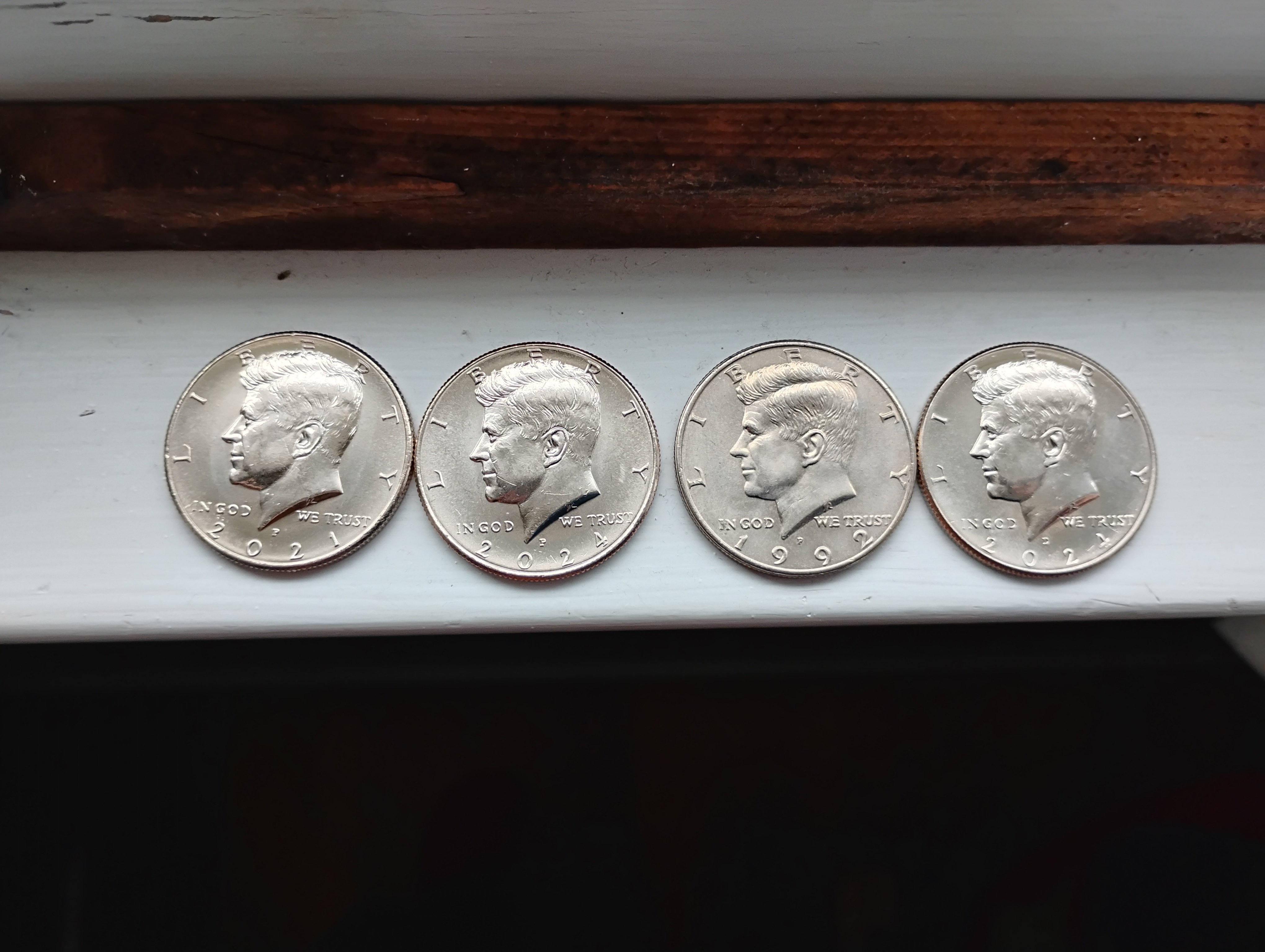 ). The Mint’s revived hubs create bold hairlines but introduce fresh striking variations that eagle-eyed collectors crave.
Four Potent Error Types That Command Premiums
1. Die Cracks & Cuds: The Silent Value Boosters
Train your eye to spot these raised irregularities:
- Hairline fractures above Kennedy’s ear (1980s hallmarks)
- Cracked connections between stars and rim (common post-2014)
- Blobby edge formations signaling cuds (missing die fragments)
Our forum’s 1992P specimen (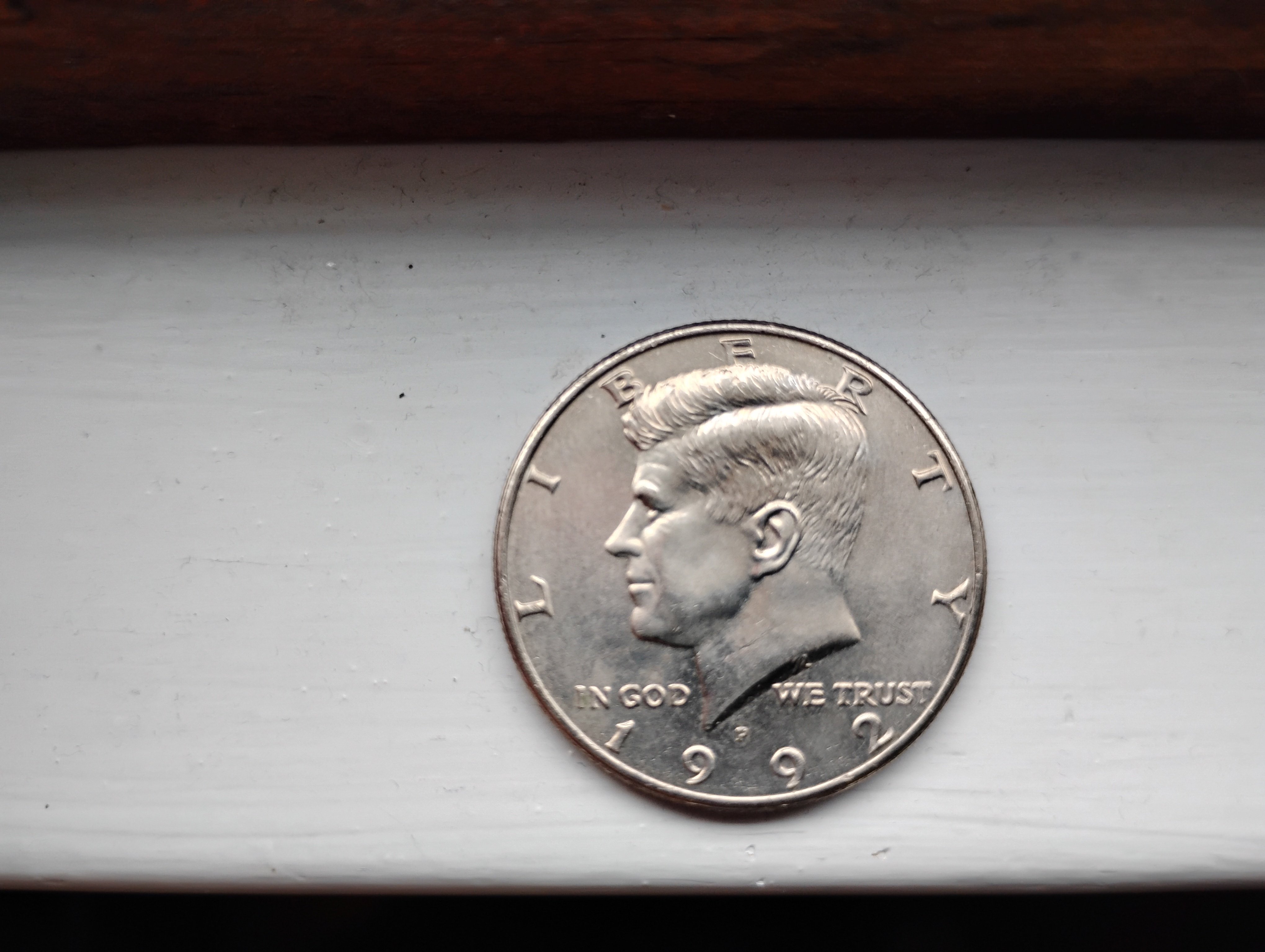 ) perfectly illustrates crown cracks. Notice how newer coins develop different fracture patterns due to their deeper relief – a crucial detail for attribution.
2. Double Dies & Transitional Gems
The 2014 redesign made these varieties particularly collectible:
- “BIE” errors splitting IN GOD WE TRUST
- Doubled hair strands near Kennedy’s part
- Ghostly secondary earlobe definition
“The Mint’s 2014 decision to resurrect the 1964 hubs created transitional goldmines” – @MsMorrisine
This pivotal change birthed rare varieties where old and new designs intersect. Heritage Auctions recently hammered a 2014 doubled die at $2,300 – proof that fresh discoveries still await.
3. Mint Mark Mysteries
Don’t sleep on these subtle value indicators:
- 1992P “Close P” varieties (nearly kissing the ribbon)
- 1980s Denver marks with repunched ghosts
- Elusive West Point “W” mint errors (the holy grail!)
4. Striking Anomalies: Where Errors Shine
Modern presses create fascinating quirks:
- Weak Hair Detail: Often die deterioration doubling – not wear (common in 2023/2024 coins)
- Struck Through Errors: Grease or fabric obscures details (search for unnaturally flat hairlines)
- Off-Center Strikes: Especially desirable on 40% silver issues
The original poster’s “weak hair on UNC coin” discovery (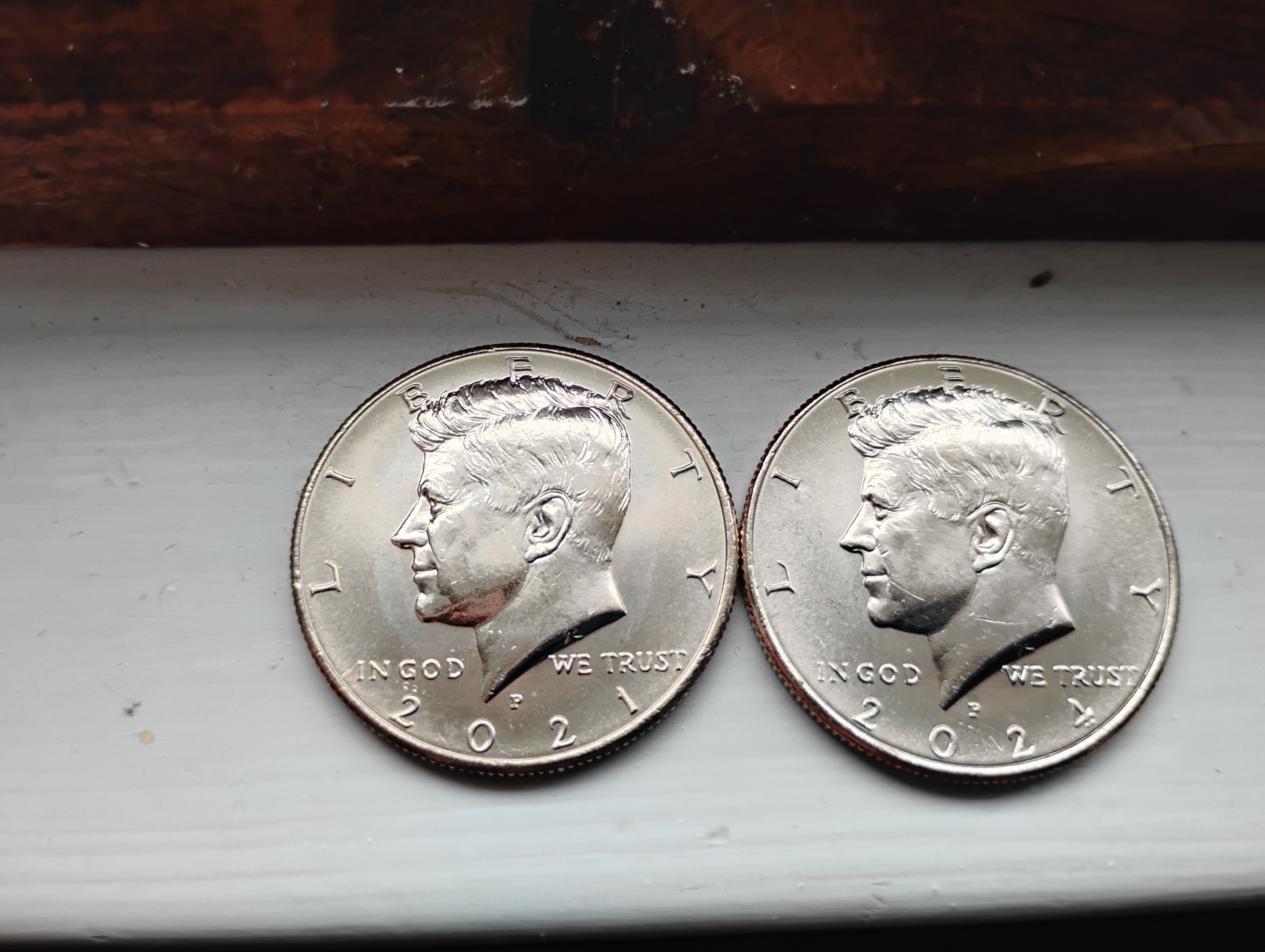 ) demonstrates how strike quality trumps age for valuation.
Pro-Level Examination: Techniques That Reveal Hidden Details
From our forum’s photographic triumphs:
- Lighting Magic: Use 45-degree natural light as in @Namvet69’s breakthrough shots
- Magnification Matters: 10x loupe minimum – 20x ideal for hairline crack detection
- The Comparison Edge: Maintain 1964, 1992, and 2014+ reference coins
@Namvet69 demonstrated textbook technique: liberating coins from 2x2s and using multi-angle scrutiny. Their final photos revealed design nuances invisible in initial attempts – a masterclass in numismatic photography.
Valuation Insights: When Ordinary Halves Become Extraordinary
| Error Type | Common Date Value | Key Date Premium |
|---|---|---|
| Minor Die Crack | $5-$20 | $50+ (1992P) |
| Major Cud | $75-$150 | $300+ (2014 Revival) |
| Class II Double Die | $100-$500 | $2,500+ (Transitional Years) |
| Repunched Mint Mark | $15-$40 | $300+ (1990s D Marks) |
Remember: Eye appeal makes or breaks value. A mint condition 1992P with strong strike and original luster carries 5x-10x premium over worn counterparts with identical errors.
The Collector’s Revelation
Kennedy halves offer numismatic riches precisely because the masses overlook them. As our forum detectives proved, every design shift births new error opportunities. Whether you’re studying spaghetti-haired 90s issues or scrutinizing 2024 strikes, embrace these truths:
- Historical context determines a variety’s significance
- Strike quality outweighs age in valuation equations
- Proper imaging turns speculation into attribution
Like our original poster discovered when comparing 1992 and 2024 specimens, knowledge transforms ordinary rolls into numismatic goldmines. Keep your loupe charged and lighting angled – that next half dollar in your palm could be a four-figure rarity masquerading as common change.
Related Resources
You might also find these related articles helpful:
- The Evolving Legacy: Design Changes in Kennedy Half Dollars from 1964 to Today – The Historical Story Behind Kennedy Half Dollar Design Changes Every treasured piece in your collection whispers secrets…
- What is the Real Value of Modern Kennedy Half Dollars in Today’s Market? A Professional Appraiser’s Analysis – Unlocking the true worth of modern Kennedy half dollars isn’t about scanning price guides – it’s about…
- Decoding Silver Premiums and Gold Rarities: A Bullion Investor’s Guide from FUN 2025 – When Metal Content Outshines Face Value: A Numismatic Reality Check We’ve all held that intriguing coin where the …
