


1911-D Saint-Gaudens Gold Double Eagle: How to Spot the D/D FS-501 Variety and Avoid False Errors
September 17, 20261911-D Saint-Gaudens Double Eagle Grading Breakdown: Why PCGS Chose MS64, Not AU58
September 17, 2026
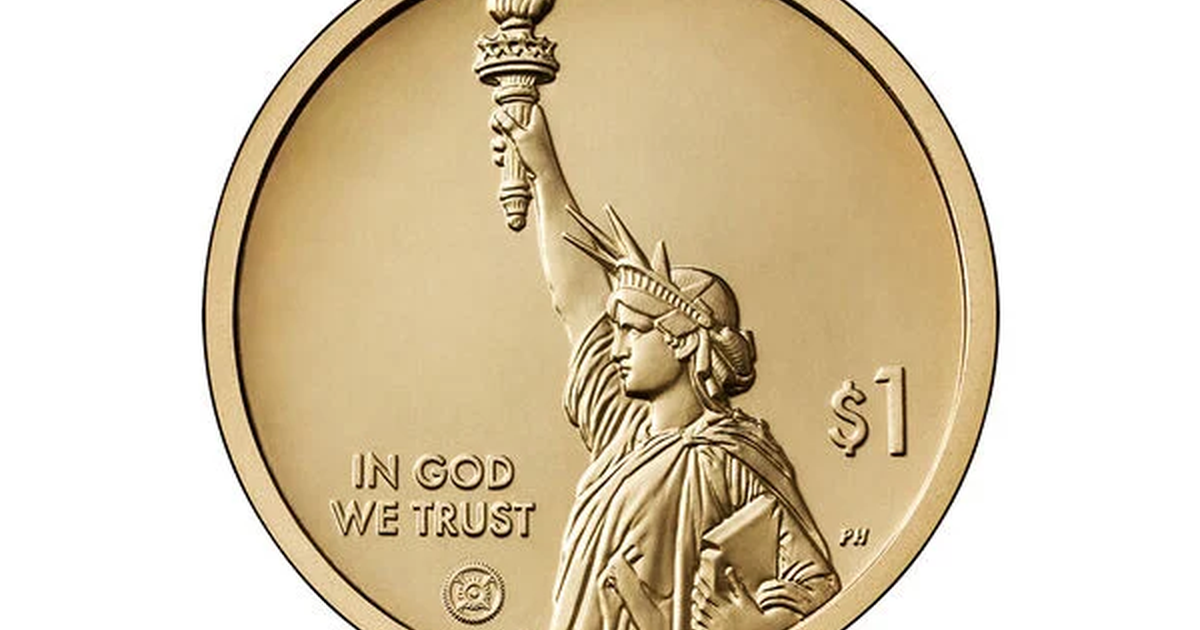
With counterfeits and altered gold coins circulating in the marketplace, knowing the specific diagnostic points of a 1911-D Saint-Gaudens double eagle is critical. The challenge isn’t simply deciding whether a coin “looks like gold.” A convincing counterfeit can contain real gold. A genuine coin can have manipulated surfaces. And an authentic repunched mintmark can go unnoticed inside a grading-service holder.
I’ve seen all three problems surface in a single collector discussion about a 1911-D Saint-Gaudens $20 gold piece. Participants offered grades ranging from About Uncirculated to high Mint State. They questioned whether discoloration represented friction or patina. They debated possible surface treatments. The reveal identified the coin as PCGS MS64, while its owner described it as an unattributed 1911-D/D repunched mintmark, FS-501.
That reveal settled what grade appeared on the holder. It did not settle every question about the surfaces.
My approach is to separate four issues that collectors too often combine: authenticity, variety attribution, surface originality, and grade. Each requires its own evidence.
1. Establish the Correct Specifications Before Judging Appearance
The 1911-D is a Denver Mint issue of Augustus Saint-Gaudens’s celebrated double eagle design. Liberty strides forward on the obverse with a torch and olive branch, while an eagle flies above the sun on the reverse. This is the regular-relief, With Motto type—not the distinctive 1907 High Relief issue.
The Denver Mint produced 846,500 double eagles dated 1911. Surviving examples make the issue accessible to collectors, although exceptional preservation and recognized varieties can add substantial numismatic value.
Physical and design checkpoints
- Denomination: $20.
- Nominal weight: approximately 33.436 grams.
- Diameter: approximately 34 millimeters.
- Standard composition: 90% gold and 10% copper.
- Actual gold weight: approximately 0.9675 troy ounce when at standard weight and fineness.
- Mintmark: a D on the obverse, above the date.
- Reverse motto: IN GOD WE TRUST above the sun.
- Edge: E PLURIBUS UNUM with stars, rather than a conventional reeded edge.
These specifications provide a baseline, not a certificate of authenticity. A wrong edge or markedly incorrect diameter is a serious warning. Matching dimensions, however, cannot distinguish every modern counterfeit from a genuine Mint product.
I also avoid treating gold color as a specification. Copper in the alloy, storage conditions, surface films, lighting, and camera processing can all influence appearance. Yellow, orange, and reddish shades are not independently proof of either authenticity or alteration.
What the forum discussion actually established
The supplied discussion reported an MS64 holder and an owner-identified FS-501 variety. It did not provide measured weight, magnetic-test results, metal analysis, or a final professional finding about the suspected residue. An authentication guide should not turn those missing observations into assumed facts.
2. Use Weight and Magnetic Properties as Screening Tests
Weighing a raw double eagle
For an unencapsulated coin, I begin with a calibrated scale that reads to at least 0.01 gram. Check the scale with an appropriate calibration weight. Use a stable surface away from drafts, and keep handling to a minimum. Any protective weighing support must be tared first.
A lightly handled or Mint State double eagle should be close to its nominal 33.436-gram standard. Small differences require context: original manufacturing tolerance, scale accuracy, wear, and contamination all matter. An appreciably underweight or overweight specimen deserves further investigation rather than an improvised explanation.
- Low weight can indicate a counterfeit, metal loss, clipping, or substantial wear.
- High weight can indicate incorrect manufacture, added material, or measurement error.
- Correct weight with incorrect dimensions can expose an unsuitable alloy or construction.
- Correct weight and dimensions together improve confidence but do not exclude a well-made counterfeit.
Buyer takeaway: ask a seller of a raw coin for the actual measured weight—not merely a copied catalog specification. Do not break a certified coin out of its holder just to weigh it. The total weight of a slab is not a reliable substitute because holder components vary.
What a magnet can—and cannot—tell you
A genuine gold-copper double eagle should not show the strong attraction to a magnet associated with iron or steel. Clear attraction of the coin itself is therefore a major warning sign.
Perform any screening without allowing the magnet to strike or scrape the surface. Keep other metal objects out of the test area. If the coin is encapsulated, distinguish a response associated with the coin from anything elsewhere in the setup.
The essential limitation is simple: nonmagnetic does not mean genuine. Many counterfeit alloys are nonmagnetic, and gold-plated pieces can pass this basic check. Even a counterfeit made from a gold alloy may behave just as expected.
I treat a magnet as a quick rejection tool, not a final authentication method. Informal sliding-magnet demonstrations are also easy to misinterpret because conductivity, geometry, and the testing arrangement influence the result.
3. Examine the Dies, Edge, and 1911-D/D FS-501 Mintmark
Once basic measurements are consistent, the next question is whether the design matches genuine dies. Useful comparison material includes authenticated examples, grading-service reference photographs, and established variety references. Match the same date and type whenever possible.
Design details that deserve magnification
I prefer an overall examination at low magnification followed by targeted study with a 5× to 10× loupe. Excessive magnification can make ordinary contact marks look alarming while distracting from the larger design.
- Date: compare numeral shapes, spacing, placement, and their relationship to nearby design elements.
- Mintmark: check the D’s position, shape, relief, and surrounding field.
- Liberty: inspect the face, fingers, torch, branch, and fine drapery details.
- Eagle: compare feather separation, wing contours, and the transitions between raised design and field.
- Lettering and rays: look for consistent shapes rather than swollen, uneven, or strangely rounded elements.
- Rim and edge: examine their manufacture, including the edge lettering, wherever safely visible.
Weak detail alone is not a verdict. Strike quality, die wear, circulation, photography, and surface films can all soften the appearance of a genuine coin. Suspicion becomes more meaningful when several unrelated features depart from authenticated examples.
Understanding the D/D repunched mintmark
The owner of the forum coin identified it as the 1911-D/D, FS-501. This recognized repunched mintmark variety originated when the mintmark punch was impressed into the working die more than once in slightly different positions. Working dies for branch-mint coinage were prepared at Philadelphia during this period.
The resulting secondary mintmark detail is part of the struck design. It is not damage inflicted after the coin left the press, nor is it the same thing as a doubled die.
For attribution, I would obtain a sharp, straight-on close-up of the D, then compare the positions and shapes of the secondary punch remnants with authoritative FS-501 photographs. Additional lighting angles can help distinguish genuine relief from reflections and contact damage. A vague “double-looking D” is not sufficient.
- Repunched mintmark: extra features match the documented secondary punch impression.
- Mechanical or strike doubling: may create flattened, shelf-like effects that do not match the variety.
- Contact damage: displaced metal can imitate a small extra stroke.
- Tooling or an added mintmark: may disturb the surrounding field or produce incorrect relief.
An FS-501 attribution does not authenticate the whole coin by itself. Transfer-die counterfeits can reproduce genuine die features, including variety details. Conversely, a genuine ordinary 1911-D without the repunching remains a legitimate collectible.
Seller takeaway: if the holder does not attribute the variety, describe that distinction clearly. Do not imply that an ordinary-date label certifies FS-501 status.
4. Recognize Counterfeit Types and Separate Them from Altered Genuine Coins
“Fake” is an imprecise word. For a useful assessment, I separate counterfeit manufacture from modifications made to a genuine coin. These problems can demand different testing methods and have different consequences for value.
Cast and plated counterfeits
Cast copies can exhibit rounded detail, small pits, casting seams, and unnatural surface texture. Plated base-metal pieces may show inconsistent color or exposed underlying material at damaged areas. Incorrect weight or dimensions can provide supporting evidence.
However, genuine coins can also have rim damage, roughness, and isolated pits. An apparent seam or porous patch deserves expert scrutiny; it should not be diagnosed solely from one low-resolution photograph.
Struck and transfer-die counterfeits
Struck counterfeits can be much more persuasive than crude castings. Some contain gold and approach the correct physical specifications. Their weaknesses may lie in incorrect lettering, faulty edge execution, unnatural texture, or small defects repeated across unrelated specimens.
A particularly useful clue is repetition of what should be random damage. A die crack can legitimately repeat on genuine coins struck from one die. An identical cluster of apparent circulation scratches repeated on several coins is more concerning because it can reflect copied damage from a source coin.
Altered genuine coins and counterfeit holders
A genuine double eagle may have cleaning, smoothing, repaired marks, added mintmark features, or substances intended to disguise surface defects. These treatments affect originality and market acceptability without necessarily changing the coin’s underlying Mint origin.
Counterfeit grading holders introduce another risk. Verify the certification number through the grading service’s official resources, compare the listed date and grade, and compare available images with the actual coin. A valid number alone is insufficient because genuine certification numbers can be copied.
Match distinctive marks when reference images permit, inspect the holder for inconsistencies or tampering, and use sellers with credible return policies. Certification is valuable evidence, but the object and its packaging must agree.
5. Distinguish Wear, Patina, Haze, and Possible Putty
The forum’s most instructive debate concerned surfaces rather than counterfeit manufacture. Some viewers saw high-point friction consistent with AU58. Others saw a Mint State coin whose patina complicated the photographs. After the MS64 reveal, several participants questioned whether pinkish haze suggested putty or another applied substance; others disputed that interpretation.
The supplied discussion did not establish a confirmed putty diagnosis. That qualification matters. A professional assessment must distinguish a reason to investigate from a finding of intentional alteration.
Why photographs produced such different grades
Participants reported markedly different appearances on desktop monitors and phones. That is plausible: white balance, contrast, screen settings, compression, and reflections from the holder can change how gold surfaces appear.
In evaluating possible wear, I look for interruption of original luster across exposed high points, not merely a change in color. On a Saint-Gaudens double eagle, Liberty’s breast and knee and the eagle’s prominent wing areas merit attention. Weak strike, contact, and actual friction must be considered separately.
AU58 and MS64 are not simply two levels of attractiveness. AU58 permits slight wear; MS64 denotes a Mint State assessment, with marks and other limitations compatible with that grade. A static image may hide the evidence necessary to make that distinction.
What “putty” and “thumbing” mean
In collecting terminology, putty refers broadly to material applied to mask imperfections. Thumbing generally describes rubbing or applying oils or other substances to change the appearance of marks or disturbed surfaces. Neither term identifies a single chemical substance.
Possible warning signs include localized films, unusual sheen, residue collecting around devices, and patches whose reflectivity behaves differently from surrounding metal. Nevertheless, incidental contamination, storage films, and holder reflections can create overlapping appearances.
- Haze is an observation, not proof of intent.
- Pinkish color alone does not establish putty.
- Muted luster warrants examination, not an automatic rejection.
- A straight grade does not guarantee that every surface concern is impossible.
Do not rely on an “hourglass luster” rule
One participant suggested judging originality by the presence of one or two hourglass-shaped luster patterns. Others correctly emphasized that lighting and die state affect such patterns. Surface geometry and the coin’s relief also influence the reflected bands.
I assess how luster moves as the coin is tilted and rotated, rather than requiring a particular silhouette. A missing hourglass does not prove treatment, and an attractive cartwheel does not settle every question about originality.
6. Build a Nondestructive Testing Sequence
The best authentication process combines independent observations. No single household test can establish date, mint origin, metal content, surface originality, and grade simultaneously.
A practical examination order
- Document the coin. Record the seller’s claims, holder information, certification number, photographs, and return deadline.
- Check the overall design. Confirm the date, mintmark location, motto, relief type, and visible edge characteristics.
- Use controlled lighting. Examine under a small single light source, then use diffuse lighting for color and broader surface assessment.
- Rotate and tilt slowly. Watch luster cross the fields and devices. Note persistent dull patches, hairlines, and possible films.
- Inspect diagnostic details. Compare the date, D, lettering, edge, and suspected FS-501 features with reliable references.
- Measure when appropriate. Weigh and check dimensions only when the coin is raw and can be handled safely.
- Escalate unresolved concerns. Seek a qualified gold-coin specialist, reputable grading service, or professional conservation review.
Instrumental tests and their limitations
X-ray fluorescence, or XRF, can assess elemental composition near the surface. Results consistent with a gold-copper alloy are useful, but surface analysis alone may not exclude plating, internal substitution, or a counterfeit made from suitable gold.
Electrical conductivity and eddy-current instruments provide another line of evidence. Results depend on calibration, the selected alloy standard, geometry, measurement depth, and any holder between the sensor and coin. Use equipment appropriate to the object and follow the manufacturer’s instructions.
Specific-gravity testing can identify some incorrect alloys in raw coins, but it requires careful technique. Bubbles, suspension errors, and small measurement inaccuracies can distort results. Certain substitute materials also complicate density-based screening. It is not an ideal casual experiment for a valuable collectible.
Avoid acid testing, scratching, filing, rubbing, and dropping the coin for a ring test. These can damage the piece while providing less certainty than collectors expect. Likewise, do not attempt to remove suspicious residue before documenting it and consulting a professional. Conservation can reveal hidden defects, affect the eventual grade, and require replacement of the existing holder.
7. Translate Authentication Findings into a Buying Decision
The thread quoted older commentary suggesting a substantial premium for the D/D variety and describing a then-current upper-grade population. The owner explicitly challenged the currency of those statements. That is a valuable reminder: population reports and variety premiums change.
I would not assign a fixed multiplier to FS-501 based on an old reference paragraph. Instead, compare recent realized sales of properly attributed examples in similar grades, while considering eye appeal, surfaces, holder status, and the reliability of the attribution.
- For buyers: make an unresolved purchase conditional on satisfactory inspection or authentication within the return period.
- For variety collectors: request a clear mintmark image before paying an FS-501 premium.
- For sellers: distinguish the certified grade from your own variety attribution and disclose unresolved concerns accurately.
- For old-holder enthusiasts: account for the possibility that professional review or conservation will require reholdering.
- For all collectors: treat forum opinions and automated image assessments as preliminary input, not substitutes for examination.
The reported PCGS MS64 grade is the documented outcome of the guessing exercise. The suspected surface treatment remained a separate, unresolved question in the supplied material.
8. Conclusion: Authenticate the Metal, the Dies, and the Surfaces
The 1911-D Saint-Gaudens double eagle combines an iconic American design with Denver Mint history and the tangible appeal of nearly an ounce of gold. Although double eagles served monetary purposes, many surviving Mint State pieces reflect bank storage and large-scale financial movements rather than prolonged everyday pocket circulation. Their contact marks, patina, and preservation must be interpreted in that context.
The recognized 1911-D/D FS-501 variety adds another collecting dimension: a small mintmark feature records a specific event in die preparation. Its attribution rewards close observation, but it should never replace authentication of the entire coin.
My essential checklist is to confirm the specifications, use magnetic response only as a screen, compare genuine die and edge details, verify any repunched mintmark against established references, and investigate questionable surfaces under changing light. Check the holder as well as the coin, and obtain professional help when the evidence remains ambiguous.
The central lesson of this MS64 forum example is not that photographs are useless or that haze means fraud. It is that grade, authenticity, variety, and originality are different questions. Collectors who keep them separate are better equipped to recognize a genuine historical coin, avoid an unsupported premium, and make a confident purchase.
Related Resources
You might also find these related articles helpful:
- 1911-D Saint-Gaudens Gold Double Eagle: How to Spot the D/D FS-501 Variety and Avoid False Errors – A tiny mintmark can change the way I look at a gold coin. On a Saint-Gaudens double eagle, that detail has plenty of com…
- The 1911-D Saint-Gaudens Double Eagle: Unearthing the History of a Denver Mint Gem and the Mystery of Surface Authenticity – Every relic tells a story. This one begins in the Gilded Age, when America was flexing its industrial muscle and reimagi…
- 1911-D Saint-Gaudens Double Eagle Value: What PCGS MS64 and the D/D Variety Really Add – Figuring out what a 1911-D Saint-Gaudens double eagle is really worth means looking past the price guide and reading the…
