Coin Authentication Through Photography: How Lighting Reveals Counterfeits in Key U.S. Series
January 9, 2026Preserving Numismatic Treasures: Expert Conservation Strategies for Coin Collectors
January 9, 2026
The Photographer’s Secret Weapon in Coin Grading
Condition is king. After twenty years of authenticating coins for top certification services, I’ll share a truth every seasoned collector learns: lighting doesn’t just illuminate – it reveals. That $10 common date in your hand could be a four-figure rarity, and axial lighting is the key to unlocking its true numismatic value. Let me show you exactly how this transformative technique exposes critical details about wear patterns, luster quality, and strike characteristics that diffuse lighting simply washes away.
Axial Lighting: A Numismatic Game-Changer
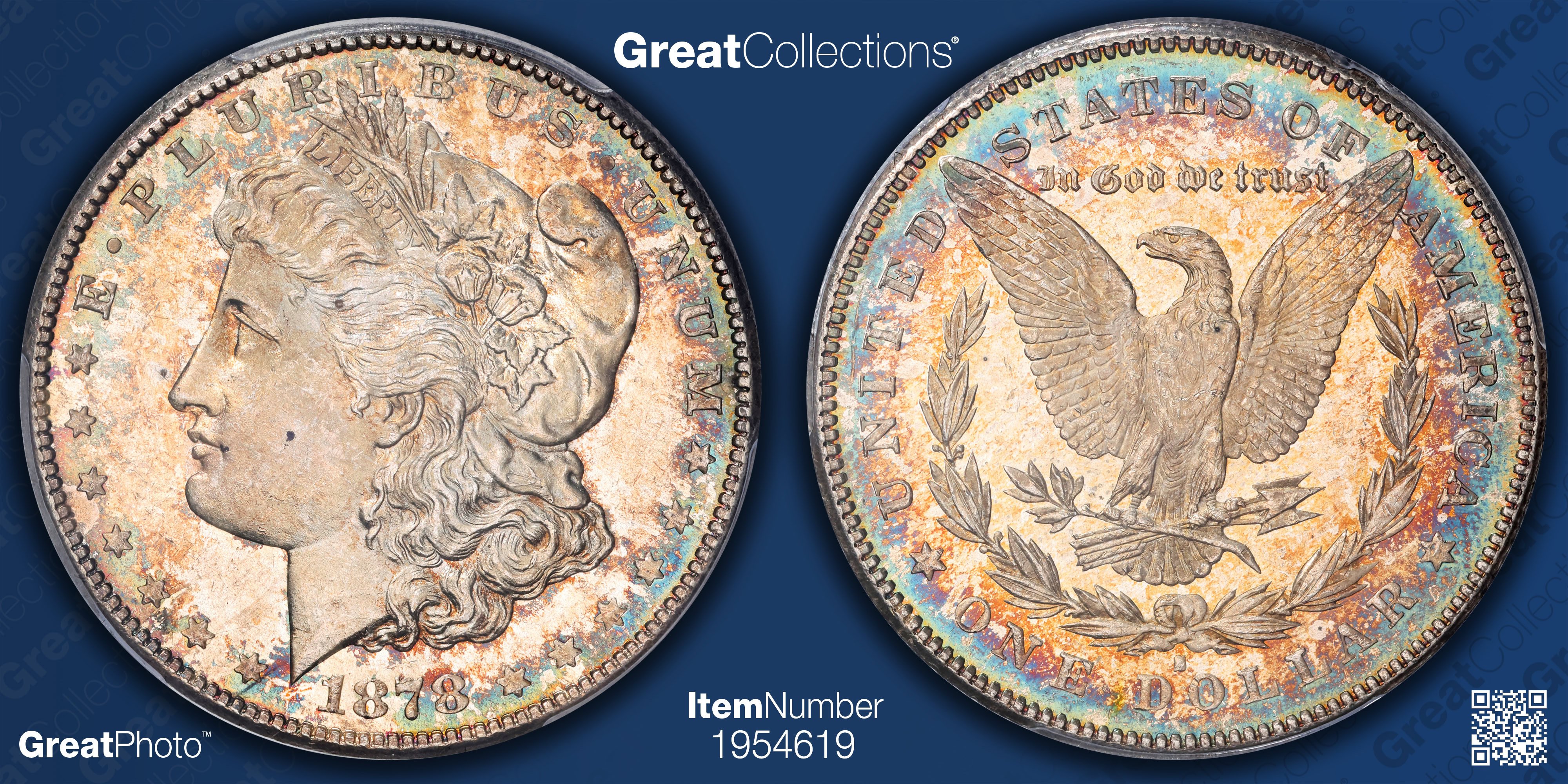
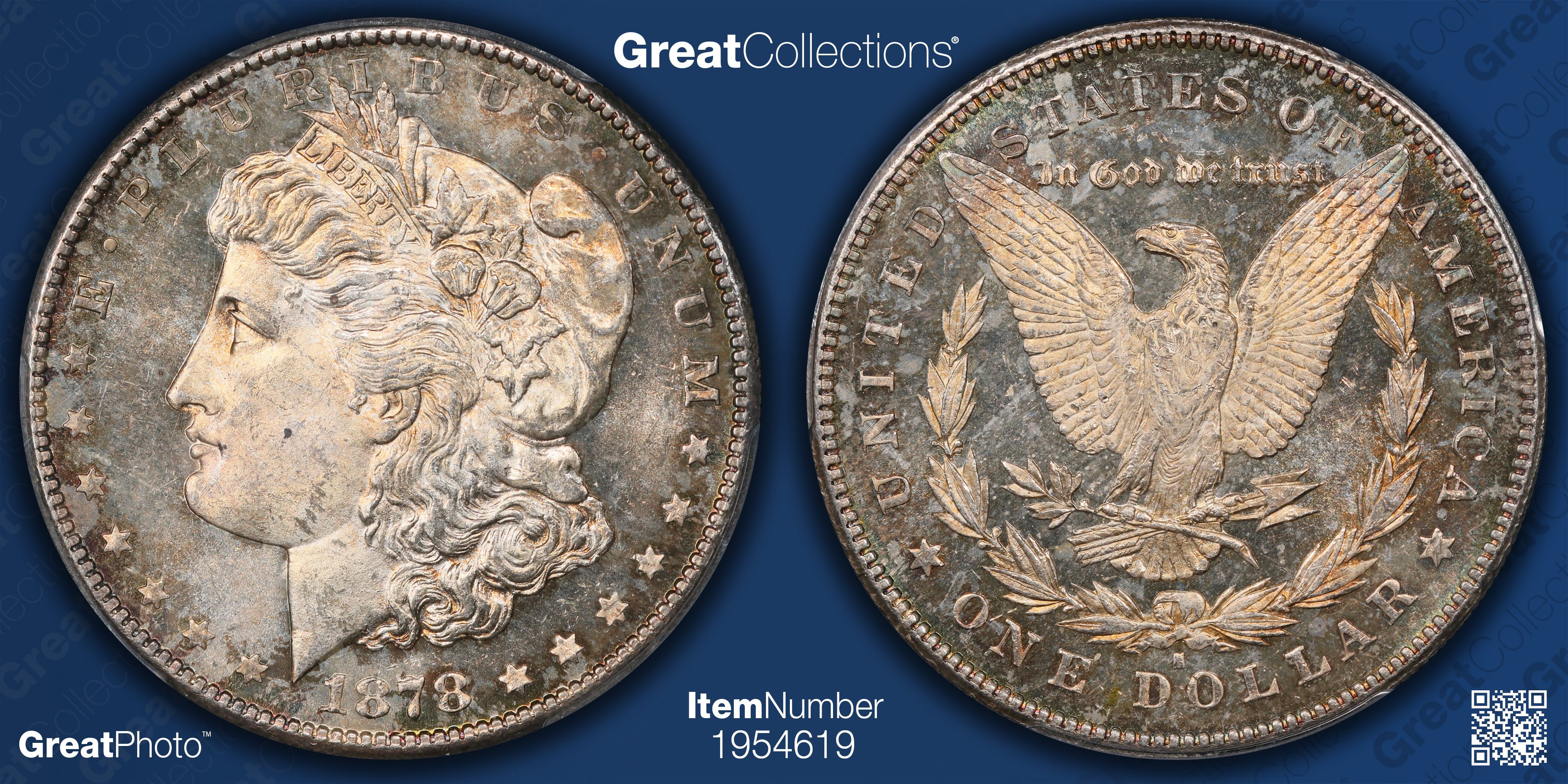
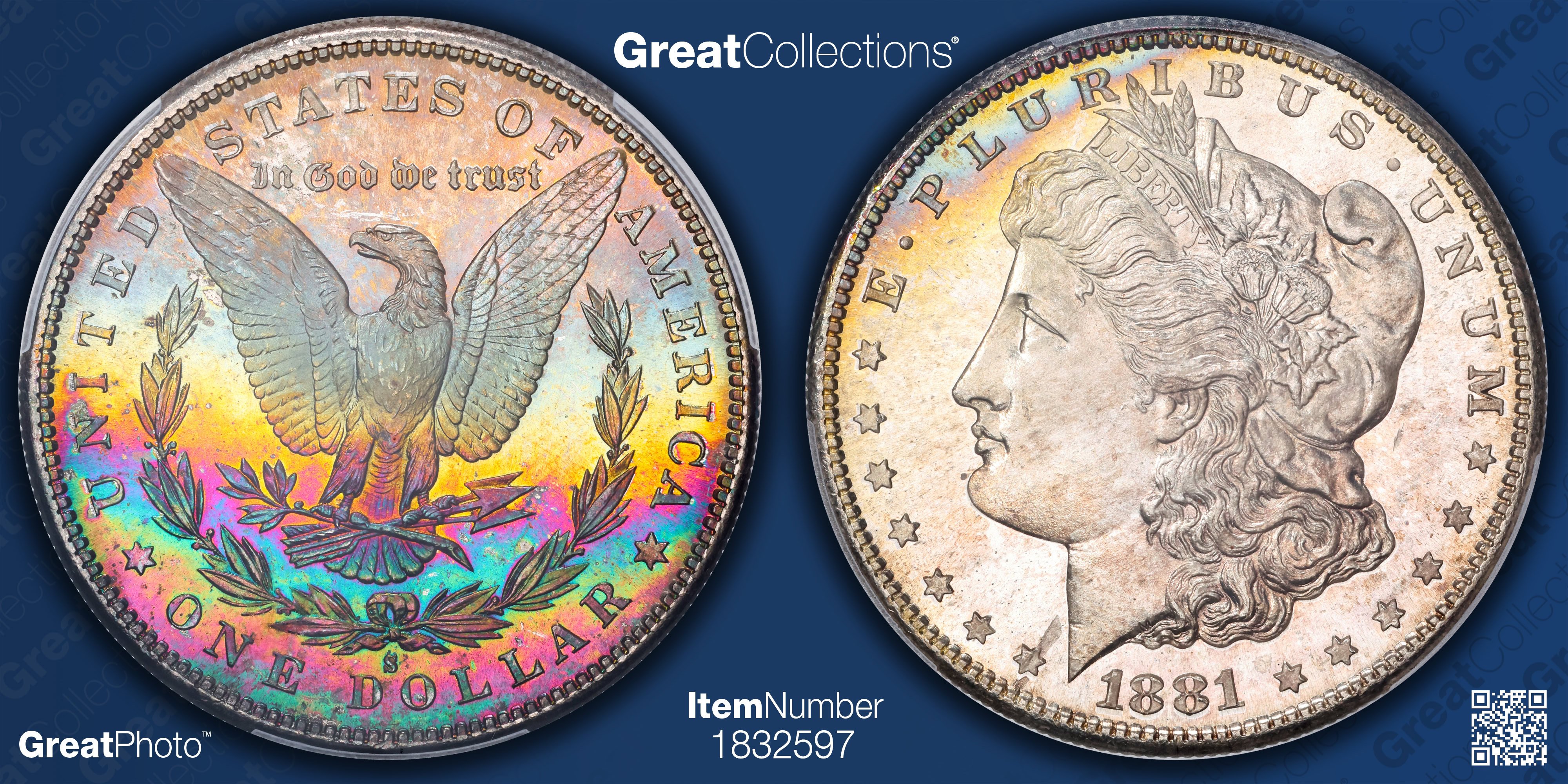
Sharp-eyed forum members nailed it – axial lighting separates the hobbyists from the professionals. Where traditional diffuse lighting flattens surfaces into deceptive uniformity (see this misleading example), axial lighting acts like an archaeological tool. By bouncing angled light through glass, it creates dimensional shadows that expose every secret. Take a close look at this axial lighting demonstration – notice how tooling marks leap from Liberty’s cheek like topographic maps. That’s the power of proper illumination!
Why Top Graders Swear By Axial Lighting
- Unlocks true wear on prime focal points (compare Liberty’s cheekbone to hair details)
- Brings out hidden cleaning hairlines lurking beneath artificial toning
- Highlights luster breaks from improper storage that kill eye appeal
- Exposes strike weakness in protected areas (like those elusive eagle breast feathers)
Grading Secrets Revealed Through Light
1. Wear Patterns: The MS-60 vs. AU-58 Dilemma
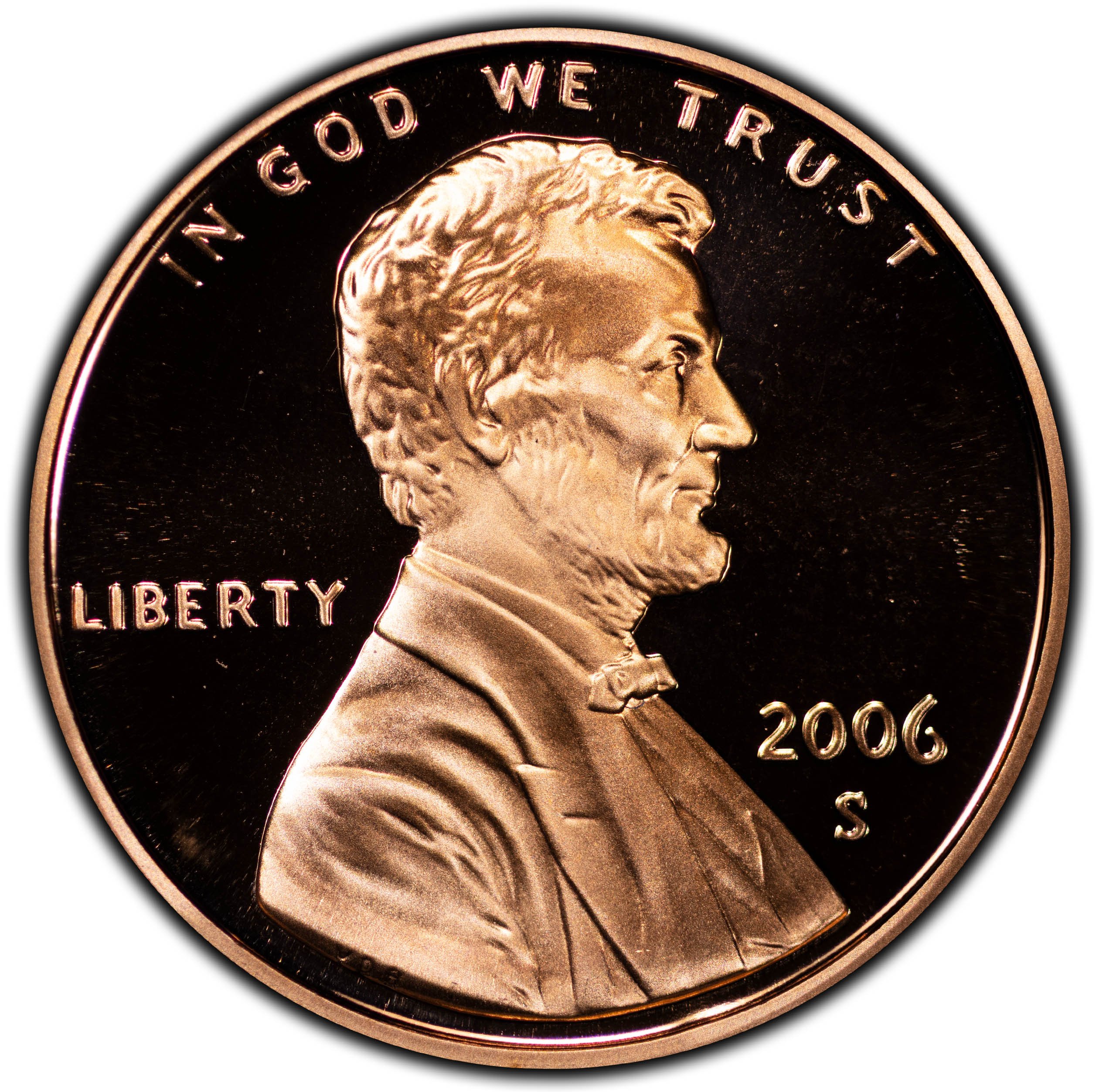
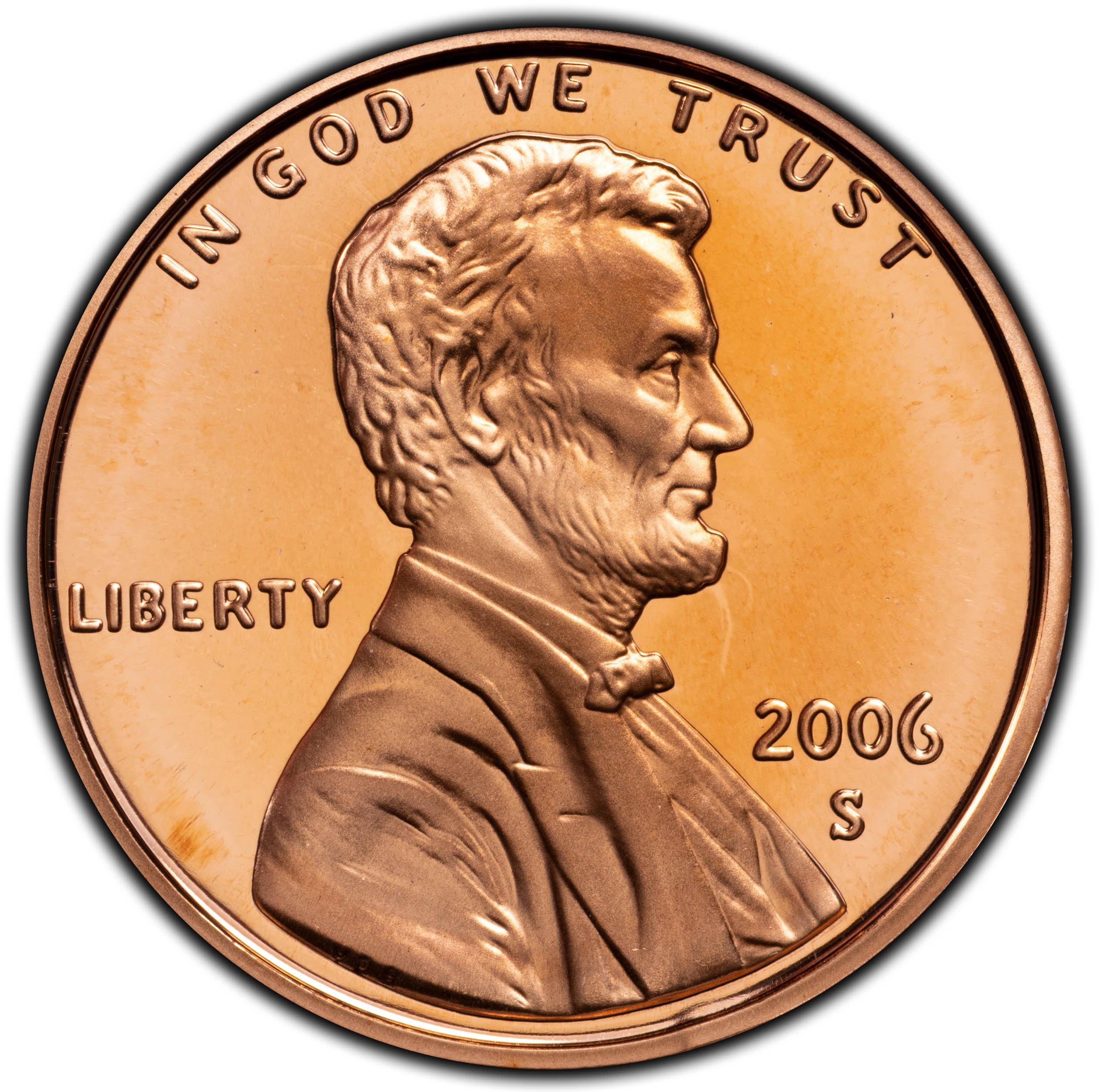
These side-by-side images of the same coin tell a sobering story. The diffuse shot (left) screams mint state potential with its deceptive glow. But the axial version (right)? It shows friction on Liberty’s cheekbone as clearly as fingerprints on glass. That’s the difference between a PCGS MS-63 fantasy and an AU-58 reality – potentially hundreds lost through poor imaging.
2. Luster Lies Unveiled: Cartwheel vs. Plastic
“Axial lighting separates original bloom from chemical dips – the chasm between CAC approval and ‘details’ purgatory.”
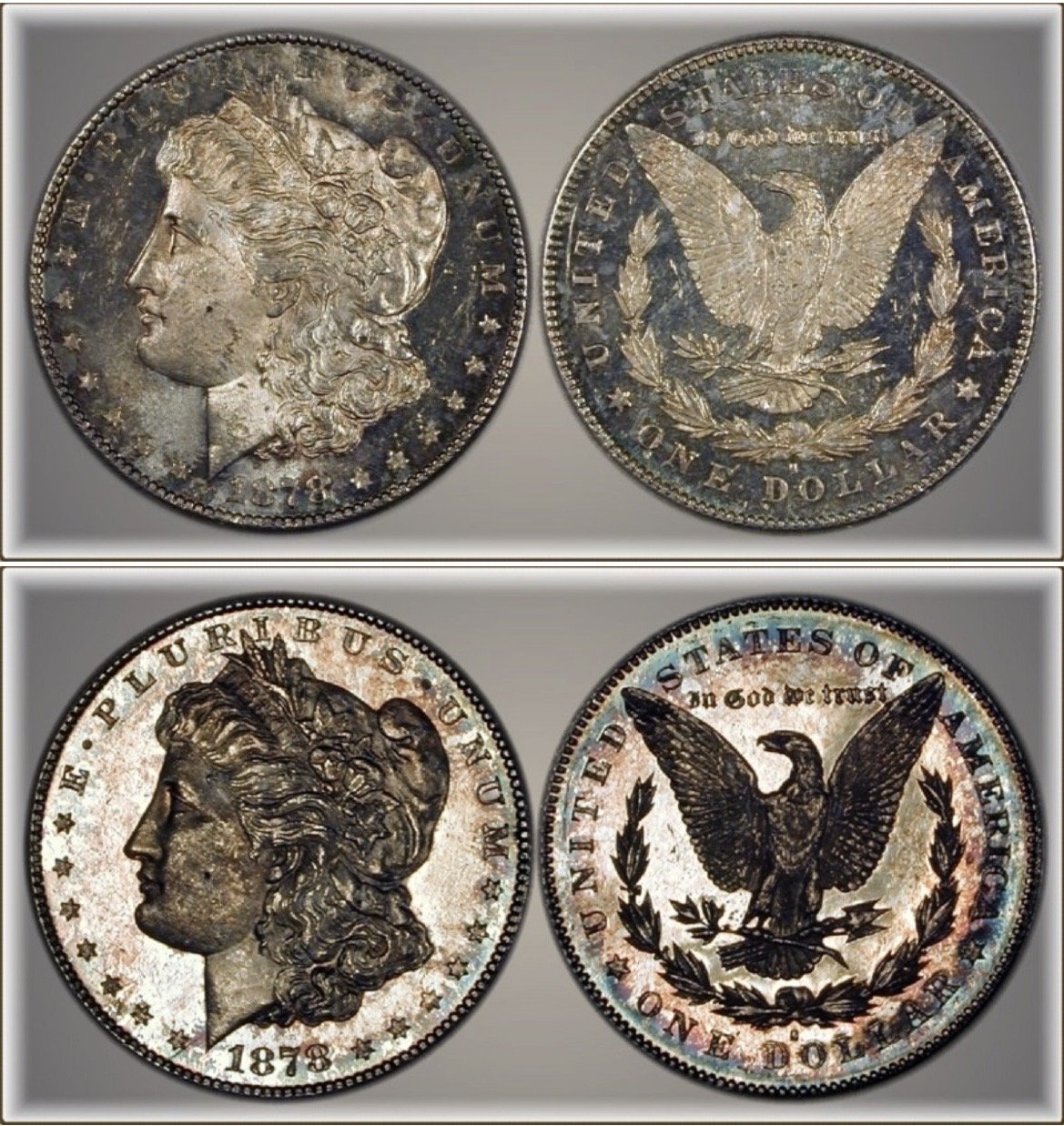
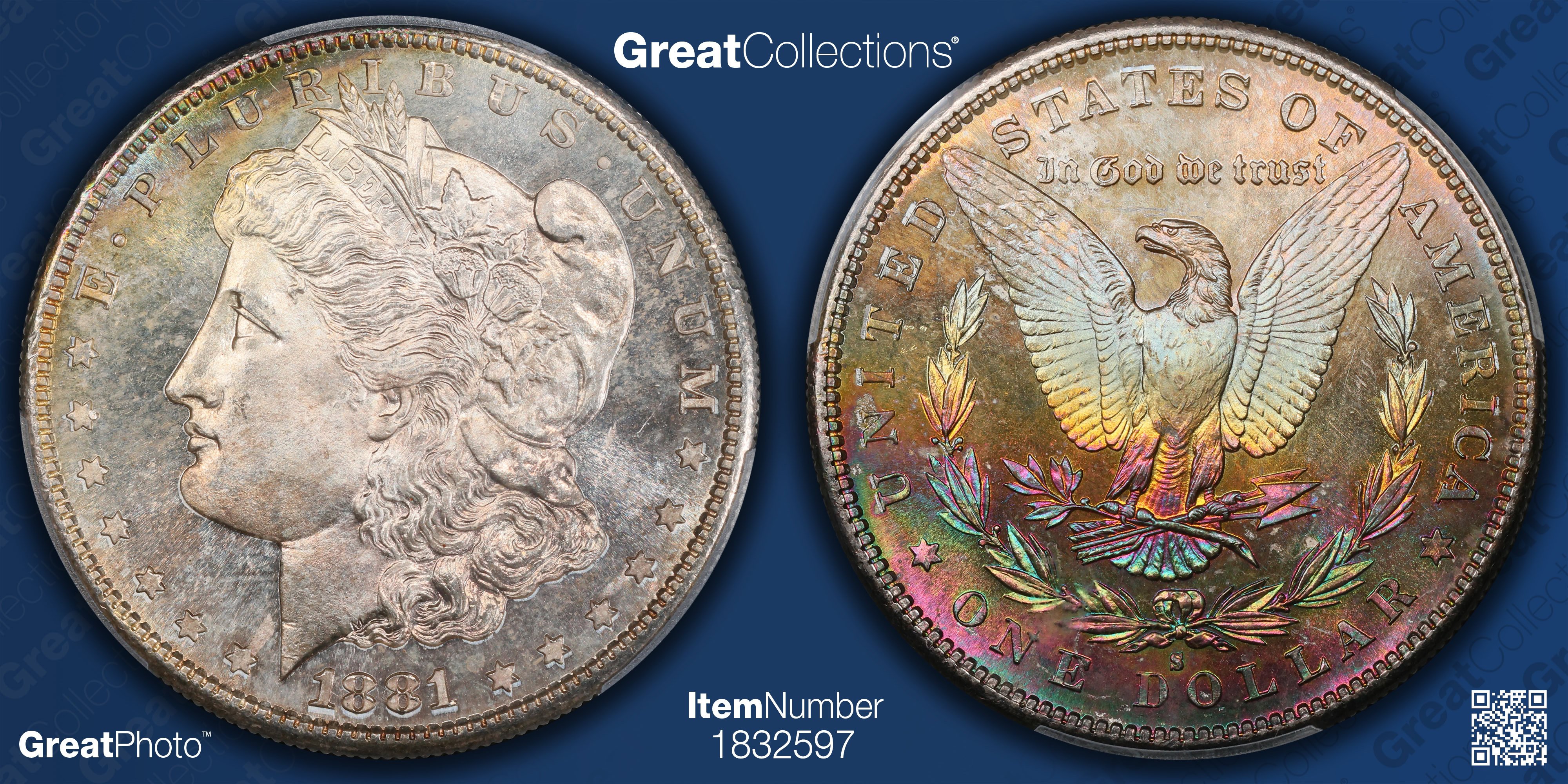
True mint luster dances with a directional “cartwheel” effect under axial scrutiny. Compare the flat, plastic-like surfaces in this 15-year-old photo to the vibrant life in this axial-lit GreatCollections image. One’s a details-grade victim, the other a premium candidate.
3. Strike Quality: The 1882-CC Morgan Dollar Litmus Test
Among Carson City Morgans, strike quality separates the $200 coins from the $2,000 superstars. Axial lighting becomes your personal detective for:
- Feather tip definition (or lack thereof)
- Liberty’s jawline sharpness
- Complete center denticles – or telltale gaps
NGC’s “boldly struck” premium? Impossible to claim without axial proof. I’ve seen weak strikes masquerade as mint condition treasures under poor lighting.
4. Eye Appeal Decoded: Subjectivity Beaten Into Submission
PCGS’s 1-5 eye appeal scale only works when lighting exposes:
- Toning distribution (natural vs. artificial)
- Surface mark placement relative to devices
- Field cleanliness that makes designs pop
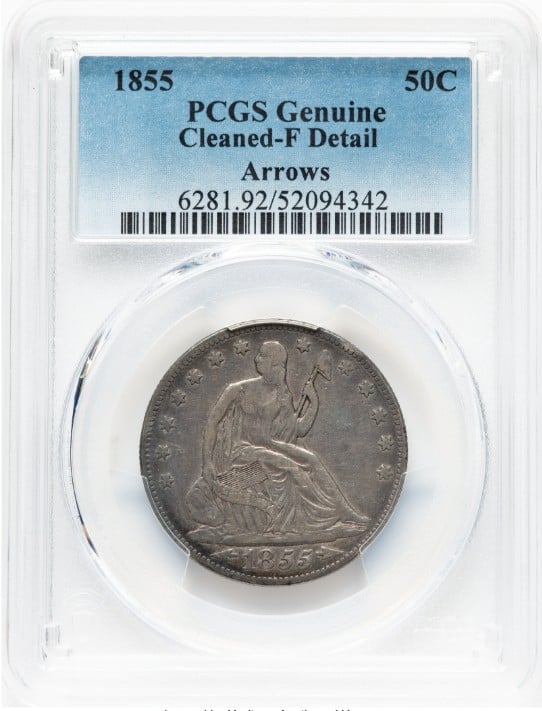
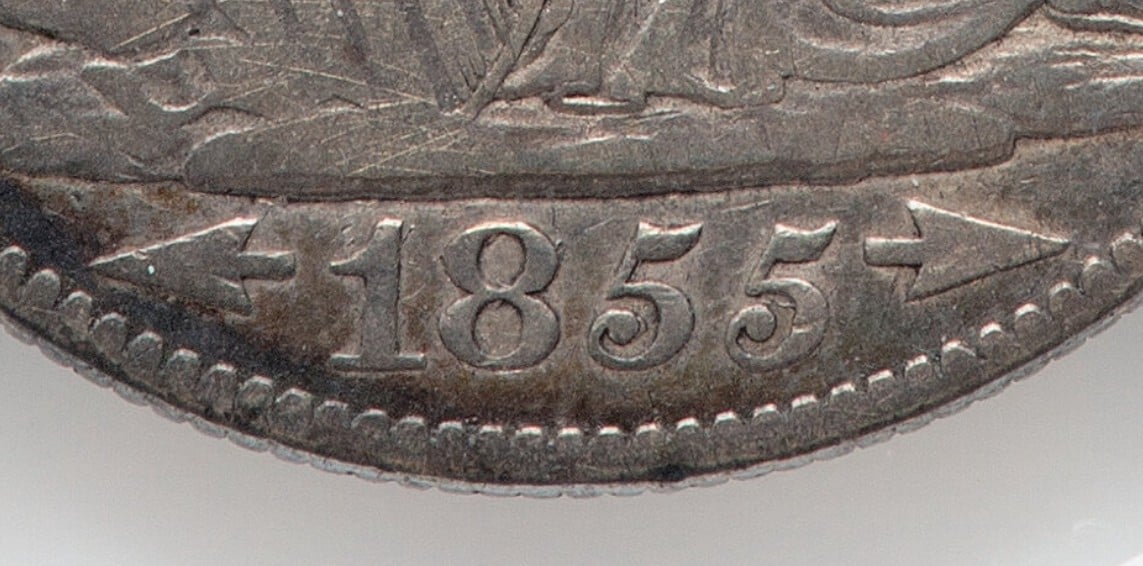
The 1855/54 overdate demonstrates axial lighting’s power – that doubling vanishes under diffuse shots, potentially costing you a rare variety attribution and its numismatic value.
Grading Service Shortcomings Exposed
Forum frustrations with PCGS errors (overdate oversights, botched reed counts) trace directly to inadequate imaging. From my grading desk to yours:
Common Certification Pitfalls
- Missed overdates (like those sneaky 1855/54 Seated Dollars)
- Mishandled varieties (1840-O WB-11 reeds come to mind)
- Overgrading cleaned coins (diffuse lighting hides the truth)
Arm Yourself: Build a Collector’s Lighting Rig
Create museum-grade imaging with:
- 45° angled glass pane (picture frame glass works)
- LED lamps positioned at coin level
- Matte black background (no reflections!)
- DSLR with macro lens (5MP minimum)
Pro Shooting Protocol
- 12x magnification reveals all
- Stick to 5600K daylight balance
- Bracket exposures (±0.3 EV)
- Never manipulate saturation/sharpness – honesty matters
Value Transformation: Lighting’s Bottom Line
This diffuse image vs. axial truth-teller shows why lighting means money:
| Grading Factor | Diffuse Fantasy | Axial Reality | Value Impact |
|---|---|---|---|
| Wear | Full LIBERTY | Flattened serifs | MS-63 → AU-55 (-$300) |
| Luster | Bright surfaces | Wiped fields | Details Grade (-75%) |
| Strike | Average | Weak reverse | No Premium (-$150) |
Conclusion: Light Equals Knowledge Equals Profit
As these forum examples scream, proper lighting separates the sharks from the minnows. That “ugly duckling” in diffuse light might shine as a sleeper rarity under axial examination – trust me, I’ve seen it happen. Until grading services adopt universal axial standards (hats off to GreatCollections!), we collectors must wield light like Excalibur. Remember: In our world, photons aren’t just illumination – they’re profit protection and pedigree assurance. Master them, and you master the game.
Related Resources
You might also find these related articles helpful:
- Coin Authentication Through Photography: How Lighting Reveals Counterfeits in Key U.S. Series – The Art of Seeing Truth: How Lighting Reveals a Coin’s Soul In today’s flooded market of sophisticated fakes…
- How to Spot Rare Minting Errors and Die Varieties Through Professional Coin Photography – For most, a coin is just pocket change. But for us—the eagle-eyed collectors who live for that adrenaline rush of discov…
- Unlocking History Through Coin Photography: The Stories Behind the Specimens – Hold a 19th-century coin and you’re gripping history itself. These numismatic treasures whisper tales of political…