


How Grading Transformed This 1849/6 Half Dime from $10 to $35,000 at Heritage Auction
January 3, 2026The 1849/6 Half Dime: Jewelry Potential vs. Numismatic Treasure
January 3, 2026
Few things hurt a collector’s heart more than seeing historic coins damaged by well-meaning mistakes. Let’s explore how to protect treasures like the legendary 1849/6 Half Dime – a coin that embodies the very soul of American numismatic history.
Historical Significance of the 1849/6 Half Dime
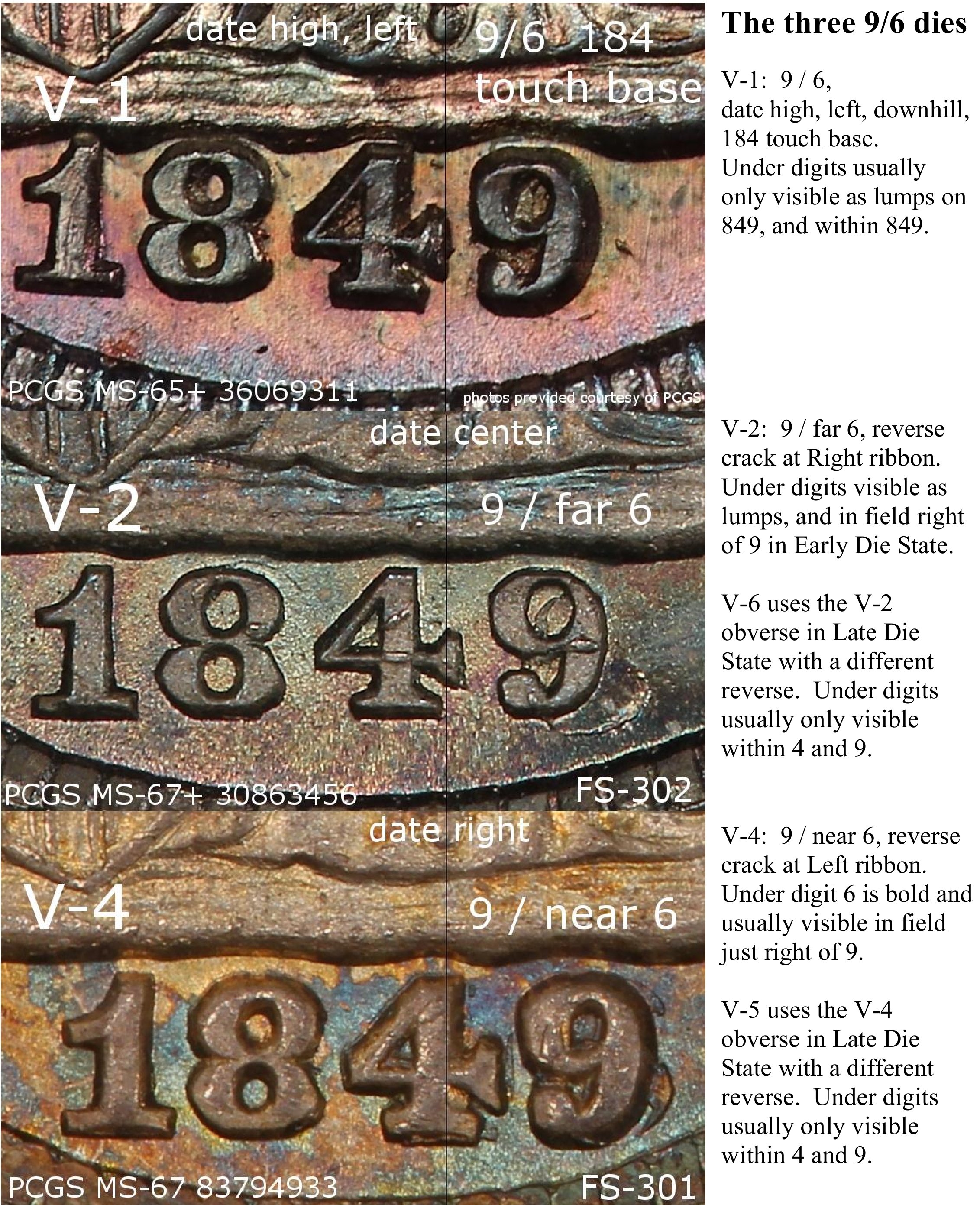
This isn’t just silver and copper – it’s a time capsule of minting drama. Struck in Philadelphia from 90% silver planchets, the 1849/6 overdate occurred when engravers desperately modified an 1846 die by punching a “9” over the existing “6”. After decades of debate among specialists, we now know this rare variety represents one of the most fascinating errors in the Seated Liberty series. The PCGS MS-68 specimen shown here isn’t merely the finest known example; it’s the gold standard for V-4 attribution (9/Near 6). When collector Simpson acquired this numismatic masterpiece for $35,000, he wasn’t just buying metal – he became guardian of a story etched in silver.
Notice the razor-sharp strike and vibrant luster preserved by over a century of careful stewardship
The Perils of Toning and Oxidation
Natural vs. Problematic Toning
Ah, toning – the collector’s double-edged sword! When sulfur compounds dance with silver over decades, they create rainbow patinas that can make a coin sing. Our MS-68 beauty shows how even, iridescent hues actually boost numismatic value. But beware the dark side: environmental exposure creates blotchy, unnatural patterns that scream “amateur storage” and murder eye appeal.
Oxidation: Silver’s Silent Killer
While toning sings, oxidation screeches. That sinister black silver sulfide (Ag₂S) starts as faint shadows but grows into ugly charcoal pits. The V-2 EDS specimen (9/Far 6) survives in near-mint condition precisely because its owners understood this enemy – proving eternal vigilance is the collector’s first duty.
The Hidden Enemy: PVC Damage
Beware the plastic demon! Polyvinyl chloride (PVC) holders from the disco era are still haunting collections today. As they degrade, they ooze hydrochloric acid that attacks surfaces with:
- Greasy Residue: A sticky green film that attracts every contaminant in the room
- Invisible Corrosion: Microscopic pitting beneath seemingly perfect surfaces
- The Collector’s Nightmare: Permanent damage visible in heartbreaking Heritage auction rejects
The miracle? Our star specimen shows zero PVC damage – a key reason it commands seven figures.
Choosing Proper Holders: A Conservation Blueprint
Holder Materials Matter
- Cotton Gloves + Acid-Free Paper: For those precious moments when skin meets silver
- Crystal-Clear Polypropylene: The Goldilocks choice – chemically inert and visually perfect
- NGC/PCGS Slabs: Archival-grade armor designed for centuries of protection
Study the Simpson coin’s holder closely – no fogging, no Newton rings, just pristine clarity preserving both surfaces and provenance.
Storage Environment Essentials
Your coins deserve better than shoeboxes! Maintain:
- 40-50% humidity (say no to desert dry or jungle damp)
- 65-70°F consistency (coins hate temperature swings more than you hate spotty eBay sellers)
- Total darkness (UV rays fade originality faster than bad cleaning removes patina)
The Eternal Debate: To Clean or Not to Clean?
Put down that polish! On rarities like our MS-68 crown jewel, even microfiber cloths can erase critical diagnostics – like the gang punch marks under the date that @yosclimber’s macro photos reveal in stunning detail. Remember:
- Smart Conservation: Halting active corrosion with professional help
- Cardinal Sin: Removing original surfaces that took 150 years to develop
“I remember how truly shocked Mr. Half Dime was that I would actually sell the piece to him… I knew he would properly appreciate it” – @CaptHenway
That trade wasn’t about money – it was about finding the right caretaker.
Conclusion: Safeguarding Numismatic Legacy
The 1849/6 Half Dime’s journey – from minting mistake to record-setting superstar – teaches us that true collectibility stems from generations saying “no” to quick fixes and “yes” to patient preservation. By adopting these practices:
- Document toning changes like a scientist tracking climate patterns
- Inspect holders with the scrutiny of a Gemologist examining surfaces
- Control your coin’s environment like museum curators guard the Hope Diamond
We don’t just own these pieces – we borrow them from history to pass forward. That MS-68’s dazzling luster? It’s not just silver – it’s the accumulated wisdom of every collector who resisted the urge to “improve” it. Now that’s numismatic value you can’t grade on any scale.
Related Resources
You might also find these related articles helpful:
- How Grading Transformed This 1849/6 Half Dime from $10 to $35,000 at Heritage Auction – The Ultimate Guide to Grading the Legendary 1849/6 Seated Half Dime In numismatics, condition isn’t just important…
- Treasure in Plain Sight: Hunting the Coveted 1849/6 Overdate Half Dime Errors – Most collectors dream of spotting that one glint of silver where others see pocket change. For those who understand diag…
- The 1849/6 Overdate Half Dime: Decoding Market Value for America’s Rarest Seated Coin – What’s the real numismatic value of a coin that makes collectors gasp when it hits the auction block? As a Seated …
