Unlocking Hidden Value: Expert Guide to Elizabeth II Halfcrown Obverse Errors
January 12, 2026Unlocking the Secrets of the 1953 Elizabeth II Pattern Halfcrown: How Minute Details Separate $10 Coins from $1,000 Treasures
January 12, 2026
Counterfeit Crisis: Why Diagnostic Details Make or Break This Royal Rarity
The Pattern Elizabeth II Halfcrown Obverse isn’t just another British coin – it’s a captivating piece of numismatic history that’s become a minefield for collectors. As someone who’s held genuine specimens and exposed sophisticated fakes, I can tell you this: your eye for detail is the best weapon against counterfeiters. Let’s explore what separates these transitional treasures from clever imitations.
1953: A Crown Jewel in Britain’s Coinage Evolution
When young Elizabeth II ascended the throne, the Royal Mint faced a monumental task: creating coinage worthy of a new Elizabethan era. The 1953 Pattern Halfcrown Obverse captures this pivotal moment with features that make collectors’ hearts race:
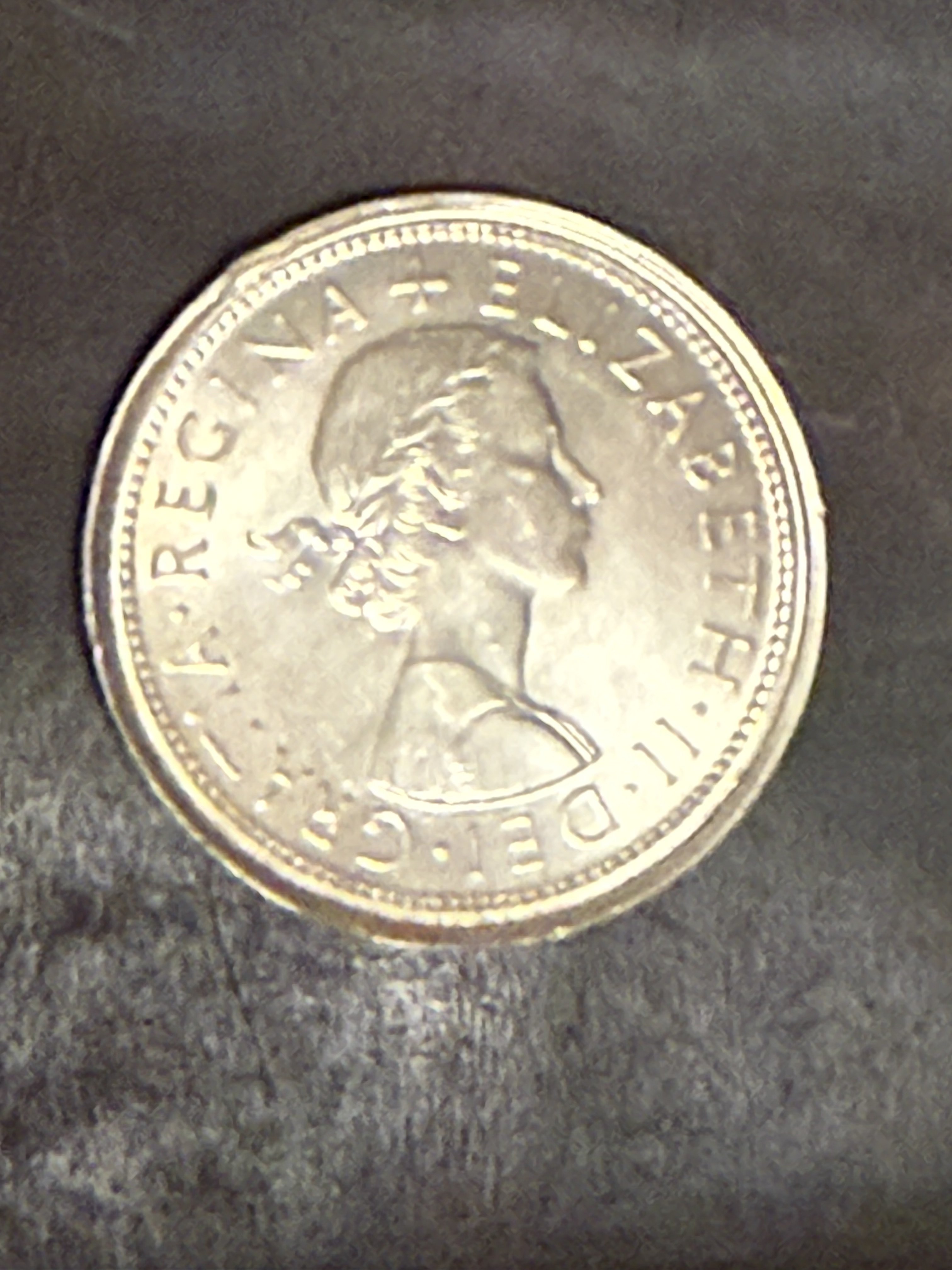
- The delicate Obverse I portrait by Mary Gillick – far more nuanced than later currency versions
- Cupro-nickel composition mirroring circulating coins, yet with superior strike quality
- Missing “BRITT:OMN” legend – a telltale sign of its prototype status
- That mesmerizing proof-like finish whispering “special striking”
“When you tilt a genuine pattern under light, the luster dances like liquid silver – no ordinary strike comes close!” remarked a veteran dealer at last year’s London Coin Fair.
The Smoking Guns: Authentication Markers That Never Lie
1. The “I” Position Test (Your First Line of Defense)
Genuine patterns show two alignment features forged coins can’t replicate consistently:
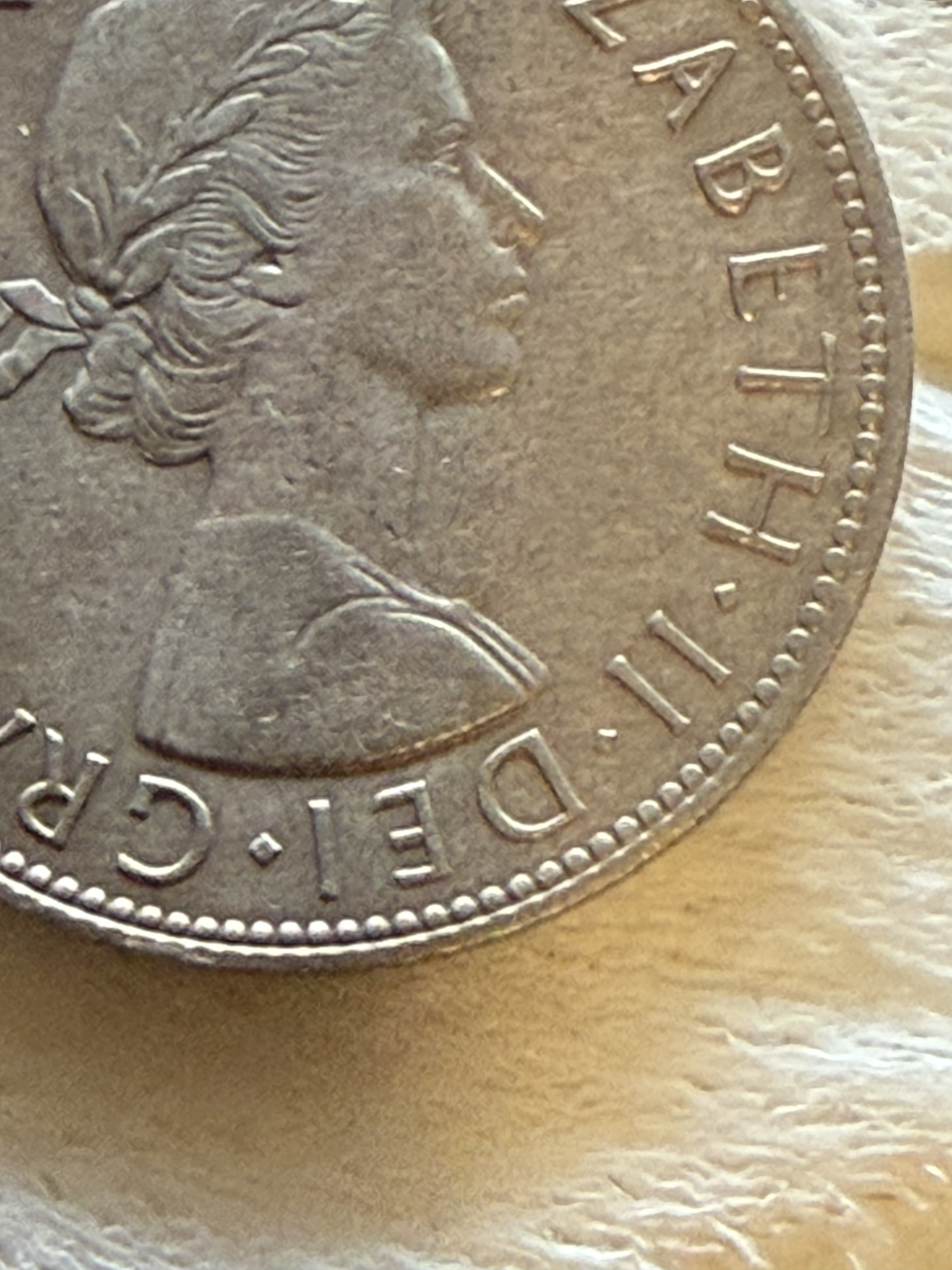
- DEI Alignment: The “I” in “DEI” points perfectly to the space between beads below – like a tiny celestial alignment
- Elizabeth Alignment: The “I” in “ELIZABETH” targets the bead gap with sniper precision
Later currency strikes (1954-1970) always show these letters aligned over beads – a crucial distinction visible in these side-by-side comparisons:
2. Strike Quality – Where Legends Are Born
True patterns boast characteristics that scream “special production”:
- Razor-sharp finning at the edges – the mark of a meticulously calibrated press
- Crisp, even milling that feels like tiny gears under your fingernail
- A scintillating, almost watery luster that survives decades
- No trace of the planchet flaws seen in uniface errors
The Counterfeit Gallery: Know Your Enemy
1. Uniface Imposters (The Accidental Fakes)
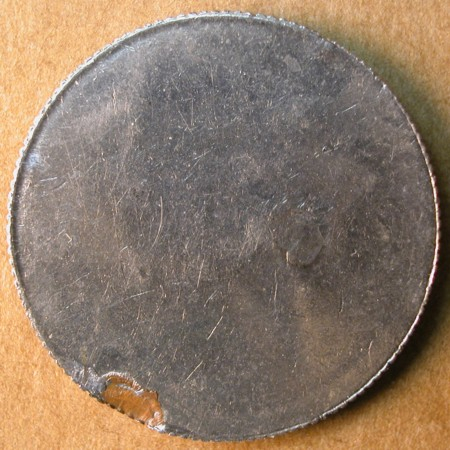
Many hopeful collectors mistake these mint errors for the true prize:
- Broadstruck coins with “pancaked” rims rather than proper edges
- Surface irregularities that kill the eye appeal
- Complete absence of our crucial “I” alignments
Spot the difference: genuine error vs. true pattern
2. The Tampered Troublemakers
Some forgers get creative with 1960s halfcrowns:
- Date alterations that leave telltale tool marks
- Artificial patina attempting to mimic age
- “I” positions crudely repositioned – always check under 10x magnification!
3. Cast Fakes (The Obvious Offenders)
These often fail the basic tests:
- Wrong weight (true patterns hit 14.14g like clockwork)
- Surface bubbles visible under loupe – death to collectibility
- Mushy details where Gillick’s portrait should shine
The Collector’s Crucible: 4-Step Verification
1. Weight Watchers (The Scale Never Lies)
- 14.14g ±0.10g – anything else fails instantly
2. Magnetic Personality Test
- True cupro-nickel patterns: Completely non-magnetic
3. Edge Examination (The Silent Witness)
- Genuine: Consistent milling like tiny railroad tracks
- Fakes: Often show casting seams or uneven edges
4. The Magnification Finale
- 10x loupe verification of “I” positions – the dealmaker
- Absence of “BRITT OMN” – your second confirmation
- Portrait details sharper than Buckingham Palace guards
Numismatic Value: Why Provenance Matters
Properly authenticated patterns aren’t just rare – they’re trophy pieces:
- Genuine patterns: £2,000-£5,000+ (mint condition examples soar higher)
- 2008 auction shocker: A PR67 specimen fetched £11,500!
- Uniface errors: Interesting but not investment-grade (£50-£150)
“The right pattern in superb condition combines rarity, beauty, and history – that’s the trifecta of numismatic value,” observed a Spink auctioneer during last season’s record sale.
Final Verdict: A Crown Worth Its Weight in Vigilance
The 1953 Pattern Halfcrown Obverse isn’t merely a coin – it’s a frozen moment in royal history. Its blend of scarcity, transitional design, and minting intrigue explains why collectors will brave authentication battles to own one. Remember these essentials when encountering potential specimens:
- The “I” alignment is your North Star
- Weight and magnetism provide quick elimination
- Provenance paperwork adds security
When pursuing this crown jewel, partner with TPG specialists who breathe Elizabethan transitional issues. That extra step could mean distinguishing a £150 curiosity from a £15,000 centerpiece – and isn’t that detective work what makes our hobby thrilling?
Related Resources
You might also find these related articles helpful:
- Unlocking Hidden Value: Expert Guide to Elizabeth II Halfcrown Obverse Errors – The Hidden Fortune in Your Pocket Change How many treasures have slipped through your fingers while sorting through loos…
- The Hidden History Behind Pattern Elizabeth II Halfcrown Obverse – Every Relic Whispers a Story Relics whisper tales of history through their dents and luster. When a mysterious copper-ni…
- Pattern Elizabeth II Halfcrown Obverse: A Professional Appraisal of Current Market Value and Investment Potential – Beyond Catalog Prices: Unlocking the True Worth of Pattern Coinage When it comes to Pattern Elizabeth II Halfcrowns, cat…