


Gold & Empire: The Sovereign’s 500-Year Journey Through British History
December 13, 2025British Sovereign Authentication Guide: Expert Techniques to Spot Counterfeits
December 13, 2025
Most collectors overlook the microscopic details that transform ordinary gold into extraordinary treasures. As a lifelong sovereign specialist, I’ve discovered these coins whisper secrets through die cracks and design quirks – if you know how to listen. While dates and mint marks draw the casual eye, the true prizes reveal themselves through subtle imperfections that even veteran numismatists can miss.
500 Years of Hidden History in Your Palm
British sovereigns aren’t merely gold bullion – they’re living chronicles of minting history stamped into 22mm of 91.67% pure drama. Since their 1817 debut under George III (replacing the clumsy guinea’s 21-shilling valuation), these 8-gram masterpieces have served equally as currency and accidental art. Take that legendary 1963 sovereign from ‘From Russia With Love’: While Bond’s prop gleamed with fake perfection, genuine 1963 issues can harbor errors that would leave Q Branch speechless.
“They’re making too many commemorative variations these days,” grumbled one collector, unknowingly describing an error hunter’s goldmine.
The Sovereign Sleuth’s Field Guide: 4 Keys to Hidden Value
1. Portrait Variations: When the Monarch’s Face Changes
Modern sovereigns offer a crash course in obverse variations. The 2015 series alone featured two distinct Queen Elizabeth II portraits prized by specialists:
- Jody Clark’s youthful depiction with intricate necklace details
- Ian Rank-Broadley’s mature portrait with stronger facial definition
Complete 2015 sets with both obverses across denominations now command serious premiums. But the real excitement surfaced when forum debates exposed the 1984 Pobjoy Mint controversy:
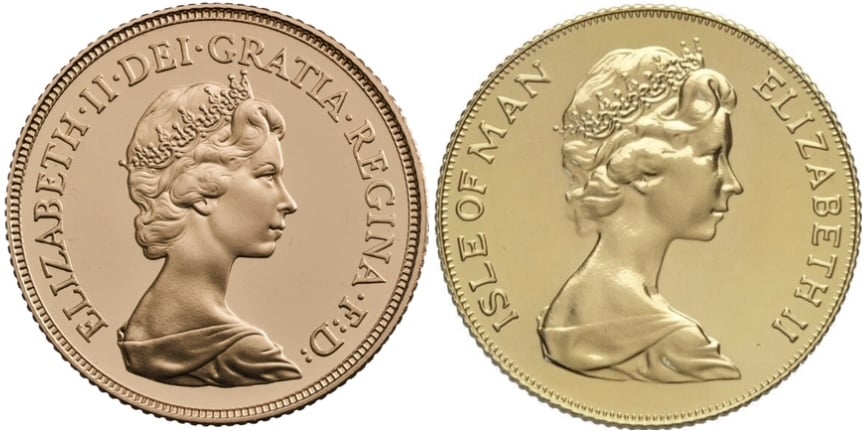
“Notice how Pobjoy’s version (right) shows sharper cheekbones and modified tiara elements,” observed a sharp-eyed forum member. These subtle differences – born from the Isle of Man’s independent minting rights – now fetch 300% premiums over standard bullion value.
2. Die Cracks & Doubling: The Coin’s Fingerprint
Early sovereigns (1817-1900) frequently reveal telling imperfections:
- Spiderweb fractures radiating from Saint George’s shield
- Class III doubled dies creating ghostly overlapping letters
- Stress lines telling the story of overworked dies
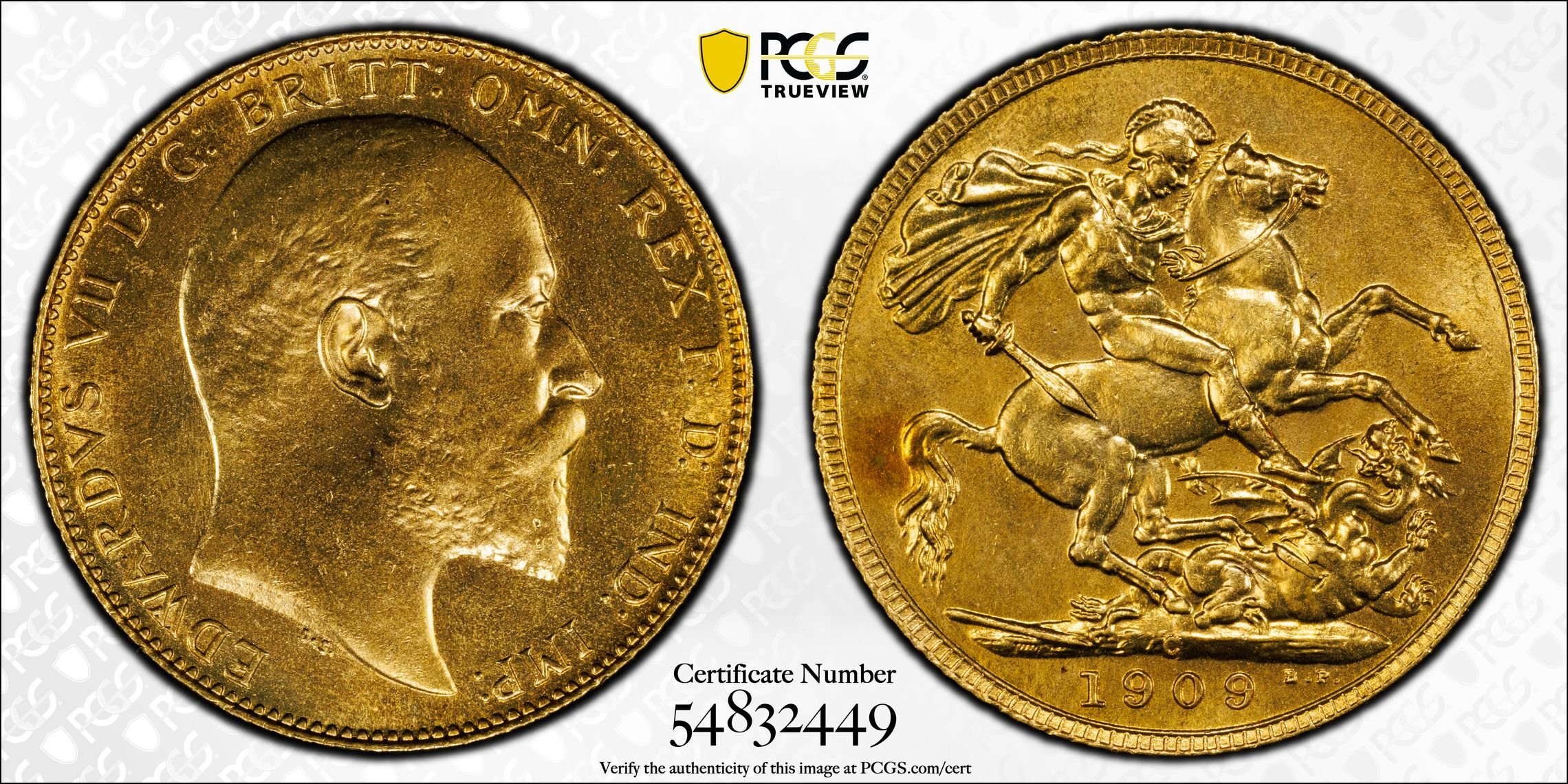
One collector’s 1909-C Canadian sovereign (graded SP-65 with just four known examples) displays dramatic doubling in “DEF:IND:IMP” – a $15,000+ detail invisible without proper magnification.
3. Mint Mark Mysteries: Location Matters
Beyond standard London strikes (no mark), watch for these collectible branch mint identifiers:
- Melbourne (M): 1872-1931
- Perth (P): 1899-1931
- Ottawa (C): 1908-1919
- Sydney (S): 1855-1926
- Pretoria (SA): 1923-1932
The 1989 Tudor Rose sovereign demonstrates how modern commemoratives hide surprises. One forum member’s proof example revealed a microscopic mintmark beneath St. George’s horse – completely absent from regular strikes.
4. Mule Errors: When Dies Misbehave
The Royal Mint’s archives overflow with misplaced dies begging to create accidental rarities. Stay alert for:
- Mismatched obverse/reverse dates
- Sneaky privy marks (like the 2023 Coronation sovereign’s hidden crown)
- “Ghost” effigies from incomplete die polishing
From Bullion to Bonanza: When Errors Define Value
While common Elizabeth II sovereigns trade modestly above melt value, verified errors rewrite the rules:
- 1962 Mule Sovereign (Victoria obverse/George VI reverse): £12,000+
- 1989 Tudor Rose Die Break (crack through petals): 3x premium
- 2015 Dual Obverse Set (PR70DCAM): $8,950 at Heritage
- Pobjoy Portrait Variations (1984-1990): 200-400% over standard
The Sovereign Hunter’s Advantage
British sovereigns offer error specialists three unique benefits: remarkable survival rates (thank gold’s indestructibility), Marsh’s exhaustive cataloging, and fiercely passionate collector communities. As one forum veteran noted while examining his 1817 specimen: “The craftsmanship astonishes, but the variations? Countless.” That very multiplicity creates opportunity.
Your essential toolkit:
- Quality 10x-20x loupe for examining luster and strike
- Marsh’s “Gold Sovereign” bible (2023 update essential)
- Membership in specialized forums like the British Numismatic Society
- Focus area (Young Head die cracks? Elizabeth II portrait nuances?)
“My KCIII set started as bullion,” confessed a collector, “until I noticed the portrait’s doubled ear – now it’s my crown jewel.”
Remember: Every sovereign struck since 1817 carries hidden potential. Your mission isn’t just to accumulate gold, but to unveil its stories – one die crack, misplaced mint mark, and variant portrait at a time.
Related Resources
You might also find these related articles helpful:
- Gold & Empire: The Sovereign’s 500-Year Journey Through British History – The Sovereign’s Birth Amidst Financial Turmoil Every coin collector knows that holding history in your palm is mag…
- British Sovereigns: Unlocking True Market Value in the Modern Collecting Era – Few coins stir collectors’ hearts like the British Sovereign. As a numismatist who’s handled thousands of th…
- Unearthing Hidden Gems: How Demand Trumps Supply in Modern Coin Hunting – Who says you need a dealer to strike numismatic gold? As I spread my latest haul across the kitchen table—$500 in half-d…
