


Spotting the Difference: Proof vs. Business Strike Authentication for Collectors Navigating eBay’s New Authenticity Guarantee
September 17, 2026How to Photograph and Evaluate Luster on Raw Coins: A Numismatic Photography Masterclass for eBay Buyers and Sellers
September 17, 2026
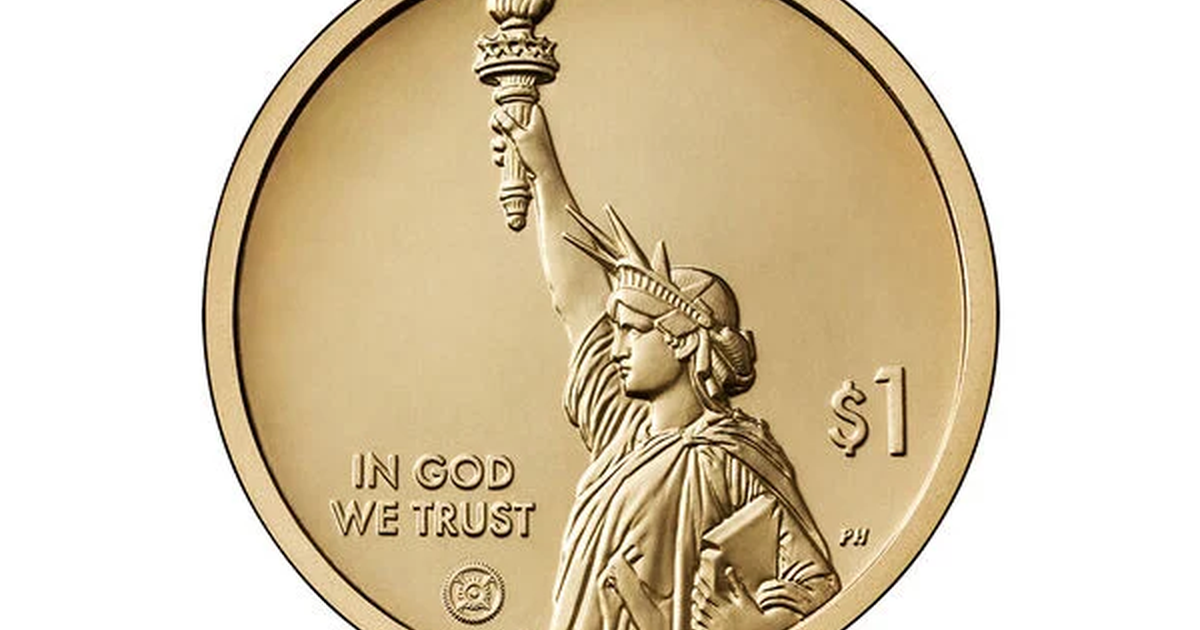
The venue you choose to sell your item can drastically affect your net profit. Let’s compare the modern digital market to traditional dealer bourse floors.
As an online coin dealer who has spent years navigating both the eBay marketplace and the bustling floors of national coin shows, I’ve seen how dramatically the selling experience differs between these two channels. Forum discussions I frequently engage in reveal a persistent tension among collectors: the convenience and reach of online selling versus the tactile, relationship-driven world of in-person trading. So let’s cut through the noise. I’m going to break down the critical factors—eBay fees, coin show etiquette, dealer buy prices, liquidity, and online reputation—that every collector should weigh before deciding where to part with a cherished piece.
The eBay Marketplace: Fees, Authenticity, and the Modern Digital Coin Floor
Understanding eBay’s Fee Structure and Its Impact on Your Bottom Line
Let’s start with the elephant in the room: eBay fees. As of recent updates, eBay charges sellers a final value fee of approximately 13.25% on the total amount of the sale (including shipping charges passed to the buyer), with a minimum fee of $0.30 per order.
Do the math on a $500 coin sale, and you’re looking at roughly $66.25 in fees before payment processing costs even enter the picture. Now bump that up to a premium piece—a 1921 Morgan Silver Dollar in MS-65 or a scarce Indian Head Quarter Eagle—and those percentage-based fees can seriously nibble into your profit margin.
In my experience grading and selling coins online for over a decade, I’ve found that eBay works best for a specific sweet spot:
- Mid-range coins in the $50–$500 range, where volume compensates for percentage-based fees
- Common-date coins with high liquidity, where fast turnover offsets the cost
- Items where the market is so broadly distributed that no other channel offers comparable exposure
But for premium numismatic pieces—say, an 1893-S Morgan Dollar or a Proof 1907 Indian Head $20 Double Eagle—the fees alone can run $100–$200 or more. At that point, direct sales to dealers or auction houses become more financially attractive. The collectibility and numismatic value of those coins demand better margins than a digital marketplace will provide.
eBay’s Authenticity Guarantee: What Collectors Need to Know
One of the hottest topics in recent forum threads centers on eBay’s Authenticity Guarantee program, which partners with third-party grading authorities like PCGS (Professional Coin Grading Service) to verify coin authenticity. Here’s what I’ve observed from both sides of the transaction:
- In-hand authentication: PCGS authenticants examine the coin physically—not just photographs—before it ships to the buyer. This is a major step up from the old days, when buyers simply trusted seller-supplied images.
- No rehousing: A critical detail many collectors misunderstand is that PCGS does not reholder the coin. Authentication is performed on the raw coin in hand, and the item ships in its original state. The coin you receive is the exact coin that was examined.
- Final sale implications: Purchases inspected under the Authenticity Guarantee are considered final sale. The eBay Money Back Guarantee doesn’t cover these transactions on the basis that the item doesn’t match the listing. Returns are only eligible for coverage when the item was damaged during shipping or the seller doesn’t honor their stated returns policy.
From my perspective as a dealer, this program offers meaningful protections for sellers—no more worrying about buyers returning empty envelopes or manipulating return labels. For buyers, having professional eyes examine an expensive raw coin provides genuine peace of mind.
But I’ll be candid: the program’s effectiveness depends entirely on the rigor of the authentication process. Counterfeiters continue to evolve their techniques. I’ve said it in forum discussions more times than I can count—you can’t go a single day without seeing counterfeits listed on eBay. An understanding of the minting process remains vital to rooting them out, regardless of any guarantee program.
Search, Discovery, and the Top Rated Seller Program
Many collectors who’ve been away from eBay for years are surprised to learn that the platform’s search functionality has improved considerably—though it still requires strategy. Using advanced search operators like quotation marks for exact phrases, parenthetical groupings, and plus/minus signs to include or exclude terms can dramatically improve your results.
The Top Rated Seller program, which requires maintaining exceptional metrics across completion rate, shipping speed, and customer satisfaction, serves as a meaningful trust signal for buyers navigating a marketplace with millions of listings.
I regularly buy coins on eBay that I resell for profit, and I’ve found that maintaining Top Rated Seller status has opened doors to better visibility in search results, lower final value fees (a 5% discount on the standard rate), and priority in eBay’s promotional algorithms. It’s a competitive edge that pays for itself over time.
Coin Shows: The Traditional Bourse Floor Experience
Coin Show Etiquette and the Art of Face-to-Face Dealing
Some critics dismiss coin shows as the largest coin show on the planet that operates 24/7/365 mostly shlock. I’ve heard this sentiment repeated across forums, and while I understand the frustration, I’d argue this perspective misses the essence of what coin shows offer.
Having exhibited at major national shows including the ANA World’s Fair of Money and regional bourse floors, I can attest that the in-person trading environment operates on a fundamentally different set of rules:
- Personal reputation is everything: Unlike eBay, where feedback is digital and somewhat abstract, at a coin show your reputation is built through direct interaction. Collectors remember who treated them fairly, who graded honestly, and who showed genuine expertise.
- Tactile examination: There is no substitute for holding a coin in your hand, examining its luster, strike quality, and surface under proper lighting. This is particularly critical for coins where eye appeal matters as much as grade—a rainbow toned Morgan Dollar, for instance, cannot be fully appreciated through photographs alone.
- Negotiation is expected: Coin show pricing is inherently flexible. Unlike eBay’s listed prices, bourse floor transactions often involve negotiation, bulk discounts, and relationship-based pricing that rewards repeat customers.
The Hidden Costs of Coin Shows
That said, dealers and collectors need to account for significant costs associated with coin shows:
- Table fees and booth rentals: Major shows can charge $500–$2,000+ for dealer tables depending on location and size
- Travel and lodging: A national show might require flights, hotel stays, and meals totaling $1,000–$3,000 for a weekend
- Insurance and security: Dealers must carry adequate insurance for inventory valued in tens or hundreds of thousands of dollars
- Time investment: Setup, show days, teardown, and travel time represent hours that could otherwise be spent sourcing and selling online
When I calculate my net profit per show versus my online sales over the same period, the margins often favor online selling for mid-tier inventory. But premium pieces benefit from the premium pricing achievable through personal presentation at shows. Being able to discuss a coin’s provenance face-to-face—tracing its journey from mint to collector—adds a layer of value that no listing description can match.
Dealer Buy Prices: Understanding the Wholesale Discount
Why Dealers Offer Below-Market Prices
One of the most common sources of frustration for collectors considering a sale to a dealer—whether at a show or through an online purchase—is the gap between the dealer’s asking price and their offer when buying. I’ll be direct: when I offer a dealer price for a coin, I’m typically offering 40–60% of what I would sell it for retail. This isn’t greed—it’s business math.
Consider what goes into a dealer’s buy price:
- Overhead costs: Rent, employees, advertising, inventory carrying costs, and grading fees
- Risk of depreciation: Market downturns can erode inventory value between purchase and resale
- Liquidity timeline: A coin purchased today might sit in inventory for months before finding the right buyer
- Profit margin: The dealer must earn a living; without adequate margins, the business fails
In my experience, the most successful collectors understand this dynamic and use it strategically. Sell your common-date circulated coins to dealers for quick cash, but retain and sell premium-grade key dates through channels that capture full retail pricing. A coin in mint condition with a rare variety and strong provenance commands respect—and you should expect to be compensated accordingly.
Liquidity: Where Your Coin Sells Fastest
The Speed of Sale Across Channels
I recently shipped a $550 coin via third-party grading from Ohio to California for authentication before final sale to a buyer. The turnaround? Approximately two weeks from mailing to delivery. That timeline is typical for eBay transactions involving authenticated coins.
Compare this to a coin show scenario, where a sale can close in minutes with a handshake and cash payment. The liquidity advantage of in-person selling is undeniable for dealers looking to move large volumes quickly.
However, eBay offers a different kind of liquidity:
- Global reach: My eBay store reaches buyers in over 100 countries, vastly expanding the potential buyer pool beyond any single show’s attendance
- Continuous marketplace: Unlike a show that operates 8–10 hours over a weekend, eBay is open 24/7/365
- Instant price discovery: Sold listings provide real-time market data that helps me price competitively
The key insight from my years of dealing is this: liquidity and price are often inversely related. The fastest sales typically command lower prices, while premium results require patience and the right buyer. A stunning Mercury Dime with exceptional eye appeal might move at a show for immediate cash—but listing it online could attract a competitive bidding war that pushes the final price well above what you’d pocket at the bourse floor.
Online Reputation: Feedback, Trust, and Building a Legacy
The Power of eBay Feedback in the Modern Era
I recently sold a coin and received feedback that read: “How often in life — when you buy something in an ‘e-auction’ — can you share feedback that says ‘exceeds expectations’? Or, even more rare, ‘MASSIVELY Exceeds Expectations.’ This coin is GORGEOUS — even better than described. A TERRIFIC value. Fast shipping, Careful packaging. Gave me a good price. I’ll DEFINITELY be buying from you again.”
That kind of testimonial is worth more than any advertising dollar. In the online coin dealing world, your feedback profile is your storefront. A strong reputation built over hundreds of transactions creates a virtuous cycle: positive feedback attracts premium buyers who are willing to pay higher prices for trusted sellers, which in turn generates more positive feedback.
I’ve also observed that collectors who maintain both a strong eBay presence and active forum participation build the most resilient reputations. The forums provide credibility and community standing; eBay provides commercial volume and reach. Together, they create a powerful brand.
Dealer Reputation at Coin Shows
At shows, reputation operates through word-of-mouth networks, published dealer lists, and ANA dealer referrals. A dealer who has exhibited consistently at major shows for 20+ years carries implicit trust that no amount of eBay feedback can replicate. Both channels reward consistency, honesty, and expertise—just through different mechanisms.
Counterfeit Concerns: A Shared Challenge Across Both Channels
Regardless of whether you’re selling on eBay or at a coin show, counterfeits remain a persistent threat. I use eBay for research into current counterfeit varieties—I can’t go a day without seeing fakes listed on the platform. The same risk exists at shows, where less experienced collectors might encounter altered dates, pot metal counterfeits, or sophisticated Chinese fakes of US gold coins.
My advice for buyers and sellers in either channel:
- Always deal with established, reputable sellers who offer authentication
- For premium purchases, insist on third-party grading (PCGS, NGC, or ANACS)
- Learn the minting process details—die characteristics, metallurgical signatures, and striking tendencies—for your areas of interest
- Use eBay’s Authenticity Guarantee for eligible purchases as an additional layer of protection
Conclusion: Choosing Your Venue Wisely
After examining both the digital and physical marketplaces from years behind the dealer table and in front of the camera, my conclusion is straightforward: neither channel is universally superior. The best approach for most collectors is a diversified strategy.
For common-date coins, circulated material, and inventory requiring fast turnover, eBay provides unmatched reach and liquidity despite its fee structure. The Authenticity Guarantee program has meaningfully improved buyer confidence, and the Top Rated Seller ecosystem rewards quality dealers with better visibility and lower costs.
For premium numismatic pieces—coins of significant historical importance, low mintage, or exceptional eye appeal—coin shows offer the tactile examination, personal relationship building, and premium pricing potential that justify the additional costs and time investment. The ability to present a coin in person, discuss its provenance, and negotiate directly creates value that no online listing can replicate.
As for me, I still sell the vast majority of my inventory online—approximately 95% of my transactions fall under $500, where eBay’s efficiency shines. But I make regular appearances at national shows for my premium offerings, because some coins deserve the grand stage they’ve carried for over a century.
Whether it’s an 1893-S Morgan Dollar with its legendary scarcity, an 1804 Draped Bust Dollar representing the pinnacle of American numismatic achievement, or a beautifully toned Mercury Dime from the Denver Mint, these pieces carry stories that span generations. Their patina, luster, and collectibility have captivated collectors for decades—and the venue where you share that story matters more than you might think.
The venue you choose to sell your item can drastically affect your net profit. Choose wisely, diversify your approach, and always let the coin’s significance guide your decision.
Related Resources
You might also find these related articles helpful:
- Spotting the Difference: Proof vs. Business Strike Authentication for Collectors Navigating eBay’s New Authenticity Guarantee – Why Every Collector Needs to Understand Proof vs. Business Strike Distinctions Sometimes early proof coins look like bus…
- Advanced Identification: Discovering Rare Die Marriages and VAMs for Serious Variety Collectors – The Thrill of Die Pair Attribution For the advanced collector, identifying the exact pair of dies used to strike a coin …
- Verdigris, PVC, and Oxidation: A Numismatic Conservator’s Guide to Environmental Damage in Bronze and Copper Coins—And What eBay’s Authenticity Guarantee Means for Buyers Navigating the Market – The Silent Threat Beneath the Surface Improper storage is the enemy of numismatics. In my fifteen years of conservating …
