


The Arbitrage Guide: Flipping a 1946-P Jefferson Nickel Split-After-Strike Error for Fast Profit — Raw vs. Slabbed
November 5, 2026Protecting the Precious: A Conservationist’s Guide to Preserving Your Trump 250 Gold 1 Ounce Coin -November
November 5, 2026
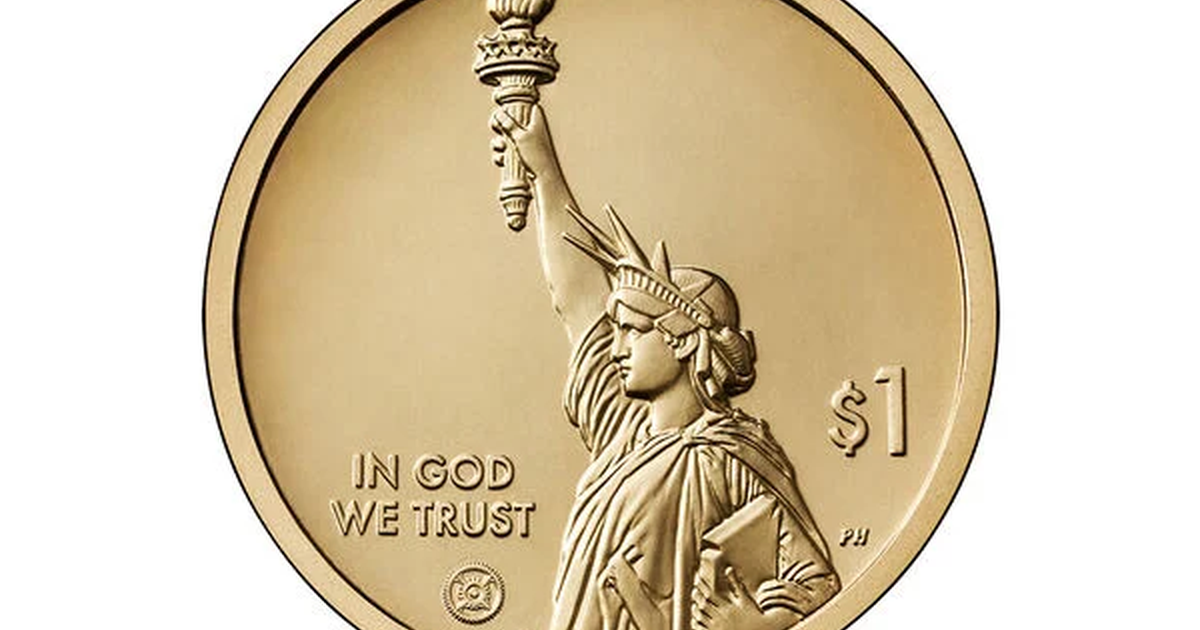
Tangible Assets Are Making a Huge Comeback. Here Is Why High-Net-Worth Individuals Consider These Pieces as Part of a Diversified Wealth Strategy.
Tangible assets are making a huge comeback. I hear it from clients all the time. They already own equities, bonds, and real estate. Their question is not how to chase higher returns. It is how to preserve purchasing power when traditional markets move together in a crisis. That is the conversation that brings me back to a small, unassuming piece of metal: a 1946 Jefferson nickel, split cleanly in two after it was struck at the United States Mint.
I have examined hundreds of error coins in my career as a wealth management advisor with a deep specialization in numismatics. Few categories show the intersection of tangible value, historical scarcity, and portfolio logic as clearly as a genuine split-after-strike error. This is not a coin that will make a client rich overnight. It is a coin that shows why sophisticated collectors treat rare numismatics as a distinct asset class. It is physical. It is finite. It is historically documented. And it is largely uncorrelated to the S&P 500.
When a client first sees a nickel in two pieces, the reaction is almost always the same. Is this damaged? Is this a trick? Was it sawed? That skepticism is healthy. In wealth management, we call it due diligence. In numismatics, we call it authentication. The forum discussion that inspired this analysis — a collector asking, “I think I know the answer but” — captures exactly how these pieces enter portfolios. Not through a glossy auction catalog. Through a bag of wheat cents. Through a moment of curiosity. Through a community of experts willing to say, “Looks genuine to me. Split after struck. Nice mated pair to have.”
What Is a Split-After-Strike Error and Why Does It Matter to Investors?
A split-after-strike, often called a split planchet error, occurs when a coin blank — a planchet — contains an internal lamination flaw or incomplete bonding between layers. During striking, the metal is compressed under immense pressure. After the coin leaves the dies, that internal weakness can cause the piece to separate along the plane of the planchet. The result is two complementary halves that, when placed together, reconstitute the original coin.
From a portfolio perspective, the distinction between a split-after-strike and a split-before-strike is critical. A split-before-strike means the planchet was already flawed and the strike itself created the separation. A split-after-strike, the rarer and more coveted rare variety, means the coin was fully struck — design, lettering, and date complete — and only later parted. That completeness is what gives the piece its narrative. It is also what gives it numismatic value.
Key Diagnostic Markers I Look For
In my experience grading and authenticating these pieces for clients, I rely on a consistent checklist. A genuine split-after-strike should exhibit:
- Complete design on both halves: The obverse and reverse devices must be fully formed, not mushy or incomplete from a weak strike.
- Matching split surfaces: The interior surfaces should be complementary, with a similar texture, color, and lamination grain, like two sides of the same page torn apart. Good eye appeal often starts here — the split itself should look honest.
- No evidence of sawing or cutting: Saw marks, file marks, or unnaturally straight edges are disqualifiers. The edge should show stress separation, not tool work.
- Alignment when mated: When the two halves are brought together, the rims, lettering, and date should align precisely, as they did at the moment of striking.
- Consistent toning and metal composition: A 1946 Jefferson nickel is 75% copper and 25% nickel, weighing 5.00 grams. Both halves should share the same alloy color, patina, and aging pattern. Original luster, where it survives, should match as well.
These markers are not academic trivia. For an investor, they are the difference between a tangible asset with a verifiable provenance and a damaged curiosity with no secondary market. Authentication is portfolio protection.
The Case Study: A 1946 Philadelphia Nickel Found in a Bag of Wheat Cents
The piece at the center of this discussion is a 1946 Jefferson nickel — a Philadelphia mint issue, identified by the absence of a mintmark — found, remarkably, as two separate halves in a bag of wheat cents. The owner, posting under the name Coin Finder, asked the community whether the coin had simply come apart or had been sawed.
That origin story matters more than most investors realize. Wealth managers talk about entry points and cost basis. Here, the cost basis was essentially the price of a circulated wheat cent bag. The value was created not by the metal — a nickel’s melt value is nominal — but by rarity, condition, and expert consensus. Multiple experienced voices in the thread confirmed the diagnosis independently: “Absolutely genuine split after strike,” “Confirmed, genuine split after strike, very cool to have both pieces.”
In my practice, I have seen similar discoveries transform a client’s approach to tangible assets. A piece that cost almost nothing to acquire, once authenticated and documented, becomes a case study in asymmetric upside. It also becomes a conversation starter that illustrates a core principle: tangible assets derive value from scarcity and demand, not from a corporate earnings report. Collectibility, in other words, is earned.
Why the 1946 Date Matters
The 1946 Jefferson nickel sits at a fascinating historical juncture. World War II had ended the previous year. The Mint was returning to full civilian production. Jefferson nickels were produced in enormous quantities at Philadelphia, Denver, and San Francisco. That high mintage is precisely why a major error on a common date is so compelling to collectors. The error did not survive because the coin was rare. It survived because the mistake was rare. For an investor, that is a powerful distinction. You are not betting on a low mintage that everyone already knows about. You are betting on a surviving error that population reports show in the single digits for split-after-strike examples.
Authentication in Practice: PVC, Tape Residue, and the “Assisted Split” Debate
No responsible advisor would recommend adding any tangible asset to a portfolio without addressing risk. The forum thread did exactly that. It is why I find this case so instructive for clients.
Early in the discussion, one expert noted green crud that could be PVC — polyvinyl chloride — a common contaminant from older vinyl holders that can damage surfaces over time. The recommended remedy was a soak in acetone, with a saturated Q-tip to gently lift residue. I routinely advise clients on this point: proper conservation is wealth preservation. A coin left in a PVC holder is a depreciating asset. A coin stabilized in acetone and properly housed is a preserved asset. Even a piece near mint condition can lose its eye appeal quickly if PVC is left to work.
The more sophisticated concern raised later in the thread was whether the split was “assisted.” Could someone have glued a normal coin to two solid objects, let the glue set, and pried it apart? Could the residue be tape adhesive used to hold the halves together? These are excellent questions. They mirror the due diligence we perform in any alternative investment.
My Framework for Evaluating Assisted Splits
I have examined split-after-strike coins where the temptation to pry open a clamshell lamination was, as one commenter put it, “too tempting not to pry open, for better or worse.” My evaluation framework includes:
- Residue analysis: Tape residue and superglue have distinct chemical signatures and appearances. Acetone dissolves both, which is why a controlled soak is both a cleaning step and a diagnostic test.
- Metal deformation: A forcibly pried coin will often show bent, stretched, or work-hardened metal around the split. A natural split shows clean lamination separation without directional bending.
- Interior texture: The interior of a genuine split should show the original planchet lamination, not the flat, smeared surface left by a tool or a glued object.
- Expert consensus: In this case, despite the glue hypothesis, experienced error specialists concluded the coin lacked the bent metal and other characteristics that would support an assisted split.
The coin was ultimately found to be original and sold to a private party. That outcome — authentication, then a private sale — is a textbook example of how the numismatic market functions for unique errors. There is no ticker symbol. There is a network of knowledgeable buyers who value originality over grade.
Uncorrelated Assets: How Error Coins Behave When Markets Do Not
Here is where the wealth management advisor perspective diverges from the pure collector perspective. It is also where I believe error coins earn their place in a diversified portfolio.
Equities, bonds, and even many commodities tend to become correlated during periods of stress. When liquidity dries up, investors discover that their “diversified” portfolio moves in one direction. Rare numismatics have historically shown low correlation to traditional markets because their price drivers are entirely different: collector demand, population rarity, historical interest, and the availability of certified examples.
A split-after-strike 1946 nickel does not care about interest rates. It does not report earnings. Its value is driven by how many other collectors want a mated pair, how many examples have been certified by a third-party grading service, and whether a major auction has recently featured a comparable piece. That is the definition of an uncorrelated tangible asset.
The Role of Numismatic Indices
Skeptical clients often ask me, “But how do I track this asset class?” The answer is numismatic indices. While there is no single index for error coins, several established benchmarks track rare coin performance as a whole, including the Professional Coin Grading Service 100 Index and the Rare Coin Index, which follow the prices of key date and rare issues. These indices have, over long periods, shown that high-quality rare coins can preserve value through inflationary environments because supply is fixed and demand from both collectors and investors is durable.
Error coins, and split-after-strike pieces in particular, tend to outperform generic issues within those indices because they occupy a niche within a niche. When a general index rises 5% in a year, a condition census error might rise 15% — or it might not sell at all because no example is available. That illiquidity is a risk. But for a small allocation — typically 1% to 5% of a tangible assets sleeve in my recommendations — it is also the source of uncorrelated return potential.
- Fixed supply: No new 1946 split-after-strike nickels will ever be minted.
- Documented demand: Error collecting has grown steadily for four decades, with dedicated clubs, publications, and price guides.
- Price transparency: Auction records for certified errors provide a verifiable pricing history, unlike many private tangible assets.
- Inflation sensitivity: Physical, collectible assets have historically held purchasing power better than cash during inflationary periods.
Preservation, Storage, and the Slabbing Question: Raw Versus Certified
One of the most revealing exchanges in the thread concerned whether to have the coin slabbed — encapsulated by a third-party grading service — and whether a dual-holder for both halves was possible.
For a traditional investor, slabbing is non-negotiable. Certification provides liquidity, guarantees authenticity, and establishes a grade. For a serious error collector, the calculus is different. As one experienced commenter noted, “If I were buying it for my hypothetical error coin collection, I would want it raw, the better to see the split surfaces. The grade is 100% irrelevant.”
I see both sides in my practice. I advise clients based on their intent. If the goal is portfolio liquidity and resale to the broadest market, a certified, dual-slabbed mated pair is superior. If the goal is a connoisseur-level holding meant to be studied and displayed, raw may be preferred. The key point for wealth preservation is that the decision must be intentional, documented, and reversible where possible.
Best Practices I Recommend to Clients
- Conserve first: An acetone soak to remove PVC or adhesive residue, performed by a professional if the piece is valuable, prevents further deterioration.
- Photograph everything: Document both halves, the mated alignment, and the split surfaces before any holder is sealed.
- Seek third-party authentication: Even if you keep the coin raw, a written opinion from a recognized error specialist adds provenance.
- Store in inert materials: Only archival-quality holders, free of PVC, should be used for long-term storage.
- Insure and inventory: Tangible assets in a portfolio must be scheduled, photographed, and insured just like art or jewelry.
These steps transform a curiosity found in a wheat cent bag into a professionally managed tangible asset.
Actionable Takeaways for Buyers, Sellers, and Advisors
Whether you are a collector considering your first error coin or an advisor evaluating a client’s alternative assets, the lessons from this 1946 nickel are universal.
- Buy the authentication, not just the coin: A genuine split-after-strike with expert consensus will always command a premium over an unauthenticated, assisted split.
- Understand the grade debate: For errors, originality and completeness matter more than a numerical grade. Do not overpay for a high grade on a common error, and do not dismiss a lower grade on a rare one.
- Consider the mated pair premium: A coin found in two halves that perfectly reconstitute is far more desirable than a single half. Completeness is value.
- Allocate modestly: In my experience, error coins work best as a satellite allocation within a broader tangible assets strategy, not as a core holding.
- Think in decades: The best returns in numismatics come from patience. The 1946 nickel waited nearly 80 years for its moment in a forum thread. Your portfolio should be built with that horizon in mind.
Sellers, take note: cleaning, documenting, and obtaining consensus before you sell can multiply the realized price. Buyers, take note: ask about PVC exposure, prior cleaning, and whether the split was natural or assisted. Those questions protect your capital.
Conclusion: Collectibility, Historical Importance, and Portfolio Role
A 1946 Jefferson nickel split after strike is, on its surface, a modest piece of metal. It is not a 1909-S VDB Lincoln cent or a 1793 Flowing Hair dollar. Its historical importance does not come from its date alone. It comes from what it reveals about the Mint’s process in the immediate post-war era — a time when America was transitioning from wartime production to peacetime prosperity, and when planchet quality, striking pressure, and metallurgy all intersected to create, occasionally, a perfect mistake.
For collectors, it is a fascinating, tactile piece of history: two halves that were once one, separated by a flaw invisible until the moment of parting. For historians, it is evidence of lamination technology and quality control at the Philadelphia Mint. For investors and wealth managers, it is a tangible, uncorrelated asset whose value is preserved not by a promise, but by scarcity, authentication, and enduring collector demand.
I have examined many assets in my career. I return to this principle: diversification is not just owning different stocks. It is owning assets that respond to different forces. A genuine, authenticated split-after-strike error — found in a bag of wheat cents, confirmed by experts, conserved with acetone, and sold to a private party who understood its worth — embodies that principle perfectly. It is wealth preservation in its most literal form: a piece of history, held in the hand, that does not need a market to be open to have meaning, but appreciates precisely because the market for history never truly closes.
That is why wealth managers are adding pieces like this to client portfolios. Not because they are flashy. Because they are real.
