


PCGS Rethinking: A Dealer’s Arbitrage Guide to Raw-to-Slab Flips, Cross-Grades, and Real Spreads
October 4, 2026PCGS ‘Rethinking’ and Coin Provenance: How to Verify Eliasberg and Pogue Pedigrees
October 4, 2026
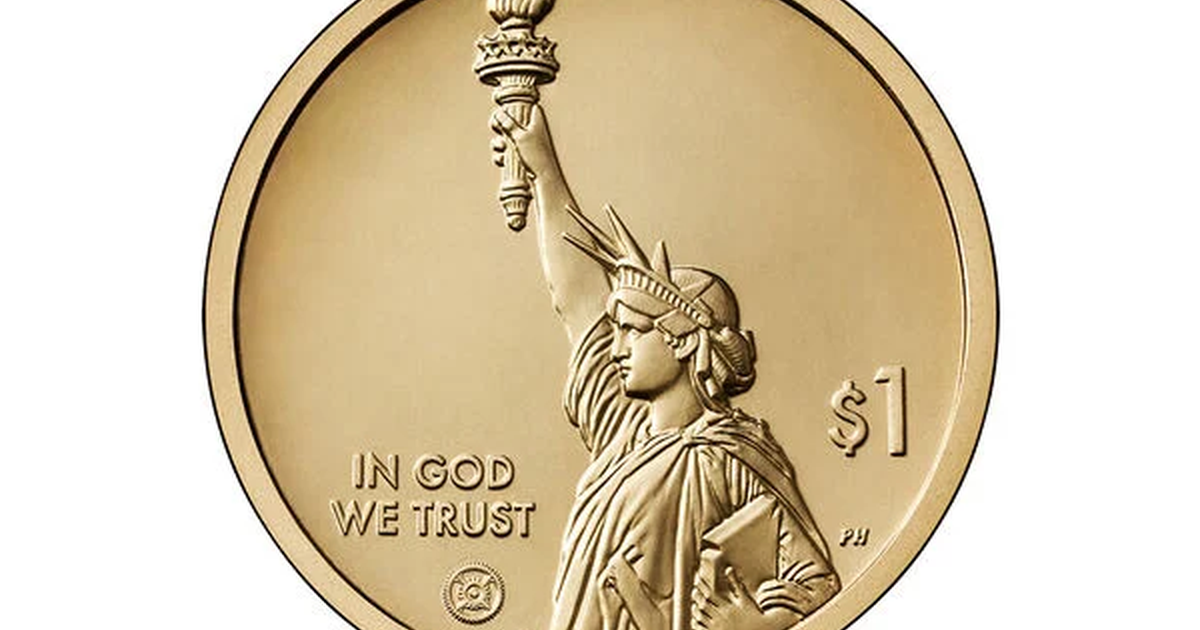
For wealth managers, tangible assets are no longer a footnote—they are part of the conversation. In the portfolios I review, high-net-worth individuals are looking beyond conventional stocks, bonds, and real estate. Coins with documented provenance, recognized grading standards, and durable collector demand offer something different: a physical asset with a history, a market, and an active community of collectors.
I would not claim that numismatic assets are automatically uncorrelated with financial markets. Nor are they immune from inflation, fraud, or changing tastes. Even so, a carefully selected group of PCGS-graded coins can introduce different economic and cultural return drivers. The aim is not to replace registered investments. It is to build a limited, illiquid, independently researched allocation that may preserve purchasing power while providing the intellectual pleasure of owning something genuinely scarce.
The source forum discussion adds a useful side lesson. Its “PCGS Rethinking” reference concerns a compact, easier-to-navigate website, the return of editing functions, and the sometimes-contentious reception of a redesign. The participants also modeled healthy collector behavior: criticism was candid, uncertainty was acknowledged, and nobody treated corporate reputation as a substitute for verification.
Coins are not portfolio armor. They are tangible assets that still require authentication, careful valuation, insurance, sound governance, and the same discipline applied to any other holding.
From “PCGS Rethinking” to Portfolio Rethinking
Let me put it bluntly: a website interface does not create an investment return. A slab does not guarantee future appreciation. Even a celebrated grade will not rescue an overpaid coin. These are simple reminders, but they matter because the collectible market brings together finance, art history, metallurgy, authentication, and plenty of human decision-making.
That complexity explains why experienced wealth managers should ask more than “Are collectibles a good investment?” The better questions are:
- How much of the client’s wealth can remain illiquid for many years?
- Which numismatic areas have enough transactions to support a credible valuation?
- How much of the value comes from precious metal, and how much represents a numismatic premium?
- Can the coin’s attribution, grade, authenticity, and provenance be independently verified?
- Is the collection diversified enough by issuer, series, date, mint, grade, variety, and collector demand?
- What happens if the client dies, becomes incapacitated, or simply loses interest?
The forum discussion matters because its tone was neither blind praise nor a dismissal. Collectors challenged the redesign, questioned whether a change might be temporary, noticed practical improvements, and welcomed visible criticism. That is the kind of skepticism I want clients to bring to any collectible market.
One commenter described the restored format as “more compact, easier to read, easier to navigate.” Another participant thought the change might be temporary while technical problems were addressed. Others welcomed the return of editing and said PCGS appeared willing to tolerate criticism. They were not discussing a rare variety or a named investment product. They were discussing the digital infrastructure collectors use to research, authenticate, and manage their holdings.
For a wealth manager, the lesson is straightforward: convenient access, transparent records, and credible communication make an asset easier to administer. None of those features determines the value of a 1921 Morgan dollar or a 1907 $20 High Relief. Poor access or confusing documentation, however, can make an otherwise sound coin harder to research, insure, transfer, or sell. I would never make a portfolio depend on a vendor interface, regardless of that vendor’s reputation.
What Coin Ownership Can—and Cannot—Preserve
The real asset is the coin plus its market
When I review a collectible allocation, I do not treat every coin as an equal claim on “tangible wealth.” I separate the physical object, its precious-metal content, and the numismatic value above metal value. A rare variety may command a strong premium, but that premium still depends on authenticity, condition, collector demand, and credible provenance.
Consider two familiar examples:
- The 1907 $20 Saint-Gaudens High Relief weighs 33.431 grams and is composed of 90 percent gold and 10 percent copper. Its Philadelphia issue carries no mint mark. Its value reflects gold content, dramatic relief, sculptural design, surviving population, condition, provenance, and demand for the type.
- The standard 1921 Morgan dollar weighs 26.73 grams and is composed of 90 percent silver and 10 percent copper. Its Philadelphia issue also has no mint mark. Its status as a key date creates numismatic value that can be far more important than its bullion value.
Metal provides a measurable reference point, but the collector market creates much of the value. A common-date coin may trade mainly as metal, while a scarce, widely collected date may carry a substantial premium to melt. A coin in true mint condition can be commanding, but only if the series rewards high grade. Strike, luster, patina, and eye appeal also carry different weight from one issue to the next. A mint mark identifies the issuing branch; it does not prove authenticity by itself.
Coins also preserve a tangible record of economic and cultural history. They hold evidence of changing metal standards, political authority, artistic taste, mint technology, trade networks, and collecting culture. A nineteenth-century large cent is not merely a piece of copper. It is a surviving artifact of the republic’s early monetary system. A modern commemorative silver dollar may be understood partly as bullion, but its selection, mintage, packaging, historical importance, and collecting audience can give it a life beyond its metal content.
Wealth preservation is conditional
Coins can help preserve wealth over long periods when scarcity, condition, authenticity, collectibility, and demand remain intact. That is a possibility, not a promise. Important adverse factors include:
- Inflation that does not translate into greater collector purchasing power
- A decline in interest in a particular series or grade tier
- Counterfeit, altered, or improperly de-metaled coins
- Loss, theft, damage, or deterioration of holders and packaging
- Illiquidity during a financial emergency
- Unplanned taxes or estate costs
- Overpayment based on scarcity stories rather than achieved prices
Gold and silver content may help a coin’s price follow its metal market, but nominal metal value does not automatically equal realizable bullion value. Bidding costs, assay, transport, refining, taxes, and market discounts can intervene. The reverse can happen too: a scarce coin may rise with the metal market while buyers grow less willing to pay an unjustified numismatic premium.
I would therefore never describe numismatics as a straightforward inflation hedge. Inflation can increase the dollar price of metal while collectible prices remain flat. It can also reduce real collector budgets or encourage speculative buying. Preservation is more plausible when a coin has enduring historical importance, active demand, and a valuation that remains sensible after subtracting metal value and anticipated selling costs.
Why PCGS Grading Changes the Ownership Conversation
Grading is a trust service, not a price guarantee
PCGS is a third-party coin-grading service. It examines a submitted coin, evaluates its authenticity, and, if the coin is accepted, assigns a grade under a defined standard. The encapsulated coin and its label then allow another person to review the coin, certification number, and assigned grade without repeating the entire grading process. That creates a useful record, though it does not by itself establish the coin’s provenance.
For portfolio purposes, grading addresses two distinct questions:
- Is the coin authentic?
- What condition did the grader assign at the time of encapsulation?
PCGS uses a 1-to-70 numerical grading scale, with designations such as MS for Mint State, AU for About Uncirculated, XF for Extremely Fine, and VF for Very Fine. A grade is a standardized opinion, not a scientific measurement of future value. Two coins can receive the same numerical grade yet show very different eye appeal. Value may also vary sharply by series, date, mint, rare variety, and the depth of the collector market.
Nor should one assign meaning to a label color without understanding PCGS conventions. A label color is not itself a grade, rarity tier, or investment recommendation. The certification number, coin identification, and assigned grade are the details that matter.
What the holder does—and does not—guarantee
Under its published terms, a PCGS holder and label provide third-party grading information and attribution to the grading service. The PCGS Guarantee Program addresses certain authenticity or grading issues subject to program conditions. That is different from promising that a holder will always be liquid, that a coin will appreciate, or that a holder or label cannot be altered or counterfeited.
Every acquisition should still be checked independently. Before I accept a coin, I confirm that:
- The certification number corresponds to the physical holder and label.
- The country, denomination, date, mint, type, variety, and grade on the label match expectations.
- The holder’s seams, label, and edge appear intact.
- The coin’s weight, diameter, and metal are consistent with the issue.
- No dealer claim—including a provenance claim—is unsupported by the available records.
A coin should not be considered “PCGS-graded” solely because a seller says it is. I always run the certification number and make sure the physical label agrees with the online record. A holder should never be opened merely to inspect the coin unless the owner understands the possible consequences for value, guarantee terms, and future resale.
Population is not market value
PCGS CoinFacts provides useful research, including auction records, price information, and PCGS population data in relevant cases. A population count can help measure scarcity, but it does not reveal how many coins are actively offered, how frequently they trade, or what a particular example is worth.
Population figures also carry selection effects. A run of coins from one consignor or grading submission may not represent the broader population or current collector demand; I would compare it with auction records and recent transactions.
Related Resources
You might also find these related articles helpful:
- PCGS Rethinking: A Dealer’s Arbitrage Guide to Raw-to-Slab Flips, Cross-Grades, and Real Spreads – There is money to be made in the numismatic market, but the spread you can see is not necessarily the money you can keep…
- PCGS “Rethinking” Your Insurance: Scheduling Rare Coins and Securing Replacement-Value Appraisals – A homeowner’s policy can look reassuring while still leaving a collector underinsured. It may cap coins at a fraction of…
- How to Maximize Profits Selling a PCGS-Certified Coin: Auction House Secrets from “PCGS Rethinking” – Why a Major Auction Is Not the Same as Selling on eBay Selling a coin on eBay is usually a straightforward retail transa…


